Olympos Ruins Turkey: Complete Guide to the Ancient City
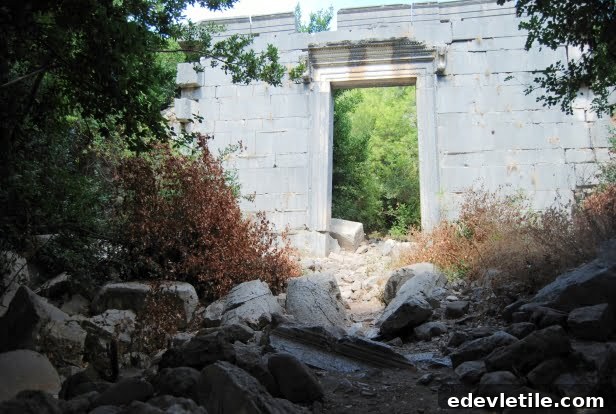
The Mediterranean coast of Turkey is dotted with remarkable ancient ruins, many of them remnants of the Lycian civilization. Among these is Olympos, located beside a small, bohemian village that attracts backpackers with its rustic tree-house accommodations and relaxed atmosphere.
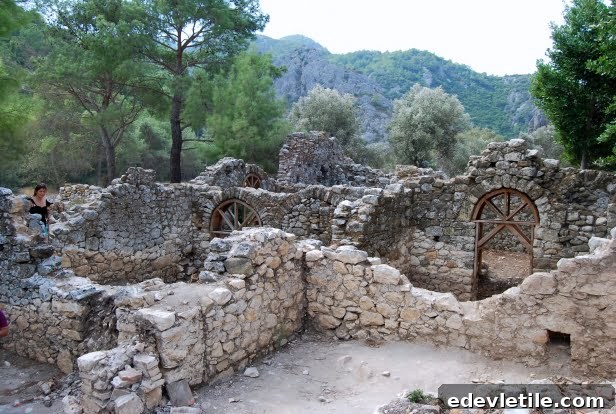
I planned to explore the ruins and briefly considered staying overnight in the village to experience its distinctive lodging. Traveling solo and preferring more private, modern amenities, I chose to stay in the adjacent village of Cirali, which shares the same long beach as Olympos and offers a quieter, more comfortable base.
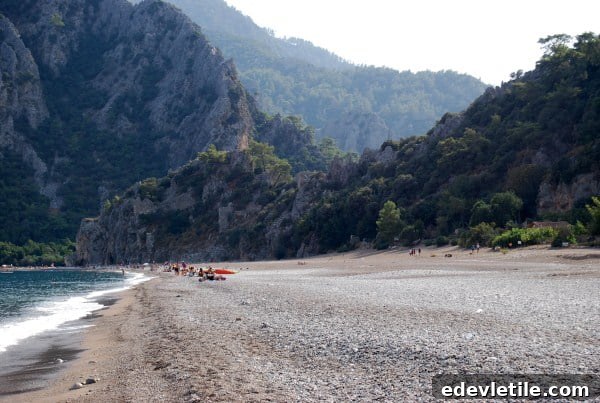
From Cirali the ruins are an easy 3-kilometer walk: through the village, along the pebble and sand shoreline, and then inland a short distance to the Olympos site. The path is pleasant and the setting feels remote and natural, making the walk part of the attraction.
Although Olympos is less frequently highlighted by guidebooks than UNESCO-listed Lycian sites such as Xanthos and Letoon, the ruins are surprisingly atmospheric. Nestled within a dense forest, Olympos has an almost mystical quality. The trees create shaded pathways and reveal scattered remnants of ancient life, though the vegetation can make it difficult to locate every excavated landmark—so consult an official map before you go if you want to see specific features.
About the Ancient Ruins of Olympos
Scholars are not certain of the exact founding date of Olympos, but it is known to date from the Hellenistic period. As one of the six cities with voting rights in the Lycian League, Olympos held significant regional influence. Its coastal position, however, made it vulnerable to pirate raids. A river that once allowed large ships to sail inland now flows through reeds, but in antiquity it provided a navigable route from the sea into the city.
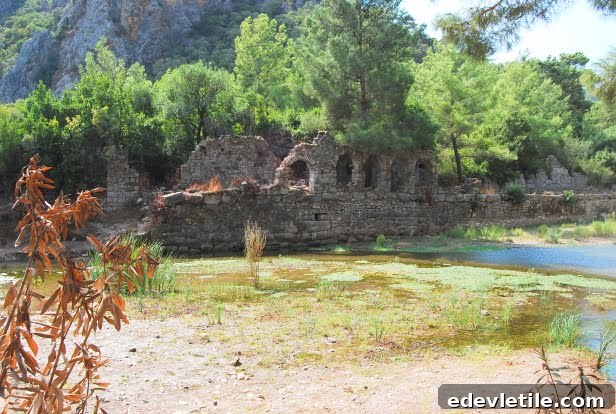
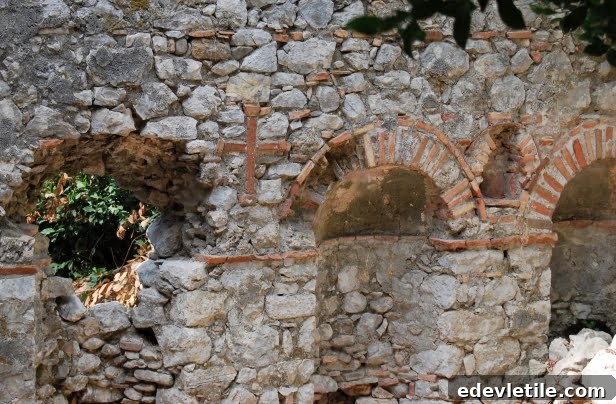
Over time the Lycian League was absorbed into the Roman Empire and Olympos came under Roman rule. The city declined and was ultimately abandoned by the 15th century. Visitors today can still find traces of changing religious and cultural influences throughout the site.
Tip: Look for evidence of early Christian activity and architectural remnants while exploring the ruins.
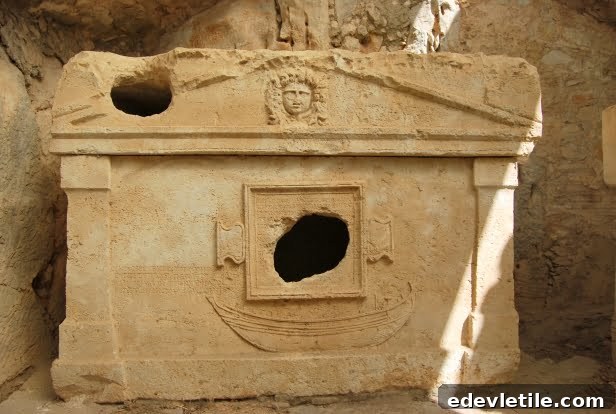
Sarcophagus of Captain Eudemos
Close to the entrance stands a striking sarcophagus that once belonged to a seafarer known as Captain Eudemos. Although little is known about his life, the monument indicates he was a person of importance in the region. A ship motif adorns the front, symbolizing protection for sailors—a connection to the goddess associated with maritime safety. An evocative inscription mourning his loss reads:
“The ship sailed into harbor and anchored to leave no more,
As there was no longer any hope from the wind or daylight,
After the light carried by the dawn had left Captain Eudemos,
There buried the ship with a life as short as a day, like a broken wave.”
Further Exploration in the Antalya Region
Cirali and Olympos are excellent bases for exploring more of the Antalya region. I extended my stay to visit nearby sites such as the ancient city of Phaselis and the eternal flames of Chimaera. All of these attractions sit within the Beydağları Coastal National Park, which offers hiking trails, birdwatching, and scenic viewpoints including Mount Tahtalı. For those interested in artifacts, the Antalya Museum in the city center displays finds from Olympos and other local archaeological sites.
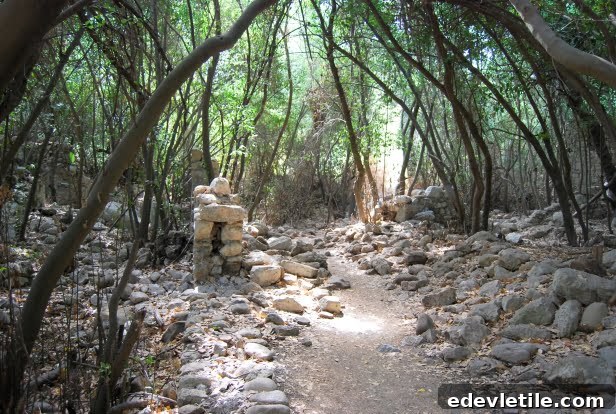
Whether you are drawn by ancient history, natural beauty, or a quiet coastal escape, Olympos and Cirali together offer a memorable combination of seaside charm and archaeological intrigue. Pack comfortable walking shoes, allow time to wander, and bring a map to help you uncover all the site’s scattered treasures.