Experiencing Sufi Mysticism: Rumi’s Teachings and Practices
The Sufi poet Rumi once wrote, “Love cannot be described. It must be tasted.” Those words, spoken more than seven centuries ago, still inspire people who seek a deeper understanding of love, spirituality and human connection. Rather than trying to define love, more useful questions ask whether simple words or actions can stir strong emotions, whether learning about other cultures and beliefs matters, and whether deliberate study can bring inner peace.
Do you believe that simple sentences or actions can evoke overwhelming emotions?
Do you believe that a greater understanding of other cultures and beliefs is a necessity?
Do you believe that by consciously improving our knowledge, we can achieve inner peace?
I answered yes to all of the above, which led me to explore the Sufi Mystic Experience in Turkey, a ten-day program introduced to me by travel writer Jools Stone. The event is organized by the same team behind the “Monk for a Month” immersion in Thailand and is designed for people who want to learn about Anatolian mysticism, deepen their spiritual understanding and engage directly with Sufi practice.
Attending the Sufi Mystic Experience is a conscious step toward cultural learning and personal growth. Participants spend time with local Sufi communities, study Rumi’s teachings, and experience practices that aim to cultivate inner peace, compassion and perspective.
What is Sufism?
Sufism is a mystical dimension of Islam found across several continents. Its central idea is that people need not wait for the afterlife to draw near to the divine; they can cultivate qualities such as kindness, generosity and inner stillness here and now. Sufism emphasizes direct experience of the sacred through practices that transform the heart and mind.
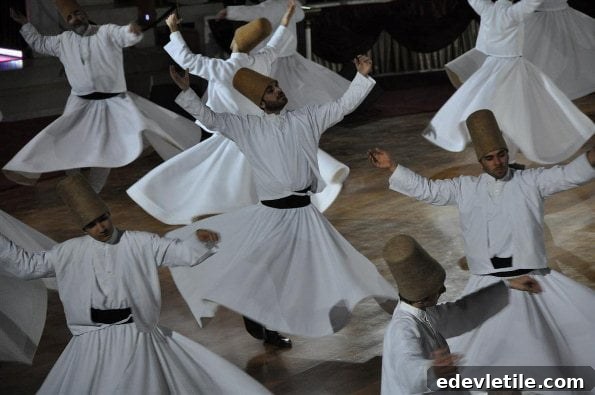
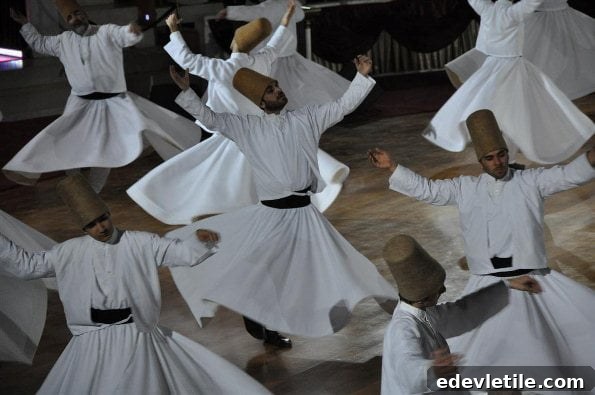
If you have seen the whirling dervishes of Turkey—that graceful spinning performed in flowing robes—you’ve witnessed one visible expression of Sufi devotion. These practitioners use movement, music and prayer as tools to enter a contemplative state and express a tradition that has been part of Anatolian spiritual life for centuries.
(Mosque and Museum of Whirling Dervishes in Konya – Photo from Flickr)
Who was Rumi?
Jalal al-Din Rumi, commonly known simply as Rumi, is one of the most influential poets and mystics in history. Writing in the 13th century, his poems and teachings have crossed centuries and cultures. UNESCO describes him as “one of the great humanists, philosophers and poets who belong to humanity in its entirety.” His work continues to guide people toward reflection, love and spiritual awakening.
Some well-known quotes attributed to Rumi include:
“People of the world don’t look at themselves, and so they blame one another.”
“Remember, the entrance door to the sanctuary is inside you.”
“Your task is not to seek for love, but merely to seek and find all the barriers within yourself that you have built against it.”
After Rumi’s death, his followers in Anatolia formed the Mevlevi order, often known today for the whirling dervishes of Konya. The ceremony of whirling remains a compelling cultural and spiritual expression, and the Sufi Mystic Experience aims to go beyond the spectacle by sharing the beliefs and history that underlie these practices.
The Sufi Mystic Experience – Interview with creator of the program, Irish-Australian Ben Bowler
 1 – Hi Ben. Tell me more about yourself and why you created the Sufi Mystic Experience
I founded World Weavers, a cultural and social enterprise active across Europe and Asia, operating under the motto “One World One Family.” We are best known for ‘Monk for a Month,’ a Buddhist temple-stay program in Thailand that has run since 2008. The Sufi Mystic Experience is an extension of that vision: a guided immersion into Sufi life and practice in Turkey.
2 – How are participants introduced to Rumi and Sufism?
The program offers an authentic Sufi encounter rooted in Anatolian practice. It’s not about proselytizing; rather, it aims to foster interfaith understanding, build human connections and create a space for personal spiritual exploration. Participants are guided by contemporary Sufi teachers and inspired by Rumi’s teachings.
3 – What does the itinerary include?
Guests stay in a historic 400-year-old Sufi lodge and live alongside local Sufi Muslims. Activities include attending services at mosques and other places of worship, observing the whirling dervishes, visiting Rumi’s tomb in Konya, and taking sightseeing tours in Istanbul to see landmarks such as Topkapi Palace and the Blue Mosque. The program combines spiritual immersion with cultural and historical context.
4 – How can people find out more?
Details are available on the Sufi Mystic Experience website or by contacting the organizers directly at [email protected] or [email protected].
5 – Any plans for the future?
Yes. The organizers are developing additional cultural programs, including Christian and Sikh immersion experiences. These follow the same approach of respectful cultural exchange and personal reflection.
All Cultural Programs by The Blood Foundation Organisation
Monk For a Month – A Buddhist immersion program for those curious about exploring Buddhist practice and monastic life.
Sufi Mystic Experience – A program focused on personal spiritual development, cultural insight and time for reflection within Anatolian Sufi traditions.
Muslim for a Month – An immersive introduction to the practices and daily life of Muslim communities.