Sanliurfa (Urfa): Discover Abraham’s Historic City in Turkey
We arrived in Şanlıurfa on a small, crowded public bus. Every seat was taken and passengers stood packed in the aisle, talking quietly, staring ahead, or glancing at the foreigner among them. I paid little attention to the looks; trying to blend in no longer mattered. Instead I watched the city slide by, and at first Urfa disappointed me.
About Şanlıurfa, the City of Abraham
Locally people call the city Urfa. In 1984 the name was officially extended to Şanlıurfa—şanlı meaning “glorious”—to honor the role the city played in the Turkish War of Independence. Though it is not a mainstream destination for many international tourists, Urfa holds deep significance for Muslims: it is traditionally considered the birthplace of the prophet Abraham, a figure also central to Christianity and Judaism.
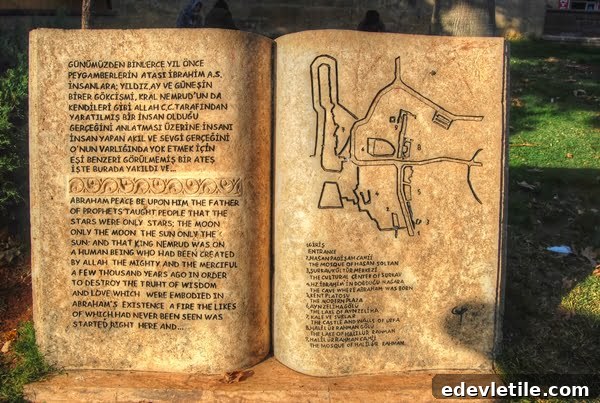
A key attraction is the carp-filled pool known as Balıklıgöl, believed to be the place where, according to local tradition, King Nimrod threw Abraham into a fire. The story says God turned the flames into water and the burning wood into fish to protect him. That connection to Abraham and the region’s Arabic-influenced culture is what drew me to the city.
But when I first arrived I saw a modern, bustling city with high-rise buildings, congested traffic and few obvious historic landmarks. Where were the ancient sites and winding streets that would earn Urfa its reputation as the city of Abraham?
A second look: old Urfa reveals itself
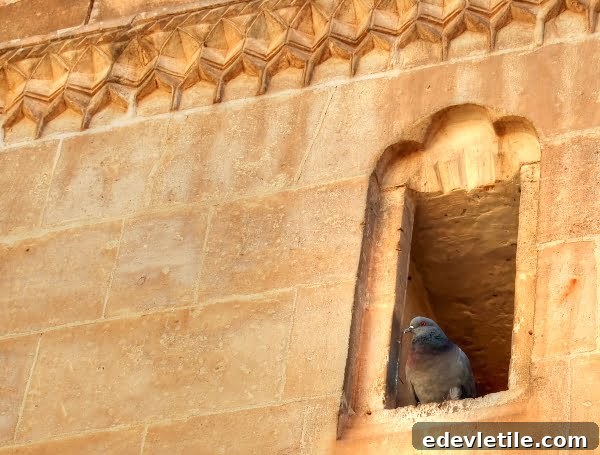
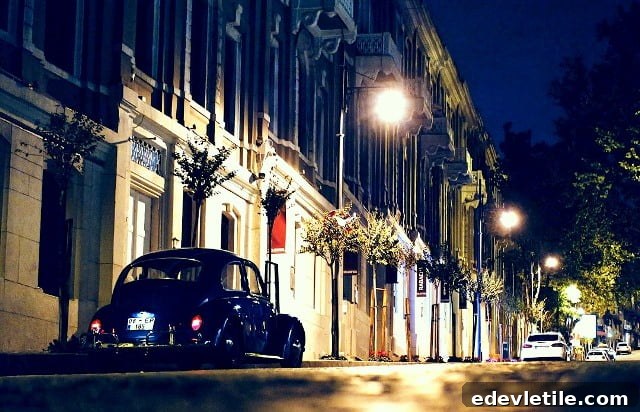
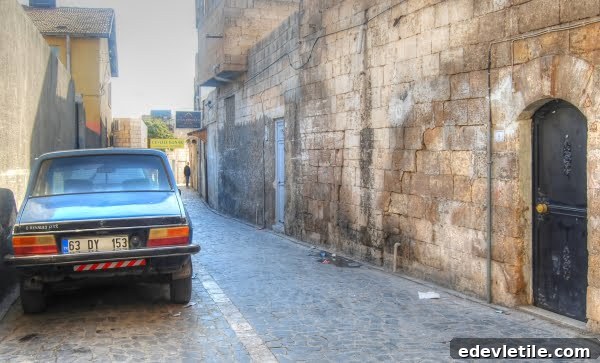
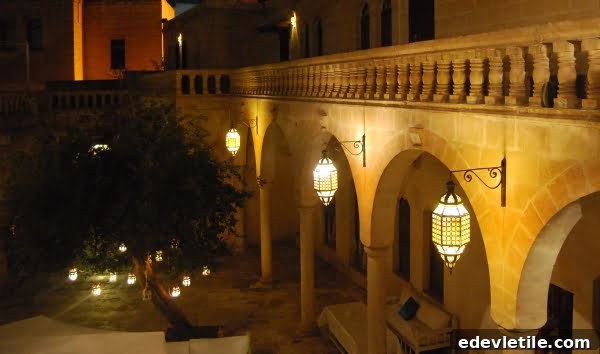
My first impression had been hasty. I soon learned that Urfa has two faces: the modern new city and an atmospheric old quarter. Once the bus passed into historic Urfa, everything changed. Stone buildings, narrow alleys and Arabic-influenced architecture reappeared, and the tangible links to antiquity and Abraham were unmistakable.
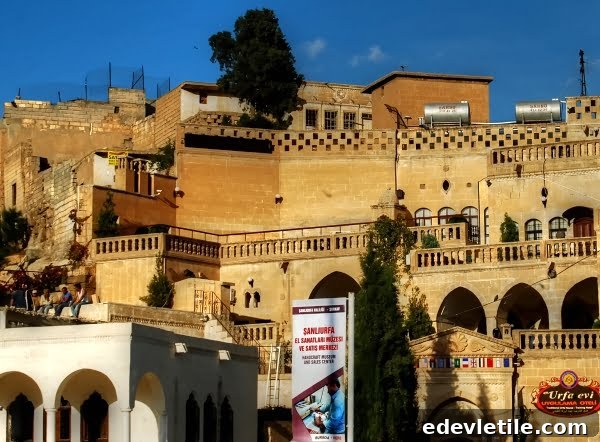
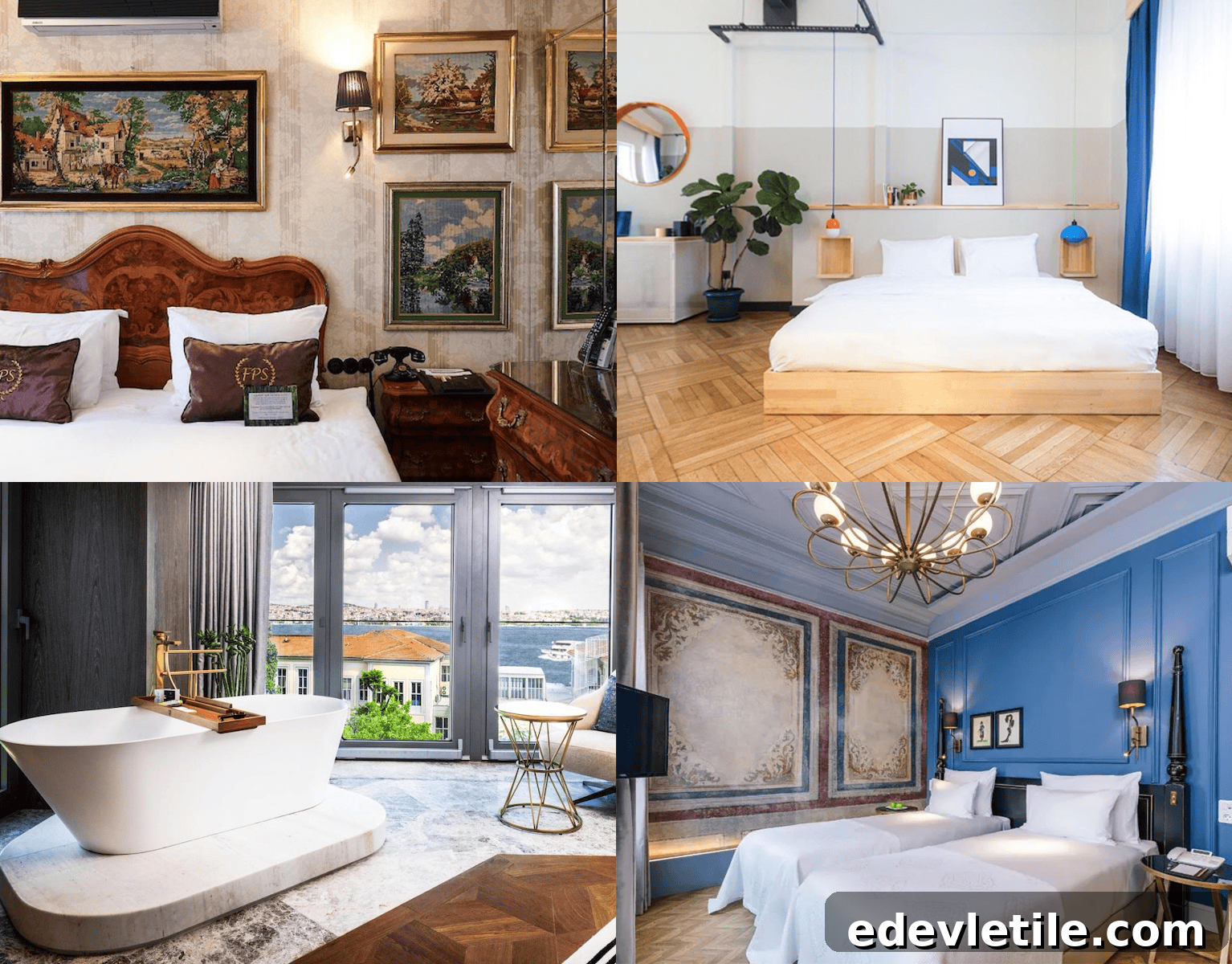
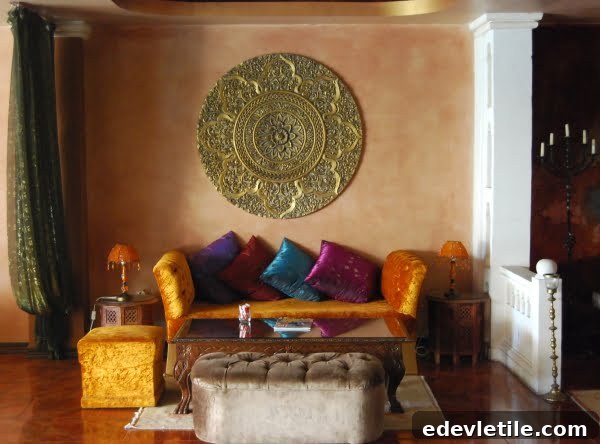
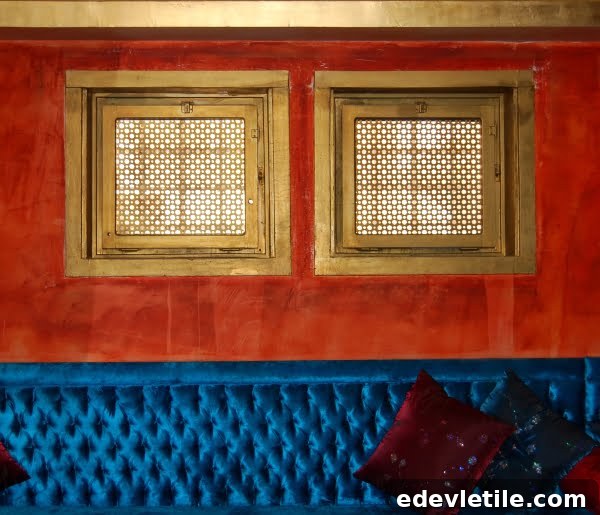
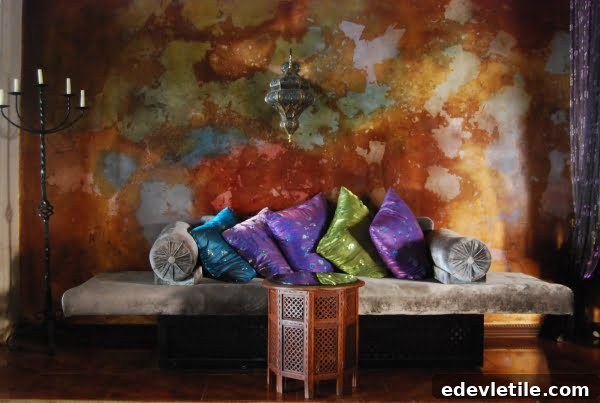
We checked in at a hotel whose manager greeted us and mentioned there were no other bookings. He suggested moving us to a sister hotel, which turned out to be a fortunate upgrade. The new accommodation featured rich Arabic décor and a room with a view of the castle—comfort and atmosphere combined.
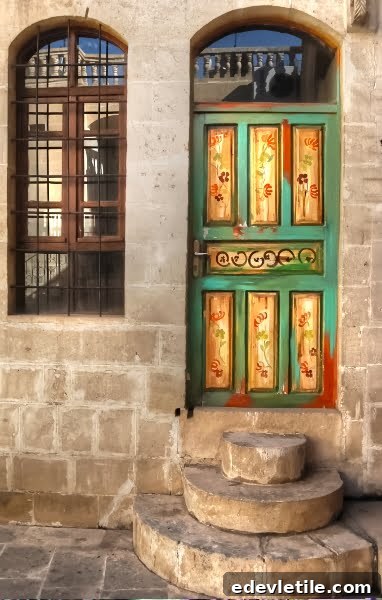
To my surprise, the hotel served alcohol—unusual in a city known for conservative values. That night, sitting on the terrace with a cold drink and a view over the castle felt preferable to noisy, questionable alternatives elsewhere. It was a small pleasure after a long day of travel.
Exploring the heart of Urfa
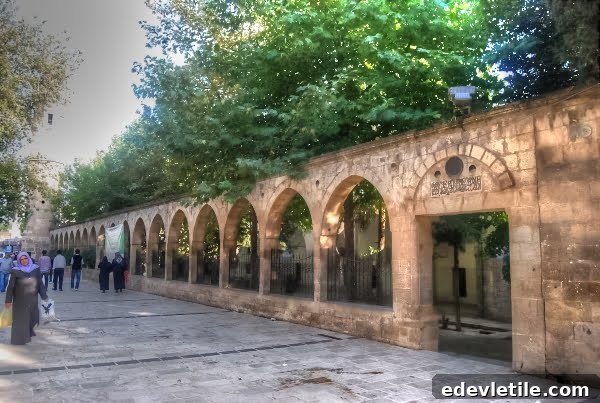
Everything worth seeing in the old city lay within easy walking distance of our hotel. The famous Balıklıgöl and the cave associated with the prophet Abraham were only a ten-minute walk away. On the few occasions we left the city, it was to visit nearby Harran and its distinctive beehive houses—an easy day trip by car.
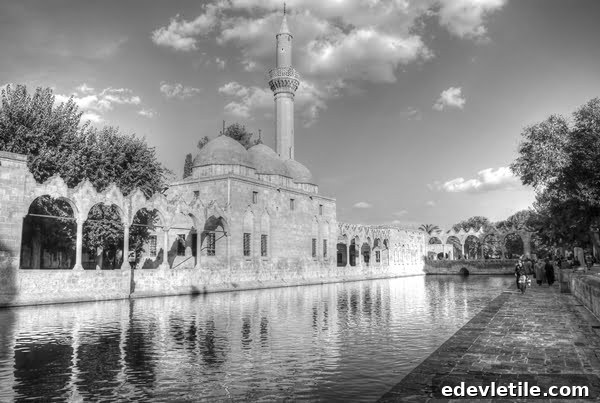
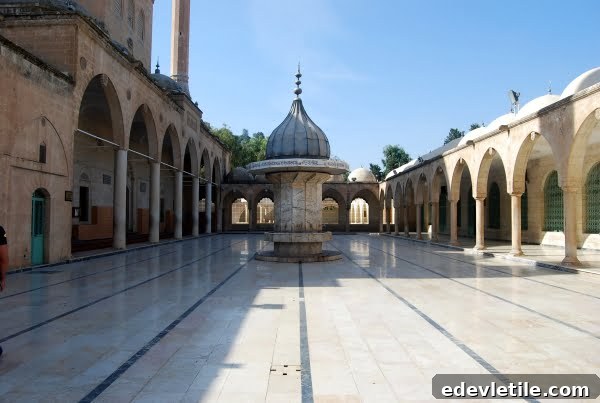
Walking the historic sites, I watched worshippers pay their respects with quiet reverence. Though I am not particularly religious, seeing a place that holds significance for both Muslims and Christians underscored a shared human tendency to honor what we hold sacred. Abraham’s story bridges faiths, and in Urfa that connection feels immediate.
Tips for visiting Şanlıurfa
Şanlıurfa is well placed for exploring Southeast Turkey. Nearby Gaziantep and Mardin are both worthy destinations: Gaziantep for its renowned cuisine and Mardin for its ancient hilltop town and Byzantine-era atmosphere. If your time or budget is limited, however, Urfa alone offers rich history, welcoming locals, and atmospheric streets that make it a rewarding choice.
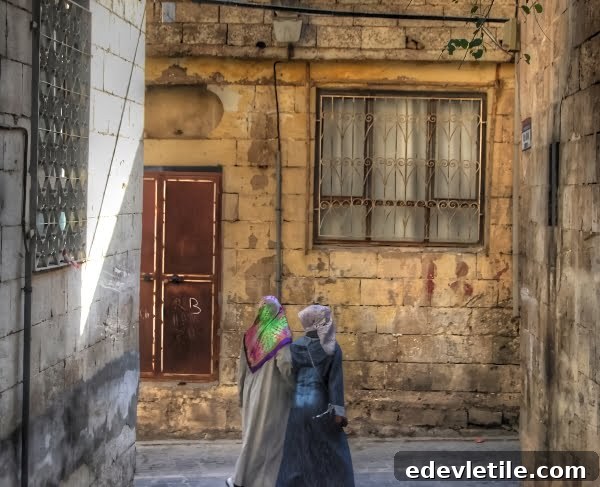
Some travelers will argue in favor of Mardin’s dramatic architecture and possible UNESCO recognition. Both cities have distinct attractions, but for me Urfa’s blend of historical sites, cultural life and everyday local customs made it more compelling. Exploring its narrow backstreets and watching daily life unfold was a highlight of the trip.
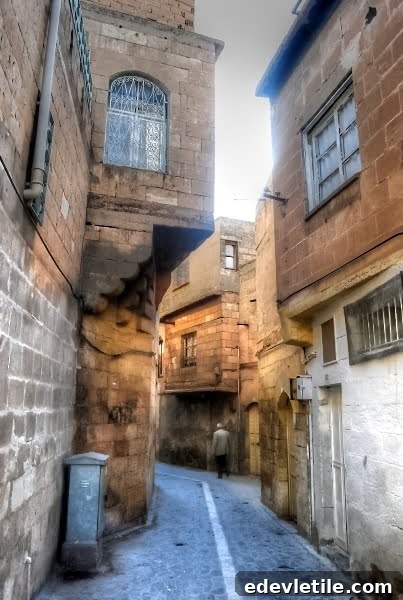
Despite my rocky first impressions, Urfa won me over. Its historic quarter, spiritual heritage, and warm hospitality made leaving difficult. If you plan a visit to Southeast Turkey, give Şanlıurfa time: its rewards are best discovered on foot, in quiet courtyards, and by following the winding alleys into the old city’s heart.