Isa Bey Mosque, Selçuk: History, Architecture & Visiting Guide
Finding the Isa Bey Mosque proved far easier than I had expected. I had braced myself for a bus ride or a long walk, so I felt a little foolish when the hotel receptionist told me, “Leave the hotel, turn left, walk 50 metres and it’s there.”
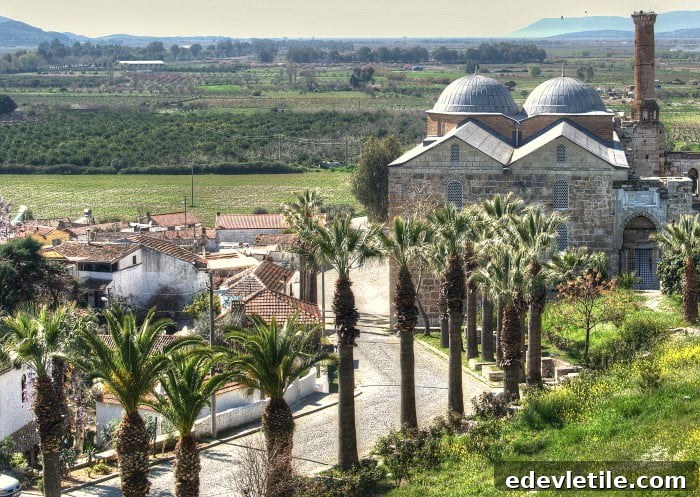
Located in the center of Selcuk town at the foot of a hill, Isa Bey Mosque was originally constructed in 1375 in honor of the local ruler who governed the region from 1360 to 1390. Today it remains both a functioning place of worship and one of Selcuk’s main tourist attractions.
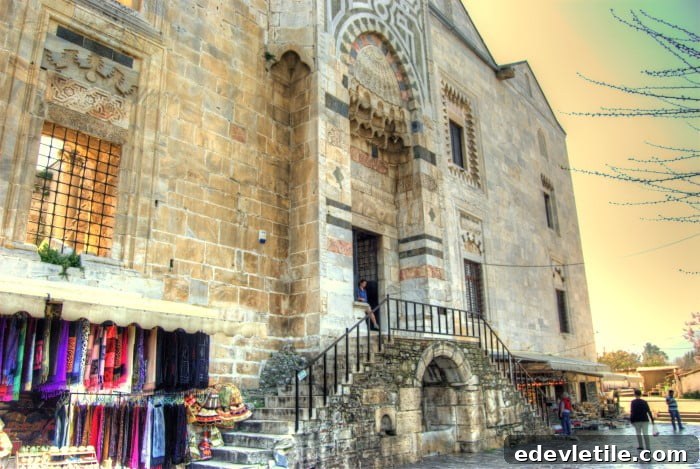
Outside the mosque’s tall walls and beside the entrance were several small shops. The vendors used the familiar, friendly patter common in Turkish markets to draw in visitors, offering souvenirs that many tourists buy on impulse.
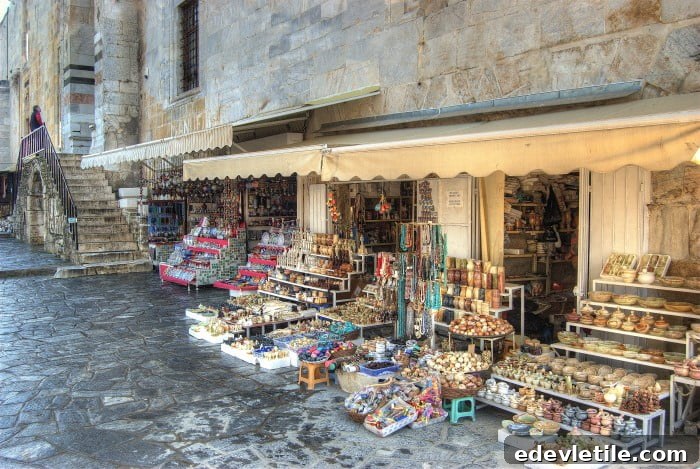
I browsed the stalls hoping to find a guidebook about the mosque, but none stocked such material. The sellers seemed surprised by my request, as if I would rather buy a decorative evil eye or a coffee cup emblazoned with the national flag.
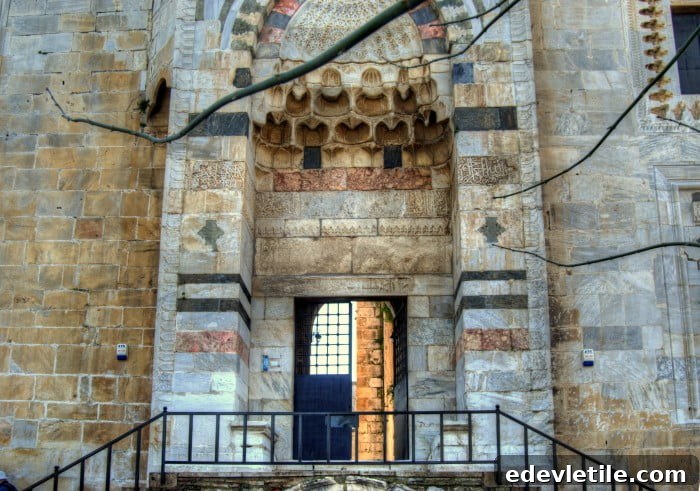
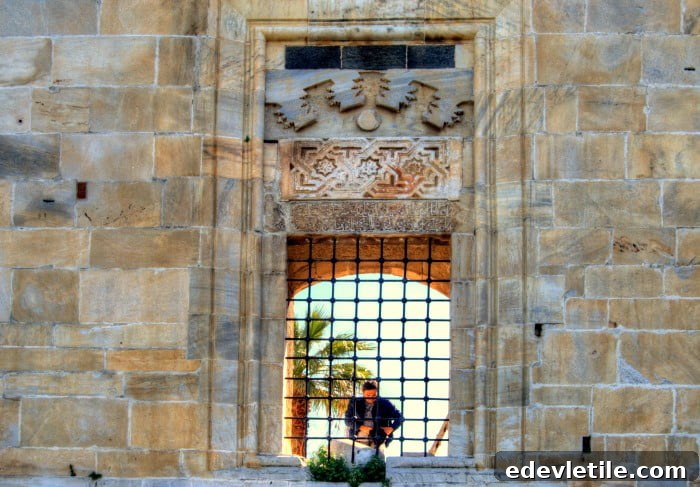
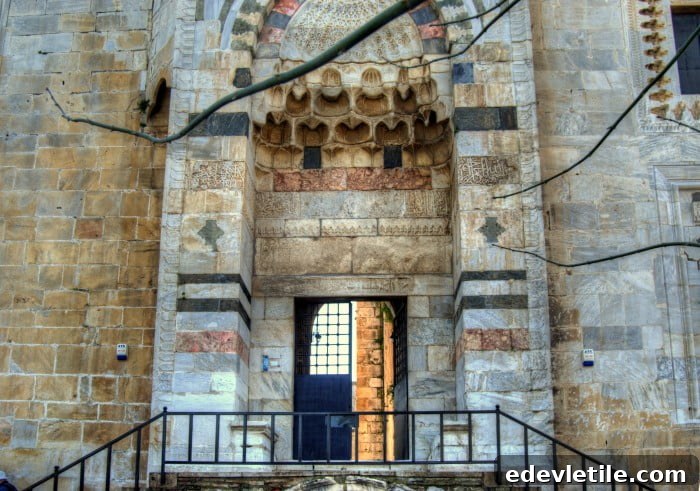
With nothing to take away, I climbed the stone steps and passed through an ornate entrance characteristic of Selcuk architecture into a pleasant courtyard. On the far side of the steps a large group of tourists waited—likely assembled around a guide. I felt fortunate to have timed my visit to avoid the crowd; I find busy, crowded attractions less enjoyable.
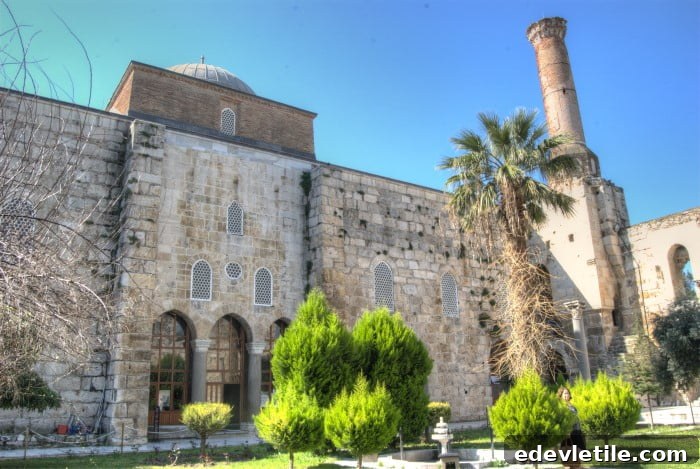
A plaque noted that two minarets once stood on the east and west sides of the mosque, but this building is not the exact 14th-century original. Earthquakes in 1653 and 1668 caused significant damage. Subsequent restoration efforts, notably in 1975 and again in 2005, reshaped the site into the simple, well-maintained structure visitors see today.
Inside the Isa Bey Mosque
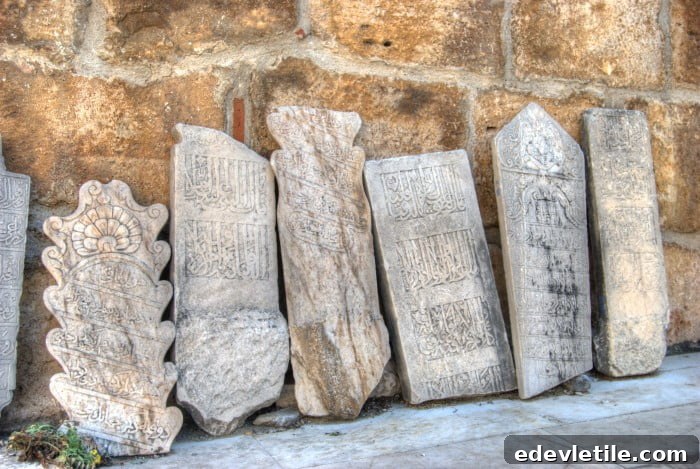
Passing by Ottoman gravestones leaning against an outer wall, I entered the main prayer hall. Signs in English listed the usual etiquette: men should wear trousers and women should cover their head and legs. I had a silk scarf with me, so I covered my head before exploring further.
The interior, like many mosques I have visited, was immaculate and quietly impressive in its cleanliness. The carpets looked nearly new, as they often do in religious sites, maintained to preserve a respectful and tidy atmosphere for worshippers and guests alike.
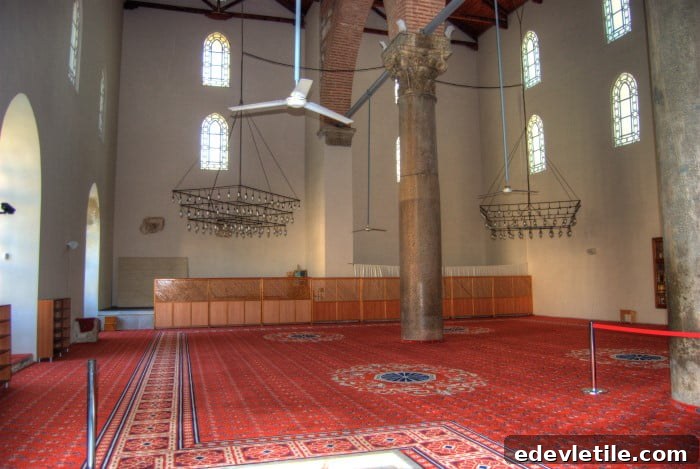
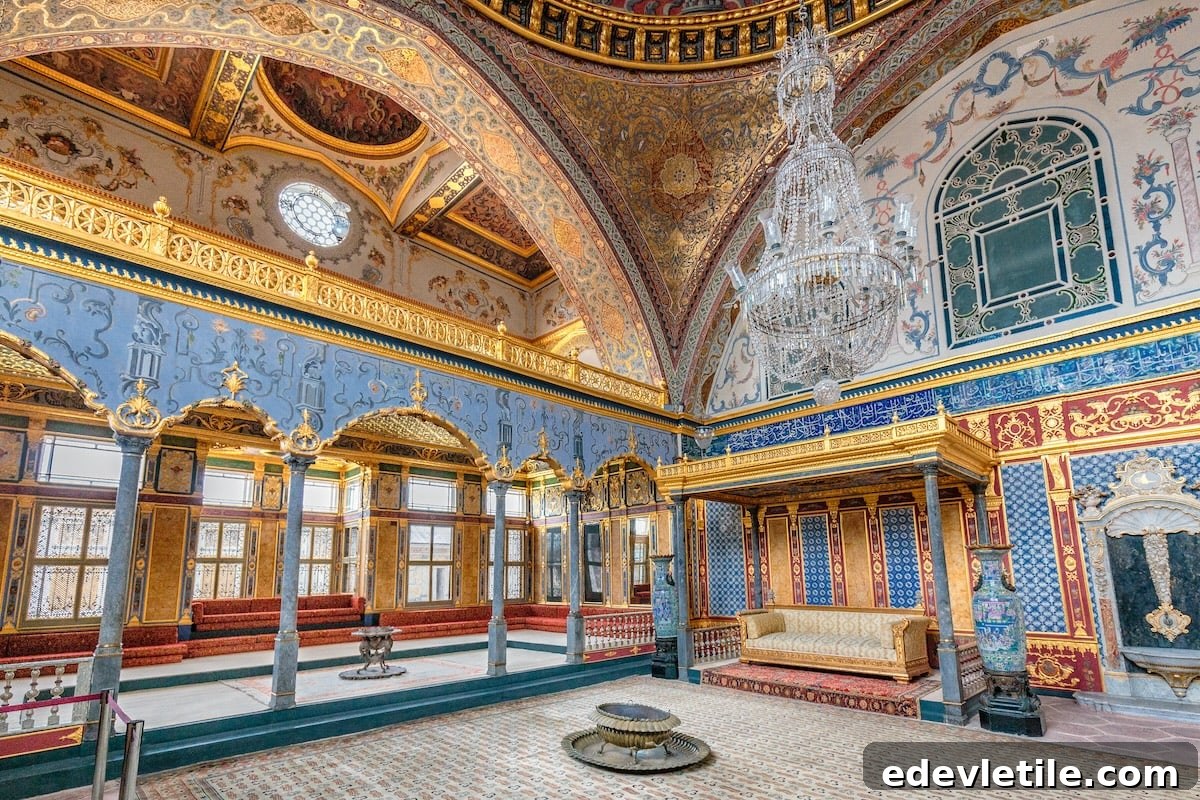
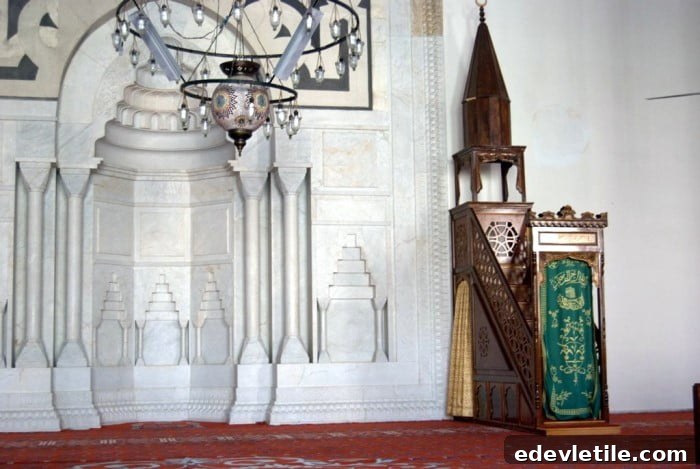
While the interior felt serene, it offered fewer distinct historical details than I had hoped. The exterior and architectural elements around the mosque proved more intriguing than the prayer hall itself. Apart from an ornate chandelier and the calm ambiance, the interior resembled many other mosques—especially compared with more famous examples like the Blue Mosque, which tend to leave stronger impressions.
A little disappointed, I left after a short visit and wished the souvenir vendors had offered informational material. A guide would have helped fill in details about the mosque’s history and architecture—had I arrived twenty minutes earlier I might have joined a tour group and learned more.