Visiting the Temple of Apollo in Didim, Turkey — Guide & Tips
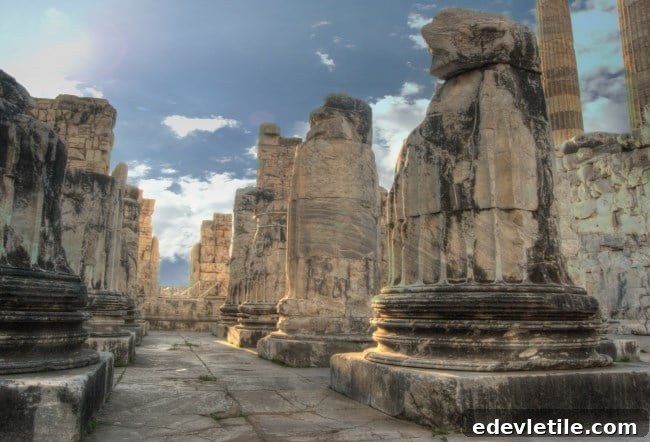
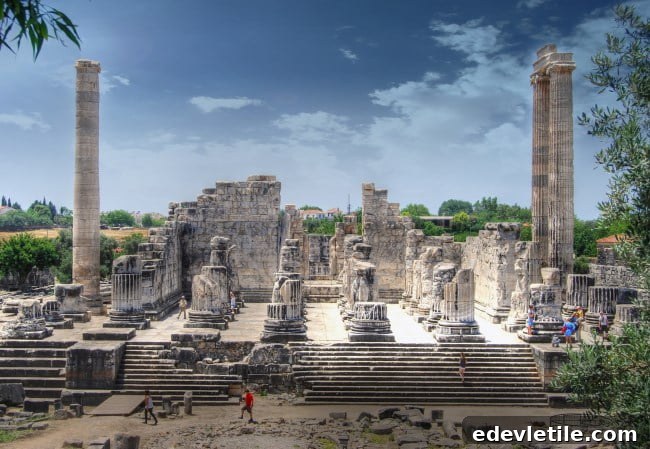
The Temple of Apollo in Didim is a prominent Aegean landmark that draws visitors from nearby coastal resorts. Known in antiquity as Didyma, the site attracts thousands of travellers each year and still bears visible traces of its Greek past.
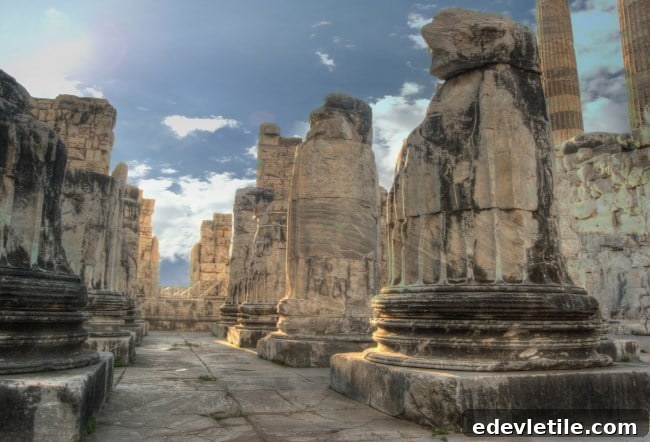
There are many temples dedicated to Apollo across the Mediterranean: several in Greece, a handful in Italy, and a number in Turkey. I visited the Temple of Apollo in Side some years ago and remember being impressed by the artistry preserved there.
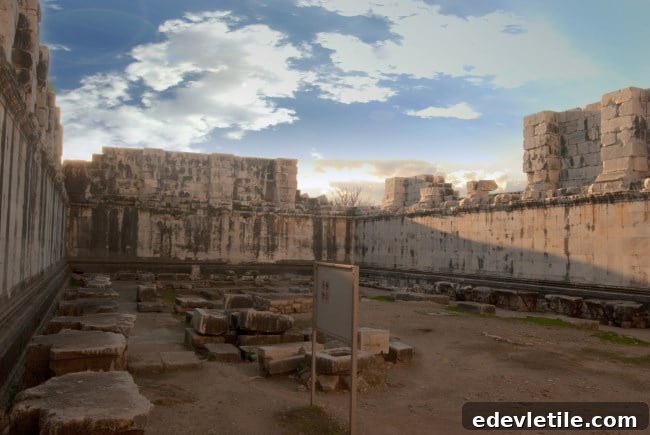
The Temple of Apollo in Didim
The Didyma sanctuary dates to Ancient Greek times and marks an important historical gateway to the region. A visit does not require a full day; early morning or late afternoon visits are ideal to avoid the heat and to appreciate the site in softer light. While smaller than the famous Ephesus complex near Selçuk, the Didim temple retains a distinct atmosphere and architectural interest.
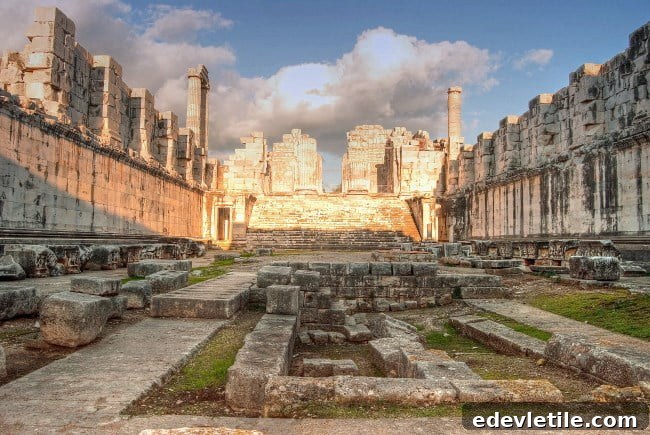
Excavations at Didyma began in 1904. Before Ionian dominance, the location served as a cult and oracle center where rituals and animal sacrifices were performed. Connected to the ancient city of Miletus by a paved sacred road, construction of the monumental temple was never completed. Some scholars suggest that, if finished, the sanctuary might have rivalled Greece’s most impressive temples in scale and grandeur.
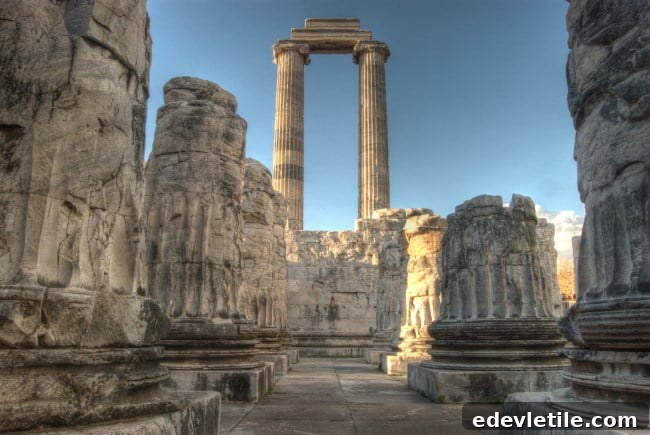
The site passed through Persian control and later came under Alexander the Great, who made attempts to continue construction. By the late Roman period, pagan worship had declined, and with the spread of Christianity a church was established within the temple precincts by around the fourth century A.D.
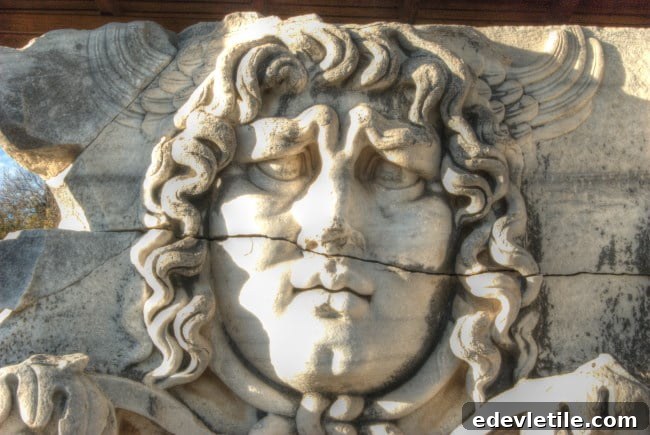
One of the most photographed features at Didyma is the head of Medusa carved into a stone relief, often treated informally as the site’s mascot. After exploring the ruins, visitors will find souvenir shops near the entrance offering a range of keepsakes, and several cafés and restaurants nearby serve local and international dishes. For a longer itinerary, the town of Didim offers additional sights and dining options.
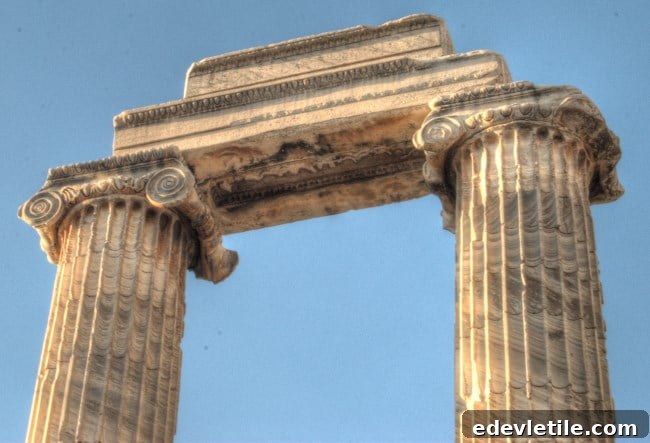
Late afternoon is a particularly pleasant time to explore the site; you can finish your visit by sitting at a terrace restaurant to enjoy the sunset. Many finds from Didyma, including column capitals and sculptural fragments, are displayed in museums abroad, so if you cannot visit in person, some pieces may be viewable in museum collections elsewhere.
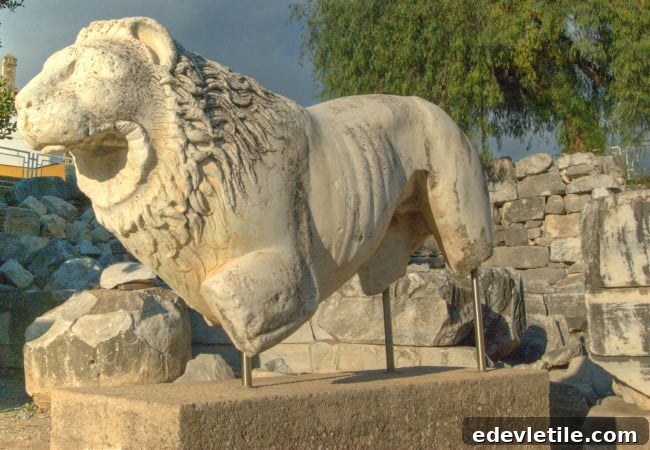
Related sites often combined with Didim tours include the ancient city of Priene, whose well-preserved ruins and theatre are worth a visit, and Miletus, an important coastal trading city with an impressive ancient theatre. Many local tour operators offer combined excursions that cover these three archaeological highlights.