Beypazarı Turkish Bath Museum: History, Highlights & Visit Guide
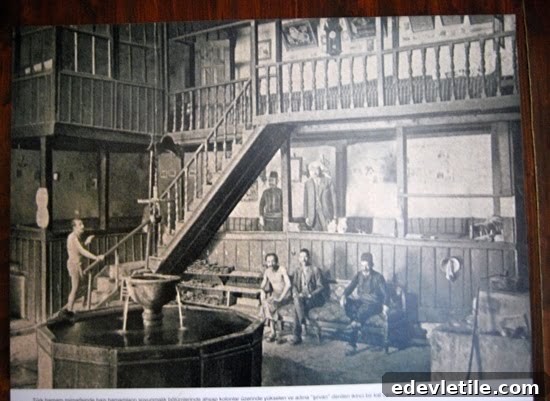
The Turkish Bath Museum of Beypazarı is a modest, two-story basement building tucked away on a side street in the town center. It preserves and presents the long-standing bathing tradition, offering visitors a glimpse into the daily life of past residents who gathered here for cleansing and socializing.
For me, visiting the museum was more than a tourist stop; it became a reminder of how much my life has changed since I first arrived in Turkey as an inexperienced traveler.
My First Experiences of Turkish Hamams
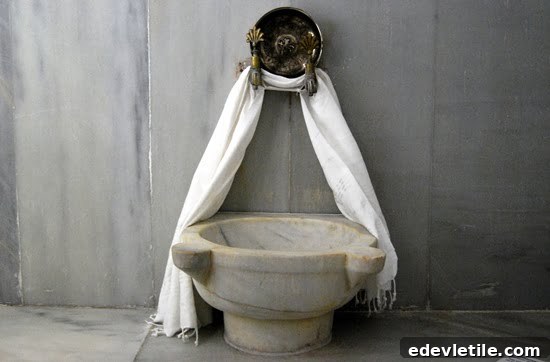
During my first five years in Turkey I cared little for local customs. My priorities were partying, drinking and enjoying the sights. I did visit Turkish baths, but only the tourist-oriented establishments near where I worked as a holiday representative.
Those baths catered to foreigners: English-speaking staff, familiar routines and other tourists as customers. Male masseurs working on female clients were accepted in that setting, and for me it was convenient and inexpensive. A full scrub and massage was an affordable luxury compared with prices back in the UK.
Because I treated the experience as a consumer good rather than a cultural practice, I paid little attention to the deeper traditions behind the hamam, which date back to Roman times.
It was convenient and enjoyable, but not meaningful to me then.
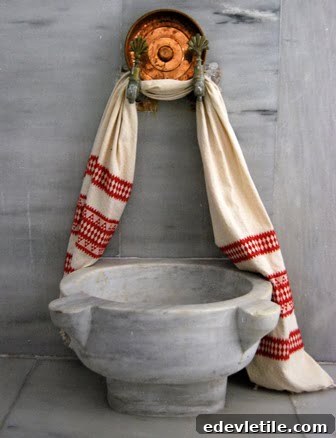 Everything shifted when I married a Turkish man. Visiting the same tourist hamams became socially awkward in our community because of expectations about propriety. In many traditional households, a woman being scrubbed and massaged by a man from outside the family carries gossip and reputational risks.
The male masseurs, called tellak, did not match the heroic stereotypes often imagined; they were ordinary local men, sometimes older and unmistakably part of the local workforce. My husband made clear that the unwritten social rules applied in both directions: women should go to ladies-only sessions with female attendants, while men would not be massaged by women outside family circles.
Ladies Day at the Local Turkish Hamam – No Men Allowed
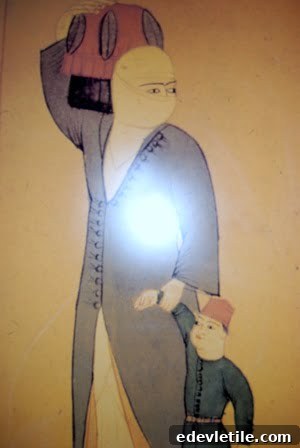
In many towns, including Beypazarı, one weekday was traditionally reserved as ladies day. The local hamam opened exclusively to women, with female attendants providing the scrub and massage. It was a social institution as much as a bathing facility—mothers and daughters, friends and neighbors gathering, talking and caring for one another.
When I was invited by my mother-in-law to attend a ladies session, I hesitated. The idea of spending hours in a communal steam room among local women, speaking Turkish and participating in close social rituals, felt outside my comfort zone. As a result I stopped going to hamams altogether for several years despite traveling alone across the country on many occasions.
The Turkish Hamam Museum of Beypazarı
The Beypazarı hamam building itself was once a working public bath and has been preserved to showcase that heritage. The museum focuses on history and local traditions rather than offering a modern spa experience, which suited me. Walking through the rooms brought back memories of my earlier life selling visits to tourist hamams and reminded me of childhood recollections shared by local guides who remembered attending ladies days with their mothers.
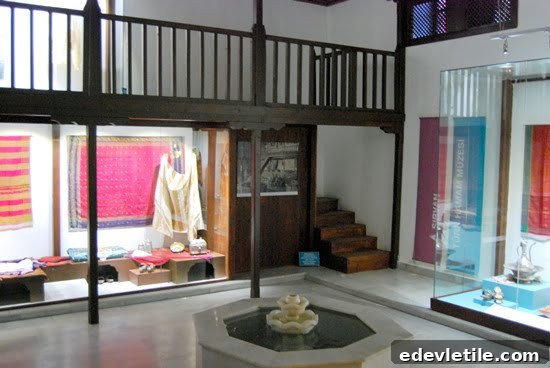
The museum displays period photographs on the walls and cabinets filled with donated objects: towels, combs, soap boxes, shaving implements and traditional clogs designed to prevent slipping on wet floors. One pair of wooden platform clogs brought to mind other historical footwear styles from different cultures.
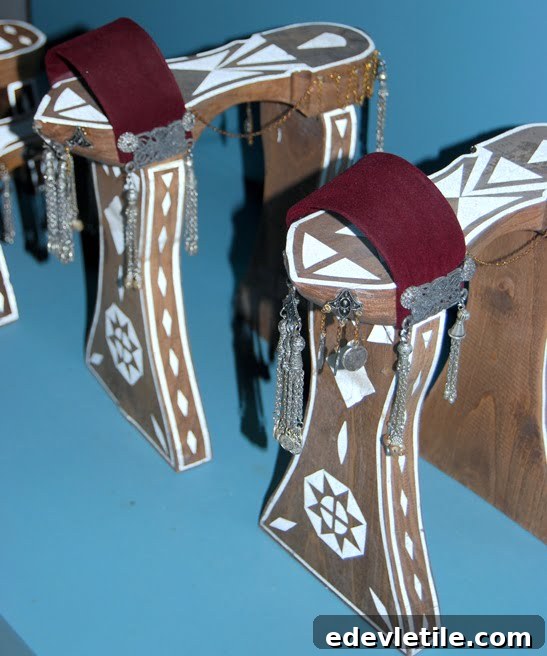
Climbing the narrow stairs into the steam rooms, I was struck by their modest dimensions. These were not the expansive, marble-centered chambers common in tourist-oriented hamams. Instead, the spaces were compact and designed for communal use: conversation, family visits and social interaction rather than private relaxation.
The hamam was built for social life, not solitude.
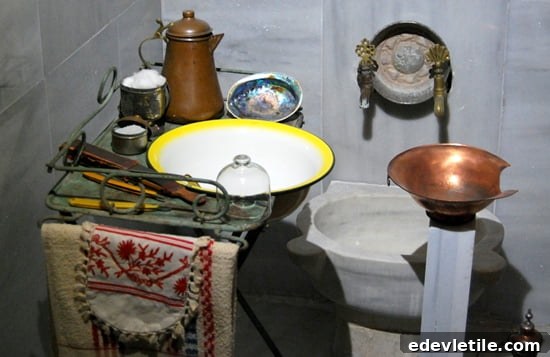
The museum’s purpose is to highlight local history, culture and tradition. It succeeded in prompting personal reflection: I recalled my early mistakes and cultural misunderstandings as a tourist, and how marrying into a Turkish family shifted my perspective and behavior.
Although I once dismissed the hamam as merely a novelty, seeing the artifacts and hearing local stories restored my appreciation for its role in communal life. The museum preserves those memories and helps visitors understand why hamams mattered to daily social routines for generations.
So, will I work up the nerve to join local women at a ladies-day hamam this year?
I’m undecided—I’ll report back if I do.
Reader question: Have you experienced a Turkish bath, and did you enjoy it?