
Turkey is a vast country with varied landscapes and climates. Snow blankets the mountains in the northeast, while sun-drenched beaches in the southwest fill with swimmers in summer. Its long, complex history has left deep culinary influences from many empires, dynasties and ethnic groups, creating a rich and diverse food culture that is a daily delight.
Kebabs are well known internationally, but they represent only a small slice of Turkey’s culinary diversity. Across the country you will find thousands of traditional dishes, many of which are strongly tied to particular regions and celebrated for their unique production methods, flavours and local ingredients. For food lovers, a regional culinary tour of Turkey is highly rewarding, though it would take months to taste everything.

Regional Food in Turkey
Aegean and Mediterranean: Olives, Fish, and Mezes
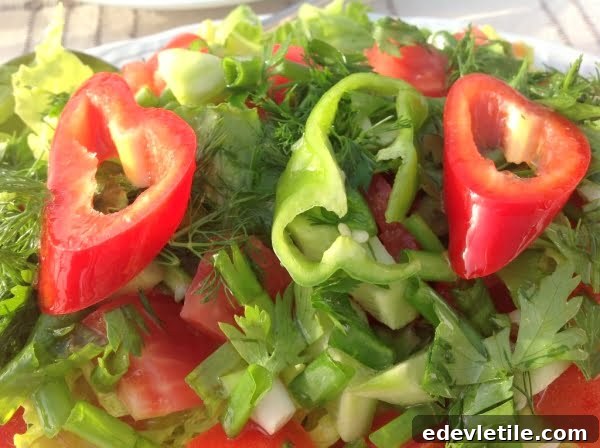
The Aegean and Mediterranean coasts share many culinary similarities with neighbouring Greece, a reflection of long-standing cultural exchange rather than culinary rivalry. The warm climate produces abundant vegetables, fruits and olives, supporting a healthy, vegetable-forward cuisine. Mezes—small dishes served as appetizers—are a staple here and pair perfectly with raki, Turkey’s anise-flavoured spirit. Fish and seafood are also central: fresh, affordable and simply prepared to showcase their quality.
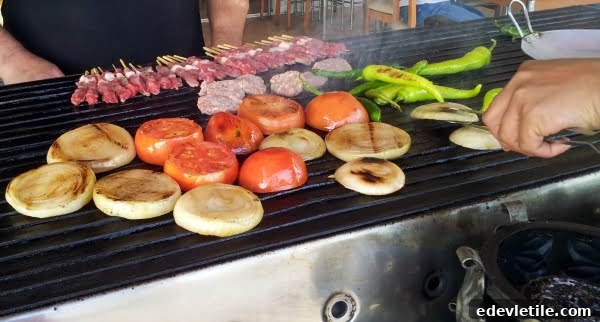
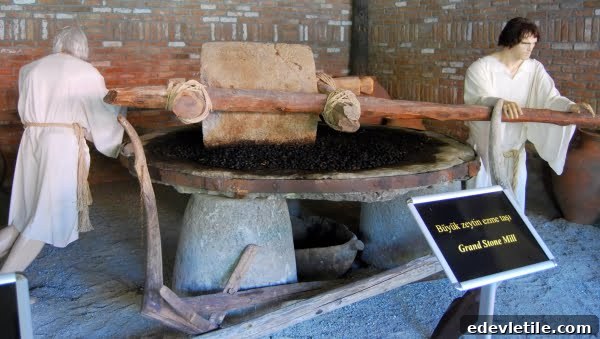
In towns like Soke, local streets are lined with restaurants specialising in çöp şiş—small skewers of slowly grilled meat served with onions, tomatoes, salads and ayran (a salted yogurt drink). They make a great quick snack and, eaten in quantity, a satisfying meal. Olives are abundant and are a key part of breakfast and cooking across the region; olive oil from the Aegean is highly prized and traditional harvesting methods remain common.
Coastal towns offer opportunities to buy freshly caught fish from anglers or even catch and grill your own on a summer barbecue. The Aegean/Mediterranean cuisine emphasises freshness, seasonal vegetables and simple preparations that let local ingredients shine.
North East: Anchovies, Cabbage, Tea, Hazelnuts, Honey & Cheese
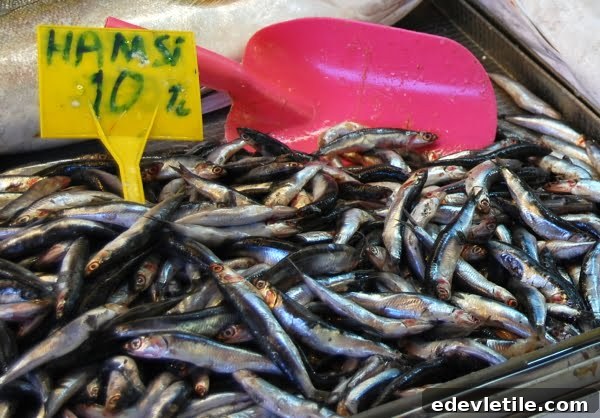
The Black Sea region has a distinct cuisine built around local staples. Hamsi (anchovies) are everywhere in late autumn and are used in many dishes—from fried or grilled to mixed into rice and even some desserts. Cabbage is another common ingredient, appearing in soups and sarma (cabbage leaves wrapped around spiced rice).
A beloved regional specialty is muhlama, a rich, cheese-forward dish similar to fondue made with cornmeal, butter and copious cheese—best eaten with fresh bread. The province of Rize is renowned for tea production; visiting tea gardens and the Çaykur factory offers insight into the region’s green plantations and tea culture.
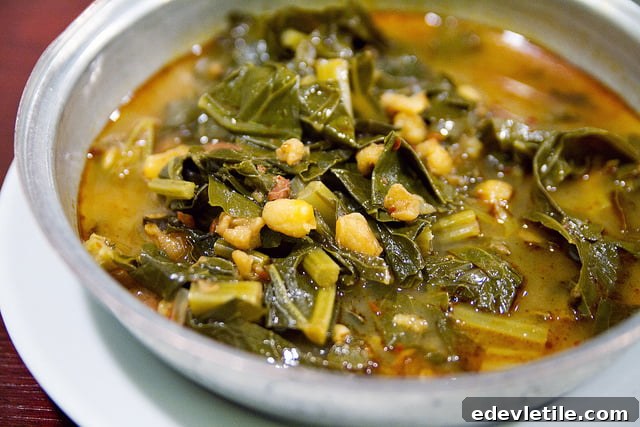
Further east, regions like Maçkahel produce prized honey using traditional beekeeping methods; honeycomb at breakfast is a local luxury. Kars is known for its cheeses, which are distributed across the country and carry a reputation for quality.

South East: Meat, Spices, Pistachio Nuts and Baklava
The southeast reflects Middle Eastern influences and a strong emphasis on meat dishes, often richly spiced. Gaziantep is famed for its pistachios and is a centre of culinary pride; these pistachios are an essential ingredient in the region’s exceptional baklava. Paca beyran, a hearty soup of meat, broth, garlic and chilli, is commonly enjoyed for breakfast or after late nights.
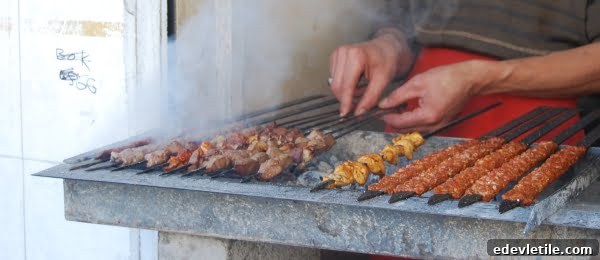
Local specialties can be surprising: dishes prepared from offal, such as dalak (lamb’s spleen), are popular in some areas and may win over skeptical palates. Stuffed lamb ribs (kaburga dolması) and other slow-cooked lamb preparations showcase local techniques, though quality can vary by kitchen.

Central Anatolia
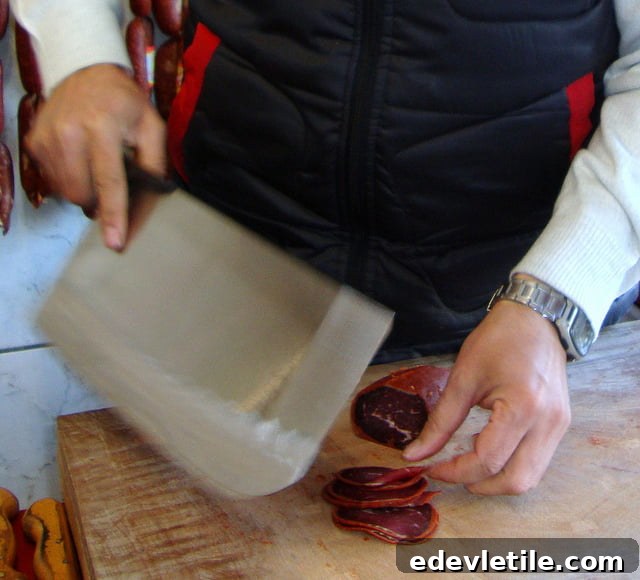
Central Anatolia includes Cappadocia, Konya, Kayseri and Beypazarı. Kayseri is famed for mantı—tiny dumplings filled with spiced meat, topped with yogurt, melted butter and chili flakes—and for pastırma, an intensely seasoned air-dried beef sold in specialist shops. Cappadocia is known for testi kebabı, a slow-cooked stew sealed in a clay pot and opened at the table by breaking the vessel, revealing tender meat and vegetables.
Beypazarı celebrates humble local produce such as carrots—sold as local delights, juices and sweets—and its signature kuru breadsticks, which gain distinctive flavour from specific baking conditions and timing. Traditional home-style bakeries and family-run restaurants preserve these regional tastes.

Restaurant recommendation for Beypazarı: Fatma Teyze – a local cook whose regional dishes and traditional approach have earned a strong reputation.
Istanbul
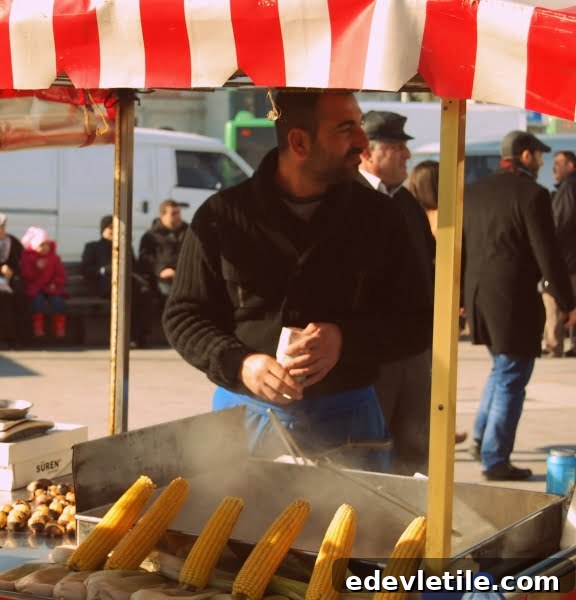
Istanbul, straddling Europe and Asia, reflects centuries of culinary exchange. Street food is an excellent entry point: the floating fish stalls by the Galata Bridge sell affordable fish sandwiches and salads often paired with ayran. Seasonal street offerings include roasted corn and chestnuts or hazelnuts in winter. For authentic lokum (Turkish delight), there are long-standing family shops in the city that preserve traditional recipes from the 18th century.
Some Istanbul specialties are divisive: for example, the Taksim “wet burger” is steamed and heavily sauced, producing a soggy bun that some travellers adore and others dislike. Exploring the city’s markets, fish stalls and family-run sweet shops reveals a wide range of authentic flavours and regional influences.

Question: Can you suggest more regional foods to add to the list?

Turkey’s regional cuisine is vast and varied, from coastal mezes and fresh fish to hearty mountain soups, tea culture in the northeast, pistachio-rich desserts in the southeast and time-honoured Anatolian specialties. Each region offers distinct ingredients, techniques and traditions—making Turkey a richly rewarding destination for anyone who loves food.
(Picture credits: Testi kebab, Black cabbage soup, Muhlama)