Turkish Pide: Global Plate Challenge Recipe Guide
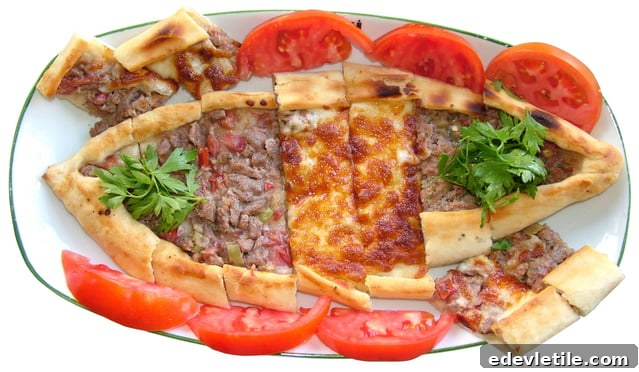
Last week I discovered Expedia’s World on a Plate Challenge and decided to take part. Every month the challenge highlights a different country and invites bloggers to prepare a dish from that destination. For April the featured country was Turkey, so I chose to try making Turkish pide.
I don’t usually cook much. As a single person, it’s often cheaper and easier to order delivery or visit my local Turkish lokanta (a restaurant serving traditional Turkish dishes). For example, recently I ordered tripe soup with a large slab of melted cheese bread and a salad for only 10 lira (around $3.50 / £2.50) including delivery.
Despite not cooking often, I’ve had some baking successes over the years — lemon meringue pie, fudge and even doughnuts — so I figured switching from sweet baking to savory cooking couldn’t be too hard. I found a recipe for Turkish pide on Ozlem’s Turkish Table and decided to give it a try.
What is Turkish Pide?
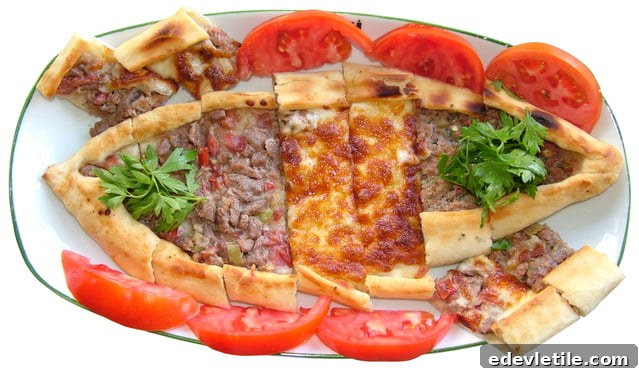
Turkish pide is often described as the Turkish equivalent of pizza: a flat bread with toppings. The dough is usually thinner than typical pizza dough and some toppings — like an egg or spiced minced meat — may seem unusual to newcomers. I won’t reproduce Ozlem’s recipe here, but her site shows a clear example of how pide should look and offers detailed instructions if you want to try it yourself.
Making Turkish Pide
1st Step: The Dough
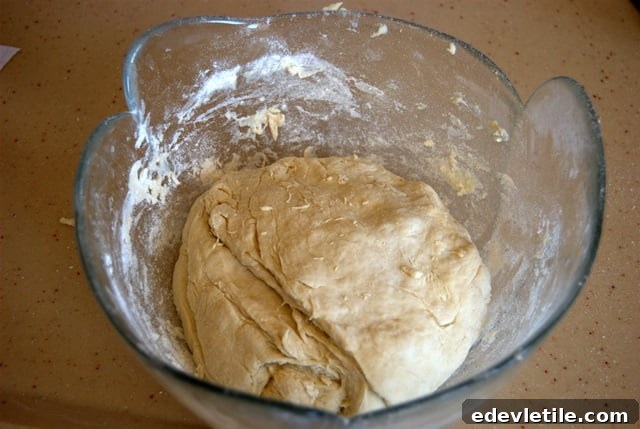
The dough recipe looked straightforward: flour, salt, water, olive oil and yeast (maya). I’ve had success with yeast before, but this time it took several attempts before the yeast froth appeared. It was a frustrating start, but eventually the dough came together.
2nd Step: The Topping
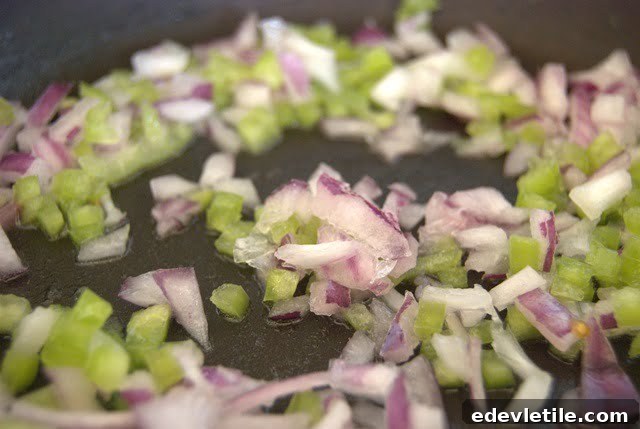
The topping preparation was simple: finely diced onions and peppers to sauté. I used red onion because the supermarket white onions didn’t look great. After softening the onion and peppers, I added diced, de-seeded tomatoes and a teaspoon of lemon juice, then mixed the vegetables with minced beef (though lamb is a traditional choice).
The lemon juice surprised me, but it helps break down the meat slightly, changing its texture and color to a pinkish tone.
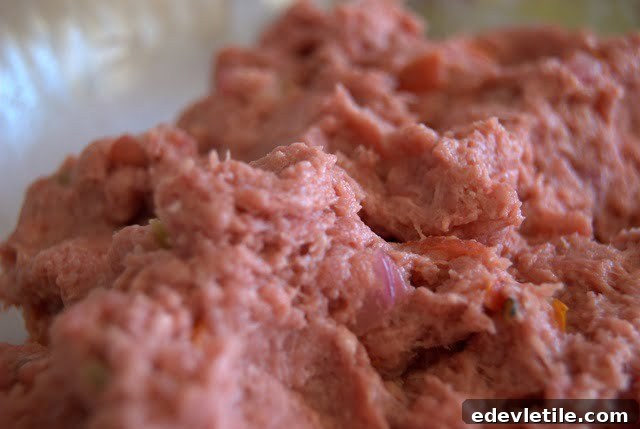
3rd Step: Putting It All Together
Shaping the pide was enjoyable. I rolled the dough into the traditional elongated paddle shape, folded the sides over and pinched the ends to form the classic boat-like crust. I spread the topping over the dough — though I forgot to brush the crust with beaten egg — and baked it in the oven for 30 minutes at 180°C (350°F).
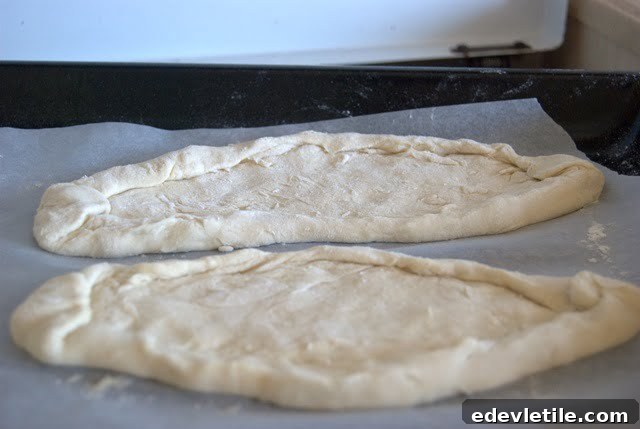
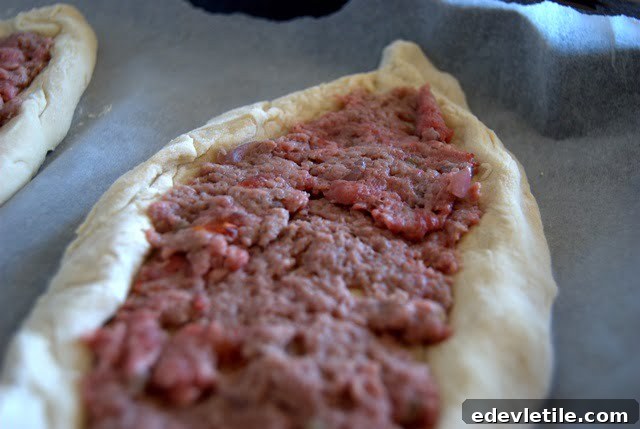
Ta da — I actually cooked something. But how did it taste?
Right after taking it out of the oven I realized it wouldn’t rival my local take-away. The meat had shrunk away from the edges and lost some tenderness, and the dough was bland and a bit gooey in the center. I ate reluctantly and then went to a nearby bar to commiserate. There the bar owner explained a key point I hadn’t considered: most Turks don’t bake pide at home in a domestic oven.
“It is all about the oven,” he said.
“You need one of those big wood-burning, old-fashioned ovens.”
He was referring to the traditional stone or wood-fired pizza-style ovens where pide is slid in on wooden paddles. Many people prepare the filling at home and then take it to a pide shop to be baked — often for as little as 1.50 lira a slice. Learning that made me feel better: my result wasn’t just about technique, it was about equipment and tradition.
Could someone who makes doughnuts and sweet pies match the skill of an expert pide maker who grew up with the dish? Probably not on a first try. Still, the experience was educational and enjoyable, and it increased my respect for cooks who make pide professionally.
PS: Attempting to cook or bake while photographing and writing about it is much harder than it looks. Hats off to food bloggers — I have new appreciation for the work involved. For now, I’ll stick to travel blogging and occasional kitchen experiments.
Afiyet olsun!