Winter Travel in Turkey: Top Destinations, Sights & Practical Tips
From snow-covered valleys in Cappadocia to a wintery Istanbul, cozy cabins along the Black Sea, and affordable ski resorts, visiting Turkey in winter uncovers a magical side of the country that many travelers miss. This guide shares what we’ve learned after several winters exploring Turkey and highlights why the season suits every type of traveler—whether you want a peaceful cabin retreat or an active ski holiday.
We cover practical travel tips, typical winter weather, top destinations to visit in winter, and things to do across the country. Bundle up and get ready—Turkey’s winter season is waiting.
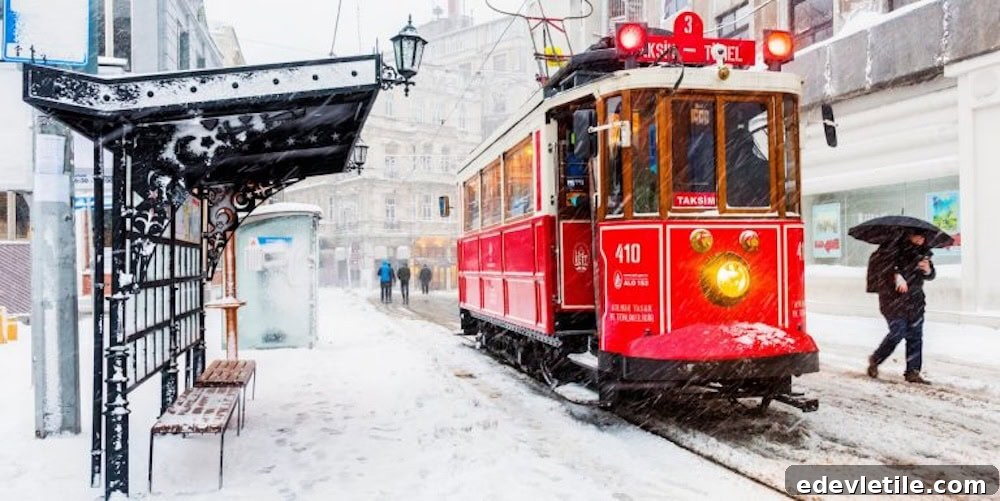
Winter Weather in Turkey: What to Know Before Your Trip
Traveling to Turkey in winter is rewarding but requires a bit of planning. Weather varies widely across the country due to its size and geography. Below are key points to help you prepare.
How cold does it get in Turkey?
Turkey stretches roughly 1,650 km (1,000 miles) from west to east, so temperatures differ significantly by region. Coastal cities on the Aegean and Mediterranean stay relatively mild, while eastern and inland areas can be bitterly cold.
For example, winter in Izmir is mild, often ranging from about 7 to 15 °C (45 to 60 °F). In contrast, Kars in the far east frequently sees temperatures around -15 to -2 °C (5 to 28 °F). The country’s record low is an extreme outlier; most travelers will experience far less severe conditions.
If you plan to visit popular destinations like Istanbul, Cappadocia, or İzmir, refer to the monthly weather chart below for typical averages.
Does it snow in Turkey?
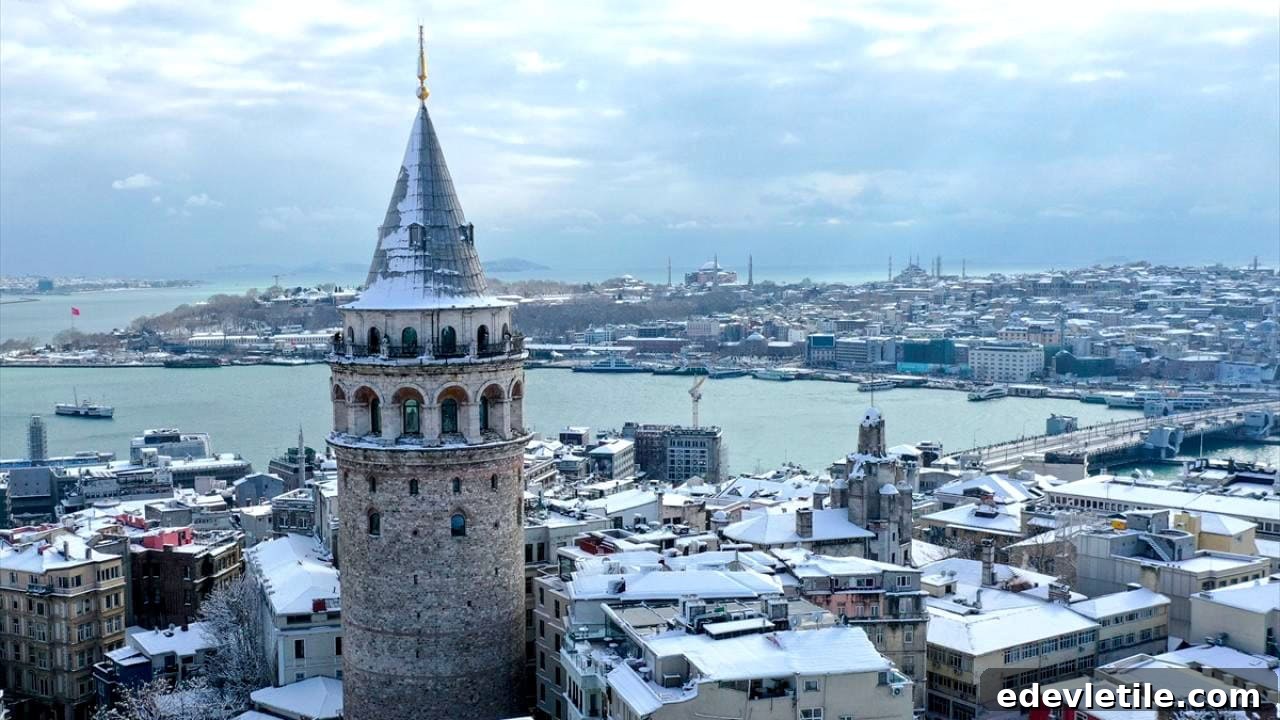
Yes—snow is common in Eastern Anatolia and the Black Sea region, but it can fall almost anywhere in Turkey when conditions permit. Even Antalya and Muğla experienced snowfall in 2022. Istanbul often sees light snow between December and February, though heavier snowstorms occur occasionally.
If you want a mild winter with a chance to enjoy light snow and festive decorations, Istanbul is a great choice.
Weather in Turkey by Month
The table below summarizes average winter temperatures in several cities. Each cell lists three values: daily maximum, daily average, and daily minimum.
| December | January | February | |
|---|---|---|---|
| Istanbul | 10.4 °C (50.7 °F) 7.8 °C (46 °F) 5.5 °C (42 °F) |
8.5 °C (47.3 °F) 5.8 °C (42.4 °F) 3.5 °C (38.3 °F) |
8.7 °C (47.7 °F) 5.5 °C (41.9 °F) 2.9 °C (37.2 °F) |
| Cappadocia | 6.5 °C (43.7 °F) 0.8 °C (33.4 °F) -3.6 °C (25.5 °F) |
4.6 °C (40.2 °F) -1.0 °C (30.2 °F) -5.4 °C (22.3 °F) |
6.6 °C (44 °F) 0.5 °C (33 °F) -4.5 °C (24 °F) |
| Antalya | 16.7 °C (62.1 °F) 11.4 °C (52.5 °F) 7.5 °C (45.5 °F) |
15 °C (59 °F) 9.8 °C (49.6 °F) 5.9 °C (42.6 °F) |
15.9 °C (60.6 °F) 10.8 °C (51.4 °F) 6.5 °C (43.7 °F) |
| Izmir | 14 °C (57 °F) 10.5 °C (51 °F) 7.7 °C (45.8 °F) |
12.7 °C (55 °F) 9 °C (48.2 °F) 6 °C (43 °F) |
14 °C (57.2 °F) 9.9 °C (50 °F) 8.6 °C (47.5 °F) |
Pros & Cons of Visiting Turkey in Winter
Weighing the advantages and drawbacks can help you decide whether winter travel to Turkey fits your plans.
| PROS | CONS |
|---|---|
| Fewer crowds: Tourist sites are much quieter after the high season.
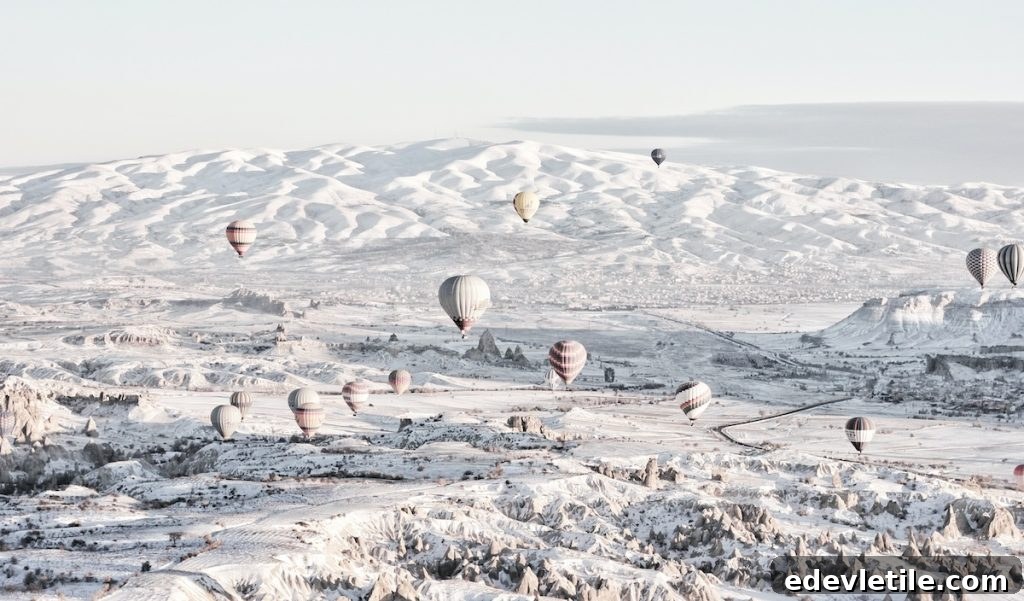
Lower prices: Hotels and flights often drop significantly in price. Unique experiences: See Istanbul dusted with snow or float above Cappadocia in a hot air balloon during snowfall. Great ski options: Winter is perfect for budget-friendly ski trips and winter festivals. |
Unpredictable weather: Snow and storms vary year to year, which can affect plans.
Shorter days: Daylight hours are reduced, so plan daytime activities accordingly. Not a beach season: Coastal waters are too cold for swimming in most places. |
Practical Winter Travel Tips for Turkey
Note that extreme weather can occasionally disrupt flights and ferries. Check schedules before travel, and allow extra time for connections during snow or storms.
Plan activities with shorter daylight hours in mind—many attractions close earlier in winter. If you can’t fit everything into daytime hours, look for evening tours and experiences.
Pack waterproof boots and warm layers. Turkish winters tend to be wet, and snow or slush is common in many areas. Verify that your accommodation has adequate heating by reading reviews, especially for budget hotels.
Best Places to Visit in Turkey in Winter
Each region offers distinct winter experiences: vibrant city life in Istanbul, mild coastal escapes along the Mediterranean and Aegean, snowy landscapes in the east, and lush, misty forests on the Black Sea coast. Below are standout destinations to consider.
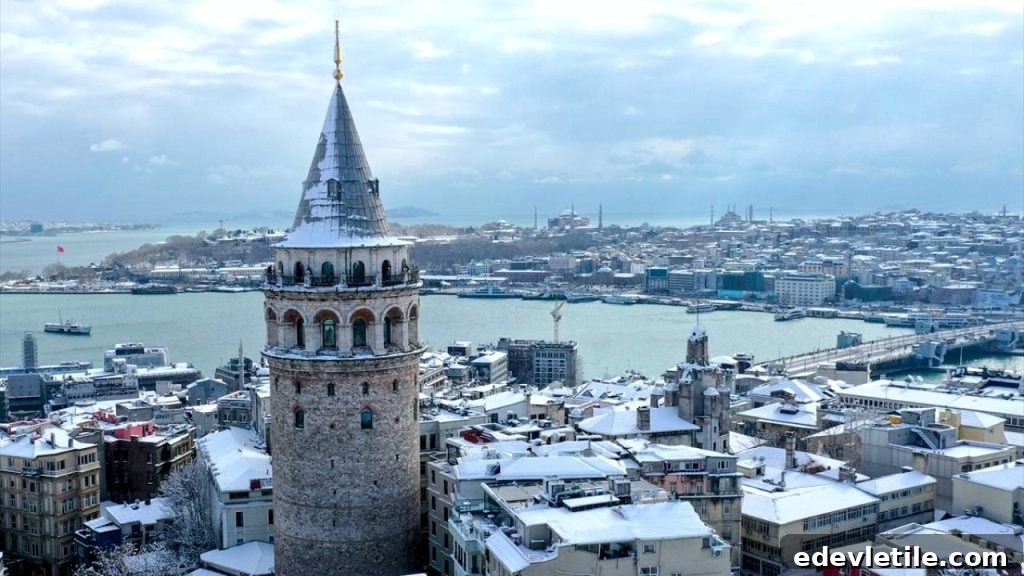
Must-Visit Turkish Cities in Winter
Istanbul — A year-round city that shines in winter with festive displays, seasonal sales, and the chance of snow. Winter also means smaller crowds at major attractions.
Bursa — Combines cultural sites with nearby Mt. Uludağ ski slopes. The cable car to the mountain provides spectacular views and easy access to skiing.
Cappadocia — Snow transforms the fairy-tale valleys into a magical scene. Hot air balloon flights operate when wind conditions allow, and nearby Erciyes ski resort offers additional winter activities.
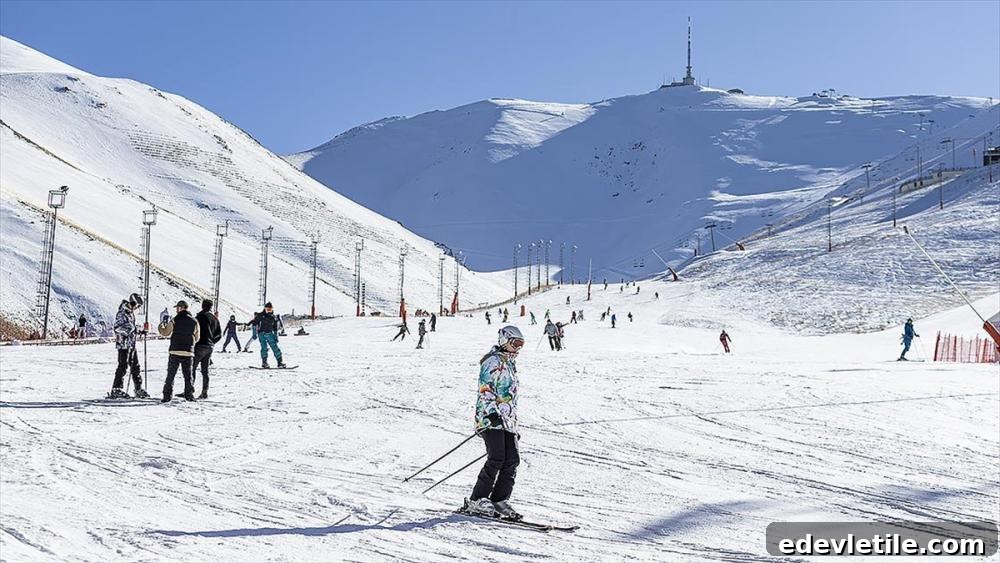
Where to Go Skiing in Turkey
Palandöken (Erzurum) — Known for excellent snow quality and a variety of runs across nearly 30 km of slopes.
Uludağ (Bursa) — Popular due to its proximity to Istanbul, with multiple lifts and slopes between 1,700 and 2,300 meters.
Erciyes (near Cappadocia) — A less crowded option with about 55 km of slopes, including extensive intermediate and advanced terrain.
Kartalkaya — A Black Sea region favorite and a common weekend escape from Istanbul, with well-maintained tracks and winter events.
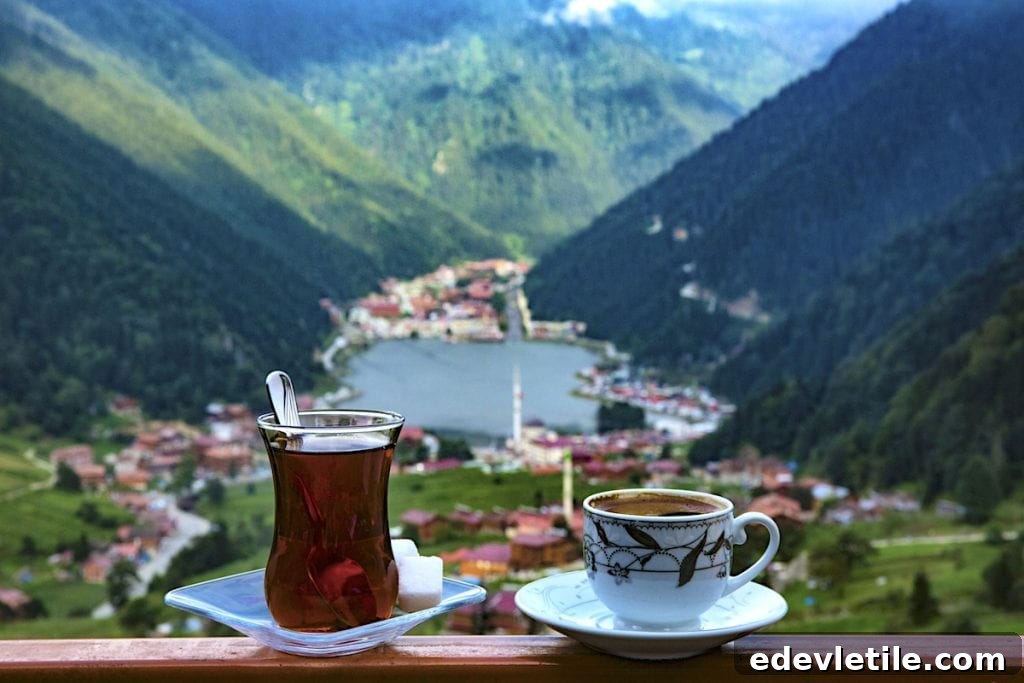
Best Nature Destinations in Winter
Trabzon — A cozy coastal city on the Black Sea and gateway to natural sites like the dramatic Sumela Monastery perched on a cliff.
Rize — Turkey’s tea capital, with misty plantations and high plateaus that feel idyllic in snow. The region offers cozy cabins and scenic views.
Uzungöl — A small lakeside town famed for its serene winter atmosphere, local cafes, and traditional treats like salep.
Sapanca — Less than two hours from Istanbul, Sapanca is known for its lake, fresh air, and charming cabins—perfect for a short winter getaway.
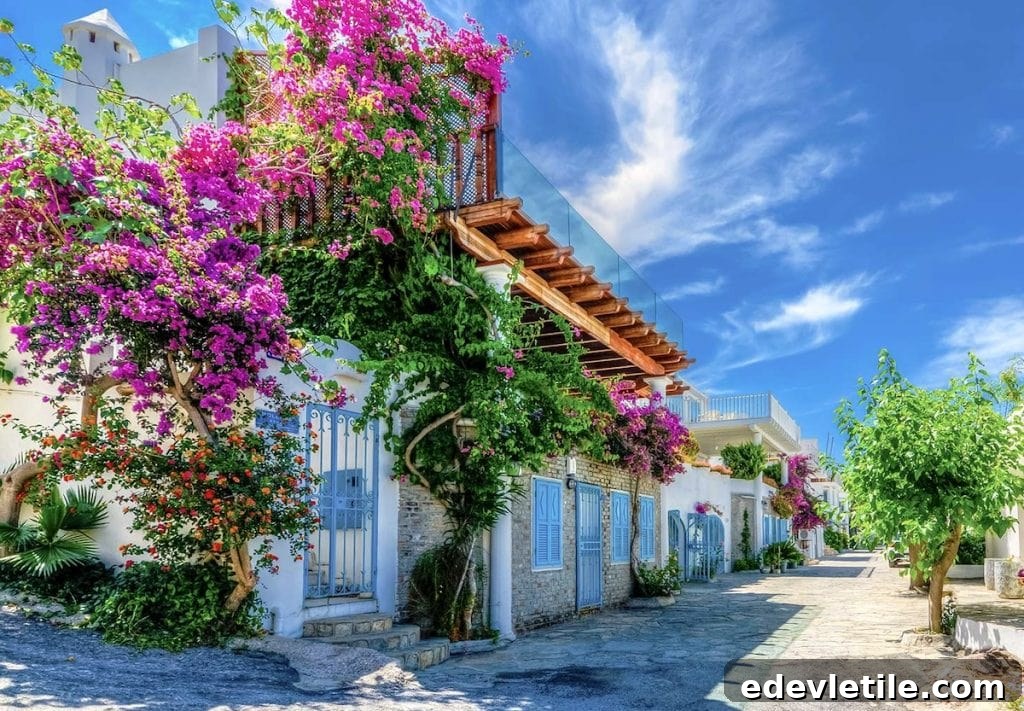
Warm Destinations in Turkey During Winter
Antalya — A coastal city that stays relatively mild in winter, with open attractions, an atmospheric old town, and coastal drives to explore nearby towns.
Fethiye — Calmer in winter, offering local markets, a quiet harbor, and scenic walks around Kayaköy when the weather allows.
Bodrum — Quieter in winter but still charming, with historical sites and the option of a short ferry ride to Kos, Greece when schedules run.
Izmir — Known for its relaxed seaside vibe and pleasant winter temperatures, Izmir is ideal for strolling promenades and enjoying coastal cafes.
What to Do in Turkey in Winter
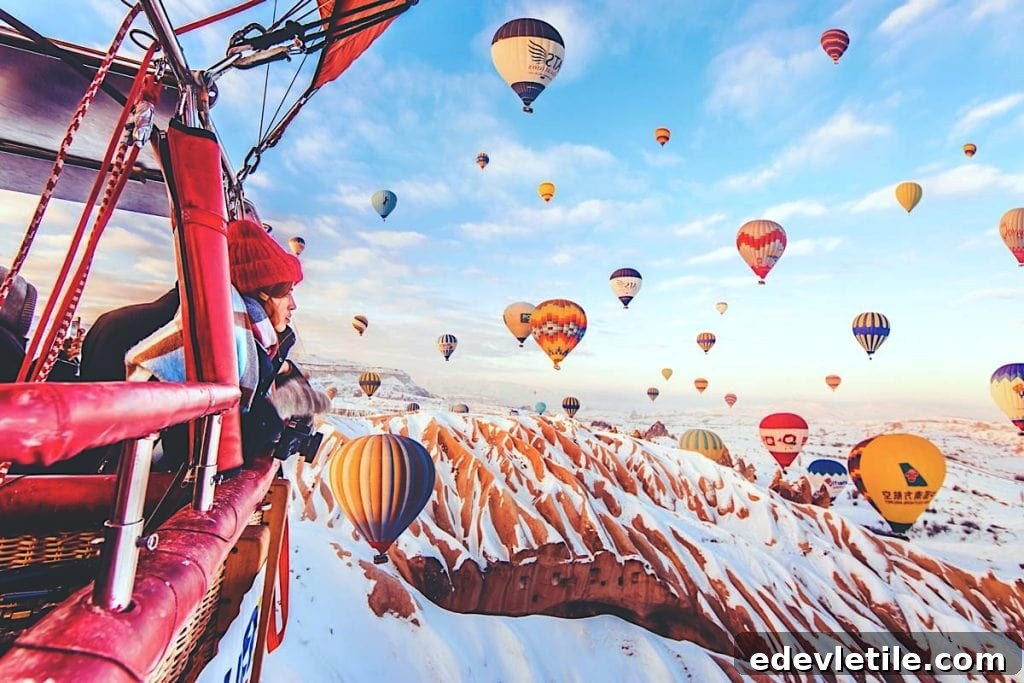
Hot air balloon ride in Cappadocia — On calm days, balloons fly year-round. Seeing snow-dusted fairy chimneys from above is an unforgettable experience.
New Year’s Eve on the Bosphorus — A Bosphorus cruise at New Year’s offers dramatic fireworks and a festive atmosphere for ringing in the new year.
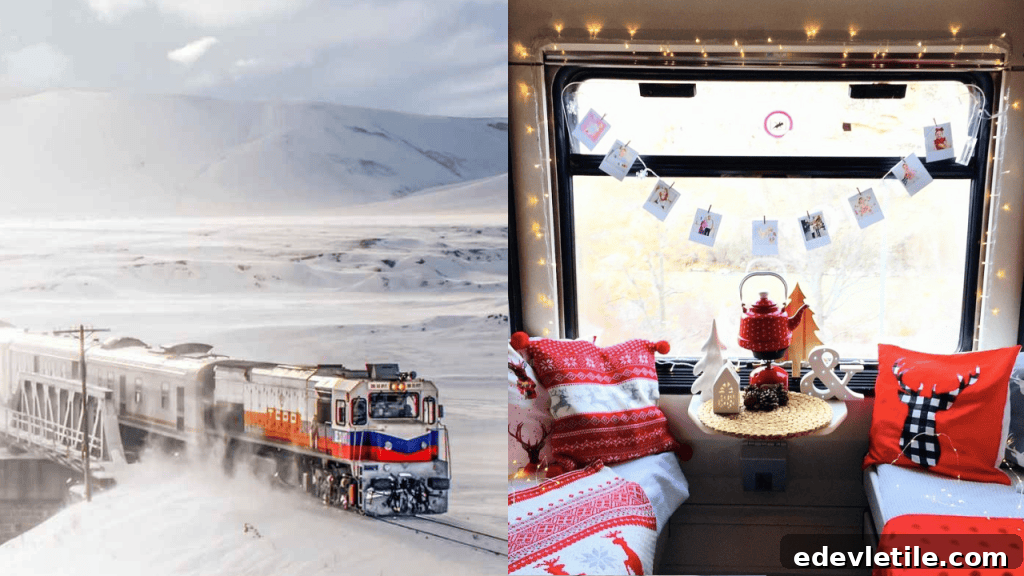
Dogu Express (Eastern Express) — For a true winter adventure, the long train journey from Ankara to Kars traverses vast snowy landscapes and stops at small towns along the way.
Thermal spas and hamams — Warm up in natural thermal spas across Turkey or enjoy a traditional Turkish bath (hamam) for a restorative winter experience.
Rent a cozy cabin — Cabins and chalets around Sapanca, the Black Sea, and other regions offer fireside comfort and snowy views for a relaxing winter escape.
Try seasonal drinks — Enjoy salep (a warm, cinnamon-topped orchid-based drink) or boza (a thick fermented grain drink), both classic winter favorites sold in many cafes.
FAQs – Winter in Turkey
How cold is winter in Turkey?
Temperatures vary widely. Istanbul and coastal cities are generally mild, while interior and eastern regions can be freezing. Cappadocia experiences daytime averages near 0–10 °C (32–50 °F) with subfreezing nights; Kars and similar eastern towns get much colder.
Which part of Turkey is warmest in winter?
The southern and southwestern coastal areas—especially Antalya, Alanya, and parts of the Aegean coast—usually have the mildest winter temperatures.
Which part of Turkey is the coldest in winter?
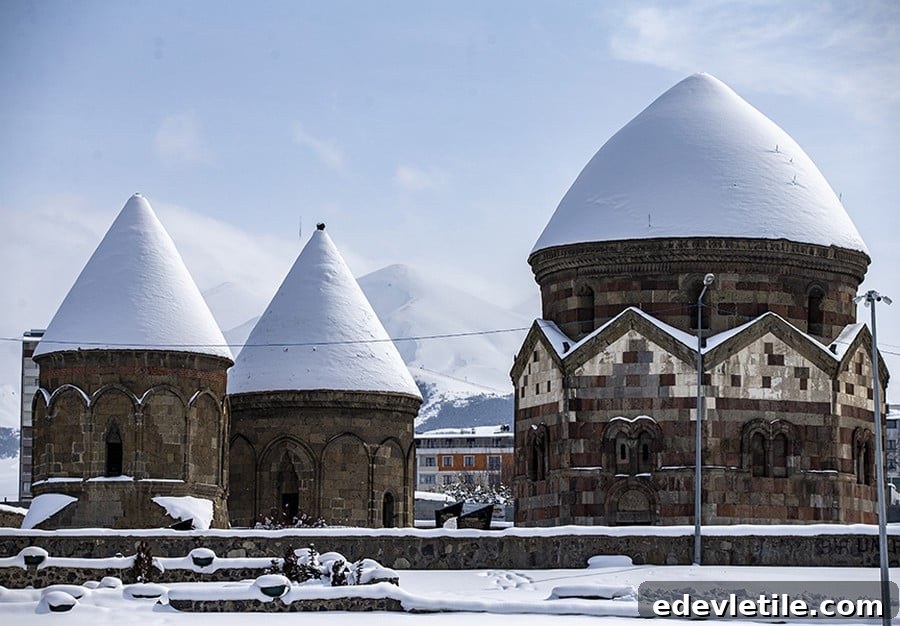
The northeast and far east—cities like Kars, Erzurum, Ardahan, Ağrı, and Sivas—experience the harshest winters and lowest temperatures.
What is the winter capital of Turkey?
Bursa is often called Turkey’s winter capital because it combines city attractions with close access to Uludağ ski slopes and nearby thermal springs.
How long is winter in Turkey?
Winter officially covers December, January, and February, though snow timing and severity depend on the region. Eastern areas often have longer, harsher winters.
Is there skiing in Turkey?
Yes—Turkey has numerous ski resorts. Popular options include Uludağ (Bursa), Palandöken (Erzurum), and Erciyes (near Cappadocia), each offering a range of slopes for different skill levels.