Celsus Library in Ephesus: Turkey’s Majestic Ancient Architecture
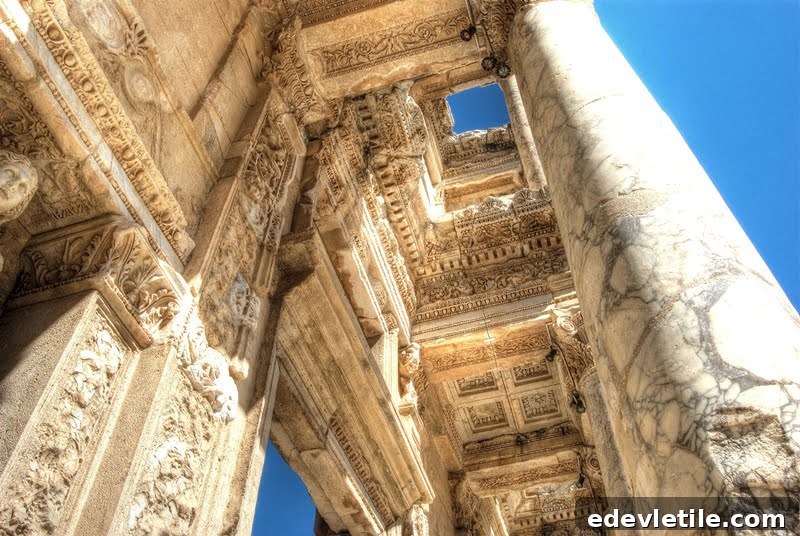
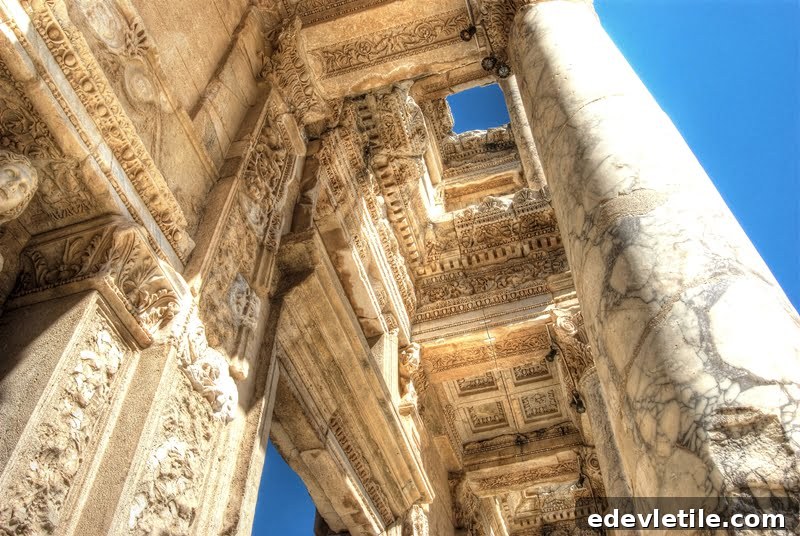
The Celsus Library in Ephesus is one of Turkey’s most photographed ancient monuments. Located in the ruins of the ancient city on the Aegean coast near the Kusadası resort and Selçuk in İzmir province, the library attracts visitors for its striking façade, historical importance, and refined architectural detail. Living nearby and studying Turkey’s past has deepened my appreciation for these excavations; the Celsus Library, though only one part of Ephesus, deserves focused attention.
About the Celsus Library in Ephesus
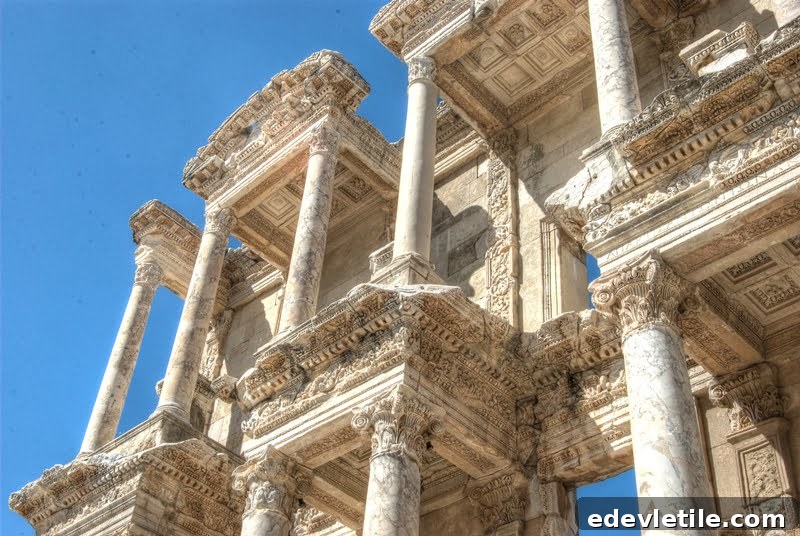
On early visits the library’s façade delighted me, but it was only after several returns and deeper reading that I truly understood its significance. Learning the history and architectural details beforehand changes the experience: the façade, proportions, and decorative program gain new meaning. If you plan to visit Ephesus without a guide, I recommend reading a reliable guidebook or using the audio guide available at the entrance to fully appreciate what you are seeing.
When was the Celsus Library built?
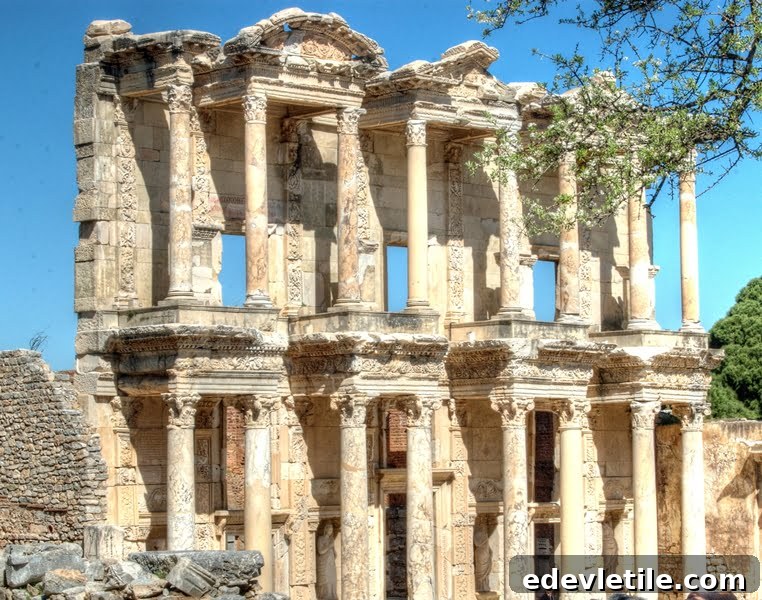
The Celsus Library was completed around 135 AD. It was commissioned by Gaius Julius Aquila in memory of his father, Tiberius Julius Celsus Polemaeanus, who served as a governor of the Roman province of Asia. The Celsus family’s wealth and civic status enabled the construction of such an ornate building. The library once held up to 12,000 scrolls, making it one of the most important libraries of the ancient world and a major intellectual center in Roman Asia.
Statues and the Sarcophagus
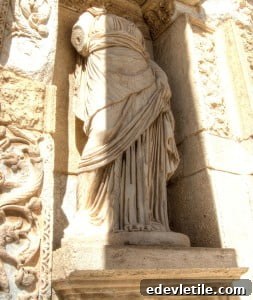
Approaching the façade by climbing nine steps, visitors see four niches that once held statues representing abstract virtues—wisdom, knowledge, virtue, and judgment. The original sculptures are now in museums, with replicas or later restorations occupying the niche spaces at the site. Beneath the library, Celsus was entombed in a marble sarcophagus, reportedly around 2.5 meters long and decorated with reliefs such as Medusa, Nike, and Eros. Although some guidebooks have mentioned access to the burial chamber, visitors generally cannot enter; descriptions vary depending on restoration and archaeological practice.
Inside, the building is much smaller than the impressive exterior suggests. The interior hall is more intimate yet architecturally significant, reflecting Roman library planning and the importance of monumental façades in signaling cultural prestige.
More about the Ephesus Ancient City Ruins
The Celsus Library is one highlight among many in Ephesus. The Roman Terrace Houses offer an intimate glimpse into elite domestic life, with well-preserved mosaics, frescoes, and room layouts that reveal how wealthy residents lived. The Ancient Grand Theatre towers over the city and is historically significant as the site where Saint Paul spoke and where the Artemis-related riots took place, as recorded in the New Testament. The theatre also hosted public spectacles in antiquity, including gladiator shows and animal fights, which colors its history with both cultural achievement and cruelty.
Ephesus as a whole is one of Turkey’s premier archaeological sites—comparable in national importance to the pyramids in Egypt or the Colosseum in Rome. Millions of visitors pass through its gates each year to walk marble streets, explore temples and baths, and stand before monumental façades like that of the Celsus Library. While the façade often dominates photographs, taking time to study the surrounding ruins, museums, and interpretive materials will give a fuller, richer sense of life in this major city of the ancient world.