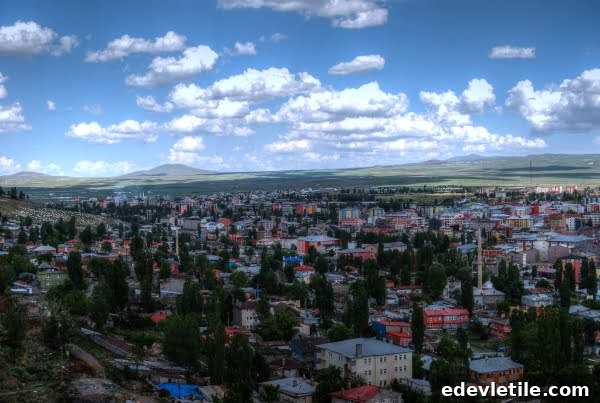
Kars was a stop on my journey from the north to the east of Turkey. Before I left, I told two Turkish friends about my plan: a one-day guided tour of Kars followed by three days exploring on my own.
Their reaction surprised me: astonished expressions and warnings.
“You cannot stay in Kars alone,” they said. “You will never come back.”
I wondered what they knew that I didn’t. Was Kars dangerous or isolated? Their comments kept coming without explanation.
“It is a horrible city and you won’t come back,” they insisted.
When I asked whether they had actually visited, it turned out neither had ever been near Kars. Their warnings reflected hearsay rather than experience. I later learned many Turks share similar preconceptions about the city. Perhaps it’s the tangled mix of cultural and historical identities that puts people off, but for me that complexity only made the visit more rewarding.
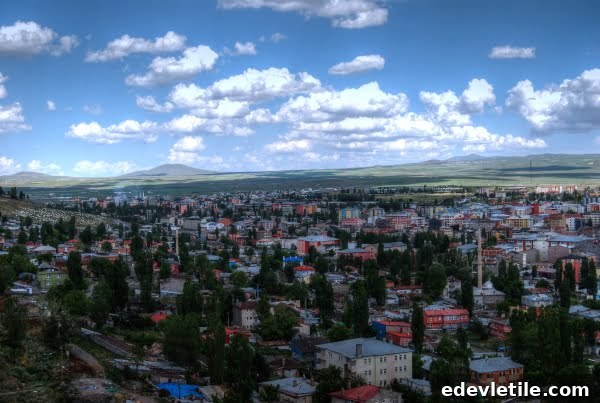
Kars and Its Russian Past
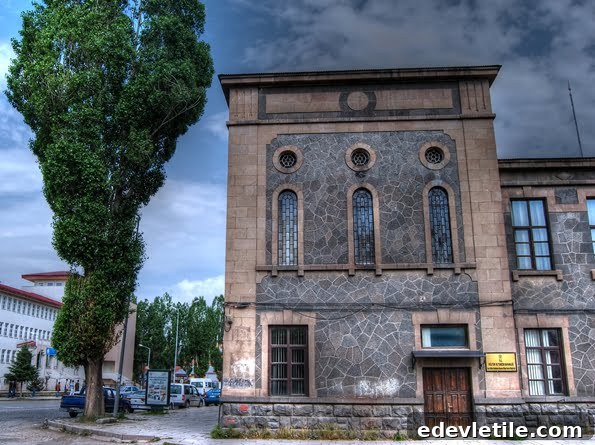
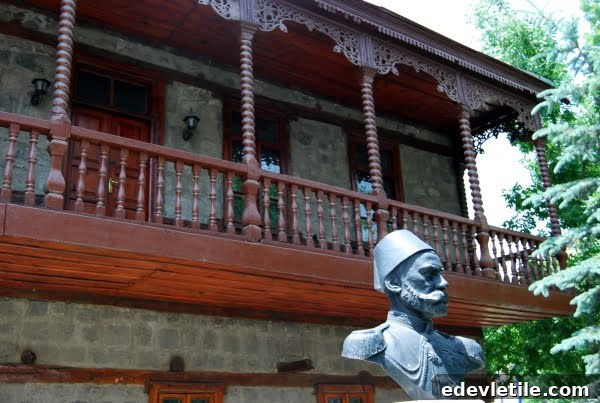
Kars has long historical ties to Russia. The Russian Empire captured the city from the Ottomans in 1828, lost it, and then took it again in 1878. After World War I the city passed to Armenian administration for a period before becoming part of the modern Turkish Republic. In 1945 the Soviet Union made a diplomatic push to regain influence in the region but did not succeed. Today the Russian influence is most visible in the architectural style of many preserved older buildings.
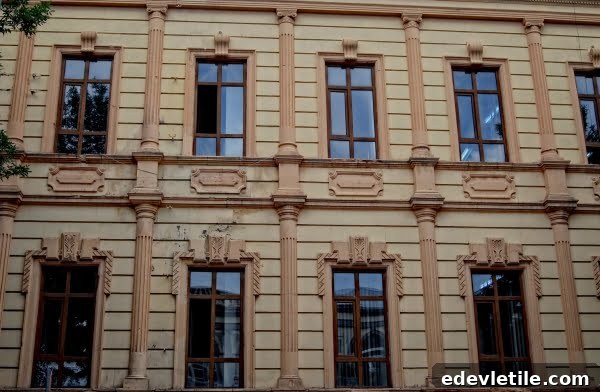
I was told more about the Russian presence could be found at the Gazi Ahmet Muhtar Paşa house museum, but despite visiting three times it was closed on each occasion.
The Armenian Historical Connection
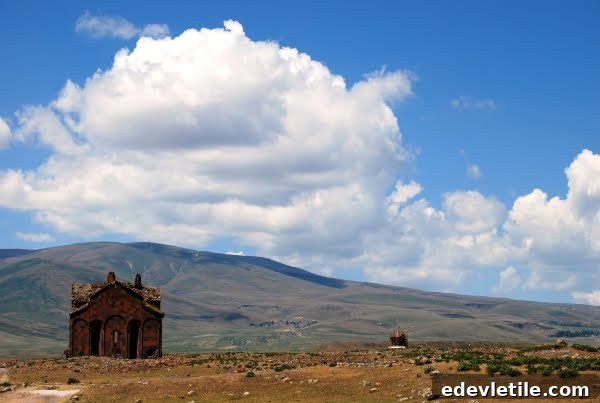
Kars lies relatively close to the border with Armenia and is often overlooked by mainstream travel guides. That’s unfortunate because it is the nearest base for visiting the ruins of Ani, the medieval Armenian city known for its many churches. The ruins are not as monumentally restored as some well-known sites like Ephesus, but they are impressive and evocative, and worth the trip.
Part of the reason Ani and eastern Turkey receive less attention is the country’s tourism focus on western coastal resorts. Political tensions between Turkey and Armenia also contribute to the lower profile of these historic sites.
Azerbaijani Presence and Local Character
Aside from an overly persistent taxi driver, I found Kars residents warm and welcoming. Younger people in the city displayed modern fashion—tight jeans, high heels, and branded T-shirts—contrasting with the more conservative dress I had expected in the east.
Some locals stood out because of their distinctive facial features: sharply defined faces, striking eyes and generally lighter skin paired with dark hair. It was a subtle difference that many first-time visitors to Turkey might not notice, but it was unfamiliar compared with the typical features I’d seen elsewhere in the country.
Initially I assumed these features reflected the city’s Russian or Armenian past. During a conversation at a stationery shop I asked about the town’s ethnic mix and learned that many Azerbaijanis live in Kars—some cross the nearby border to work, while others have Azerbaijani ancestry. This presence adds another layer to the city’s cultural diversity, complementing the visible Russian and Armenian influences in architecture and history.
Understanding Kars Today
The history of Kars is a complex weave of Russian, Armenian, Azerbaijani, Kurdish and Turkish influences, shaped by shifting borders and conflicts. Despite that tangled past, Kars today is peaceful, culturally rich, and well worth visiting. If someone advises you not to go, take that opinion with a grain of salt—Kars is not an ominous backwater but an intriguing destination with much to offer.
Further Reading
- Writer Merve Buşra Öztürk examines Kars’s cultural richness as a border city.
- Pat Yale argues that negative perceptions of Kars stem partly from Orhan Pamuk’s novel “Snow” and recommends visiting, listing things to do in the city.
- Read the plot summary of “Snow,” the novel set in Kars, to understand its literary influence on the city’s image.