Kasimiye Medresesi, Mardin: Exploring the Historic Islamic School
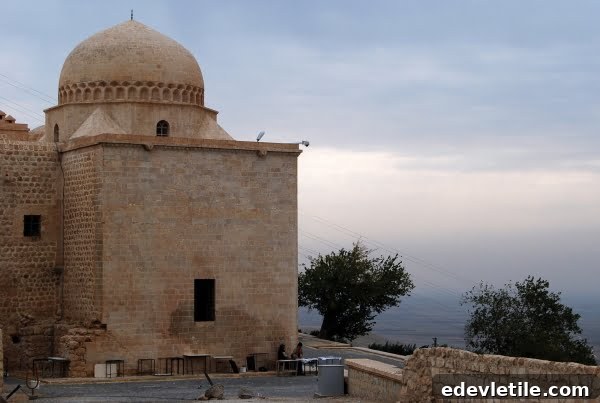
Kasimiye Medresesi stands on the edge of old Mardin, overlooking the flat plains of Mesopotamia. Completed in 1502, the complex is remarkably well preserved for its age and offers a clear window into Ottoman-era architecture and learning.
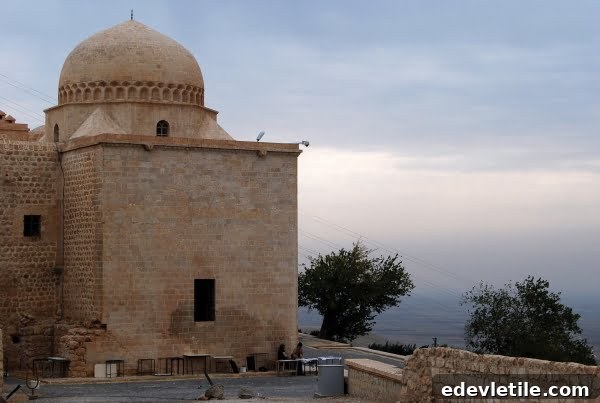
We reached the medrese after a short downhill walk. The street was quiet and the large wooden door was locked when we arrived, so we waited for the custodian to open it.
An elderly man, likely in his eighties, appeared with a large black metal key. His movements were deliberate as he turned the key and unlocked the heavy door.
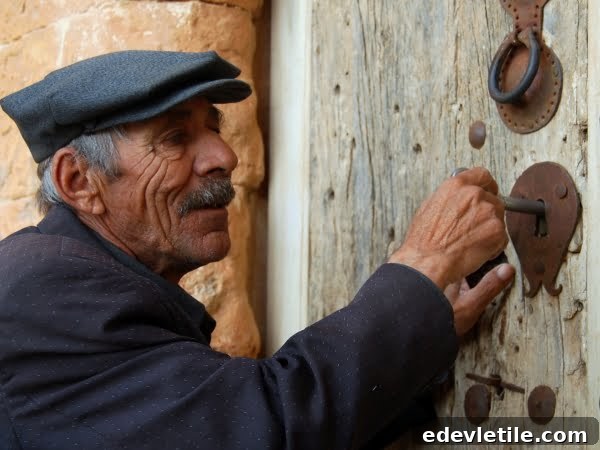
As he opened the entrance, he explained an old custom from when the medrese was fully active: visitors followed a strict knocking protocol. Women would tap the knocker near the bottom of the door while men would lift and tap the top part. The two sounds signaled the visitor’s gender so the door could be opened by someone of the same sex.
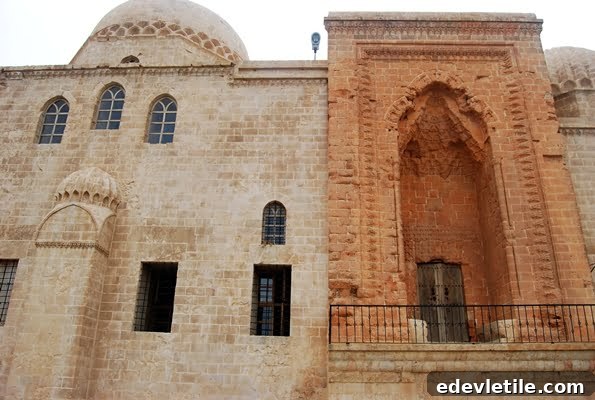
What is a Medrese?
Historically, a medrese was an Islamic religious school where theology was central, but other subjects such as philosophy, law, and natural sciences were also taught provided they did not conflict with religious teachings. Students were grouped by level, moving from elementary instruction to advanced scholarship.
Ottoman sultans invested in prominent medreses and often invited notable scholars from across the Islamic world, creating hubs of learning and attracting students from distant regions. Mardin hosts several medreses, yet Kasimiye Medresesi is widely regarded as one of the largest and finest.
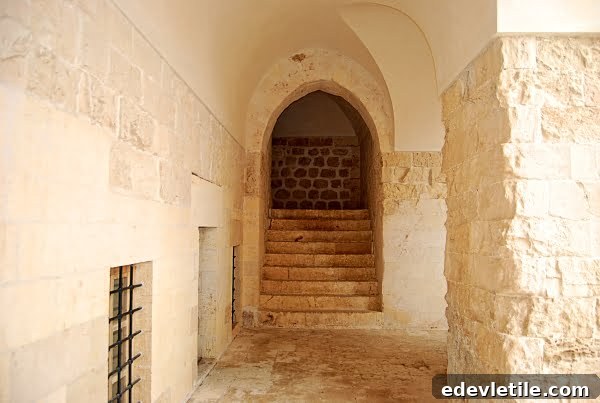
The Kasimiye Medresesi of Mardin
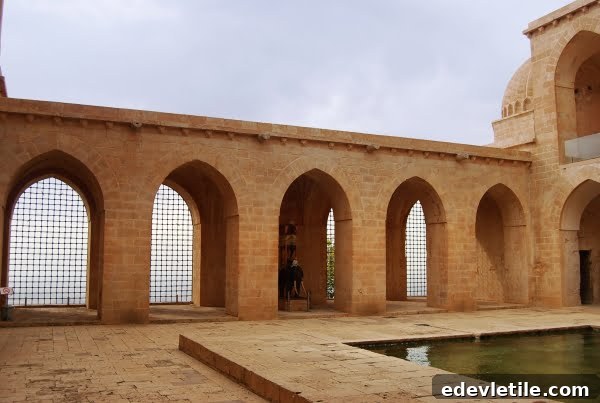
The south-facing entrance opens onto a two-story courtyard centered on a small pool. Water flows from a narrow spout in the wall into the basin. Symbolically, this feature represents the Sirat Bridge, which in Islamic belief is crossed before entering paradise.
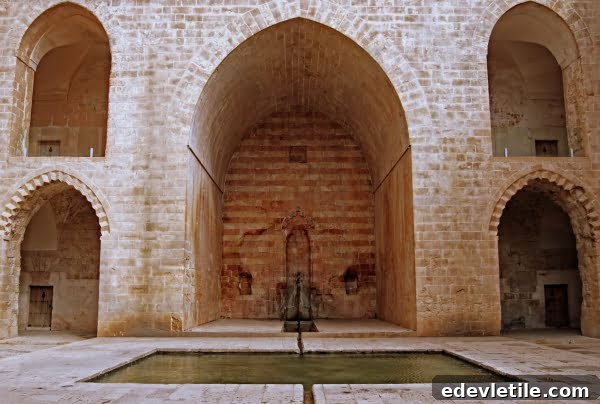
Rooms were intentionally positioned away from direct sunlight to remain cool during Mardin’s often extreme summer heat. Thick stone walls and flagstone floors helped moderate temperatures, but they also contributed to a hushed, contemplative atmosphere as we explored the complex.
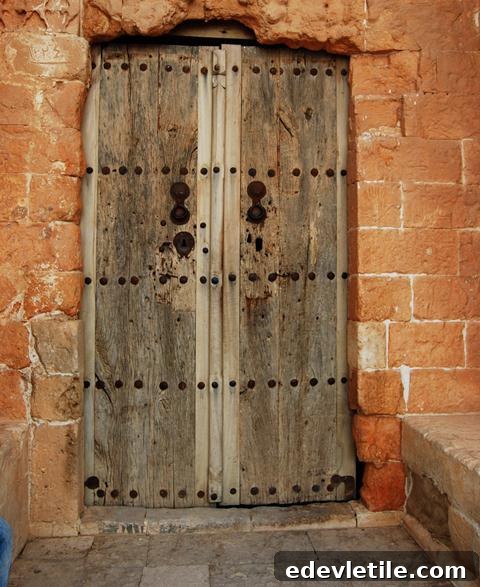
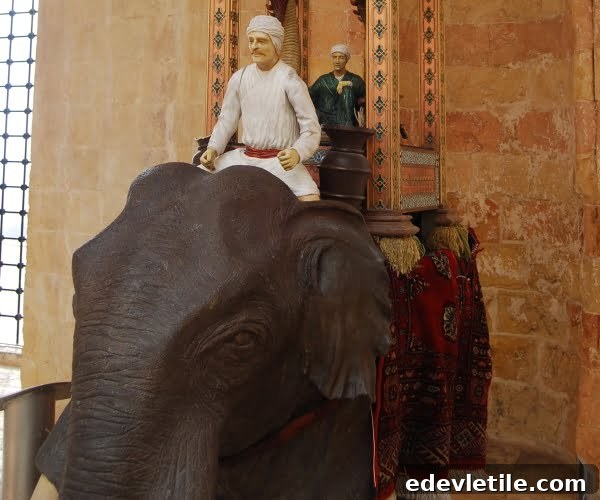
There are plans to convert the medrese into a museum. Some display stands were left leaning against the walls and had faded from sun exposure. An elephant model was placed near an ironwork screen, an element whose relevance was unclear; even the custodian could not explain its presence.
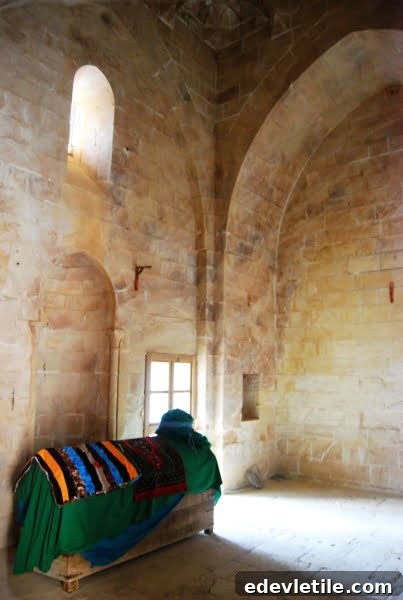
Kasimiye is sometimes described as a social complex because of the tomb located in one of the side chambers. It is traditionally identified as the tomb of Sultan Kasim, though concrete details about him are scarce. The tomb appears somewhat neglected, positioned to one side without prominent markers or evident reverence.
Additional Info
The medrese is well signposted and can be reached by a twenty-minute walk downhill from central Mardin. Nearby amenities are limited: there are no cafés, restaurants, or obvious public restrooms close to the site, so plan accordingly. Returning uphill can be strenuous and there is no regular public transport on that route. Consider hiring a taxi for a return pick-up or arranging rental transport to avoid a steep climb.
Question for Readers : Have you been to a medrese before?