14 Must-See Historical Sites to Visit in Turkey
Since I began this blog, it has become clear that history is my true passion when exploring Turkey. Give me a choice between a nightclub and an ancient site and I will always pick the ruins. Ask me to write a recipe or describe an archaeological site, and the ruins will win every time. Perhaps my enthusiasm comes from the sheer number of historical places across Turkey — thousands of sites stretch from east to west, many known only to archaeologists, excavators, and academics.
Each year brings headlines about new discoveries and excavation projects, and those stories attract wide attention. Turkey’s wealth of historical sites is no accident: the country sits on the edge of ancient Mesopotamia, often called the cradle of civilization, and over millennia it has been conquered and ruled by many empires.
Any power that wanted to control trade routes and influence the region aimed to conquer this land, and they left behind countless traces. The long list of past rulers includes the Ottomans, Byzantines, Hittites, Lycians, Persians and the armies of Alexander the Great, among others.
Ancient Sites and Historical Places to Visit in Turkey
Beyond quantity, what impresses me most is the extensive restoration work that has brought many sites back to life. Turkey hosts some of the best-preserved ancient locations in the modern world, with careful conservation revealing original features and architectural detail.
This article highlights some of my favourite historical places in Turkey, though I’ve still many to visit. I teamed up with my friend Yuksel Tasdemir, who lives nearby in Kusadasi. As a travel guide and Turkey tour operator, he has deep local knowledge and shares my passion for history. With his help, here are some must-see historic sites.
Bygone Sites and Landmarks of Istanbul
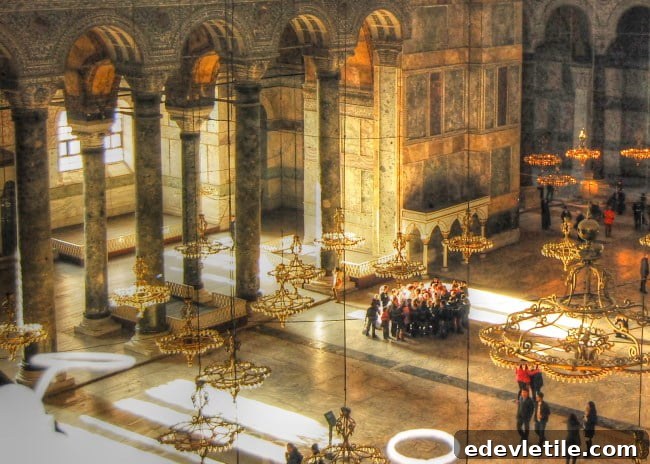
Istanbul deserves the first mention. As the former capital of both the Byzantine and Ottoman empires, the city preserves many major historic buildings. Sultanahmet, the old city core, is part of UNESCO’s World Heritage collection and contains iconic landmarks such as Hagia Sophia, which has served as church, mosque and museum.
Nearby stands the Blue Mosque, completed in 1616 and famed for its six minarets, one of only two mosques in Turkey with this feature. Close to the square are Topkapi Palace, the Basilica Cistern, and the Istanbul Archaeological Museum. A little further out are the Grand Bazaar, Galata Tower, and Suleymaniye Mosque. Walking the Sultanahmet district is one of the most rewarding ways to experience Istanbul’s layered history.
Ancient Ruins of Ephesus City and Surrounding Attractions
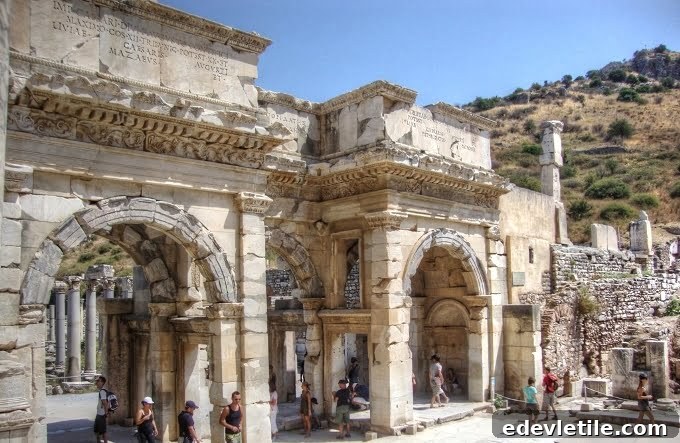
Ephesus is one of Turkey’s most visited archaeological sites for good reason. I return again and again as excavations and restorations continually reveal new details. Much of what you see dates from Roman times, when Christianity was spreading across the region.
Highlights include the Roman terraced houses that belonged to wealthy residents, the Celsus Library — once the third largest in the ancient world — and the great theatre, where the crowd once turned against Saint Paul. Ephesus is one of the Seven Churches of Revelation and is essential for anyone interested in Christian heritage.
When you stay overnight near Ephesus, consider also visiting:
- House of the Virgin Mary, believed by some to be the place of her final years
- Isa Bey Mosque in Selcuk, dating from 1375
- Temple of Artemis, one of the Seven Wonders of the Ancient World (site remains)
- Saint John’s Basilica in Selcuk, traditionally linked to the Apostle’s tomb
Gobeklitepe: The Man-Made Landmark that Rocked History
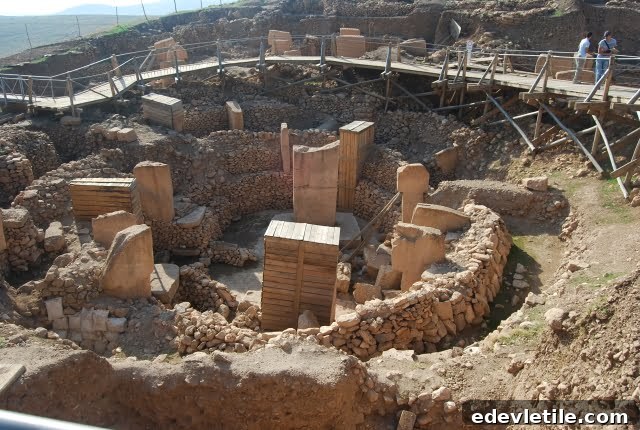
Gobeklitepe, in southeastern Turkey, has transformed our understanding of prehistory. Although excavations continue and much remains to be learned, this Neolithic complex appears to be one of the oldest manmade ceremonial sites in the world, predating Stonehenge by thousands of years. Its discovery has major implications for archaeology and the study of early human societies.
Goreme Open Air Museum of Age-Old Cave Churches
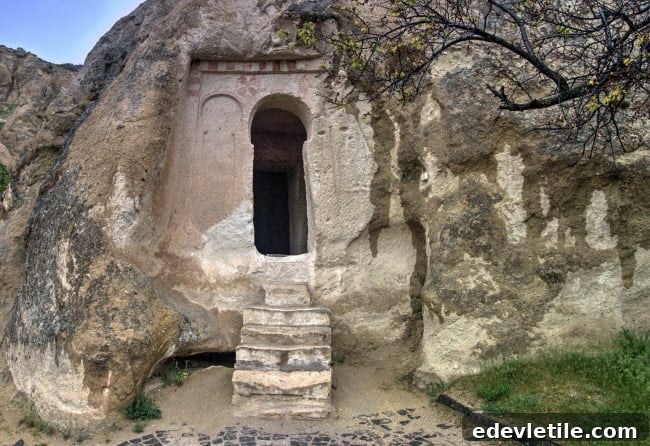
In Cappadocia, the Göreme Open Air Museum contains a dense cluster of cave churches and monastic complexes carved into soft volcanic rock. Many surviving frescoes date from the 13th and 14th centuries, and the site is recognized on the UNESCO World Heritage list for its cultural significance and well-preserved medieval Christian art.
The 14th Century Sumela Monastery
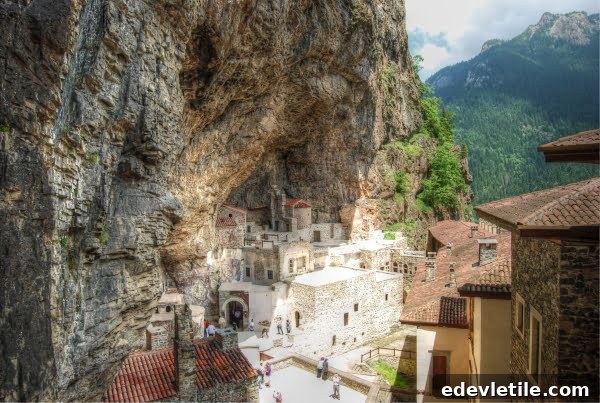
Perched on a cliff in northeast Turkey, Sumela Monastery dates to the 14th century and offers dramatic architecture and frescoed interiors. The uphill walk is demanding, but once inside you gain insight into the austere monastic life and see remarkable ceiling paintings. The monastery’s history of decline and restoration adds to its emotional impact.
Magnificent Ruins of Miletus, Priene, and Didyma
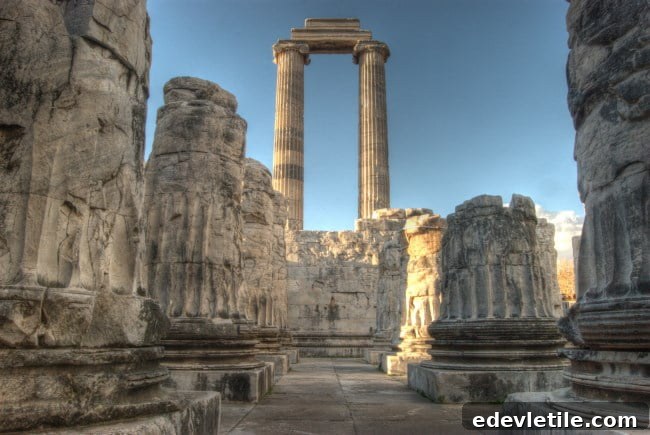
Miletus, Priene and Didyma are closely grouped sites that can be visited together. Didyma’s Temple of Apollo was once planned to rival Delphi. Priene’s ruins, with their atmospheric theatre and grid-like layout, evoke a powerful sense of place. Miletus preserves an impressive Hellenistic theatre with original corridors and rooms used by performers and gladiators when it was a thriving maritime city.
Acik Saray: The Open Palace of Gulsehir, Cappadocia
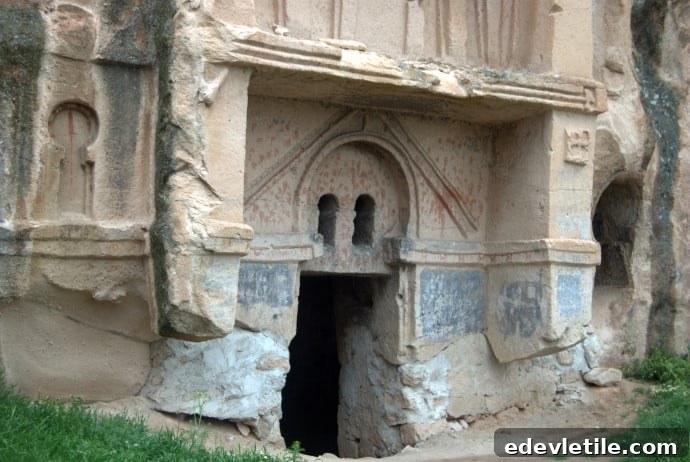
Acik Saray, literally the “Open Palace,” is a compact complex of cave houses, chapels, wineries and schools carved into Cappadocia’s tufa rock. Its exact historical function is debated — possibilities include a caravanserai or military barracks — but the site offers a fascinating glimpse into the region’s rock-cut architecture and communal life.
Ghost Village of Kayakoy in Fethiye
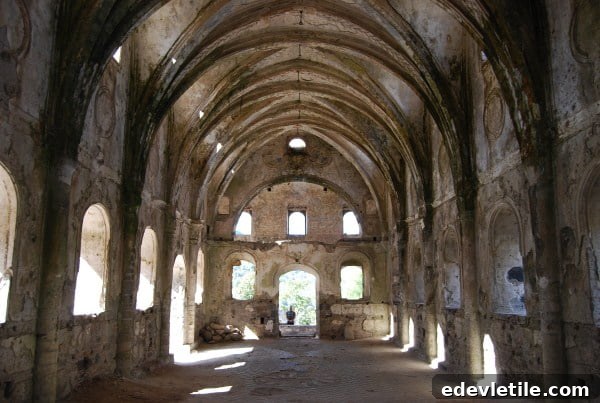
Near Fethiye, Kayaköy is a hauntingly beautiful abandoned village of stone houses, chapels, and schools. Once a mixed Greek-Turkish community, it was largely deserted in the early 20th century. Walking its narrow streets evokes the atmosphere of a vanished era and makes a poignant stop on a Mediterranean itinerary.
Aphrodisias: The City of Creativity
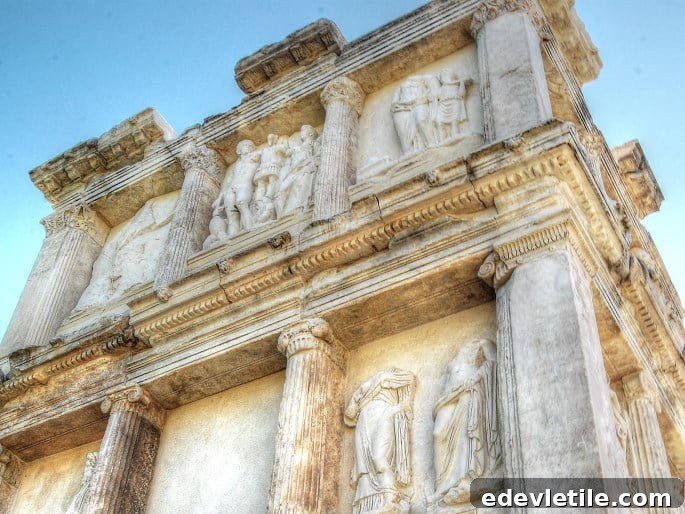
Close to Pamukkale and Hierapolis, Aphrodisias is a remarkable site known for its sculptors and artistic heritage. Once called the “City of Sculptures,” it attracted philosophers and artists who produced exquisite works. The archaeological remains and the on-site museum are outstanding and deserve wider recognition among travellers.
Statue Heads of Mount Nemrut
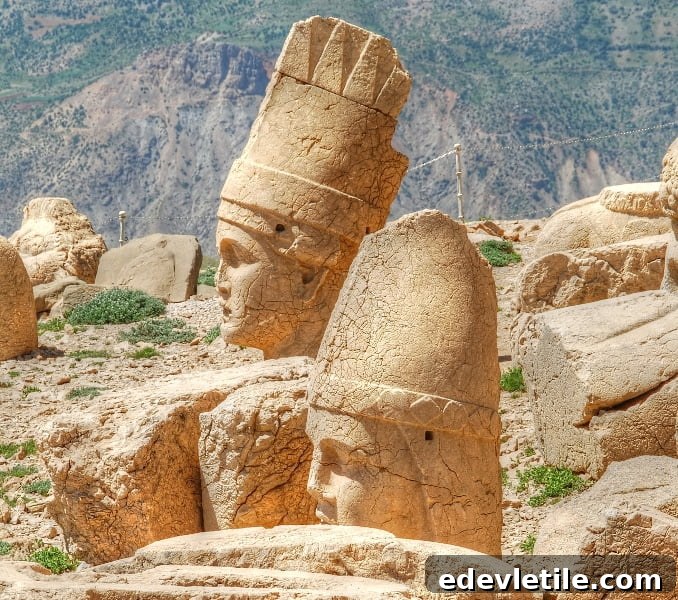
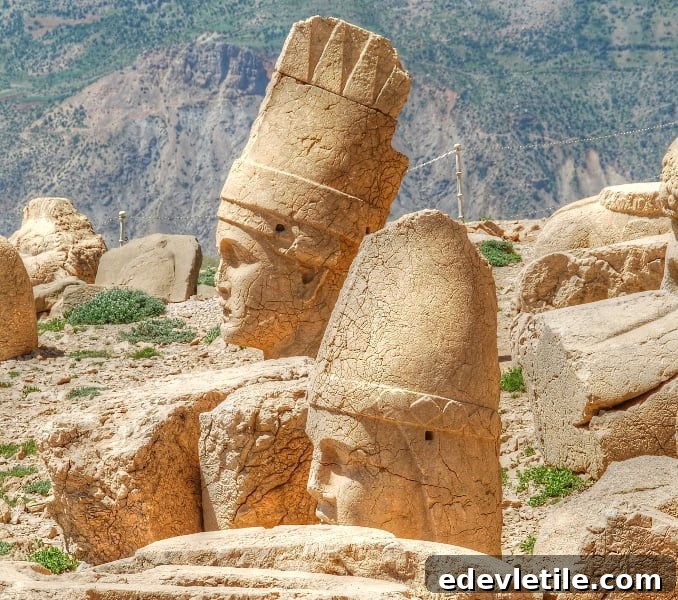
The colossal stone heads on Mount Nemrut are emblematic images of Turkey’s ancient past. Dating to around the 1st century BC, the site was built for royal tomb and cultic purposes and features toppled statues whose heads now lie scattered. Visit at sunrise or sunset when the light casts a dramatic glow over the ruined figures.
Ancient Myra and the Church of Saint Nicholas
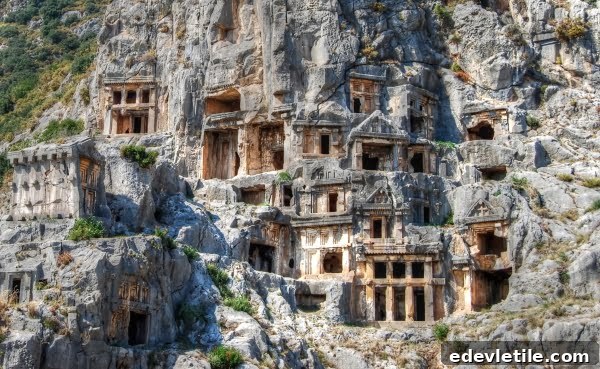
In Demre, the ruins of Myra include a large ancient theatre and distinctive Lycian rock-cut tombs on the hillside. Demre is also associated with Saint Nicholas, the 4th-century bishop whose tomb once attracted pilgrims. The church and archaeological remains make a rewarding detour from the coastal road.
The Grand Theatre of Aspendos
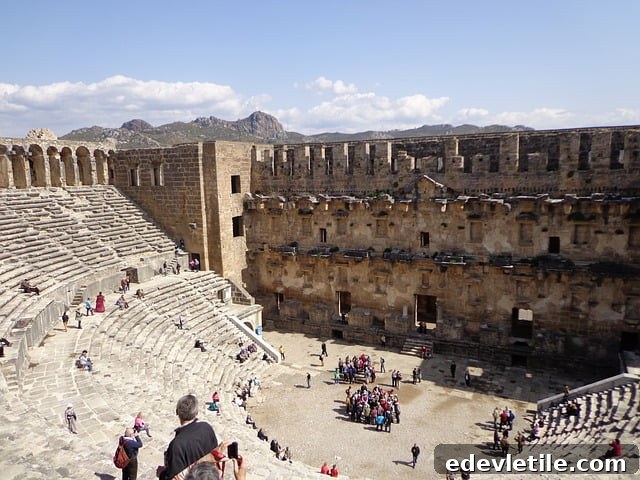
Aspendos boasts one of the best-preserved Roman theatres in the world. Built around AD 162, it originally held up to 15,000 spectators. Its largely intact stage building and seating make it an exceptional example of Roman engineering and a popular venue for concerts and festivals today.
Bodrum Castle and the Underwater Archaeology Museum
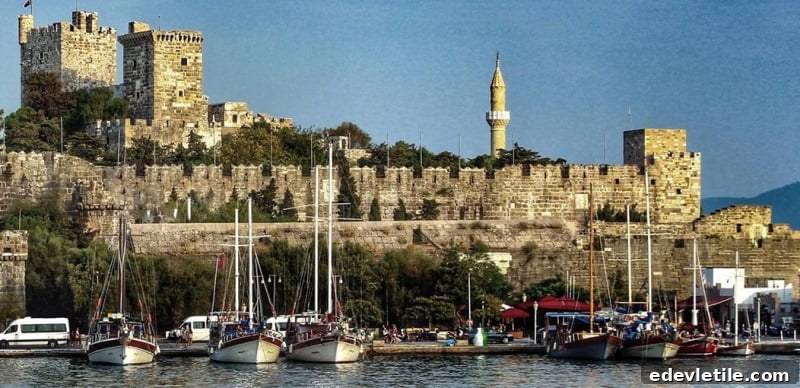
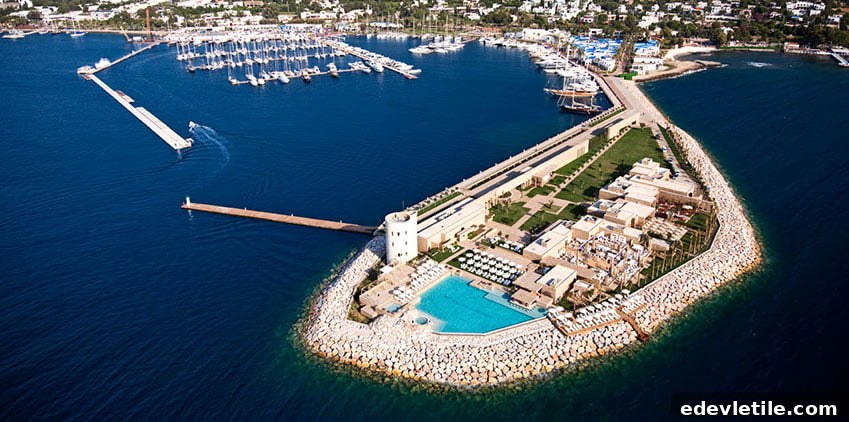
In Bodrum, the medieval Castle of Saint Peter dominates the harbor. Built in the early 15th century by the Knights, it later served varied roles and today houses an outstanding Underwater Archaeology Museum displaying finds from ancient shipwrecks, including Bronze Age artifacts recovered from the Aegean.
The Lycian Way
The Lycian Way is a long-distance coastal trail that links many ancient Lycian sites along the southwest coast. Hikers can follow the route over weeks, staying in small pensions or campsites, or pick individual sections and visit nearby ruins and beaches. Notable stops include Patara, Xanthos, Letoon, Olympos, Phaselis, Tlos and Simena Castle.
Turkey’s historic landscape is vast and varied, from monumental temples and theatres to cliffside monasteries and abandoned villages. Whether you walk ancient streets, explore rock-cut churches, or watch sunrise over stone heads on a mountain, these places offer a tangible connection to the past and rich rewards for anyone curious about history.