20 Tourist Scams in Istanbul and Turkey — How to Spot and Avoid Them
As you set out to explore Istanbul’s hilly streets or Turkey’s dramatic landscapes, it pays to be prepared. Turkey is famous for its warm hospitality and welcoming people, but like any major tourist destination, there are scams to watch for. This guide highlights common tourist scams across Istanbul and other popular destinations in Turkey, with practical tips to help you avoid them.
We split this guide into two sections—Common Scams in Istanbul and Common Scams in Turkey—so you can quickly find the information most relevant to your trip. These scams cover souvenir shopping, restaurants, activities, tour guides, transportation, and street encounters. After years of traveling throughout the country and living in Istanbul, we compiled these real-world examples to help fellow travelers stay safe and confident.
Common Scams in Istanbul
The Shoeshiner’s Dropped Brush Scam
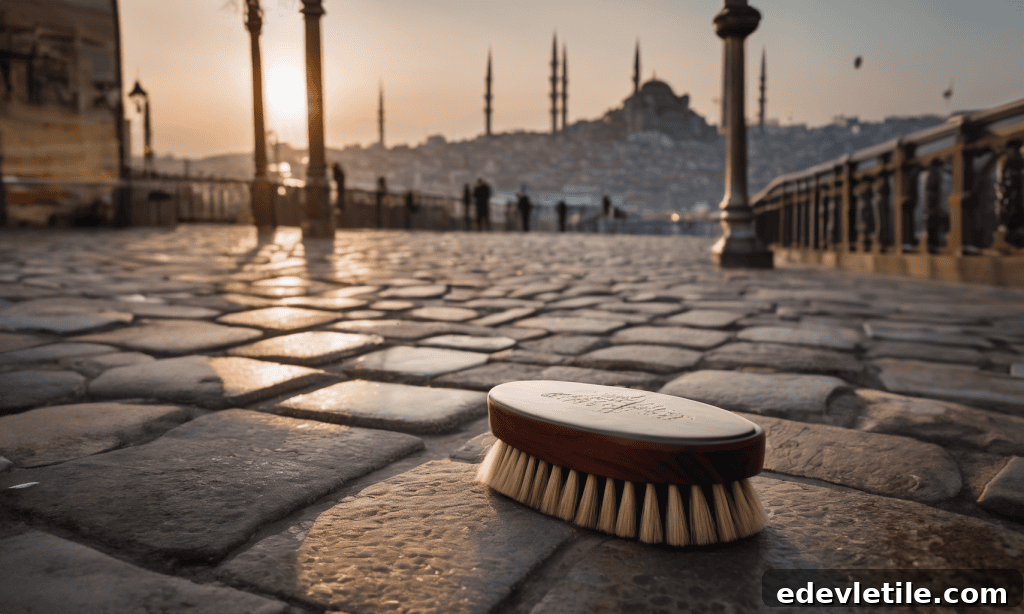
One of the oldest tricks in Istanbul: a shoe shiner purposely drops a brush in front of you. If you pick it up and hand it back, the shiner offers to shine your shoes as a “thank you.” After the job, they demand an inflated fee—often many times the normal price—and may react angrily if you refuse. This can happen even if you’re wearing non-leather shoes.
These actors often work tourist-heavy areas such as Sultanahmet, Galata Bridge, and around Galata Tower.
How to avoid this scam: Don’t pick items up for strangers and politely walk away. If you’re curious, keep your distance and observe from afar rather than engaging.
The Falling Simit Seller (Simitçi)
A simit seller carrying a tray pretends to trip or faint in a crowded area. Sometimes they even use fake blood to dramatize the fall. Bystanders rush to help, and the seller spins a heartbreaking tale about needing money for medical care to solicit donations. The story is usually fabricated.
How to avoid this scam: Avoid intervening directly. If you feel compelled to help, notify nearby authorities. Police have been addressing this scam, but it still appears occasionally—especially on busy streets like İstiklal Caddesi.

“My Cousin/Brother/Nephew Has One of the Best Rug Shops in Istanbul…”
This scam begins with a friendly interaction: someone offers to take your photo, help you find a location, or chat. After some small talk they suggest visiting a nearby shop run by a relative that sells rugs, sweets, spices, or other souvenirs. The storefront looks attractive, but prices are inflated and products may be low quality.
How to avoid this scam: Thank the person and decline politely if you’re not interested. If they persist, say you already bought souvenirs or don’t have cash.
Let’s Have a Drink Scam
Often occurring around Taksim and İstiklal Avenue, a local or group may be friendly, ask questions, and invite you to a nearby bar. After you order, the bill arrives with exorbitant charges. In some cases, bouncers may appear and pressure you to withdraw cash at an ATM. There are also risks of drinks being spiked.
How to avoid this scam: Avoid going to unknown bars with people you just met. If you want to test their intentions, suggest a well-known venue nearby and note their reaction. Otherwise, keep encounters cordial and move on.
The Friendly Guide Scam
At major attractions like Hagia Sophia or Topkapi Palace, an unofficial guide may offer an impromptu walkthrough. They present information confidently and then expect a large tip or payment at the end. These guides are not licensed and may pressure you for money.
How to avoid this scam: Ask about cost before accepting a tour and request to see an official guide license. Licensed guides in Turkey have completed extensive training and certification.
The Fake Ticket Scam
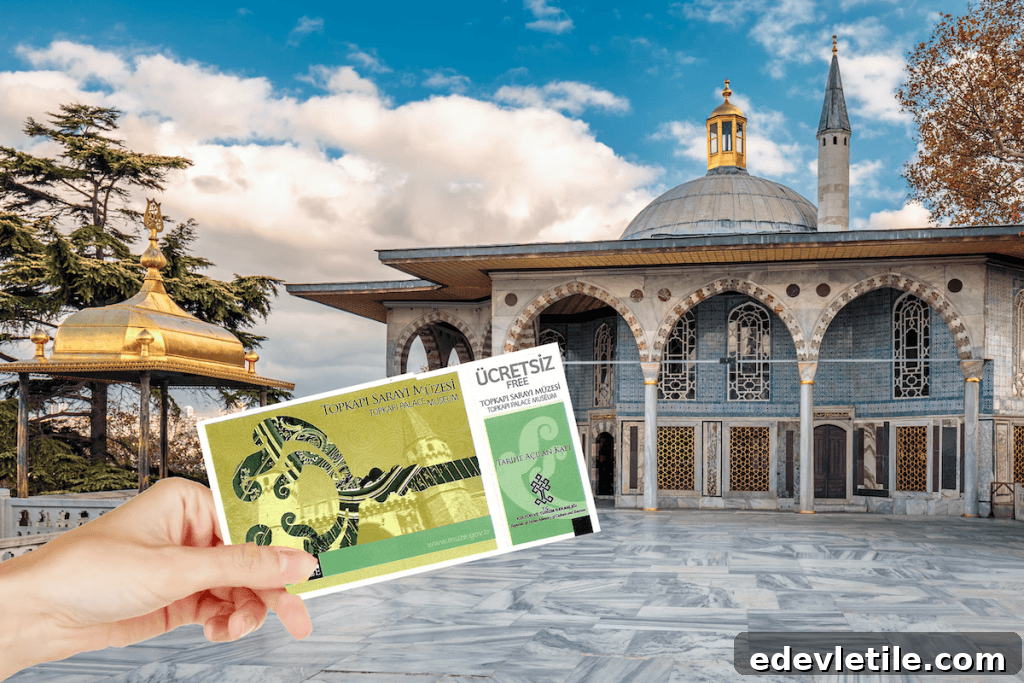
While waiting to buy admission, someone may offer a “cheaper” or “fast pass” ticket. These can be counterfeit or already used. Avoid buying tickets from street sellers or strangers.
How to avoid this scam: Buy tickets from the attraction’s official site or trusted platforms before you go. This eliminates the risk of fake or void tickets.
The Fake Police Scam
Occasionally, someone posing as an officer may ask to see your documents and then riffling through your wallet take cash. While real officers can check IDs, impostors exploit this authority to steal.
How to avoid this scam: Carry photocopies of your passport and ID. If someone claiming to be police insists, offer to accompany them to the nearest police station for verification; a legitimate officer will accept this.
The Pickpocket Scam
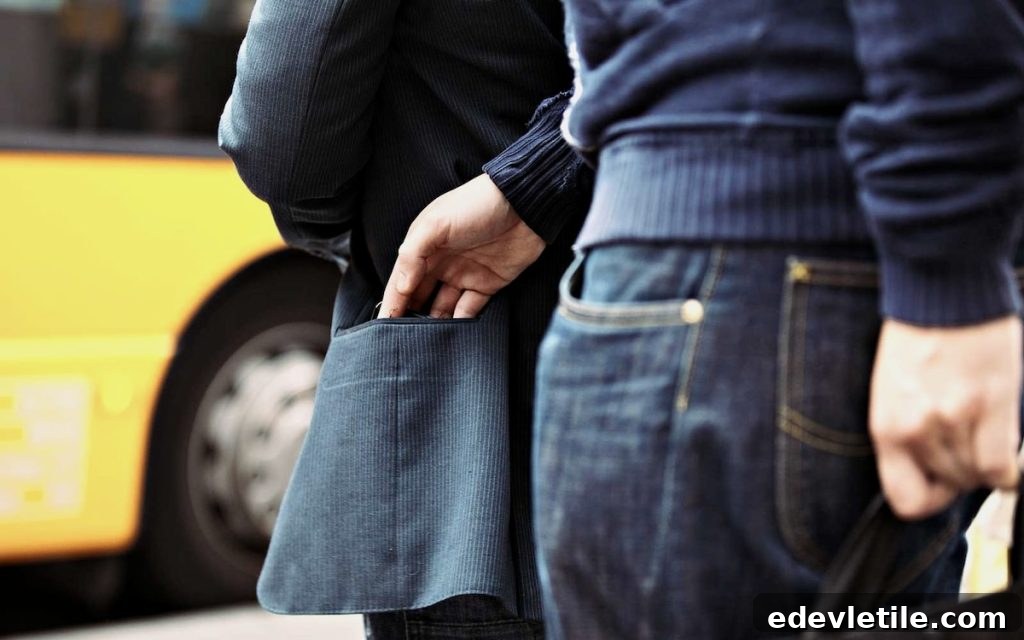
Pickpocketing is common in crowded tourist spots such as İstiklal Caddesi, the Grand Bazaar, and busy trams. Tactics include bumping into you, distracting you with a seller or performer, or working in teams where one person diverts your attention while another takes valuables.
How to avoid this: Stay aware of your surroundings, carry minimal cash, use zipped bags and keep them in front of you, and place phones in front pockets. Keep a hand over your bag in crowded places.
Common Scams in Turkey
Traveling beyond Istanbul? Here are frequent scams encountered across Turkey and how to handle them.
The Wrong Change Scam
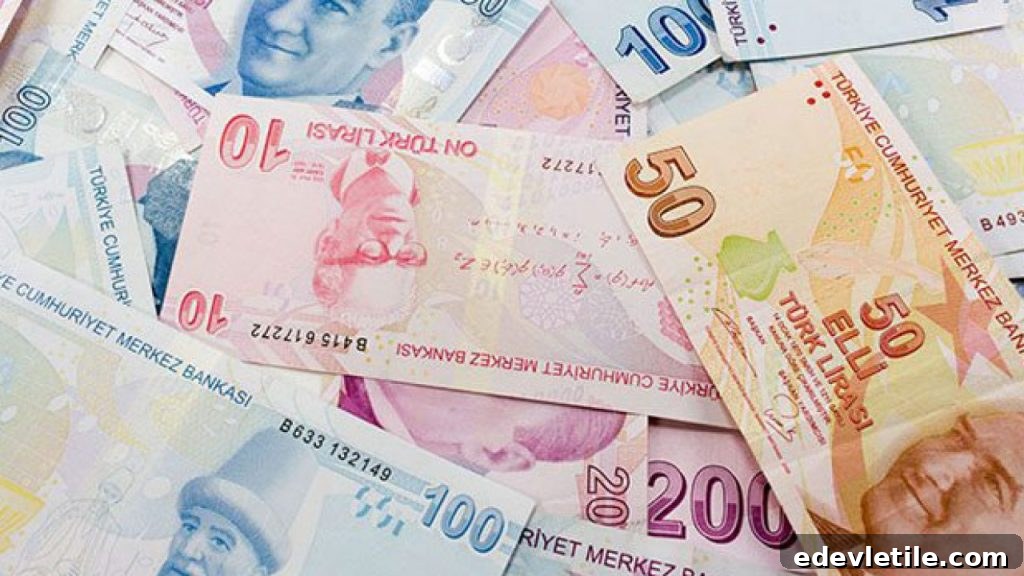
A common trick: you pay in cash and receive incorrect change. Some notes resemble each other in color and can be confused intentionally. Vendors, taxi drivers, and small kiosks may try this.
How to avoid this scam: Familiarize yourself with Turkish lira banknotes before you travel, check colors and denominations, count your change immediately, and when possible, pay exact amounts.
A small tip: as denominations increase, images of Atatürk on Turkish banknotes appear to face toward you when notes are lined up from smallest to largest.
The Menu Switch Scam
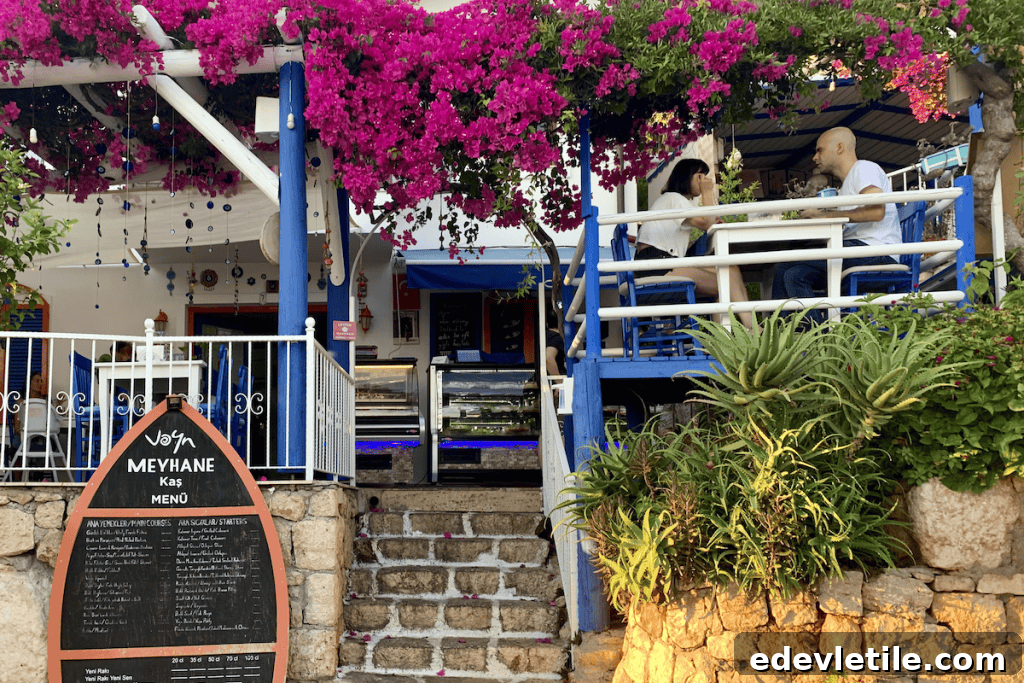
In tourist areas, restaurants may show you a normal menu but present a higher-priced tourist menu when it’s time to pay. This results in bills that are far above the listed prices.
How to avoid this scam: Photograph the menu and prices before ordering so you can dispute discrepancies if the bill is inflated.
The No Price Menu Scam
Some establishments hand out menus without prices, especially certain fish restaurants where the bill can be inflated after your meal.
How to avoid this scam: Prefer restaurants with clearly marked prices and check reviews before you go, especially for specialty venues.
The Extra Items on the Bill Scam
Sometimes restaurants add items you didn’t order—an extra appetizer or dessert—hoping you won’t notice on a long bill or in a group payment.
How to avoid this scam: Carefully review your bill and point out any unfamiliar charges before paying.
The “Wasn’t This Free?” Situation
Waitstaff may place complimentary items on your table without asking, expecting you to assume they’re free. These can appear on the final bill if you consume them.
How to avoid this scam: Ask if an item is complimentary before eating or drinking it.
The Ice Cream Seller Shenanigans
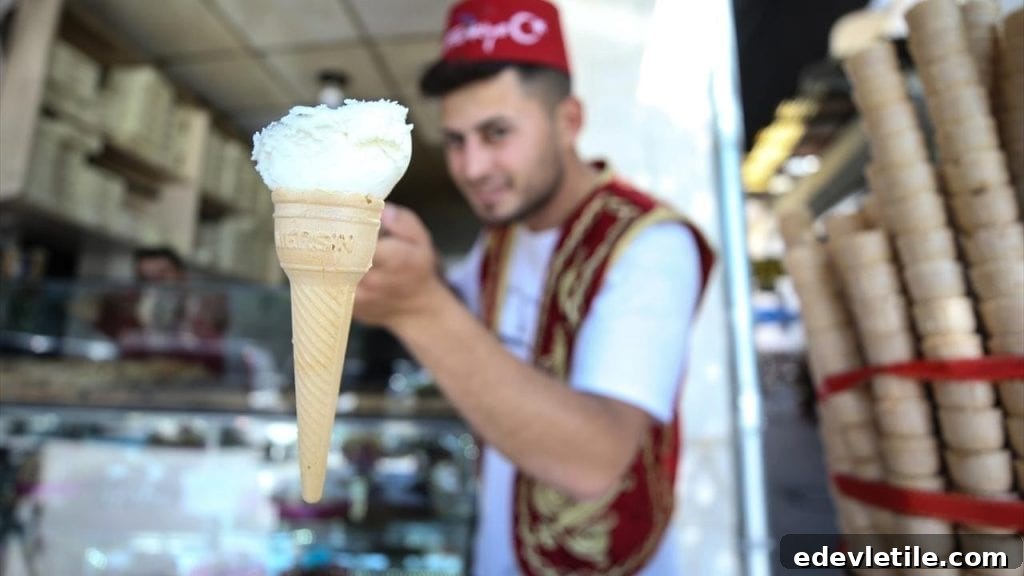
Some street ice cream vendors perform playful tricks before selling cones, then demand an inflated price for the “show.” Not all vendors do this, but it’s common in tourist zones.
How to avoid this: Ask the price before the performance begins and decline if it seems excessive.
Overpaying for Souvenirs
Some sellers set prices based on how much they think a visitor will pay. Speaking a few words of Turkish can sometimes result in better prices, while tourists who look lost or unfamiliar may be quoted higher amounts.
How to avoid this: Shop at stores with clearly marked prices, compare shops, and research typical souvenir costs in advance. In Istanbul, neighborhoods like Beyoğlu or Kadıköy can be more reasonably priced than the most tourist-packed areas.
The Currency Switcharoo Scam
Some shops may present prices in a different currency than you expect—claiming prices are in USD when they are actually in Turkish lira—or mislead you about the currency to inflate the final cost. This has led to serious overpayments in specialty stores and tourist stops.
How to avoid this: Research typical prices for specialty items and check reviews for any store you’re directed to by a guide or local. Verify the currency used for price labels before paying.
The Currency Switcharoo Scam #2
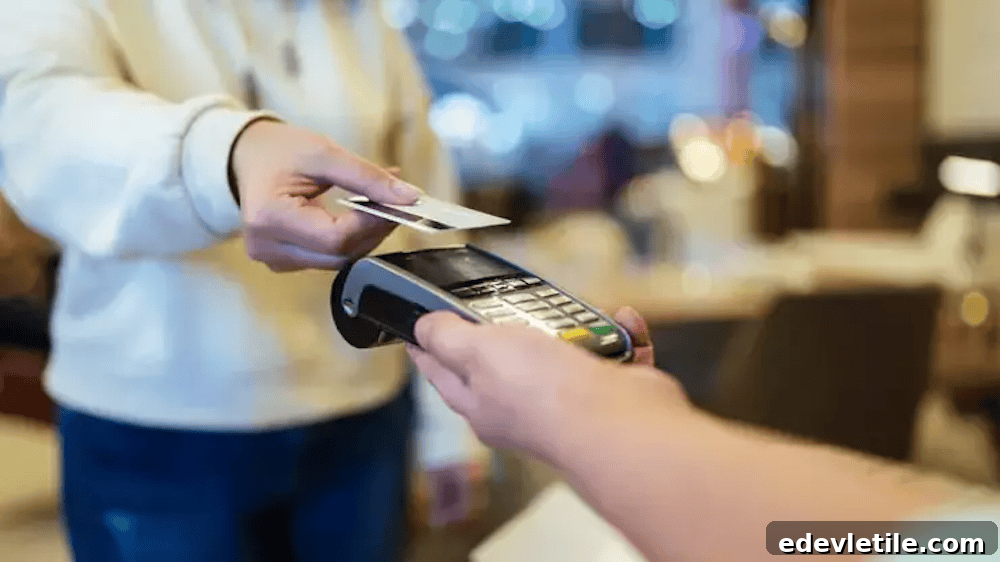
When paying by card, some vendors change the terminal currency to USD or EUR without warning so you end up charged in a foreign currency at an unfavorable rate.
How to avoid this: Watch the POS screen and confirm the transaction currency is TL, TRY, or displays the ₺ symbol before approving payment.
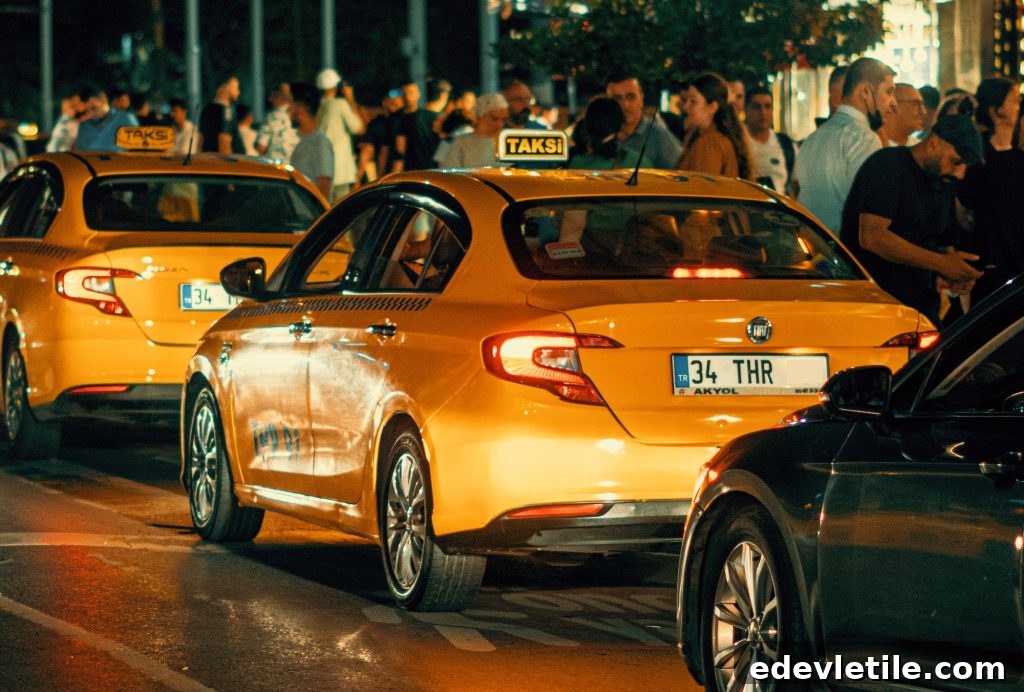
Common Taxi Scams
Taxis can be a convenient way to get around, but they also present several scam risks. If possible, consider alternatives like rideshare apps. Common taxi scams include:
- Being overcharged or “taking the scenic route”: Drivers take longer routes to increase the fare. Check estimated fares on apps like BiTaksi or map the expected route beforehand.
- “Your hotel is closed”: Drivers claim your booked hotel is unavailable and direct you to another establishment where they earn a commission. Insist on your reservation or call the hotel directly.
- Assuming cash is a tip: Drivers may keep large change you expect back. Pay exact change when possible or use card payments when available.