200+ Must-Know Turkish Travel Phrases with Pronunciation Guide
Merhaba and welcome to Turkish 101. If you want to learn the most useful Turkish words and phrases before your trip to Türkiye, this guide will help you feel confident and prepared.
This comprehensive article covers common Turkish expressions for travel situations: greetings and farewells, getting around, sightseeing, dining, shopping, and more.
You’ll find handy pronunciation hints beside each phrase and cultural notes at the end of many sections.
Topics included:
- How to greet and introduce yourself in Turkish
- How to say please and thank you
- How to ask for directions and find your way
- How to order food and explain allergies or dietary needs
- How to read a menu and manage payments
These essential phrases will make your trip to Türkiye smoother and more enjoyable. İyi yolculuklar!
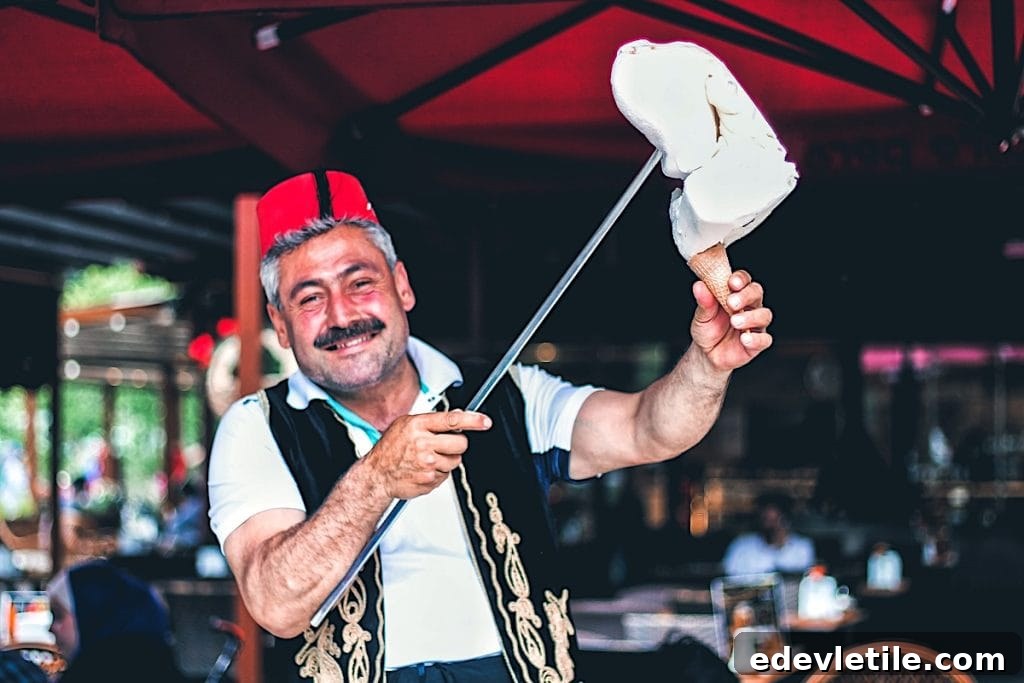
BASIC TURKISH PHRASES
Start with the basics: greetings, farewells, and polite expressions you’ll use every day.
Greetings
Hello — Merhaba (formal) Mer-aa-baa or Selam (informal) Seh-laa-m
Good morning — Günaydın Goon ayy-din
Good afternoon — İyi günler Eee-yee goon-laar
Good evening — İyi akşamlar Eee-yee ak-shah-m-laar
Good night — İyi geceler Eee-yee geh-je-lar
İyi günler and İyi akşamlar can be used both as greetings and as polite ways to say goodbye. İyi akşamlar is typically used after sunset.
Goodbyes
Güle güle — Gew-le Gew-le
Hoşça kal — Hosh-cha kaal (informal) or Hoşça kalın — Hosh-cha kaal-in (formal)
When one person is leaving and the other is staying, the person who stays says güle güle (leave with a smile) and the person leaving replies Hoşça kal (stay well). As a visitor, you’ll often say Hoşça kal(ın) when leaving shops or cafés.
Other options:
See you — Görüşürüz Gou-roo-shoo-rooz
Bye bye (informal) — Bay bay
You can also use İyi günler (have a good day) or İyi akşamlar (have a good evening) when parting.
Polite Phrases
Please — Lütfen Lewt-fen
Thank you — Teşekkürler (casual) Teh-sheh-kewr-lahr
Thank you very much — Teşekkür ederim (formal) Teh-sheh-kewr e-der-eem
You’re welcome — Rica ederim Ree-jah e-der-eem
Sorry — Pardon (casual) Paar-don or Affedersiniz (formal) Ah-fe-ders-in-iz
Use pardon for casual situations like squeezing through a crowd. Use affedersiniz to get someone’s attention politely (e.g., “Excuse me, can you help?”).
Welcome — Hoş geldin (informal) / Hoş geldiniz (formal)
When entering a shop or restaurant, you’ll often be greeted with Hoşgeldiniz. A common reply is Hoş bulduk (glad to be here) if you’re in a group or Hoş buldum if you’re alone.
Essential Turkish Phrases
These short phrases let you handle basic interactions: answering questions, introducing yourself, and asking for help.
Yes — Evet Eh-vet
No — Hayır Hi-yeer
Okay — Tamam Tam-mam
What is your name? — Adınız ne? (formal) Ad-in-iz neh?
My name is ___ — Benim adım ___ Ben-im ad-im ___ (or simply Ben [name])
Nice to meet you — Memnun oldum Mem-noon Ol-doom
How are you? — Nasılsın? (informal) / Nasılsınız? (formal) Nuh-sil-sin
I’m good — İyiyim Eee-yee-yeem
Not bad — Fena değil Feh-na De-heel
Where are you from? — Nerelisin? Neh-reh-li-sin
I am from ___ — [country]’dan / [nationality]lıyım (examples: Amerika’dan / Amerikalıyım)
Do you know English? — İngilizce biliyor musunuz? In-ge-liz-jeh beel-me-your moo-su-nuz
I don’t know Turkish — Türkçe bilmiyorum Tewrk-cheh beel-me-yor-oom
Could you please help me? — Lütfen bana yardım eder misiniz? Lewt-fen bah-na yarr-dim eh-dar mi-sin-iz
I am lost — Kayboldum Kai-bol-doom
I feel sick — Hastayım Hasta-yihm
Where is _____? — _____ nerede? Ner-e-de
The toilet — Tuvalet Two-va-let
The restaurant — Restoran Res-toh-ran
The hotel — Otel Oh-tel
The bazaar — Çarşı Char-shi
Bus terminal — Otogar Otto-gar
Bus stop — Otobüs durağı Otto-bews door-ah-i
Train station — Tren istasyonu Tren ee-stas-yon-oo
Can you call the police? — Polisi arayabilir misiniz? Po-lee-si ara-ya-bee-leer mi-sin-iz
Signs
| Open — Açık Ah-cheek Closed — Kapalı Kap-a-luh Entrance — Giriş Gyeer-ee-sh |
Pull — İtiniz It-in-iz Push — Çekiniz Check-in-iz Dikkat! — Attention! Dih-kat |
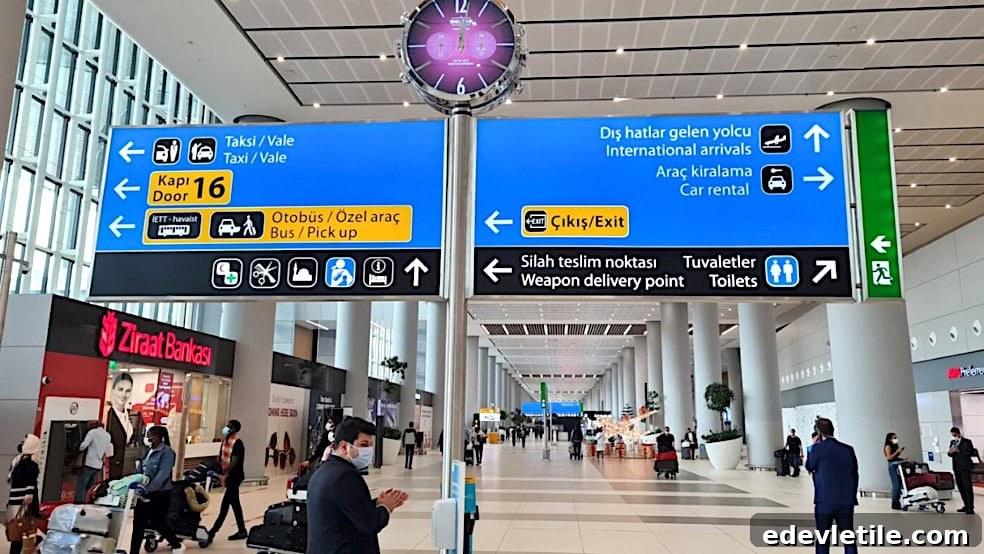
TRANSPORTATION & GETTING AROUND
Directions & Touristic Places
Capital — Başkent Baa-sh kent
City center — Şehir merkezi Sheh-eer Mer-kez-i
Bank — Banka Bahn-ka
ATM — Bankamatik Ban-ka-ma-teek
Hotel — Otel O-tel
Mosque — Cami Jaa-mi
Church — Kilise Kill-ii-se
Museum — Müze Myoo-ze
Square — Meydan May-dan
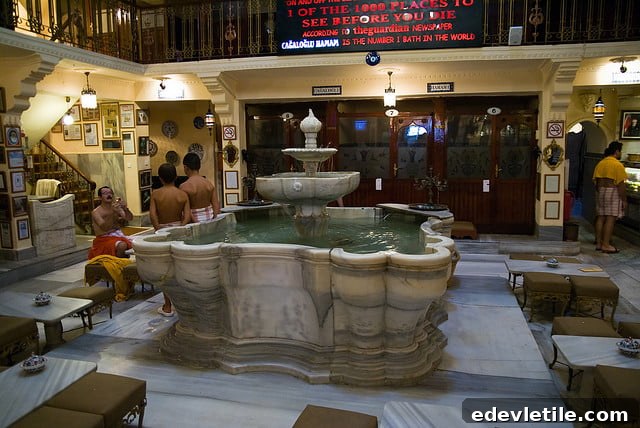
Turkish bath — Hamam Hah-mum
Laundromat — Çamaşırhane Cham-a-shir-han-eh
Hospital — Hastane Ha-s-ta-n-eey
Pharmacy — Eczane Edge-za-ne
Mini market — Bakkal Bak-kal
Green grocer — Manav Mah-nav
Police station — Karakol Car-a-kol
Consulate — Konsolosluk Kon-so-loss-look
Embassy — Büyükelçilik Bew-yook ell-chill-ik
Ticket — Bilet Bee-leht
One ticket please — Bir bilet lütfen Bii’ bill-leht lewt-fen
Change the number in Bir to match how many tickets you need: iki (two), üç (three), dört (four), etc.
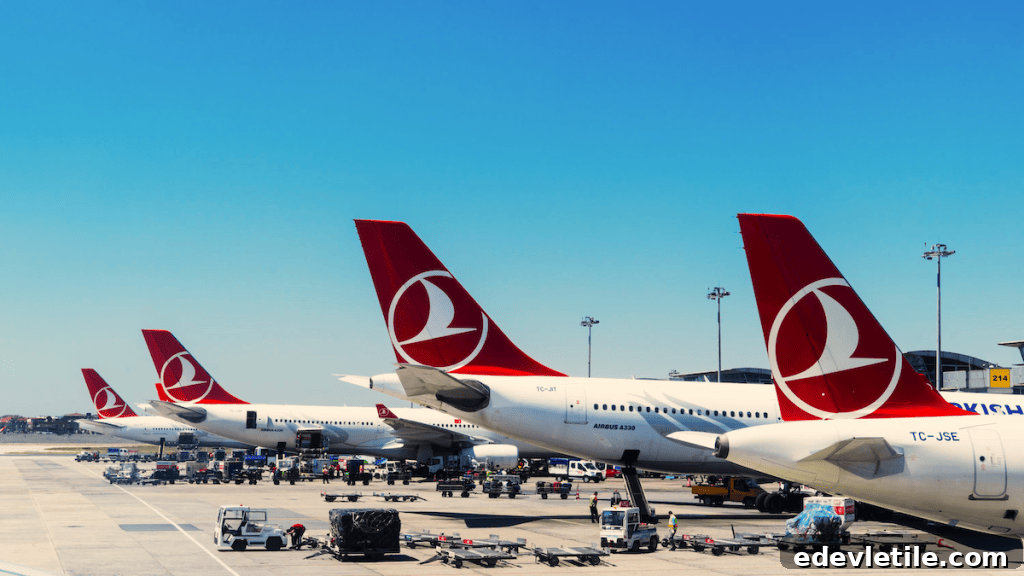
At the airport
Airport — Havalimanı Hav-ah-lee-man-ih
Airplane — Uçak Oo-chak
Check-in — Giriş işlemi Geeh-riee-sh ish-le-me
Departures — Kalkış Kal-kish
Arrivals — Varış Var-ish
Baggage — Bagaj Ba-gah-juh
Passport — Pasaport Pas-a-port
At the bus or train station
Bus — Otobüs Otto-bews
Bus terminal — Otogar Otto-gar
Bus stop — Otobüs durağı Otto-bews Door-ah-hee
Train — Tren Tren
Train station — Tren istasyonu Tren ee-stas-yon-oo
Taxi — Taksi (same as English)
Car — Araba Are-a-baa
Other transport vocabulary
Ferry — Vapur Va-purr
Port / Harbor — Liman Lee-mahn
Pier — İskele Ees-keh-leh
Directions
Left — Sol Sol
Right — Sağ Saa-h
Straight — Düz Dews
North — Kuzey Koo-zey
East — Doğu Dou-hoo
South — Güney Gewn-ayy
West — Batı Bah-ti
Here — Burada Burr-ah-da
There — Orada Or-ah-da
* Some locals may shorten these to burda or orda
Stop — Dur Duur
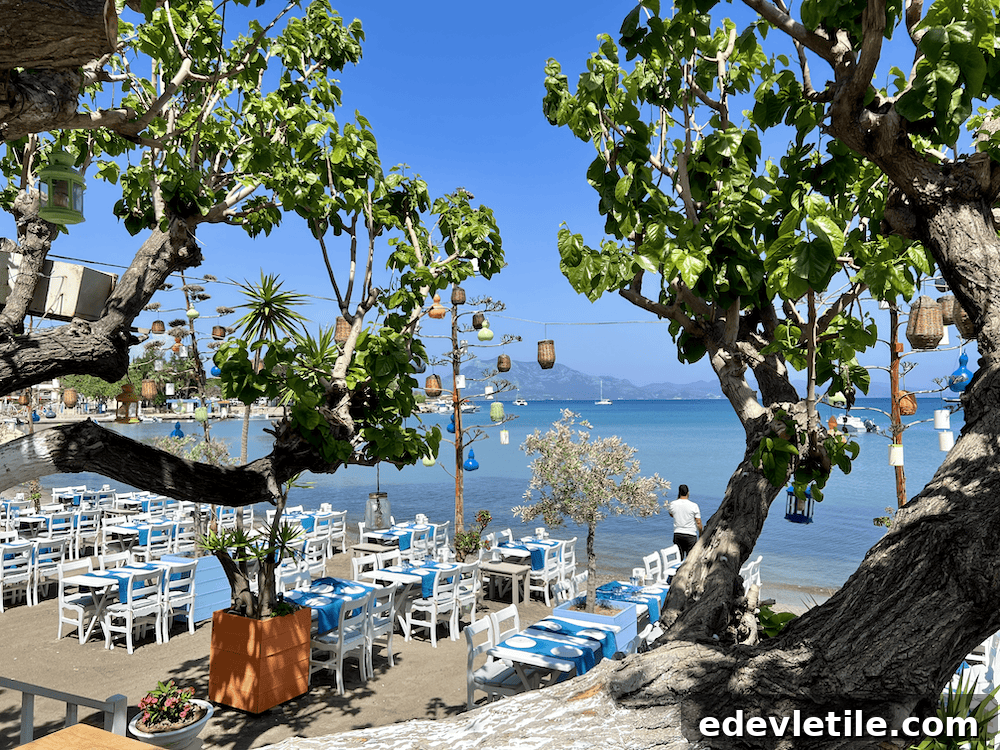
EATING OUT
Turkish cuisine is a highlight of any visit. These phrases will help at cafés, restaurants, and street food stalls.
Ordering & Paying
Table for (two), please — (İki) kişilik masa, lütfen (Number) kisi-lik mah-sa, lewt-fen
Customize the number: bir (one), iki (two), üç (three), dört (four), etc.
Waiter / waitress — Garson Gar-sohn
To get a server’s attention, raise your hand slightly and say Pardon, bakar mısınız? (Excuse me, could you look here?), or simply Pardon.
The menu, please — Menü, lütfen Men-yew lewt-fen
Is there a house specialty? — Bir spesyaliteniz var mı? Bir’ spes-ee-yal-it-ten-iz var mih
I would like to order a ____ — Bir _____, lütfen Bir’ ___ lewtfen
Two beers, please — İki bira, lütfen Eek-uh beer-a, lewtfen
One dish is missing — Bir tabak eksik Bir’ tah-bak ek-seek
I would like to pay, please — Ödeme yapmak istiyorum, lütfen Owe-de-me yap-mak ee-stee-yor-oom, lewt-fen
The check, please — Hesap, lütfen Heh-sap, lewtfen
Credit card — Kart Karrt
Cash — Nakit Nuh-keet
Keep the change — Üstü kalsın Ew-stoo Kall-sin
Takeout — Paket servis Puh-ket sar-vees
Fun phrases
Enjoy your meal — Afiyet olsun Af-yeht all-soon
Cheers! — Şerefe! Sheh-re-feh
To your health! — Sağlığınıza! Sah-lih-hin-za
Delicious — Lezzetli Leh-zet-lih
A common compliment to the cook is Elinize sağlık (health to your hands), a polite way to thank the chef for a tasty meal.
Allergies & Special Diets
I’m vegetarian — Ben vejetaryenim Ben veh-jeh-tar-ya-nim
I have diabetes — Şeker hastasıyım Sheh-kerr huh-stas-sih-yim
I am allergic to ____ — Benim ____ alerjim var Ben-eem ____ all-er-jeem var (e.g., Benim fındığa alerjim var — I am allergic to nuts)
I don’t eat ___ — ____ yemiyorum ____ Yem-ee-your-oom
Common ingredients and allergens:
Celiac disease — Çölyak hastalığı Chol-yak hasta-lih-hi
Flour / Wheat — un / buğday Oon / Booh-dai
Gluten — Gluten Glue-ten
Egg — Yumurta You-moor-ta
Nuts — Fındık Fihn-dik
Soy — Soy Soi
Beans — Fasulye Fa-sool-ye
Seafood — Deniz ürünü Deh-neez Oo-rew-new
Fish — Balık Buh-lik
Shellfish — Kabuklu deniz ürünü Ka-book-lew deh-neez oo-rew-new
Shrimp — Karides Curry-des
Dairy allergy — Süt ürünleri alerjim var Soot oo-roon-ler-ee Aler-jeem vahr
Milk — Süt Soot
Lactose — Laktoz Lak-tos
Cheese — Peynir Pay-neer
Yogurt — Yoğurt Yo-hurt
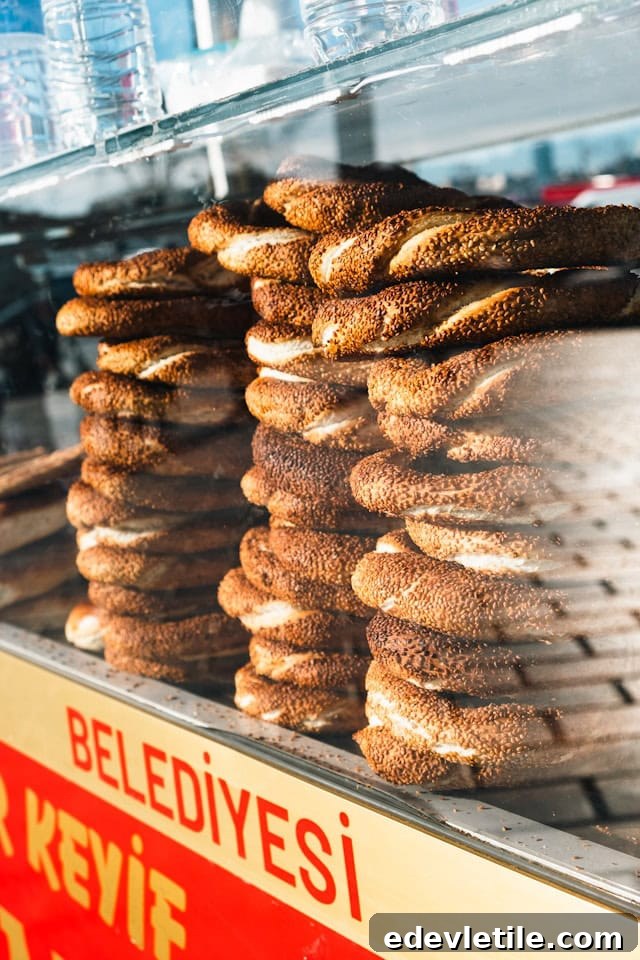
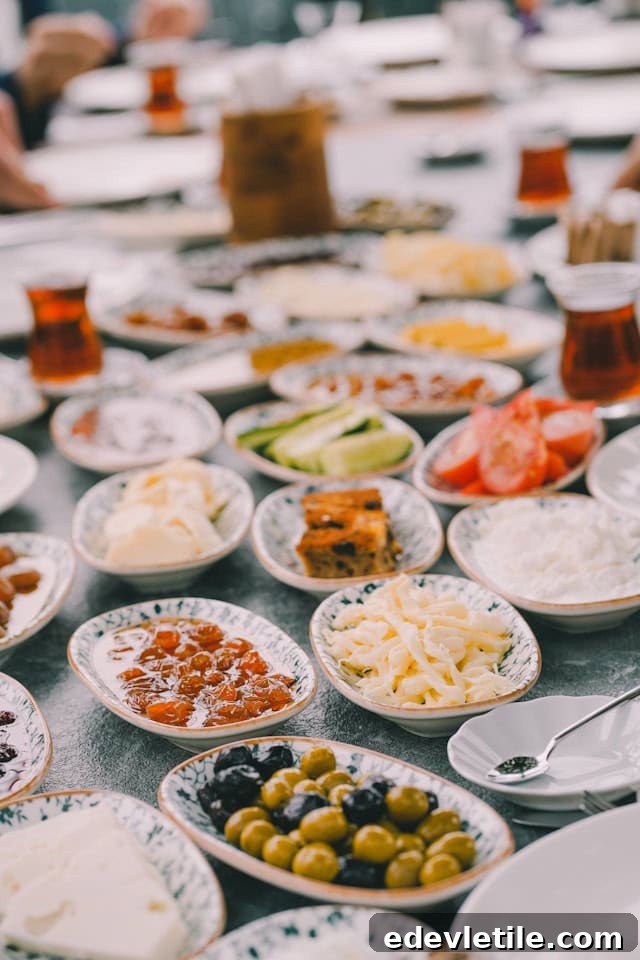
FOOD
Here are common menu terms and ingredient names to help you read a Turkish menu with confidence.
Food
Food — Yemek Yeh-mek
Drinks — İçecekler Ee-che-check-lar
Appetizers — Başlangıçlar Bash-lung-gich-lar
Main courses — Ana yemekler Anah Yeh-mek-lehr
Soups — Çorbalar Chor-buh-lar
Salads — Salatalar Suh-lat-ah-lar
Desserts — Tatlılar Tat-li-lar
Breakfast — Kahvaltı Kah-val-tea
Lunch — Öğle yemeği Ou-le yeh-meh-hee
Dinner — Akşam yemeği Ak-sham ye-meh-hee
Meats
Chicken — Tavuk Ta-vook
Beef — Et (or Sığır et) Ett
Calf — Dana Daa-na
Turkey — Hindi Heen-dee
Lamb — Kuzu Koo-zoo
Pork — Domuz eti Dou-mooz et-ee
Pork is rare in many Turkish restaurants because the country is majority Muslim, though you may find it in some specialty shops or cafés.
How would you like it?
I would like my meat (rare / medium / well done) — Etimi (az / orta / çok pişmiş) istiyorum Et-im-i (az / or-tah / chok pish-mish) ees-tee-yor-oom
Grilled — Izgara Is-gar-ah
Hot — Sıcak Sih-jak
Cold — Soğuk Sou-huk
Baked — Fırında pişmiş Fir-in-da pish-mish
Boiled — Haşlanmış Hash-lan-mish
Fried — Kızarmış Kuh-zar-mish
Seafood
Seafood — Deniz ürünü De-neez oo-roon-oo
Fish — Balık Bah-lick
Fish of the day — Günün balığı Gewn-oon ba-li-hee
Sea bream — Çipura Chee-poor-ah
Sea bass — Levrek Lev-rek
Salmon — Somon So-mon
Tuna — Tuna balığı Toon-a ba-lih-hee
Mussels — Midye Meed-yeh
Shrimp — Karides Car-ih-des
Calamari — Kalamar Kal-ah-mar
Octopus — Ahtapot Ah-ta-poht
Drinks
Water — Su Soo
Sparkling water — Maden suyu Mai-dan soo
Still water — Normal su Nor-maal soo
Tea — Çay Chai
Coffee — Kahve Kah-veh
Beer — Bira Beer-ah
Bottle of wine — Şişe şarap Shee-sheh sha-rap
Utensils & Accessories
Napkin — Peçete Peh-che-teh
Knife — Bıçak Bie-chak
Fork — Çatal Cha-tal
Spoon — Kaşık Ka-sheek
Plate — Tabak Ta-bak
Glass — Bardak Bar-dak
Cup — Fincan Feen-jan
Sugar — Şeker Sheh-kar
Salt — Tuz Tooz
Pepper — Karabiber Car-a bee-ber
Hot sauce — Acı sos Ah-jee soss
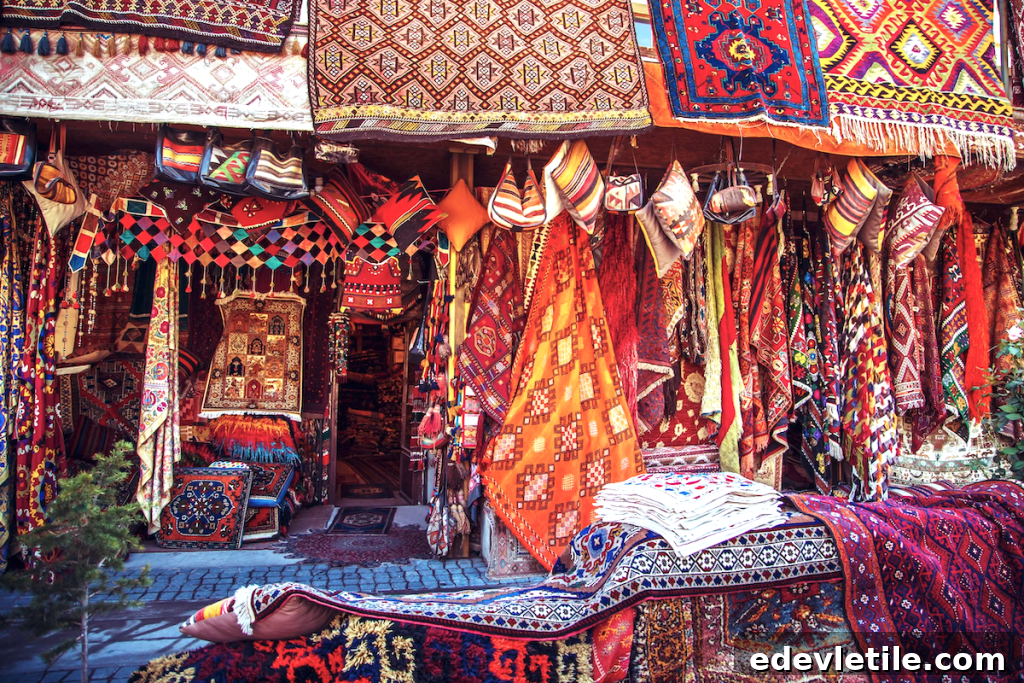
SHOPPING
Whether you’re exploring bazaars or modern malls, these phrases will help with browsing, bargaining, and buying.
Buyurun! — Come in / Here you are Booy-rune
You’ll hear buyurun frequently from shopkeepers inviting you to look at their goods or menu.
How much (does this cost)? — Bu ne kadar? Boo neh ka-dar
I’m just looking, thanks — Sadece bakıyorum, teşekkürler Sah-de-je bak-yorum, te-sheh-kewr-lahr
I would like to buy this — Satın almak istiyorum Suh-tin all-mak ee-stee-yor-oom
May I try this on? — Bunu deneyebilir miyim? Boo-new deh-ne-yeh-bee-leer mee-yeem
Too small — Bu çok küçük Boo chok kew-chewk
Too large — Bu çok büyük Boo chok bew-yewk
Too expensive — Çok pahalı Chok pa-ha-liih
Cheap — Ucuz Oo-chew-z
Where do I pay? — Nereye ödüyorum? Ne-re-ye o-dew-yor-oom
Can I have a receipt? — Makbuz alabilir miyim? Mak-booz all-a-bill-eer mee-yeem
Can I have a bag? — Bir poşet alabilir miyim? Beer poh-shet all-a-bill-eer mee-yeem
Can you give a discount? — İndirim yapıyor musunuz? Een-deer-eem yap-ee-yor moo-suhn-ooz
Discount — İndirim Een-dir-eem
Bargaining — Pazarlık Pa-zar-lick
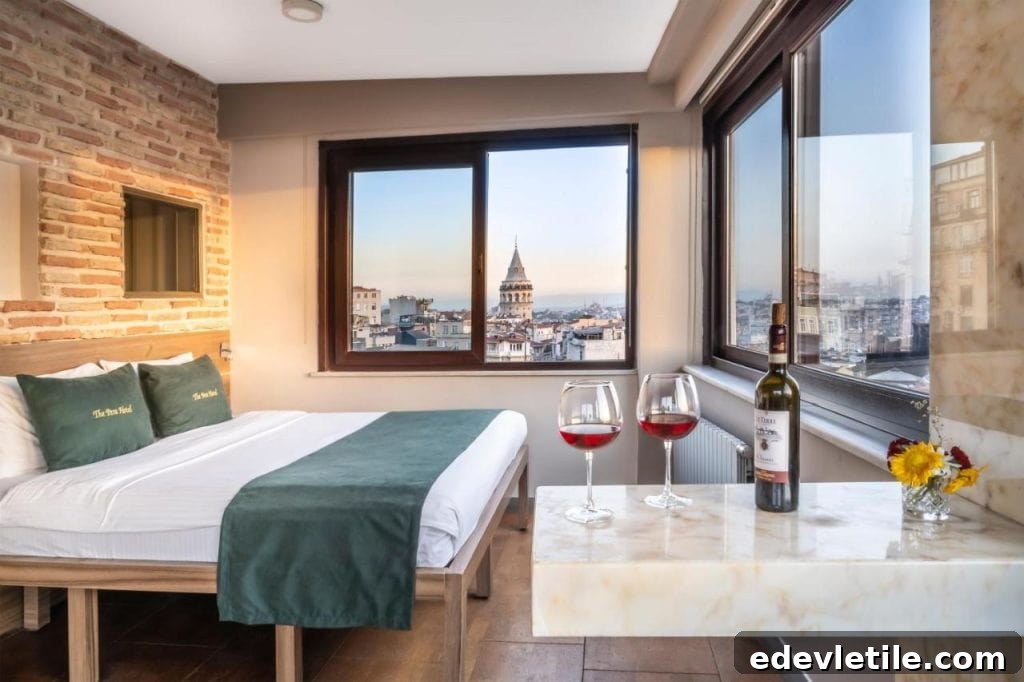
ACCOMMODATIONS
Hotel — Otel Oh-tel
Hostel — Pansiyon Pahn-see-yon
Reservation — Rezervasyon Re-zar-vas-yon
Room — Oda O-da
Bathroom — Banyo Bahn-yo
Elevator — Asansör Ah-san-sohr
Air conditioning — Klima Klee-ma
Balcony — Balkon Ball-cone
Shower — Duş Doosh
Room service — Oda servisi O-da ser-vee-see
Clean — Temiz Teh-meez
Dirty — Kirli Keer-lee
I would like a double room — [Çift kişilik] bir oda istiyorum Bee’ o-da is-tee-yor-oom
Can you give me the WiFi password? — Wifi şifresini verir misin? Wai-fai she-freh-si ver-eer mih-sin
When is check-out time? — Otele çıkış saat ne zaman? Oh-tel-eh cik-ish saaht neh za-mahn
The hotel is very good — Otel çok iyi Oh-tel chok ee-yee
The room is too noisy — Oda çok gürültülü Oh-da chok goo-rool-too-lew
OTHER TIPS
Most Turkish words are stressed on the final syllable.
Some letters and sounds that may be unfamiliar:
Ç = ch (as in chat)
Ş = sh (as in shoe)
Ö ≈ short e in early
Ü ≈ the eu sound in dew
I (undotted ı) ≈ the short i in cousin
The letter Ğ (soft g) is not pronounced like a regular g; it lengthens the preceding vowel. For beginners, treat ğ like a soft h or simply lengthen the prior vowel.
Don’t be afraid to try. Turks appreciate the effort to speak their language and are generally helpful and encouraging.
Congratulations — you’re ready to explore Türkiye and use practical Turkish on your trip. Yolun açık olsun: may your road be open!
Photo credits: Dolmabahçe via Meriç Dağlı | Bosphorus view via Despina Galani | Simit Seller via Zeki Okur | Turkish breakfast via Lala Azizli | Seats with Turkish flag via kub liz