Is Rural Turkish Village Life Disappearing?
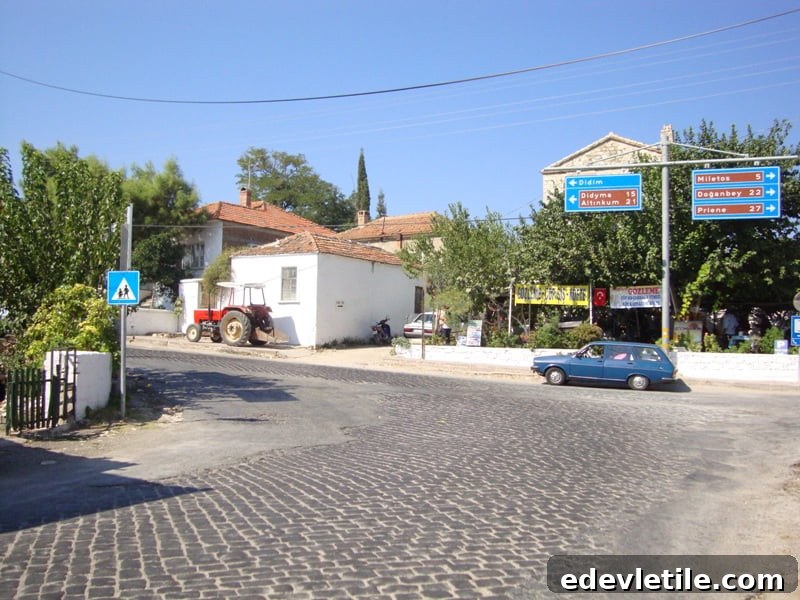
This morning I found myself torn between the tourist bustle of Altinkum and the quiet of a nearby village. After a breakfast of familiar comforts and a few minutes of people-watching, I headed inland with two friends to explore Akkoy, a small settlement between Soke and Didim on the Aegean coast. I’ve driven past Akkoy many times, but this was the first time I stopped.
 The Turkish Village of Akkoy
 The Turkish Village of Akkoy
About thirty minutes later we arrived in Akkoy. I expected to see traditional village scenes — simple shops, stone houses and men heading to the tea house. Instead, the first thing that caught my eye were rows of beach towels and inflatable toys hanging outside shops. Cartoon-printed towels and swim rings stood out in a place that is not on the shoreline and does not host crowds of beachgoers.
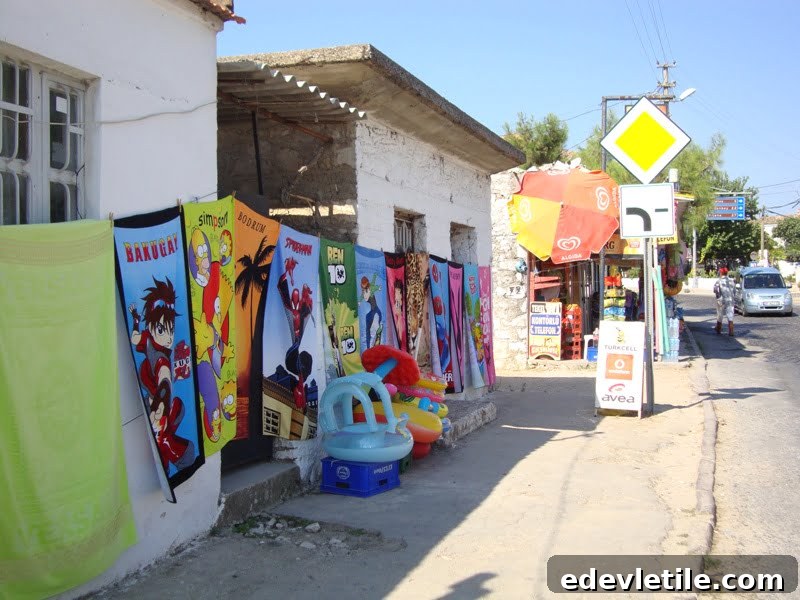 The sight was surprising: Simpsons, Spider-Man and novelty towels displayed alongside plastic inflatables. It felt out of place and raised questions about how the village sees itself and its economy.
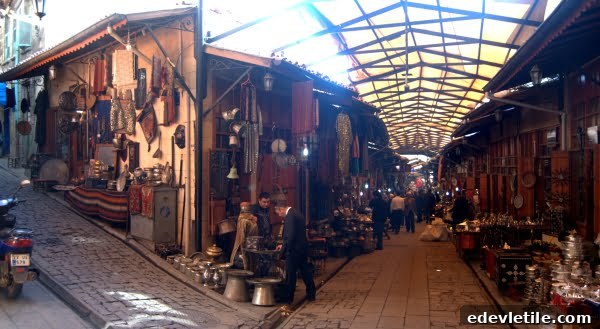
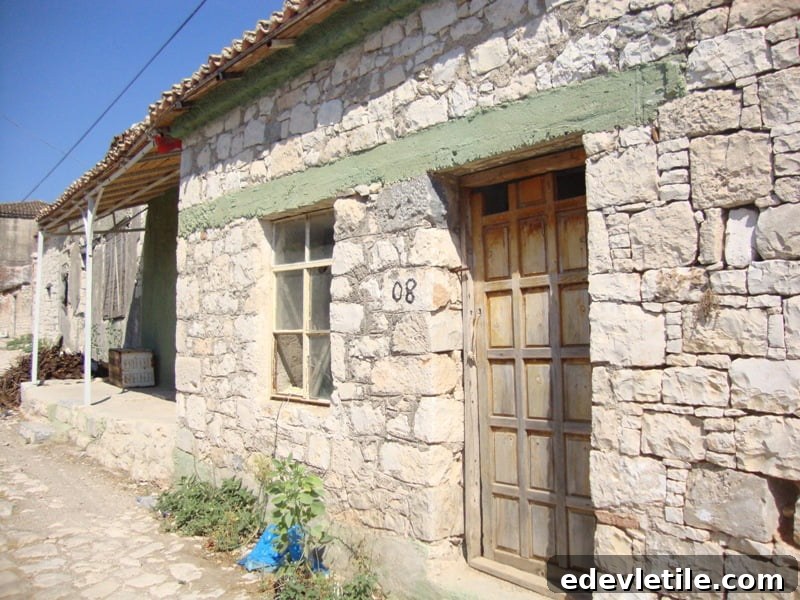
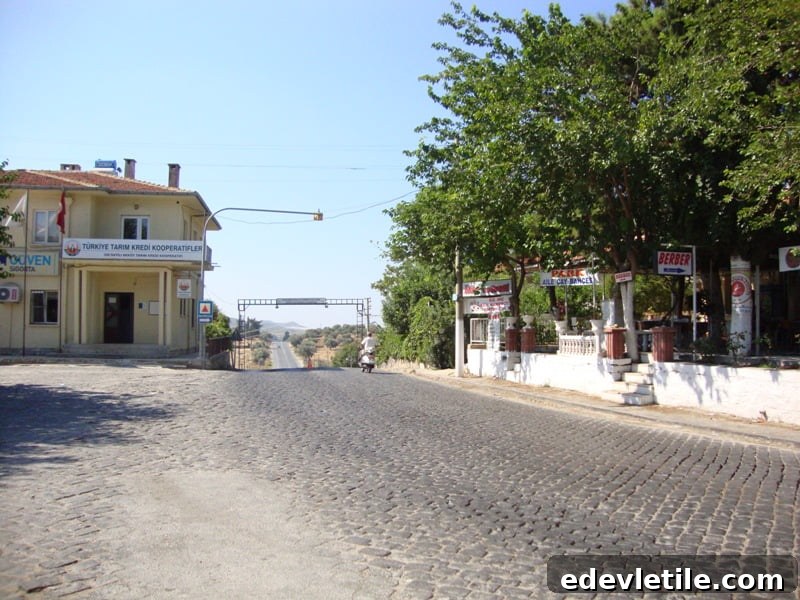
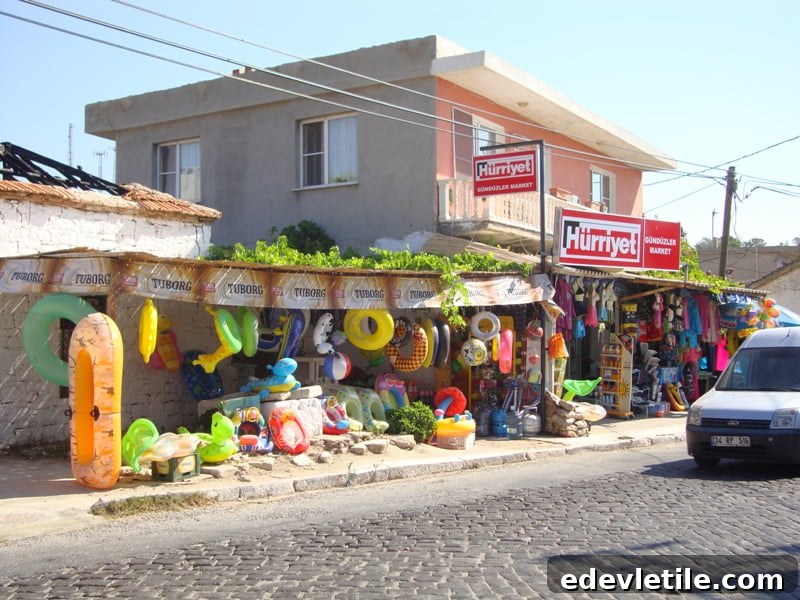 A walk through the village revealed many empty shops, abandoned houses and a quiet, almost lifeless atmosphere. One of the things I love about Turkey is how easy it is to strike up conversations with strangers, but on this visit the village felt subdued and lacking in the lively friendliness I’ve come to expect.
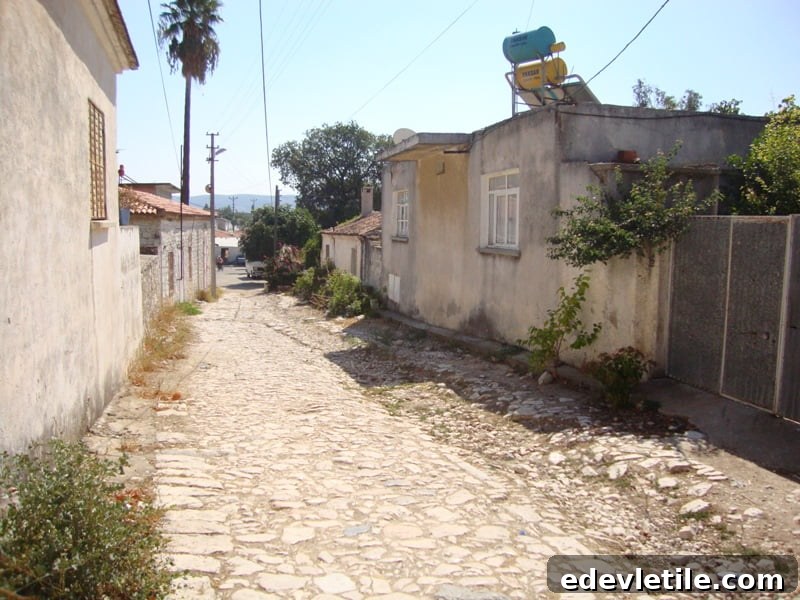
At times Akkoy felt like a place caught between past and present: the tourist kitsch suggested someone was preparing for visitors, while the empty streets hinted at decline. I wondered whether locals avoided strangers, but that didn’t explain the rows of novelty beach items on display.
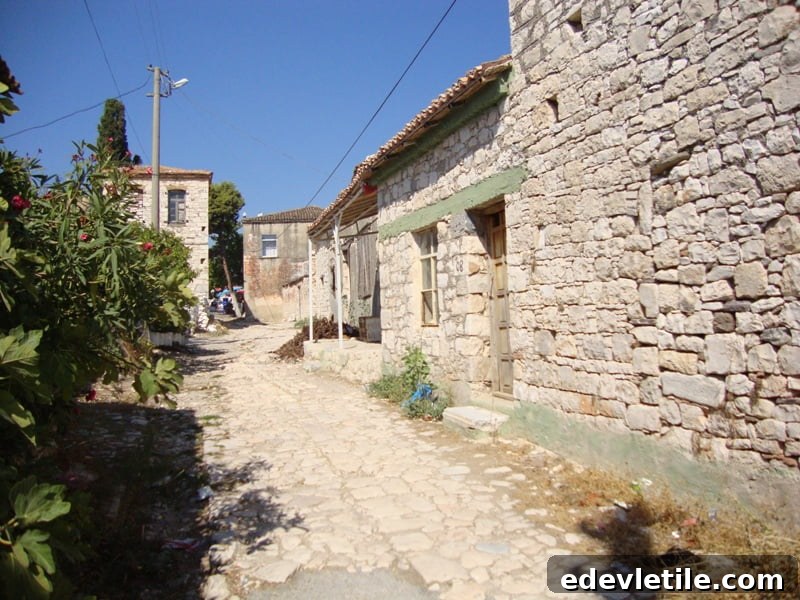 One clear trend was the absence of young people. Most have left to find seasonal work in holiday resorts and many do not return. Walking the lanes, I imagined what Akkoy might look like in twenty years if this continues. The same pattern may be affecting small villages across the region as urban development and tourism hubs draw people away from traditional rural life.
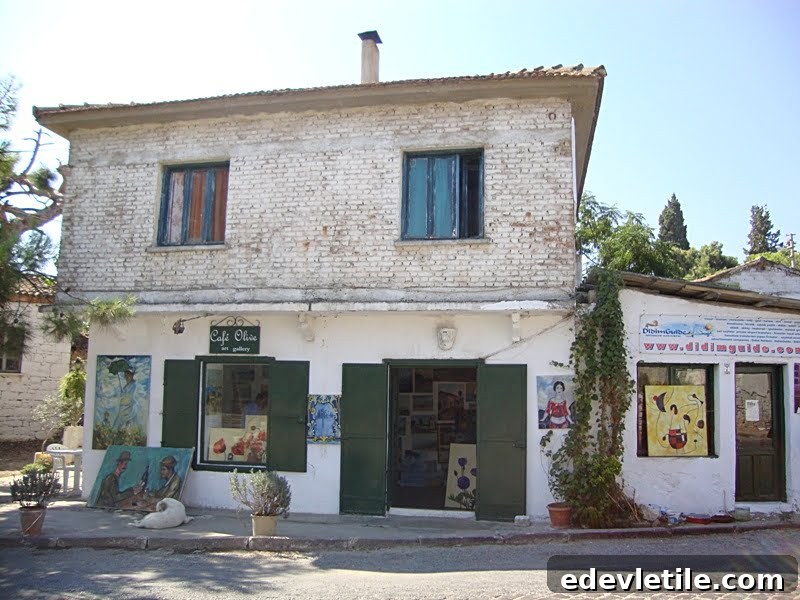
 Despite the quiet, there are pockets of creativity. Café Olive Gallery stood out: it showcases paintings by a local artist and is run by Erken, who speaks good English. It’s a small, genuine cultural spot amid the quieter streets — worth a visit if you’re in the area.
Turkish Village Life: The Future
If Akkoy resists meaningful tourism, it risks further decline as young people continue to leave. Yet the village appears to be heading in the wrong direction when it comes to attracting visitors. Instead of selling mass-produced seaside goods that belong in resort towns, Akkoy could build on its authentic strengths.
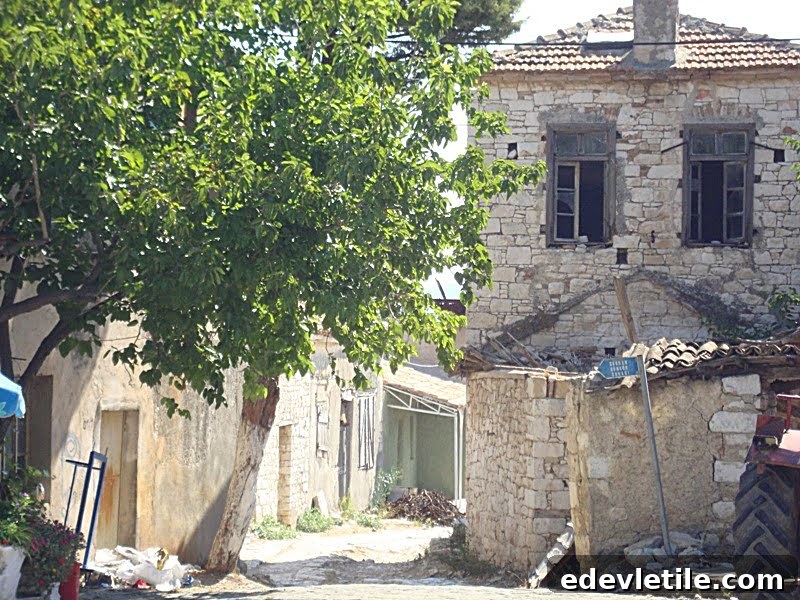
A different approach would highlight traditional village life: stock shops with local honey, olive oil and handmade goods; promote family-run restaurants where local cooks prepare regional dishes; offer bicycle rentals for visitors to explore nearby archaeological sites like Miletos and Priene; and convert empty homes into small museums or cultural spaces. These ideas would preserve local character and offer visitors a unique experience — much more meaningful than another rack of cartoon towels.
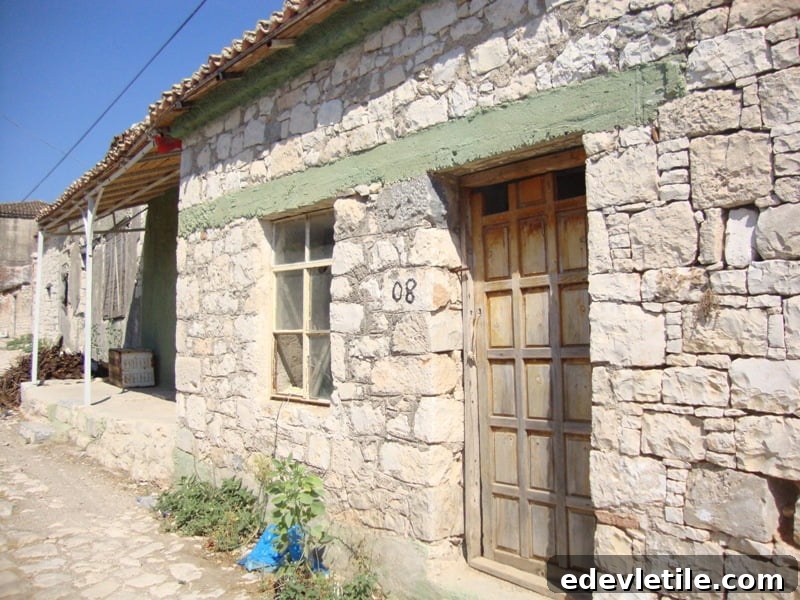
Akkoy still has potential. With thoughtful small-scale initiatives that celebrate local traditions and crafts, the village can attract visitors who want an authentic experience while providing opportunities for young people to stay and build a future at home. For now, I left feeling hopeful that with the right direction Akkoy could revive its streets and survive the pressures pulling people toward the resorts.