Ultimate Travel Guide to Trabzon: Top Attractions & Tips
Trabzon may not rank among my favorite Turkish cities, but it is an excellent base for exploring the surrounding region. While Western tourists are relatively rare, travelers from the Middle East and neighboring countries are common. In the 1990s the city prospered as a center of suitcase trade: with the opening of borders after the fall of socialism in the Soviet Union and Eastern Europe, many visitors from those regions traveled to Turkey to purchase goods for resale, generating significant local revenue.
Today most travel agents in the area offer short packages, often four-day tours. I initially planned to travel independently because I wanted to continue east toward the Kaçkar Mountains, but solo travel there proved costly. Joining a seven-day guided tour turned out to be a smart decision: it reduced my expenses and gave me access to local knowledge from a guide who had lived in Trabzon his whole life, sharing cultural and historical details not easily found online.
Q&A for the Trabzon Travel Guide
Where is Trabzon?
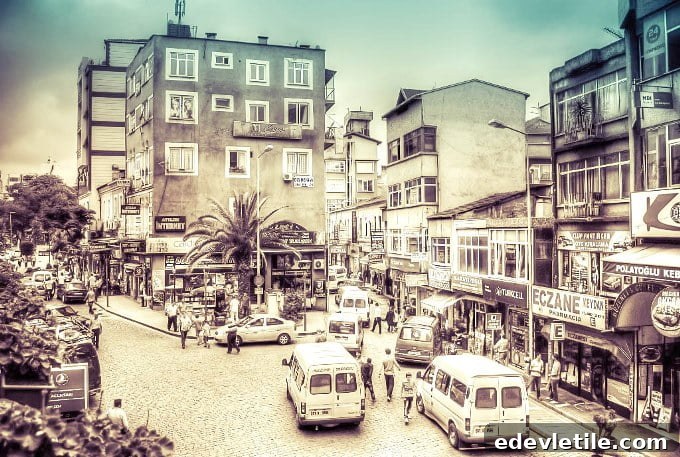
Trabzon sits on Turkey’s northeastern Black Sea coast, near the border with Georgia and close to Rize, the country’s tea-producing hub. The metropolitan population is around 770,000. Many locals identify as Laz, an ethnic group native to this part of the Black Sea region. Historically, Trabzon’s coastal position made it an important trading port, including a role on routes connected to the old Silk Road.
What is Trabzon Famous For?
Locals sometimes call Trabzon the “city of sultans” because it is associated with notable figures from Ottoman history. Within Turkey it is also known for its football team and for producing high-quality hazelnuts—thanks to the favorable climate and soil—exported in large quantities each year. The city’s coastal location supports a thriving fishing industry, and regional cuisine often features hamsi (anchovies).
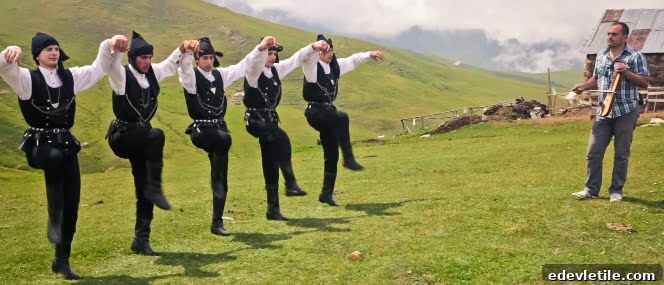
A distinctive cultural highlight of the area is the Horon, a fast-paced, rhythmic folk dance unique to the Black Sea region. The dance’s energetic, coordinated steps are a memorable example of local tradition.
What’s the Weather Like?
Trabzon has a humid subtropical climate, quite different from the drier Aegean and Mediterranean coasts. Summers are mild to warm, with average daytime temperatures typically between 20 and 25 °C. Winters are colder and often snowy, especially inland. I visited in June and found daytime temperatures pleasant but nights could be surprisingly chilly, particularly when traveling toward the mountains.
How to get there
The fastest way to reach Trabzon is by air. The airport’s runway sits very close to the sea; on approach it can feel as if you are landing on water. Domestic traffic is busier than international, and many international travelers connect through Istanbul. The airport is roughly a 15-minute drive to the city center; taxis are convenient, and a shuttle bus service is also available. Long-distance buses serve Trabzon from cities across Turkey, but routes such as Istanbul–Trabzon often take around 13 hours and may run overnight.
Where to Shop?
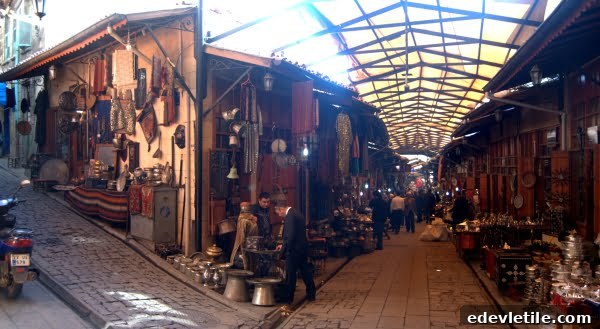
As the 30th largest city in Turkey, Trabzon offers a broad range of shopping options. The Forum Trabzon mall is a popular modern shopping center with brand stores, a cinema and family entertainment facilities. Local markets and smaller shops throughout the city sell regional products, including tea, hazelnuts, and traditional handicrafts.
Real Estate and Property
In recent years Trabzon has drawn interest from foreign property buyers and investors, particularly in new-build apartment developments that offer relatively affordable prices. Yomra, on the city’s outskirts, is a commonly recommended neighborhood for those seeking mid-range properties with convenient access to the city center.
Places to Visit in Trabzon City Centre
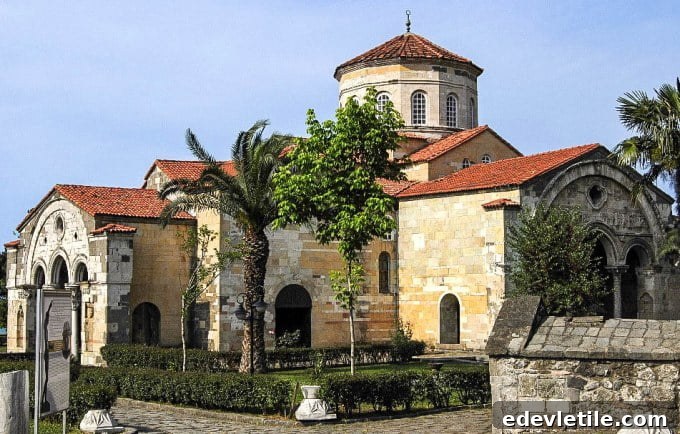
Set aside a day to explore Trabzon’s central attractions. I enjoyed walking along the seaside promenade, stopping at cafes and taking photographs. Highlights include the 13th-century Hagia Sophia of Trabzon. Smaller than Istanbul’s namesake, its interior frescoes and Byzantine architecture are striking. At the time of my visit there were discussions about converting the museum to a mosque, which led to legal proceedings; its status remained unchanged while the matter was decided.
The Atatürk Pavilion, a three-story 19th-century mansion, displays personal items associated with Mustafa Kemal Atatürk and is a popular photo spot for locals. Other notable landmarks include the 16th-century Gülbahar Mosque and tomb, and the remnants of an old castle overlooking the city.
From Trabzon to Uzungöl
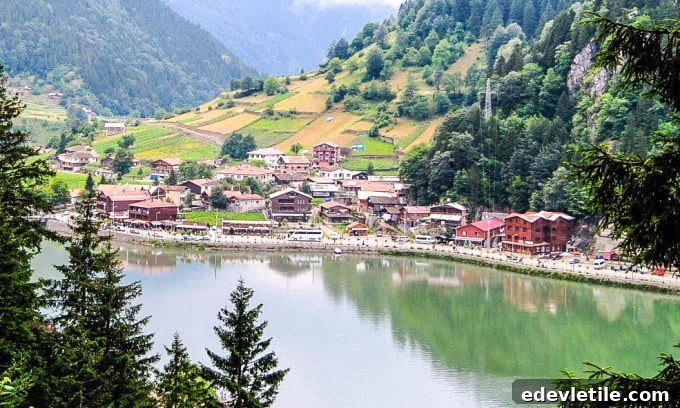
A recommended excursion from Trabzon is Uzungöl, a scenic lake surrounded by dense forests about 100 kilometers away, roughly a 90-minute drive. Many agencies offer day trips; I opted to stay overnight in a traditional wooden hotel at Uzungöl, which allowed more time to explore the surrounding plateaus such as Demirkapı and to enjoy the tranquil mountain scenery.
Day Trip: Sumela Monastery in the Maçka District
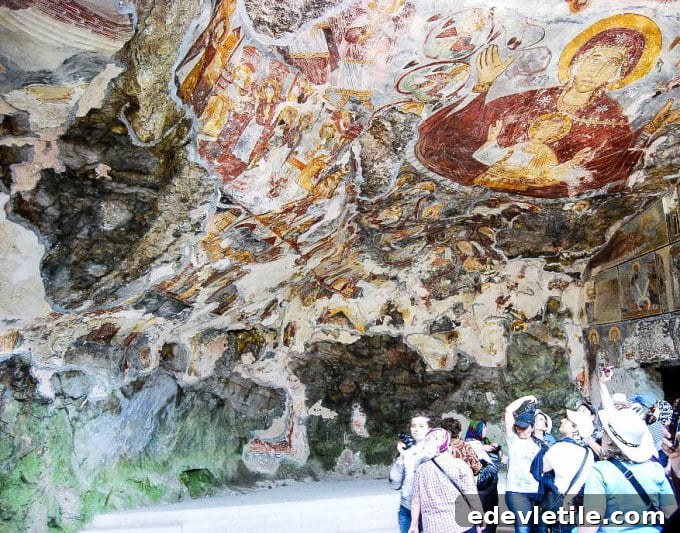
One of the region’s must-see sites is the Sumela Monastery, a historic Greek Orthodox monastery founded around the 4th century and dramatically set against a cliff in the Maçka district. It is a short drive from the city center. The uphill walk can be demanding, but stunning frescoes, the panoramic views and the monastic quarters make the effort worthwhile.
Recommended Reading
For deeper historical context and detailed guides to Hagia Sophia and Sumela Monastery, look for local publications by Trabzon authors. One notable guide by resident Ismail Köse is well regarded locally and can often be found for sale in the city’s bookstores.