Gaziantep War Museum: Inside the Siege of Antep and Its Legacy
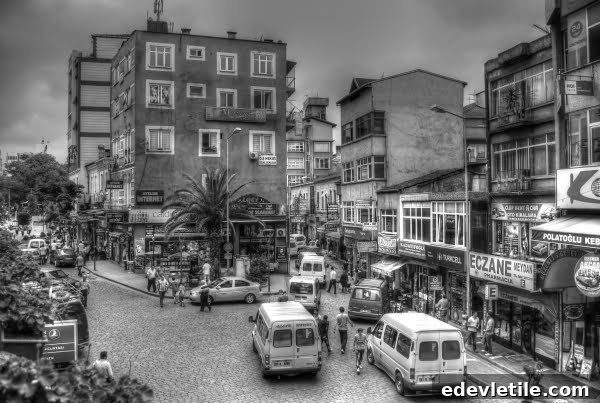
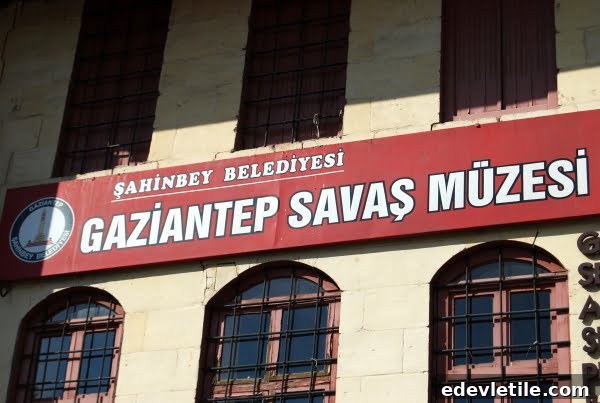
“The city of museums” is an apt description for Gaziantep, the lively southeastern Turkish city famous for its rich history and many exhibitions. If you plan a museum tour, two that stand out are the display in Gaziantep Castle and the Gaziantep War Museum. Both focus on the city’s role in the Turkish War of Independence, with particular attention to the Siege of Antep (1920–1921).
Gaziantep emphasizes this episode because the siege nearly decimated its population. The story of courage and sacrifice is central to the city’s identity and is reflected throughout local museums and memorials.
The Siege of Antep
After World War I, the defeated Ottoman Empire’s territories were divided by the victorious Allied powers. British units briefly occupied Antep in 1919, then withdrew and left the city to French control. One of the earliest measures taken by the French was to block supply routes, cutting off food and essentials to the population.
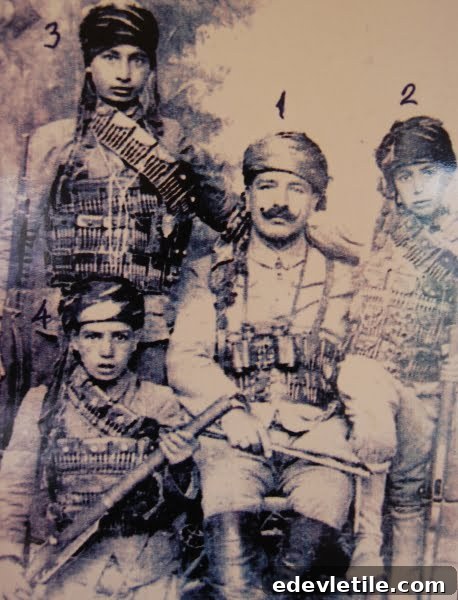
Faced with starvation and illness, many cities would have surrendered. Instead, the people of Antep resolved to resist. Men, women and children all contributed to the defense: women tended the wounded, helped manufacture weapons and fought alongside men; children gathered used bullets to be melted down; men improvised weapons and even fashioned crude explosives from household items.
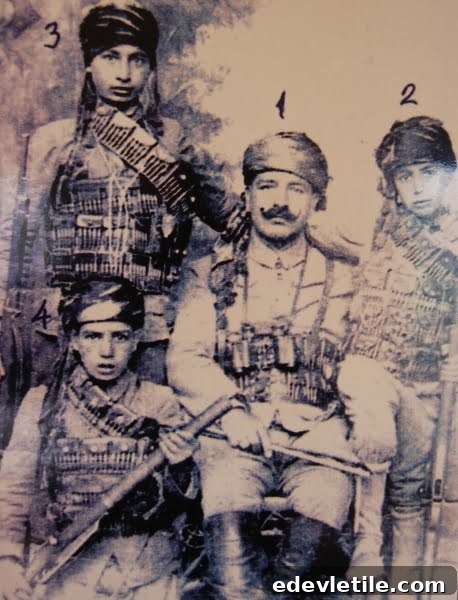
More than 6,000 civilians, including many children, died during the year-long siege. Still, the defenders prevailed through their determination. Local leaders and citizens became symbols of resistance; one prominent figure, Şahin Bey, famously said, “The only way the French will enter this city is over my body.”
In recognition of the city’s sacrifice and heroism, the Turkish leadership added the honorific Gazi, meaning “war hero,” to the city’s name. Mustafa Kemal Atatürk, the founder of modern Turkey, praised Gaziantep’s people as exemplary: “Every Turkish city, every town and the smallest Turkish village can accept the people of Gaziantep as examples of heroism.”
Gaziantep War Museum
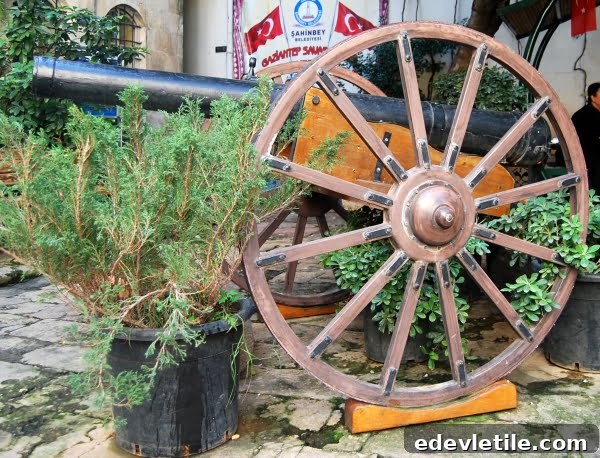
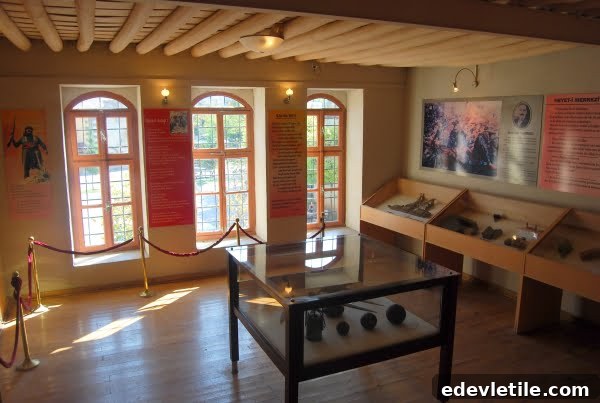
The Gaziantep War Museum is housed in an old Ottoman residence and comprises about a dozen rooms filled with artifacts, documents and personal stories from the siege. Photographs of families, written testimonies, uniforms and weaponry are displayed in a way that emphasizes the human cost of the conflict. Many exhibits honor individuals who fought and died, commemorated as martyrs by later generations.
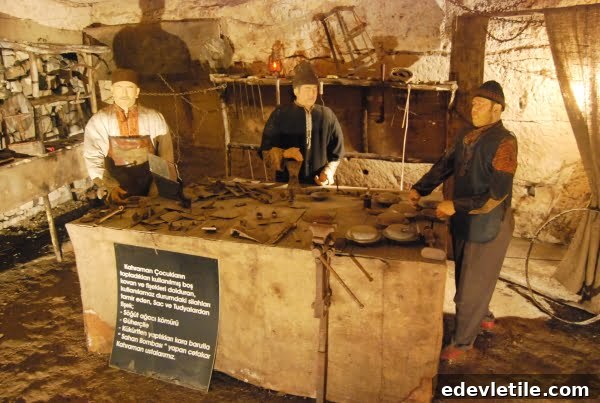
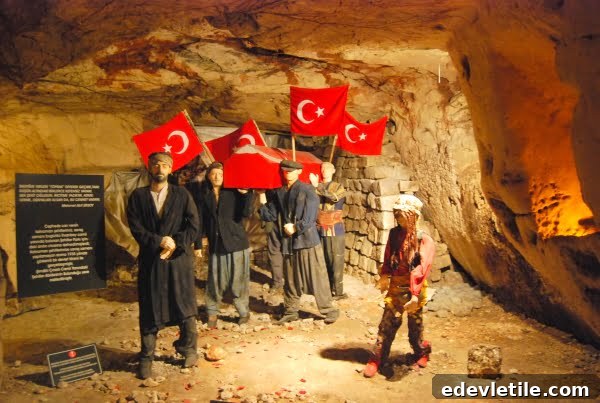
Visitors can continue the experience by descending into recreated underground shelters and caves where life during the siege is reconstructed with wax figures and dioramas. These scenes aim to convey the daily realities—hunger, fear, resourcefulness and solidarity—rather than providing entertainment. They remind visitors how different many childhoods once were compared with modern comforts.
The museum’s displays prompt reflection about the ongoing presence of conflict and hardship elsewhere in the world. While technological progress and education have advanced, war and famine still affect millions, and museums like this preserve memories that speak to those continuing struggles.
Additional Info about the Gaziantep War Museum
The museum is generally open from 8:30 AM to 5:00 PM, with a closure for lunch between 12:00 PM and 1:00 PM. Not all exhibits include English translations, so visitors who do not read Turkish may find a guidebook or a local guide helpful to fully appreciate the displays.