Surprising Facts About Turkey You’ve Never Heard Before
Many people arrive in Turkey with preconceived notions. I admit I did too, and it wasn’t until I visited that I truly fell in love with the country. Each year I live here I discover more fascinating facts about Turkey, and some of them are surprising.
9 Facts about Turkey
1 – Tulips actually originated in present-day Turkey, not Holland. They were introduced to the Netherlands from the Ottoman Empire in the 16th century. You can see tulip motifs in Islamic art created before that period, and traditional Turkish carpets often include tulip patterns.
2 – St. Nicholas, commonly known as Santa Claus, has his origins in what is now Turkey. During his lifetime the region along Turkey’s southern coast was predominantly Greek. This connection surprises many visitors.
3 – St. George, the patron saint of England, is also linked to Turkey. He was born in the area of Cappadocia and later served as a Roman soldier in the eastern provinces. Tradition holds that he opposed the persecution of Christians.
4 – Mount Ararat in eastern Turkey is traditionally identified as the resting place of Noah’s Ark. The mountain attracts archaeologists and researchers who continue to search for evidence related to the story.
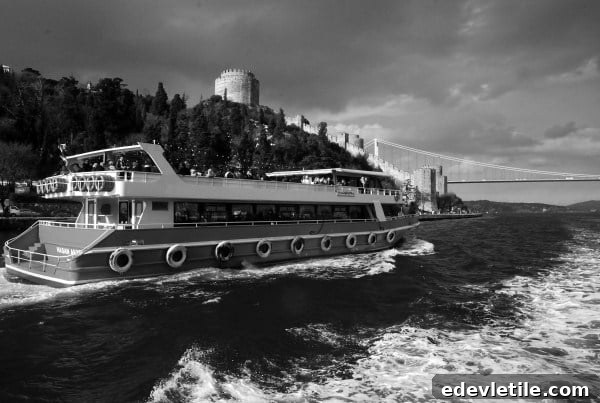
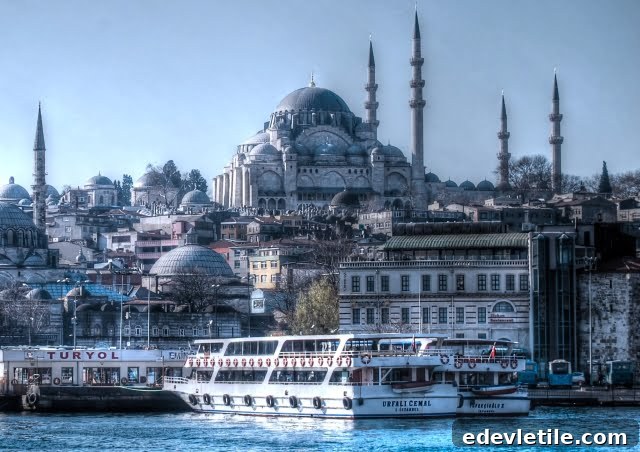
5 – Istanbul is the only major city in the world that spans two continents. The larger portion lies in Asia while a smaller part is in Europe, divided by the Bosporus Strait, which connects the Black Sea to the Sea of Marmara.
6 – One of the oldest churches built by humans is located in Antakya (ancient Antioch): St. Peter’s Church. Now functioning as a museum, it can still host religious services with special permission and remains an important early Christian site.
7 – The modern nation is officially the Republic of Turkey, established in 1923. Before that, the territory was part of the Ottoman Empire. Following World War I the Ottoman state was partitioned by the Allied powers, but Turkish nationalists fought a war of independence and secured the republic’s borders.
8 – Turkey is considered one of the few largely self-sufficient countries. In many scenarios it could sustain food production and basic energy needs without relying entirely on foreign trade, thanks to its diverse climate and resources.
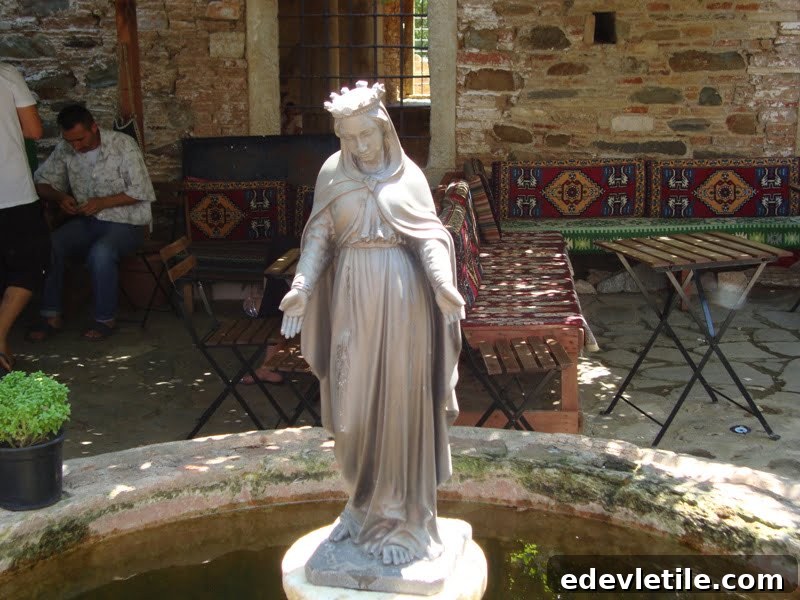
9 – A notable religious site in Turkey is the House of the Virgin Mary near Selçuk. In the late 19th and early 20th centuries, reports and local tradition led researchers to a house on a hillside that many believe to be Mary’s final home. The site was visited and recognized by several Christian leaders and today serves as both a pilgrimage destination and a place of worship. Visitors often drink from the nearby spring, enter the chapel, and light a candle.
Turkey is a country full of layered history, diverse cultures, and unexpected connections to well-known figures and traditions. If you have other interesting facts about Turkey, please share them to expand this list.