Discover Turkey’s History: A Traveler’s Guide to Historic Sites
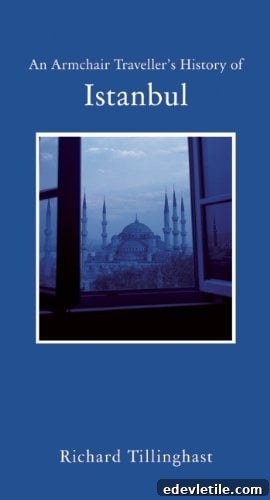 From the opening chapter, Richard Tillinghast’s travel guide to Turkish history draws you in. A writer and poet who first visited Turkey in the 1960s, Tillinghast blends interviews, archival research and personal memory to create a textured portrait of Istanbul. His approach—mixing lived experience with historical detail—brings the city to life in a way few travel writers manage.
Tillinghast is no casual visitor. He arrived in an era when tourism was still uncommon outside the backpacking hippie routes through the Middle East. His memories of black-market currency trading, smoking on a pudding-shop roof, surviving a small earthquake and sleeping on the floor of the Orient Express are woven together with accounts of Byzantine rulers, Ottoman sultans, mosques and the multicultural neighbourhoods that once housed Jewish and Armenian communities.
This book traces roughly fifty years of the author’s effort to learn the language, understand religious practices, and absorb local customs—an immersive apprenticeship in the art of travel writing. The result is one of the most insightful and readable guides to Istanbul’s past and present, balancing personal anecdotes with solid historical context.
A Travel Guide to Turkish History
Although subtitled an armchair guide, the book also functions as a practical companion for visiting Istanbul’s main historical sites. Tillinghast’s walk-through of the Hagia Sophia, the building that has served as church, mosque and museum, stands out for its careful description and appreciation of the art and architecture inside.
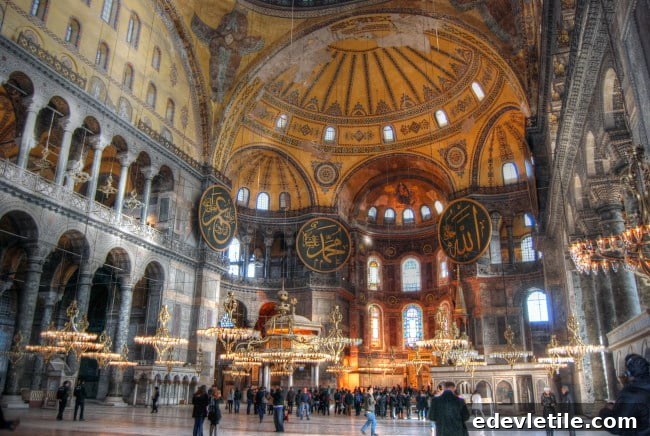
Few travel writers match his attention to the Hagia Sophia’s architecture and its Christian mosaics. On a return visit, readers will find it rewarding to follow his path through the museum and the upper gallery, seeing the building with his detailed observations in mind.
His overview of Ottoman cultural influences—tribal carpets, Islamic art, mosque architecture and calligraphy—forms a natural lead into a guided tour of Topkapi Palace, the early residence of Ottoman sultans after the conquest of Constantinople.
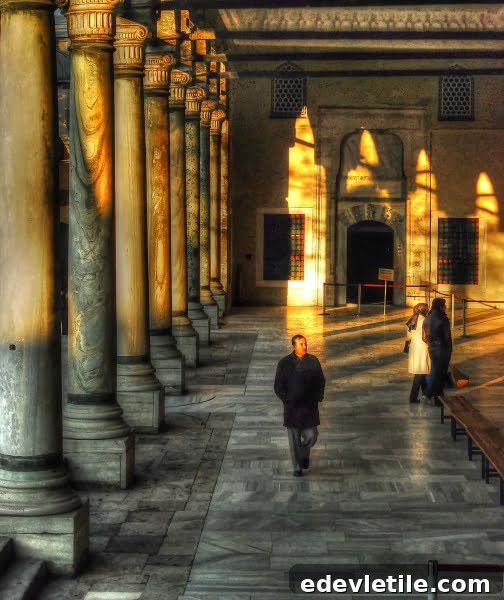
Writing about the palace kitchens, he reports: “What a lot of cooking went on there! Someone has uncovered the yearly inventory of ingredients from 1640 and has ascertained the cooks went through 1,130 tons of meat, 92 tons of spinach, 14 tons of yogurt, 265 tons of rice and so forth.”
The book does not shy away from darker aspects of Ottoman history. Tillinghast discusses the devshirme system—where young boys from non-Muslim regions were taken into service and sometimes castrated to serve in the palace—as part of a frank account of life in the imperial household.
He moves beyond individual monuments to the wider arc of Istanbul’s history, taking readers through the Archaeological Museum and the Sultanahmet district, and culminating in the seismic transition from empire to republic. The narrative includes the story of Mustafa Kemal Atatürk and the Gallipoli campaign, framed in the broader social changes that reshaped Turkey in the early twentieth century.
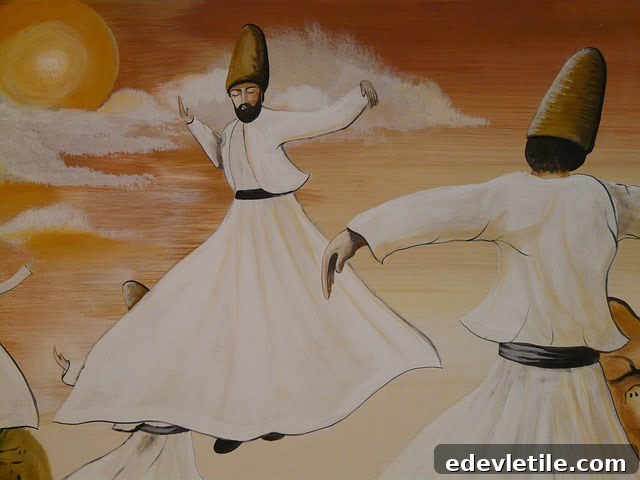
Tillinghast gives notable space to parts of the city many guidebooks overlook. A chapter on Istanbul’s Asian side brings attention to neighborhoods and stories less commonly visited by tourists. He also explores the lives of foreign residents and expatriates who lived in Constantinople during the 18th century, and he devotes a thoughtful chapter to the Whirling Dervishes and Sufism—religious practices that have moved from a living tradition to a presentation often packaged for visitors.
The book concludes with a chapter on Turkish cuisine and a concise timeline of rulers—from Byzantine emperors through Ottoman sultans to modern Turkish presidents—making it both a satisfying armchair read and a useful on-the-ground companion. Whether you plan to visit Istanbul or simply want to explore its history from home, Tillinghast’s blend of memoir and scholarship offers a lively, well-informed introduction.
Readers have responded positively to the book’s approachable style and depth of knowledge. It is available in hardback and electronic formats for those who want to dive deeper into Istanbul’s layered past.