Ottoman Stone Bridges of the Fırtına River: History & Visitor Guide
In Turkey’s Rize province lies the Fırtına Valley, a landscape of dense green hills that feels a world away from Istanbul or the Aegean coastline. The area preserves a distinctly rural character: traditional Black Sea-style guesthouses, small villages, and customs that remain close to their roots.
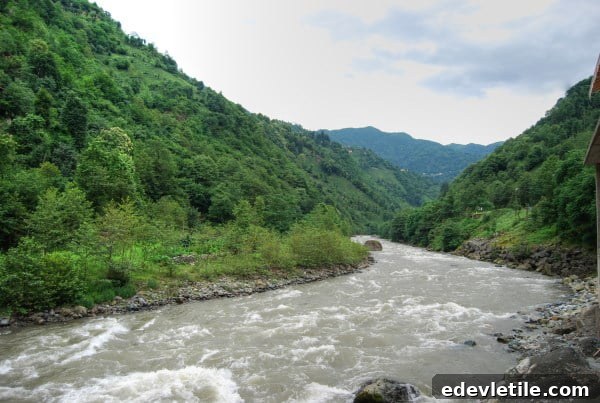
The valley is defined by the river that runs through it. Fed by numerous streams from the Kaçkar Mountains, the river flows for about 57 kilometres. Its swift currents make the Fırtına ideal for activities such as white-water rafting and canoeing, yet the valley has quieter attractions that draw many visitors.
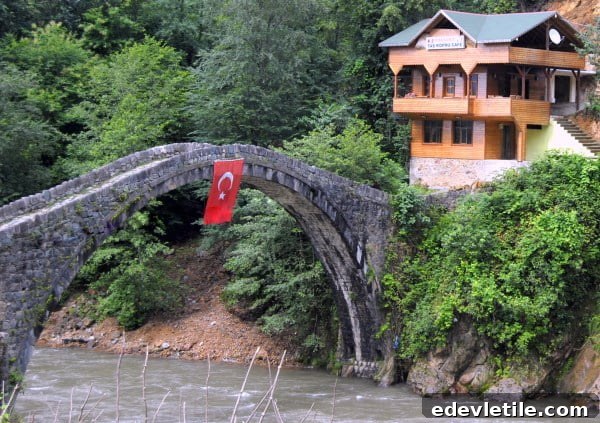
One of the valley’s most compelling features is its collection of historic stone bridges. At first glance they may seem like simple local crossings, but these structures are exceptional examples of traditional craftsmanship.
What makes the bridges special?
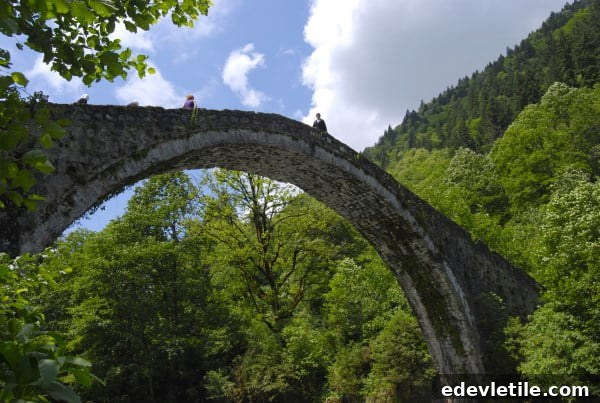
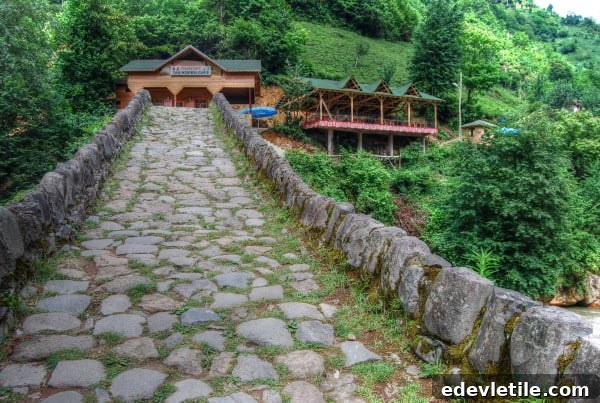
About twenty stone bridges span various points along the river. Most date from the Ottoman period, and a few are even older, predating the 18th century. Local stonemasons built them with remarkable skill, and the level of preservation speaks to their expertise. Many bridges feature high arches designed to withstand the river’s frequent floods, a practical response to the valley’s seasonal water levels.
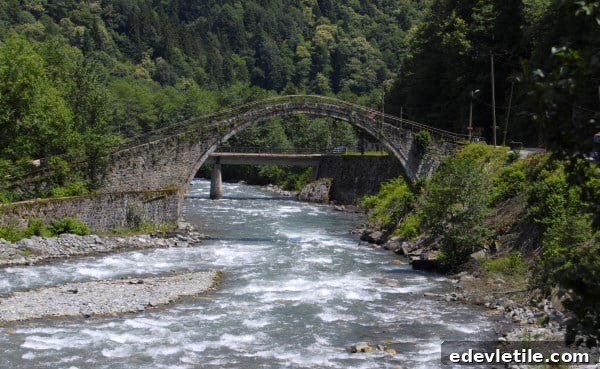
Seeing these bridges in person makes it easy to appreciate the achievement: built largely by hand without modern machinery, they stand firm against a powerful, fast-flowing river. The combination of practical design and skilled workmanship gives each bridge a timeless quality.
Taşkemer Köprü in Çamlıhemşin
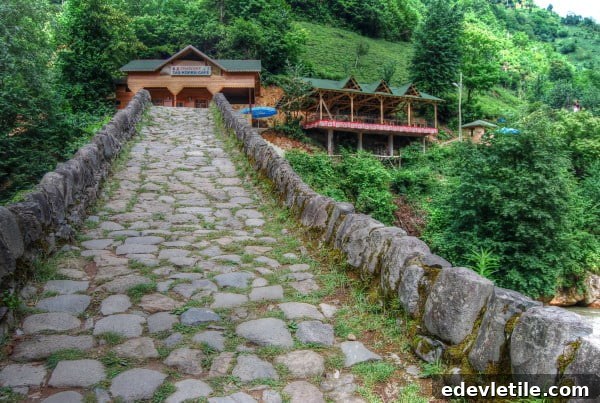
One memorable crossing is Taşkemer Köprü near Çamlıhemşin. Walking across its arch, you become acutely aware of the bridge’s age and the river’s force below. Despite the stonework’s evident strength, standing in the middle of the span can feel unnerving—imagination fills in how the structure must endure the rush of water beneath it. The incline and narrowness of some bridges make the walk physically demanding; many visitors pause to admire the view and the engineering that has lasted centuries.
For many travellers, the sensation of stepping onto these old bridges mixes admiration with a touch of apprehension. Still, the experience is part of the valley’s charm—these crossings connect not only banks of the river but also past and present.
If you plan a visit to the Fırtına Valley, set aside time to find these Ottoman-era stone bridges. Each one tells a story of local craftsmanship, resilience, and the landscape that shaped them.