Beypazarı Telkari Master: Handcrafted Silver Filigree Artistry
I first encountered Telkari in the southeastern city of Mardin, a place well known for this delicate form of jewelry that attracts both locals and visitors. The designs there differ noticeably from pieces commonly sold along Turkey’s western coast, which are often sourced from the major center of Istanbul.
What is Telkari?
Telkari is a centuries-old craft in which extremely thin wires of silver or gold are shaped, braided and fused to form intricate jewelry and decorative objects. Craftsmen often incorporate small silver beads or precious stones into the delicate lace-like patterns. One of the most striking pieces blends a bracelet and ring into a single item that covers the back of the hand with a woven mesh.
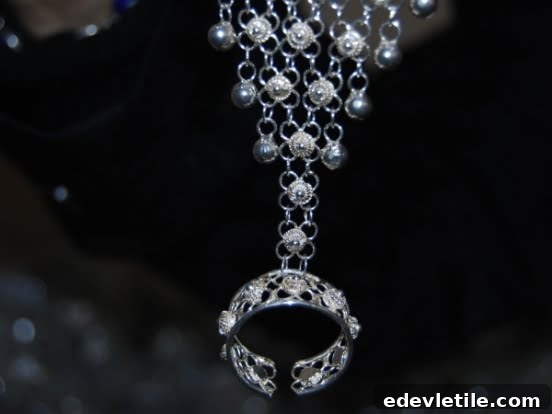
The closest Western equivalent to Telkari is filigree. The technique is not unique to Turkey but shared across the Middle East and parts of Asia. Still, seeing a Telkari master work up close remained something I wanted to experience.
In Mardin I had no luck: every time I asked shopkeepers about a Telkari master, they said he was unavailable. Disappointed, I left without witnessing the craft in person.
Telkari in Beypazari
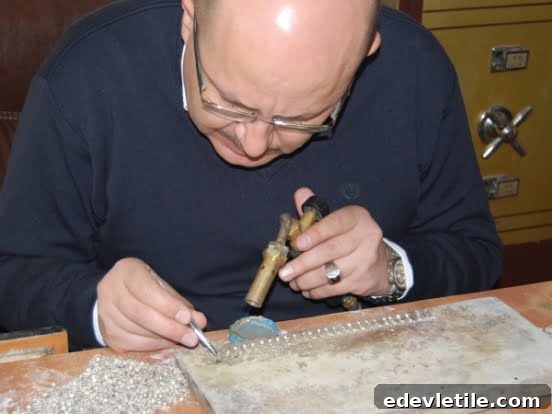
A few weeks later, strolling through Beypazari, I noticed a jeweler bent over his bench, a blowtorch in one hand and tweezers in the other. When I asked, he explained he was making Telkari. I learned that, alongside Mardin, Beypazari is one of Turkey’s important Telkari production centers.
Beypazari even won first place in a Cultural Souvenir Design contest organized by the Ministry of Culture and Tourism for its Telkari designs.
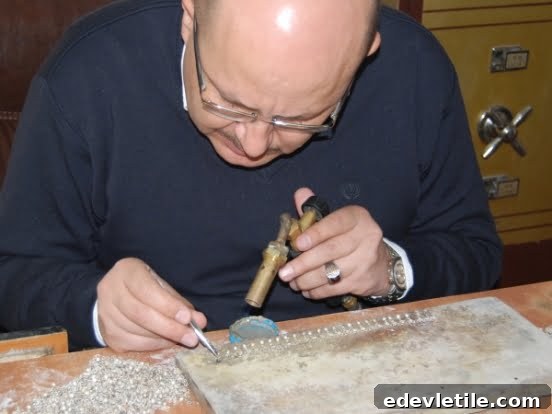
I was delighted as the craftsman lit the flame and began fusing the fine wires. He welcomed my questions and didn’t mind my camera. During our conversation he mentioned that he travels to Mardin monthly and supplies many shops there, which may explain why I couldn’t find a Telkari master on my earlier visit.
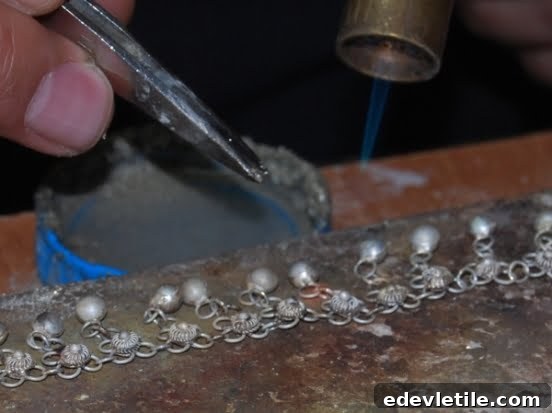
Creating Telkari demands steady hands, sharp eyesight and a great deal of patience. The craftsman I watched had learned the trade from his father, who learned it from his father before him. For generations, the men in his family continued the tradition.
However, the current craftsman told me his son chooses not to carry on the work. He believes there are better-paying opportunities elsewhere, and his father agrees. The Telkari maker has even taken on an additional job because making Telkari alone no longer provides a reliable income.
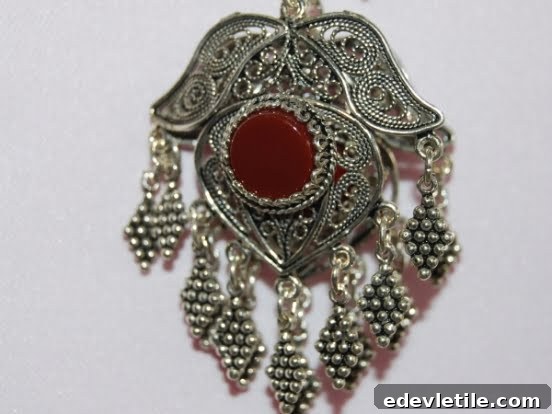
I hope this delicate art does not vanish. Some suggested to me that Mardin shops might now be sourcing Telkari from Beypazari because local production in the southeast is declining. If the tradition is at risk, one practical response could be to emphasize Telkari’s rarity and craftsmanship—positioning pieces as collectors’ items and pricing them accordingly to sustain artisans.
Readers Question: Do you own any pieces of traditional Telkari?