Yıldız Palace Guide: Tickets, Top Sights, Insider Tips
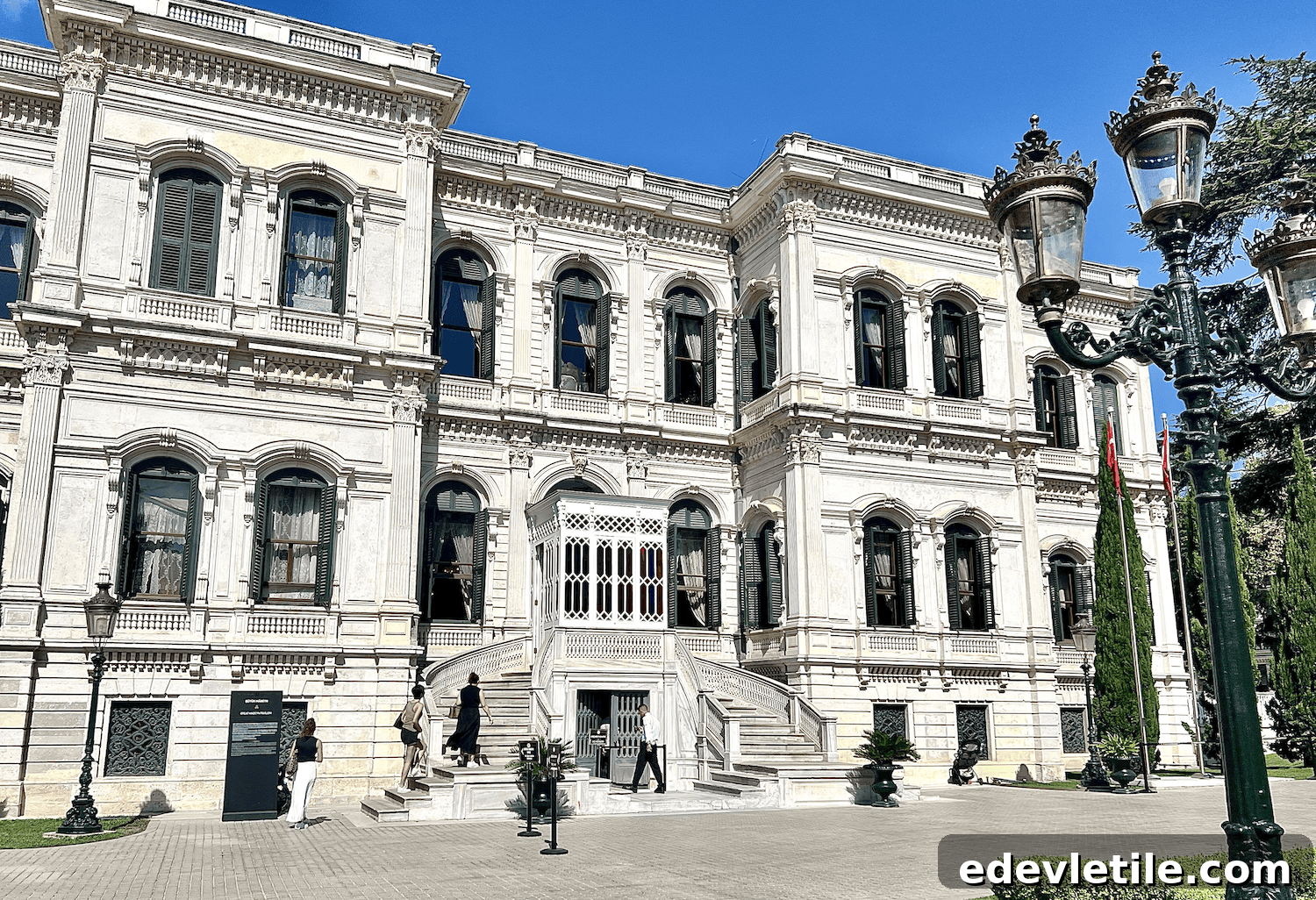
Planning to visit Yildiz Palace in Istanbul? As one of the city’s most underrated attractions, it remains a delightful hidden gem. This guide covers everything you need to know.
Yıldız Palace is often skipped in favor of better-known Ottoman sites like Topkapı or Dolmabahçe, but it is equally compelling and steeped in history and intrigue.
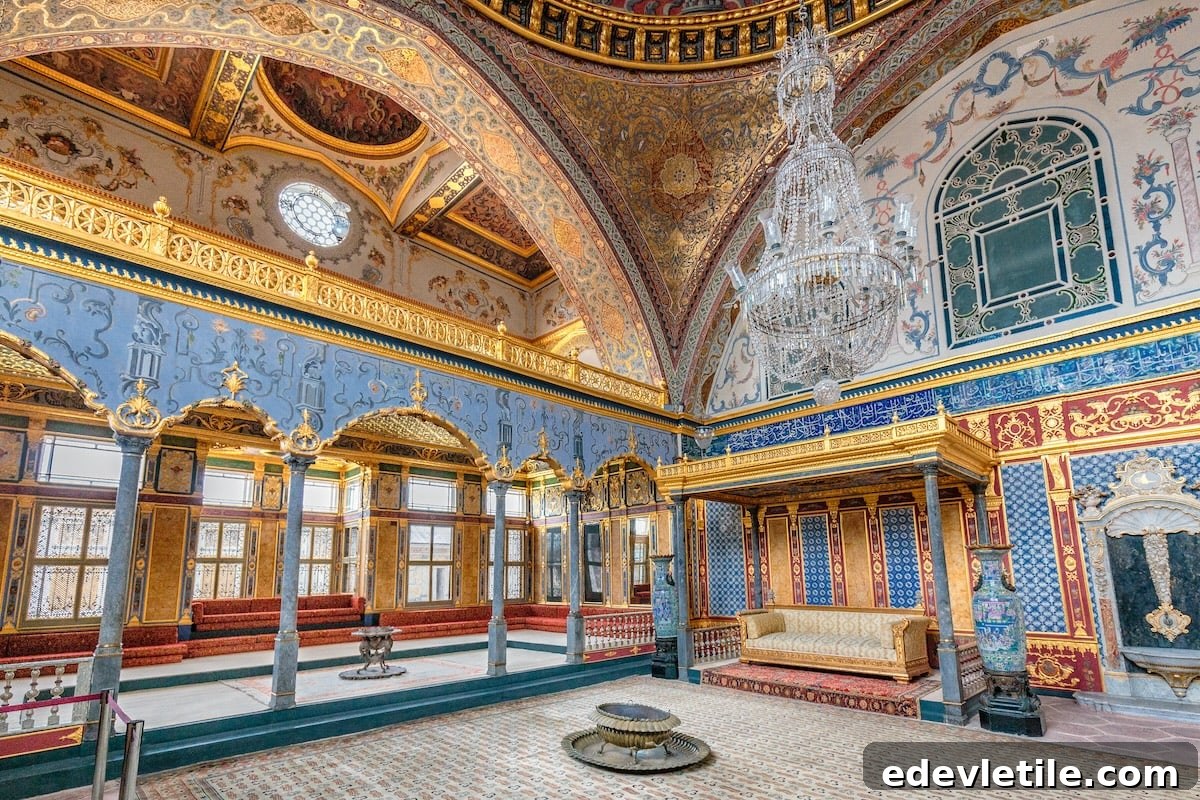
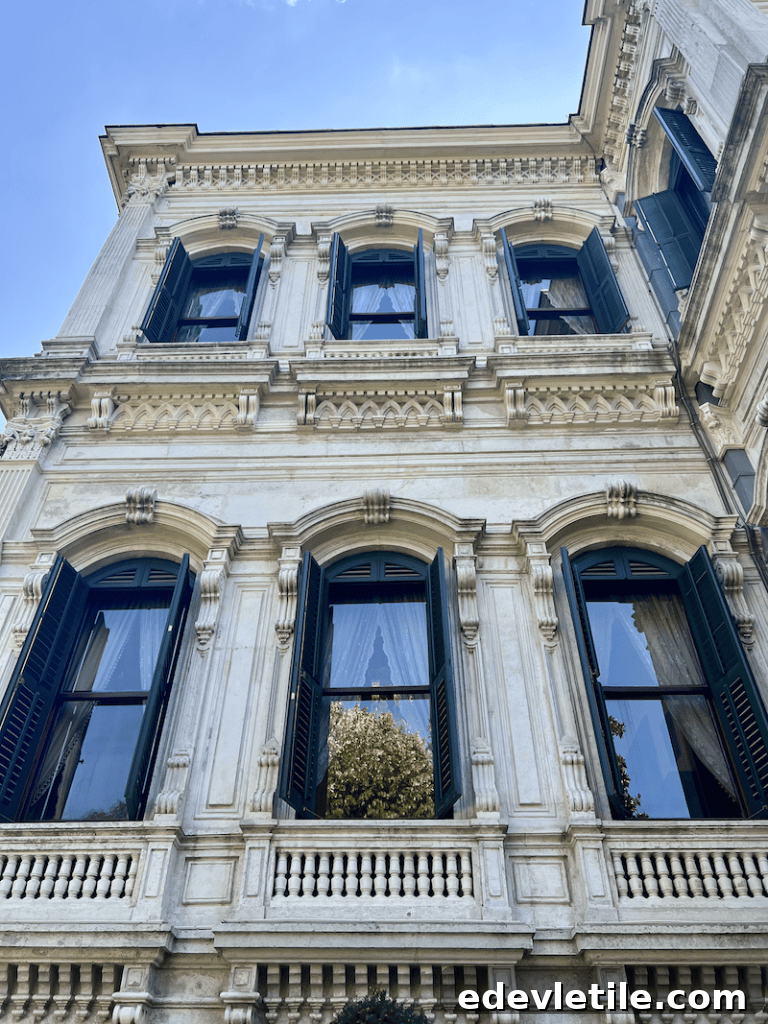
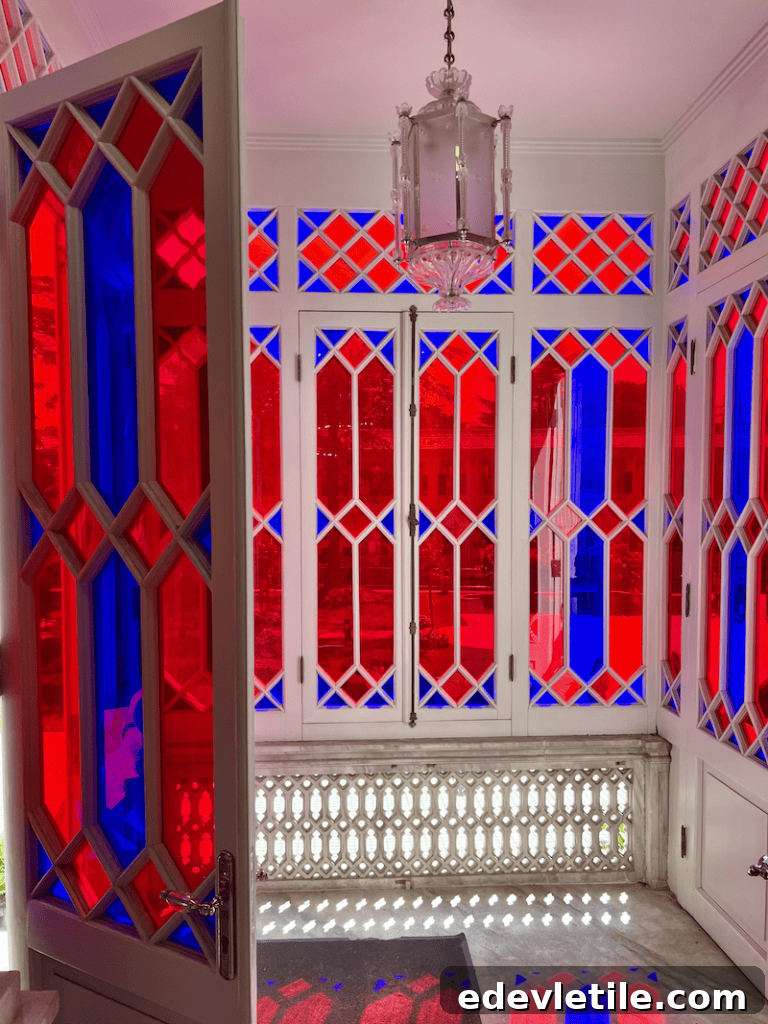
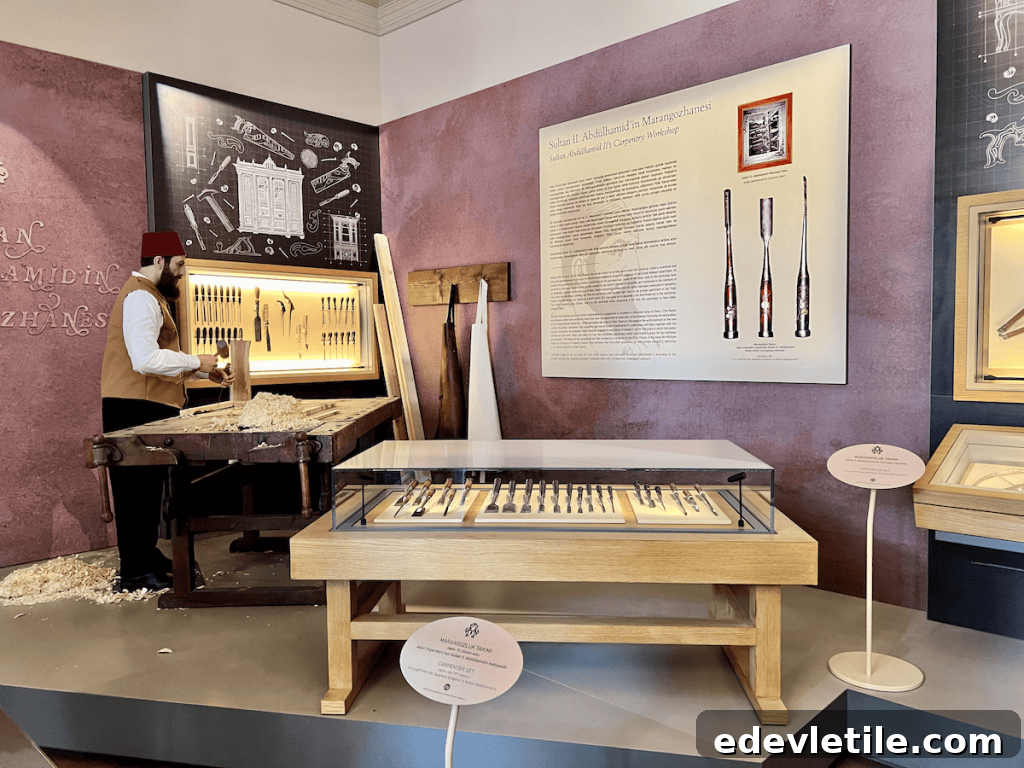
Yıldız served as the final royal residence of the Ottoman Empire, where Sultan Abdülhamid II governed in seclusion. Beyond its historical significance, the palace impresses with elegant pavilions, expansive gardens, a mix of Ottoman and European architectural styles, and unexpected features such as an on-site theater and a carpentry workshop.
Because it is less frequented by large tour groups, Yıldız Palace offers a quieter, more relaxed visit with ample space to explore at your own pace.
This guide explains the palace’s history, highlights what to see, practical travel tips, ticket information, visitor amenities, how to get there, and suggestions for places to visit afterward.
Note: The site was once called “Yildiz Palace Museum,” but today most people simply refer to it as Yıldız Palace (Yıldız Sarayı in Turkish).
Fact-checked and updated in January 2026.
Yildiz Palace: Basic Information
Opening Hours: The palace is typically open Thursday to Tuesday, 9:00 AM to 5:00 PM. Hours can change seasonally or for special events, so check official announcements before you go.
Closed Days: Yıldız Palace is closed on Wednesdays. It is also closed on most national holidays, including New Year’s Day and major religious holidays.
Free Days: There are currently no designated free admission days for Yıldız Palace.
Dress Code: There is no strict dress code, but modest clothing is recommended out of respect. If you plan to visit the nearby Yıldız Hamidiye Mosque, bring a headscarf. Comfortable walking shoes are advised because the site covers a large, hilly area.
Tickets and Prices
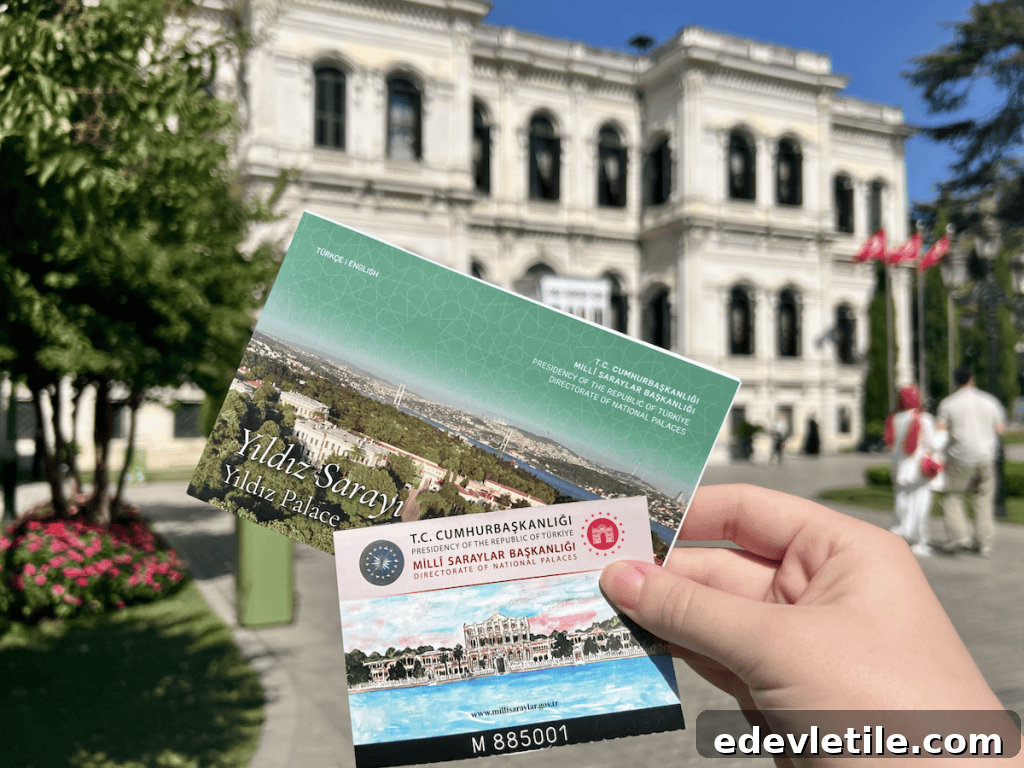
As of January 2026, the admission price is 900 Turkish Lira per person. The ticket covers access to the restored buildings, pavilions, museums, and gardens within the palace complex.
Prices may change over time, so confirm the latest fee at the entrance or on official channels before your visit.
Travel Tip: Buy Tickets Online
Booking tickets online through official partners can provide fast-track entry and sometimes lower prices than the ticket office. Online reservations often allow free cancellation up to 24 hours before the visit, which helps if your plans change.
Yildiz Palace Travel Tips
How much time to allocate: Plan 2 to 3 hours to explore the palace buildings, museums, and gardens at a relaxed pace.
Best time to visit: Weekdays, especially early morning, are usually quieter. Monday, Tuesday, and Thursday tend to be less busy. Summer sees more visitors and longer queues.
Security and photography: Expect X-ray and metal detector checks at the entrance. Photography is prohibited inside the main palace buildings; outdoor photography in gardens and around pavilions is generally allowed.
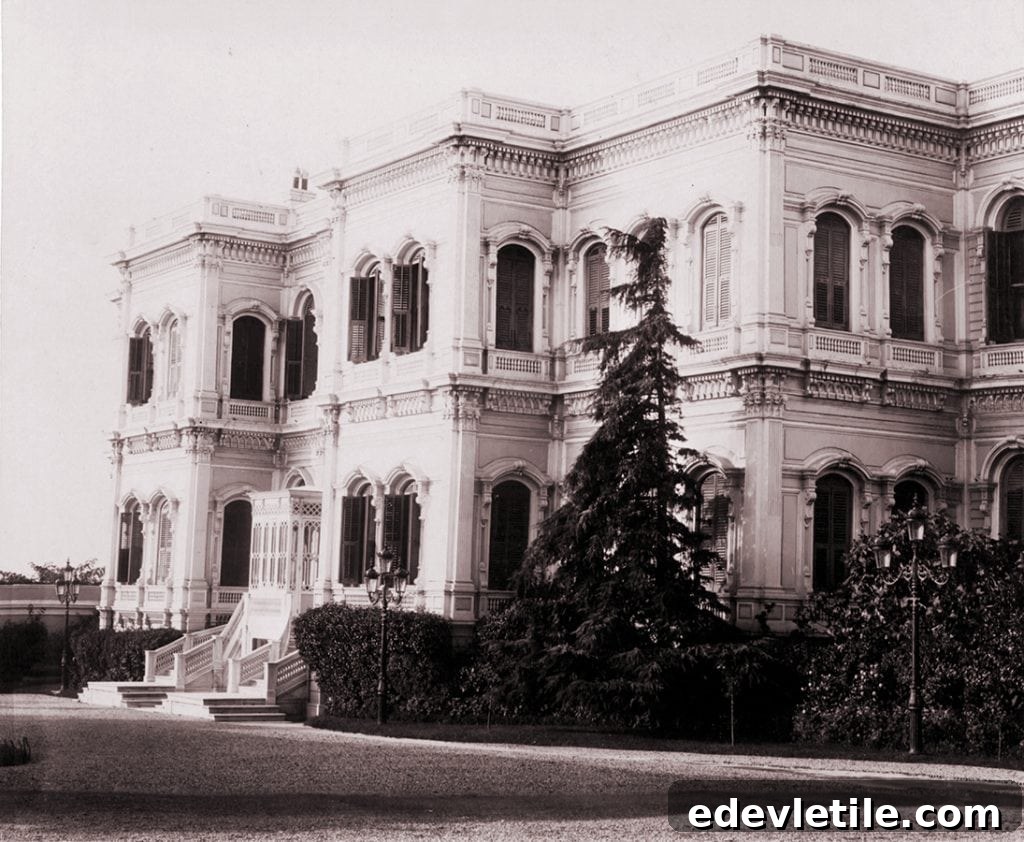
A Short History of Yildiz Palace
Yıldız Palace occupies about 500,000 square meters on a wooded hillside in Beşiktaş with views of the Bosphorus and the Sea of Marmara. The name Yıldız means “star” in Turkish, though the origin of the name is not certain.
Originally built in the late 18th century as a pavilion and garden retreat, the complex was greatly expanded under Sultan Abdülhamid II in the late 19th century. He relocated the court here because the secluded, tree-covered site offered greater security than the waterfront Dolmabahçe Palace.
Under Abdülhamid II the complex became a self-contained administrative center with residences, offices, a mosque, a theater, a porcelain factory, stables, barracks, and workshops. At its peak, roughly 12,000 people lived and worked within the palace grounds. After the end of the sultanate, parts of the estate were repurposed for governmental and military use and the site declined. Extensive restoration work in recent years led to a public reopening in 2024.
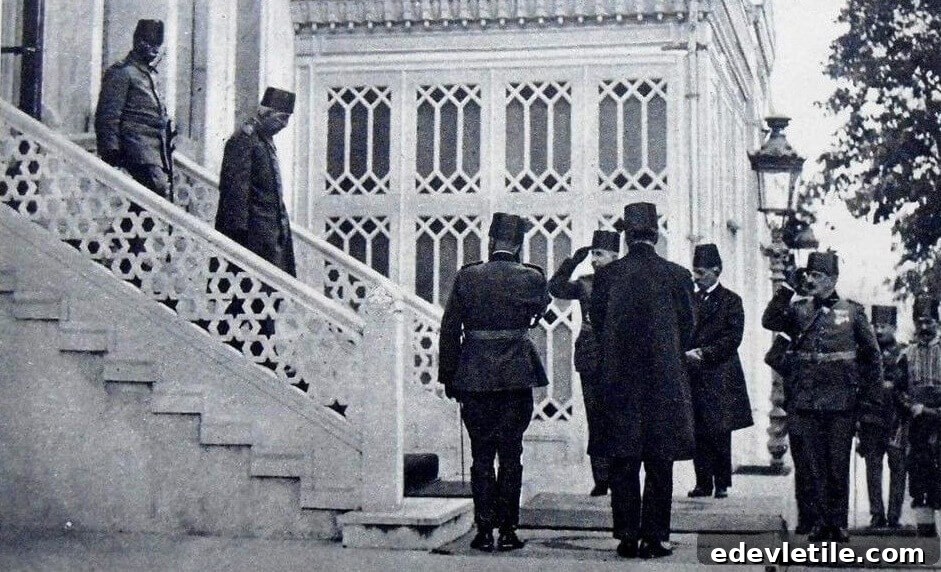
What to See in Yildiz Palace
Yıldız Palace is organized into three main zones:
• The administrative area (government offices and reception halls)
• The private residential area (the sultan’s living quarters and the harem)
• The outer gardens (now Yıldız Park, containing several pavilions)
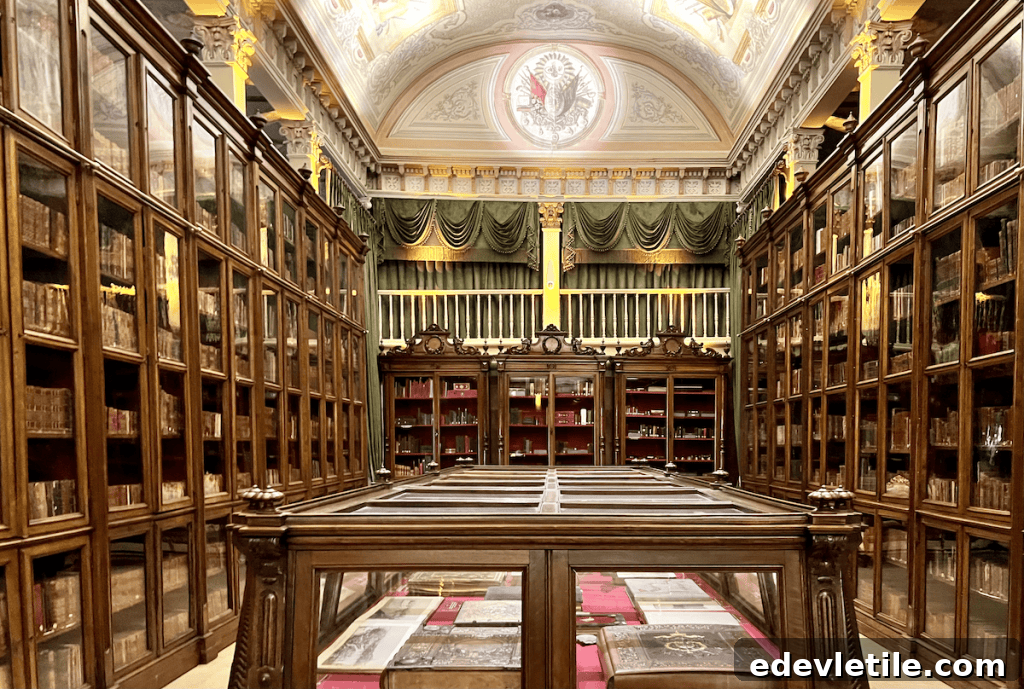
The administrative section includes the Selamlık (Set Pavilion), Yaveran Chambers, Armory, Çit Pavilion, Pharmacy, Library, and the prominent Great Mabeyn Pavilion where state business was conducted and foreign dignitaries received.
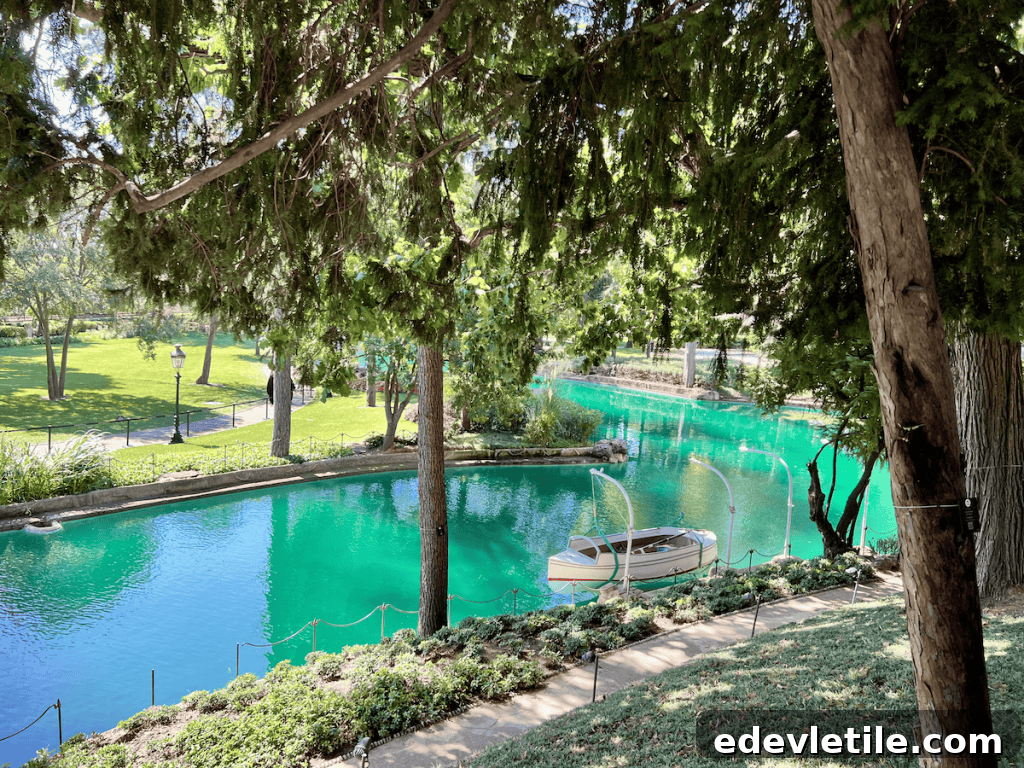
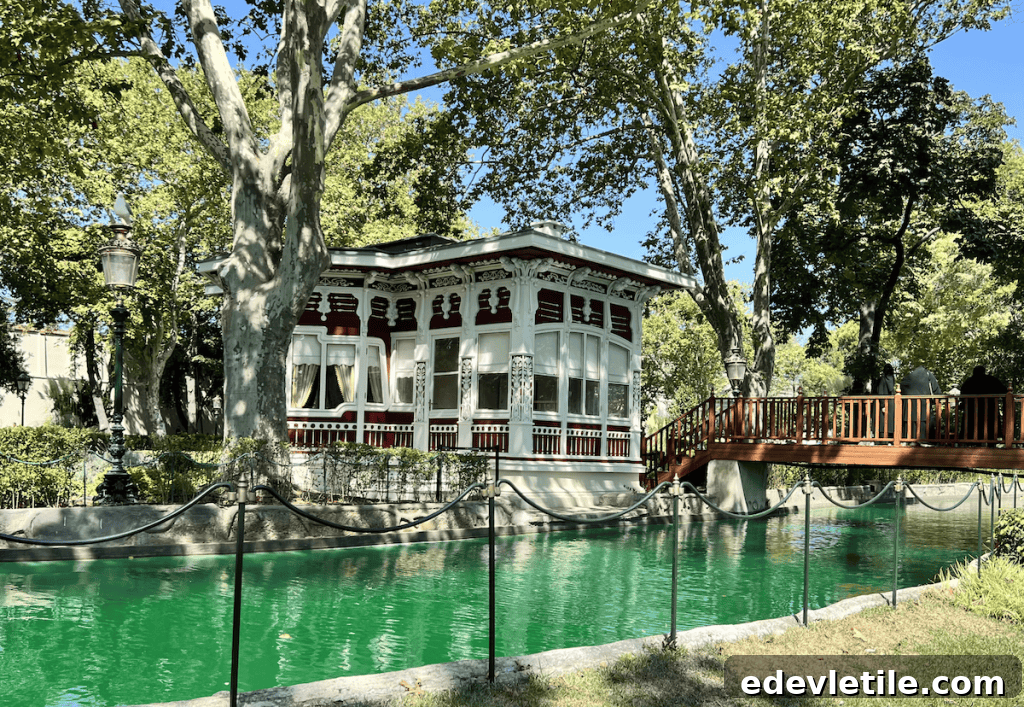
The private section contains the Small Mabeyn Pavilion, the harem apartments, and the Hasbahçe (the private garden), which features the Hamid Pool, Cihannuma Kiosk, Island Pavilion (Ada Köşkü), and the palace theater.
The outer gardens—now Yıldız Park—contain several pavilions such as the Chalet (Şale Köşkü), Malta Köşkü, and Çadır Köşkü, along with the Yıldız Porcelain Factory. The park area is public and free to enter, while access to the palace buildings requires a ticket.
Ready to visit? Book tickets in advance to skip the line.
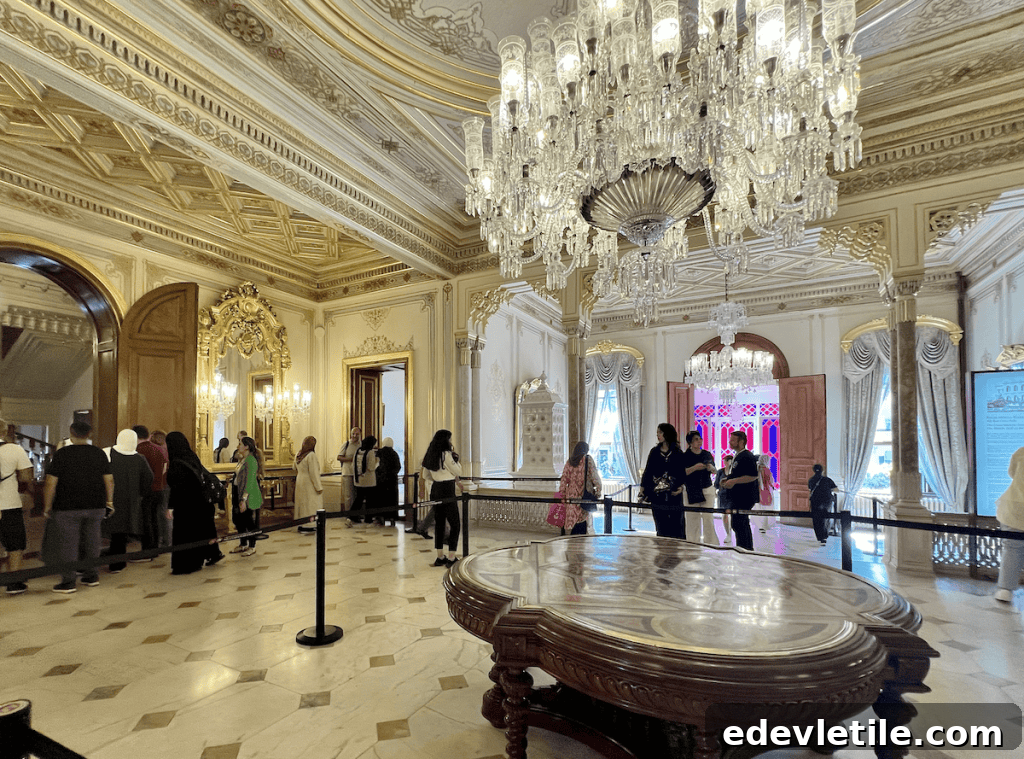
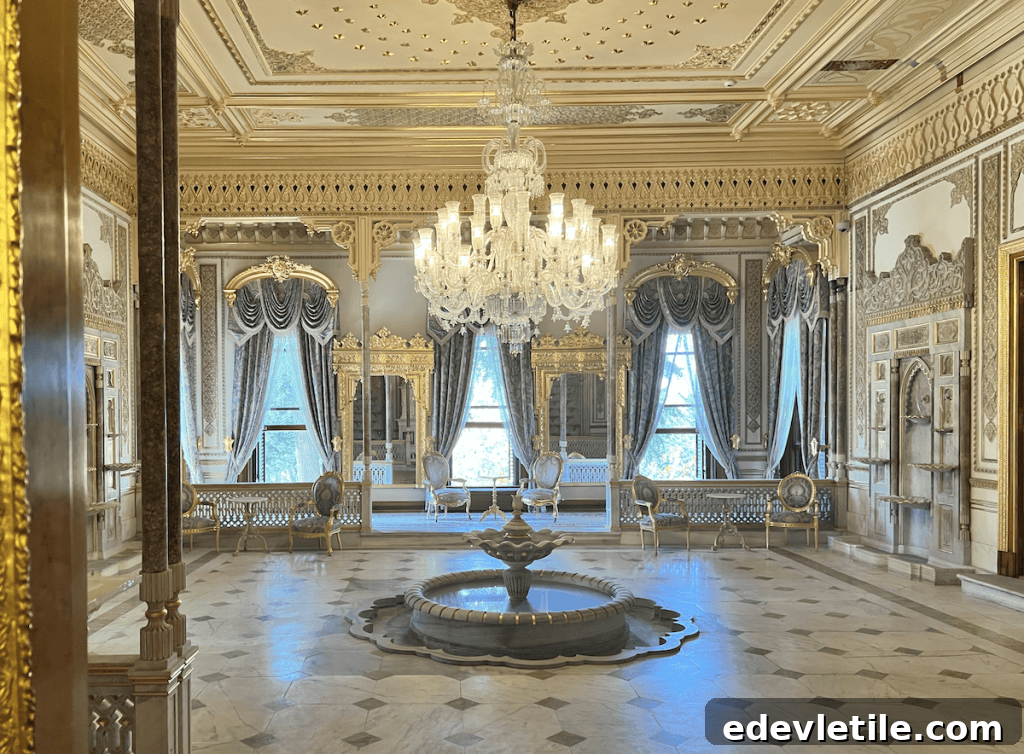
The First Section: Administrative Heart
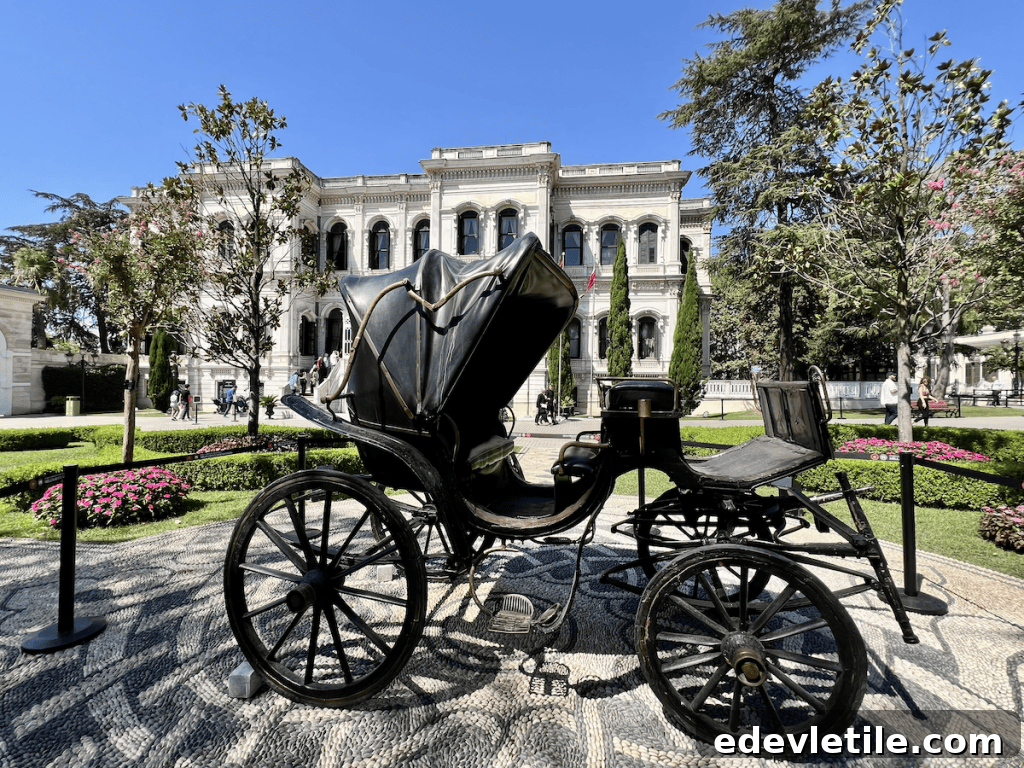
This area housed the empire’s daily administration. The Selamlık served as the formal reception hall, while the Great Mabeyn Pavilion acted as the sultan’s main office for state affairs and grand ceremonies. Nearby are the library, pharmacy, armory, and the Yaveran Chambers. The carpenter’s workshop, where Abdülhamid II pursued woodworking, is also on display with some of his pieces preserved.
The Second Section: The Sultan’s Private Life
The private quarters include the Small Mabeyn Pavilion and the harem apartments, arranged around the Hasbahçe private garden. Highlights include the Hamid Pool, Island Pavilion, Kameriye Köşkü, Cihannüma Pavilion with its panoramic views, and the unique palace theater used for operas and performances.
The Third Section: Yıldız Park & Royal Pavilions
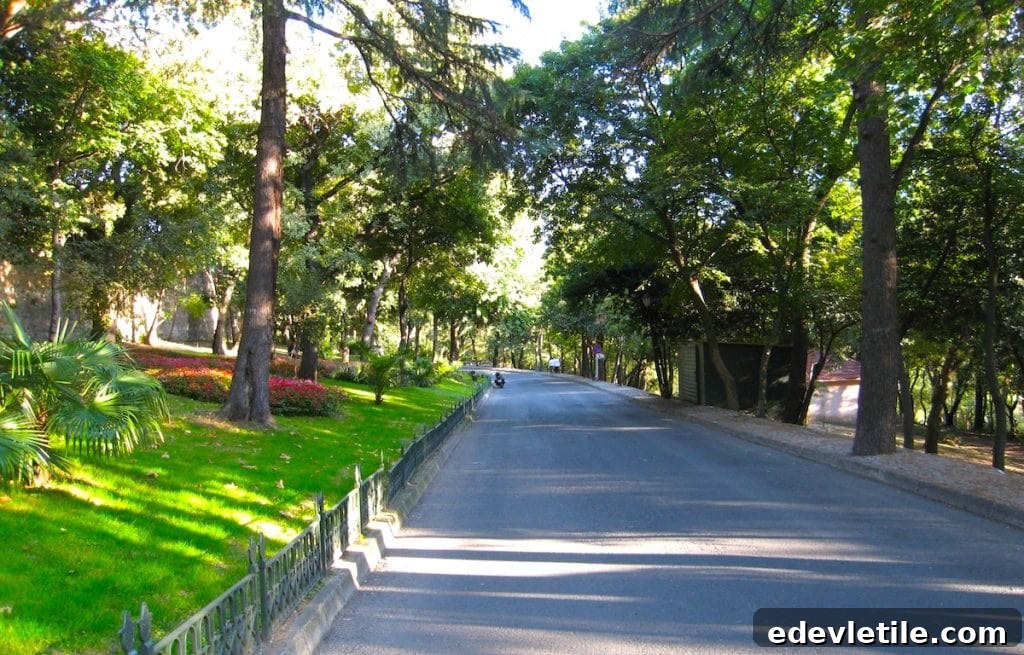
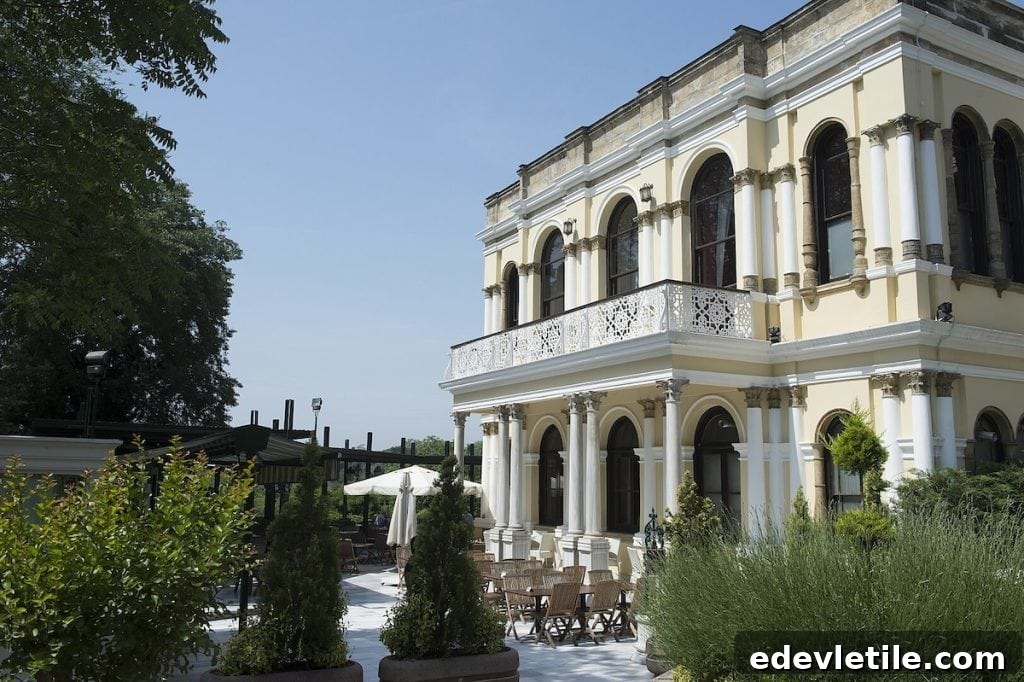
The outer gardens now form Yıldız Park, a public green space containing historic pavilions such as the Chalet (Şale Köşkü), Malta Köşkü, and Çadır Köşkü. The Chalet displays ornate interior decoration and Hereke carpets; the Malta Pavilion operates as a cafe with outdoor seating, and the Tent Pavilion serves as a tea garden. The park is free to enter and offers peaceful walking paths and shaded spots.
Visitor Amenities & Practical Tips
Suggested route: Move clockwise—start in the administrative section, proceed to the private quarters, then finish in the outer gardens. Look for the visitor route map at the entrance or request a brochure.
On-site cafés: Café D’Aronco near the main square and Kaskat Kafe near the harem area offer drinks and light snacks—good spots for a rest during your visit.
Small museums on the grounds include the Photography Museum, the Furniture Museum, and an exhibition dedicated to Sultan Abdülhamid II. There are two public restrooms on the route: one near the harem area and one near the main square.
How to Get to Yildiz Palace
From Sultanahmet (Old Town)
Take the T1 tram from Sultanahmet, Gülhane, or Sirkeci to Kabataş. From Kabataş, board a bus (29, 41, 43, or 62) toward Beşiktaş/Yıldız and alight at the Yıldız Technical University stop; the palace entrance is a short uphill walk.
From Galata or Beyoğlu
Walk or take the funicular to Karaköy, then the T1 tram to Kabataş and follow the bus route to Beşiktaş/Yıldız.
From Taksim Square
Bus 559C runs from Taksim toward Beşiktaş/Yıldız; get off at Yıldız Technical University. A taxi is a convenient 15-minute option from Taksim.
From the Asian Side (Kadıköy or Üsküdar)
From Üsküdar, take a ferry to Beşiktaş and then a short bus ride or a 15–20 minute uphill walk. From Kadıköy, ferry to Kabataş, then tram or bus to Beşiktaş/Yıldız.
Where to Go After Yildiz Palace
Nearby options include:
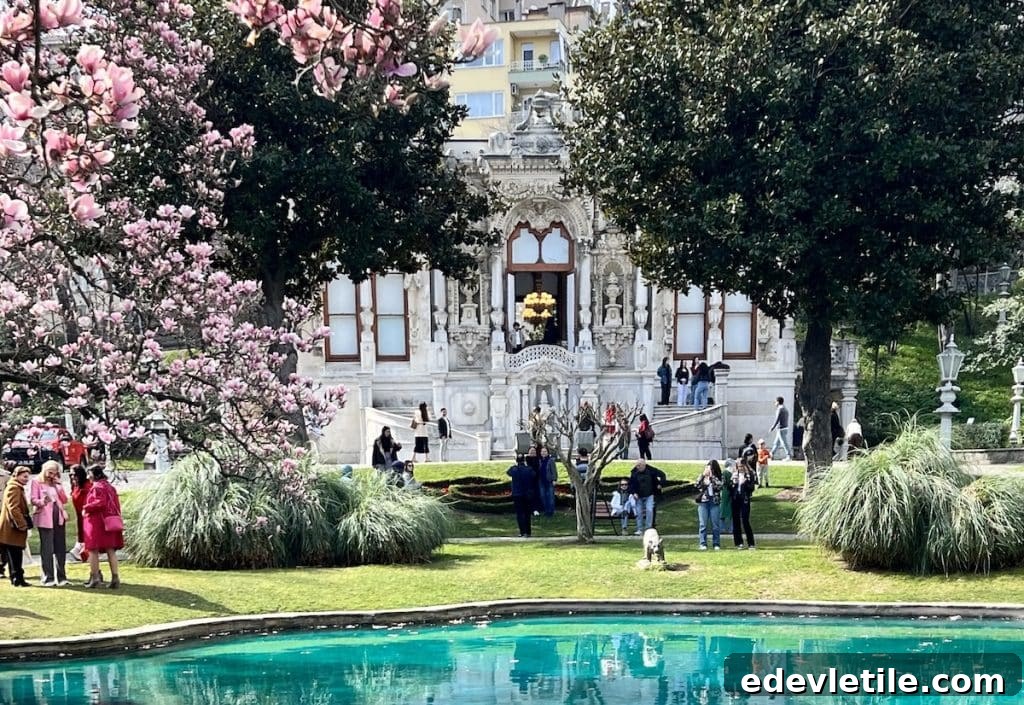
• Yıldız Park: adjacent public gardens with pavilions and peaceful walking paths.
• Dolmabahçe Palace: about a 25-minute walk downhill; an excellent complement to Yıldız for contrasting palace styles.
• Ihlamur Palace: an 18-minute walk or short taxi ride, surrounded by linden trees.
• Beşiktaş waterfront: stroll the shore, sample local snacks, or catch ferries to Kadıköy or Üsküdar.
• Beşiktaş center: lively dining and café scene popular with students and locals.
• Çırağan Palace Kempinski: a historic hotel and elegant spot for afternoon tea.
Planning a Trip to Türkiye? Check out other travel posts for inspiration.
-
17 Less-Touristy Alternatives to Istanbul’s Most Famous Attractions
If you’ve seen the main highlights and want quieter options, this post suggests alternatives across Istanbul.
-
Topkapi Palace or Dolmabahçe Palace: Which One Should You Visit?
A comparison of two iconic palaces to help plan your visits.
-
Topkapi Palace Travel Guide: Everything You Need to Know from a Local
A practical local guide to visiting Topkapı Palace.
Yildiz Palace FAQs
Is Yildiz Palace worth visiting in Istanbul?
Yes. It’s an excellent choice if you want a quieter, historically rich palace experience that complements visits to Topkapı or Dolmabahçe.
What is Yıldız Palace famous for?
It is best known as the last administrative center and residence of Sultan Abdülhamid II, noted for its gardens, pavilions, theater, and mixed architectural styles.
Where is Yıldız Palace located?
Yıldız Palace sits on a hill in the Beşiktaş district of Istanbul, overlooking the Bosphorus.
Can I visit without a tour?
Yes. A self-guided route is clearly marked, though a guided tour can add historical context and anecdotes.
Is it stroller- or wheelchair-accessible?
Partially. The outer areas and main entrance are relatively accessible, but stairs, cobbles, and uneven paths inside the complex can be challenging. Strollers can be left outside some buildings if needed.
Are there bathrooms and cafés?
Yes. Two public restroom areas and multiple small cafés are available along the visitor route.
Can I bring a backpack inside?
Small bags are allowed; follow security guidelines at the entrance.
Is photography allowed inside?
Photography is not permitted inside the main palace buildings. Outdoor photography in the gardens and near pavilions is usually allowed.
Can I buy tickets on the same day?
Yes, but queues can be long during peak season. Advance online booking is recommended to secure your preferred time and skip the line.
How long should I plan to stay?
Most visitors spend 2 to 3 hours touring the main buildings and gardens. Add more time if you plan to explore Yıldız Park or relax at a café.
Book Your Yildiz Palace Tickets
Yıldız Palace is a well-preserved and atmospheric site that reveals a different side of late Ottoman life. If you enjoy historic architecture, gardens, and quieter attractions, don’t miss it.
Reserve tickets in advance to avoid queues and ensure entry.
Photo credits: Old Yildiz Palace via yedikita | Malta Köşk via Dosseman | Yıldız Park via Chapultepec