Why Turkey Should Be Your Next Vacation Destination

Note: This is a guest post by Saskia from Alaturka Turkey.
Turkey occupies a unique position at the crossroads of Europe, Asia and the Middle East. That blend of influences shapes its history, culture, architecture, fashion and cuisine. Mosques stand alongside churches and cathedrals, while the landscape is dotted with ruins from Greek, Roman, Ottoman, Hittite, Lycian and other ancient civilizations.
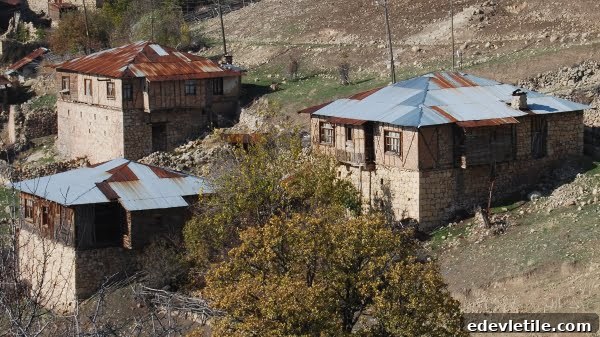
The country offers long stretches of stunning coastline on three seas and a rugged, agricultural interior of mountains and plateaus. There are many guided Turkey tours available, and plenty of reasons to consider Turkey for your next summer holiday.
For a Taste of Turkish Food
Turkish cuisine is far more than shish kebab. It blends Central Asian, Middle Eastern and Eastern European traditions into a varied and flavorful culinary scene. Start the day with a traditional Turkish breakfast, typically a communal spread that includes olives, a variety of cheeses, cured meats, fresh white bread, eggs, börek (savory pastry), cucumbers, tomatoes, honey, tahini, pekmez (grape molasses), fruit and strong black tea.
Other favorites include gözleme (thin filled flatbread), köfte dürüm (meatball wrap) and çiğ köfte dürüm (a vegetarian spicy bulgur wrap), as well as dolma (stuffed vegetables) and yaprak sarma (vine leaves filled with rice, spices, sometimes with nuts or dried fruit). Coastal regions serve abundant seafood, and for dessert you’ll find baklava and helva among the most beloved sweets.

Ideal for Adventurers
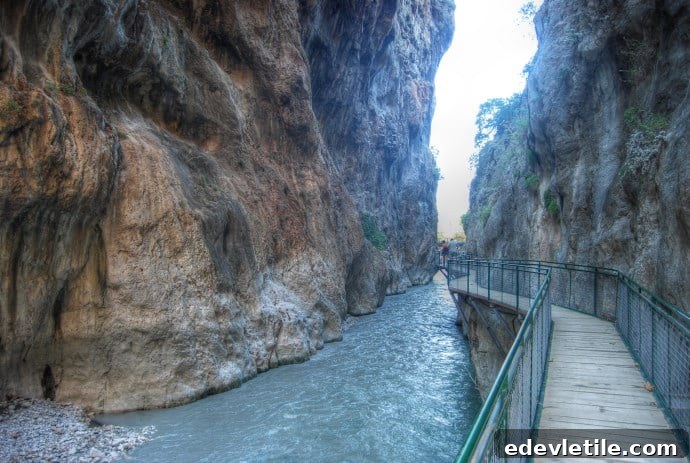
Turkey is an outdoor enthusiast’s paradise year-round. Winters bring skiing and snowboarding; spring and autumn are ideal for hiking and climbing; and summer invites sailing, swimming and coastal cruising.
The country boasts well-marked long-distance trails alongside shorter cultural routes. The Lycian Way is the best known, stretching about 500 kilometers along the scenic Turquoise Coast. Hikers often combine multi-day treks with gulet cruises and inland excursions to fully explore the region’s natural and historical highlights.
For Shopping
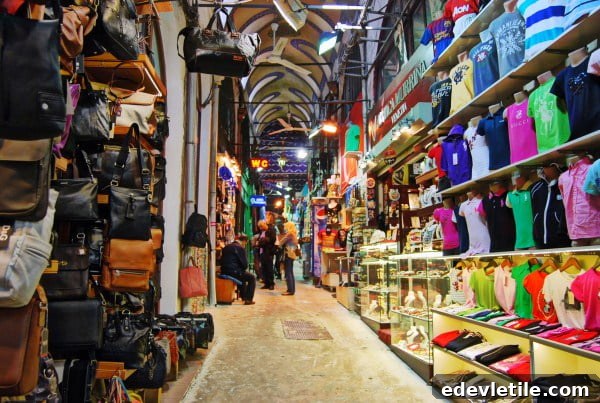
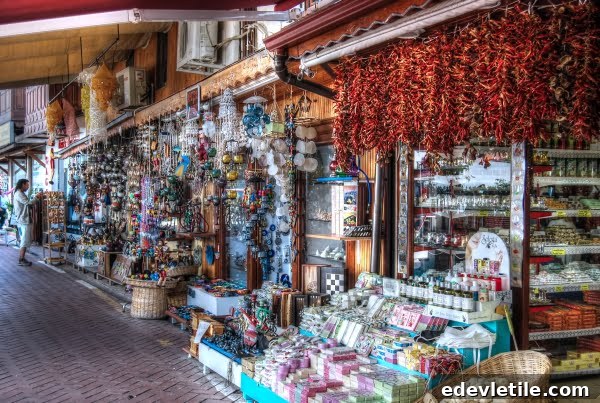
From modern shopping malls to traditional handicraft stalls, farmers’ markets and historic bazaars, Turkey is a great destination for shoppers. Weekly markets in towns offer fresh produce, vegetables, fish, nuts, homemade cheeses, jams and local wines—perfect for discovering regional flavors and crafts.
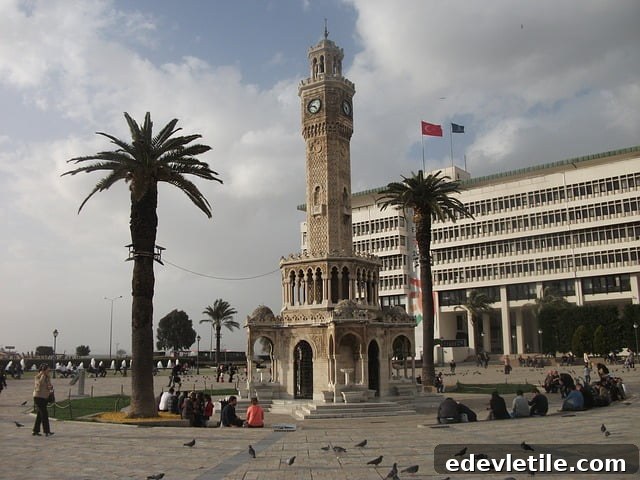
Coastal towns like Fethiye and Antalya host boutique stores and souvenir markets near harbors and in old towns, while Izmir—Turkey’s third-largest city—features numerous contemporary shopping centers. Whether you’re seeking textiles, spices, ceramics or a hand-woven carpet, you might well need an extra suitcase for the journey home.
For Culture, History and Art
Over millennia, many civilizations have left their mark on Turkey: Hittites, Greeks, Romans, Byzantines, Seljuks and Ottomans among them. The archaeological and architectural remains are spread across the country and offer a deep sense of history.
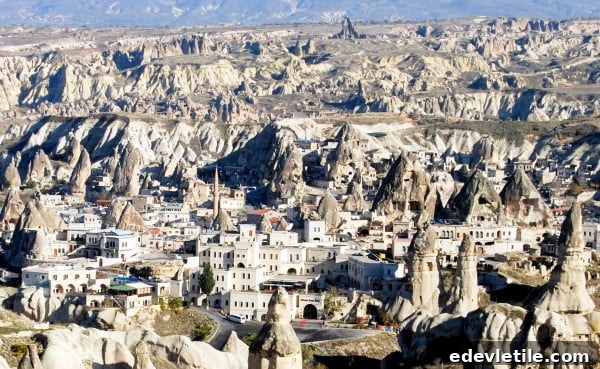
In Cappadocia you can visit rock-cut churches with original frescoes at the Göreme Open Air Museum and descend into underground cities carved into volcanic rock. UNESCO-listed sites such as Pamukkale and Ephesus are among Turkey’s most impressive historical attractions, drawing visitors keen to explore ancient ruins and remarkable landscapes.
To Cruise the Turquoise Coast
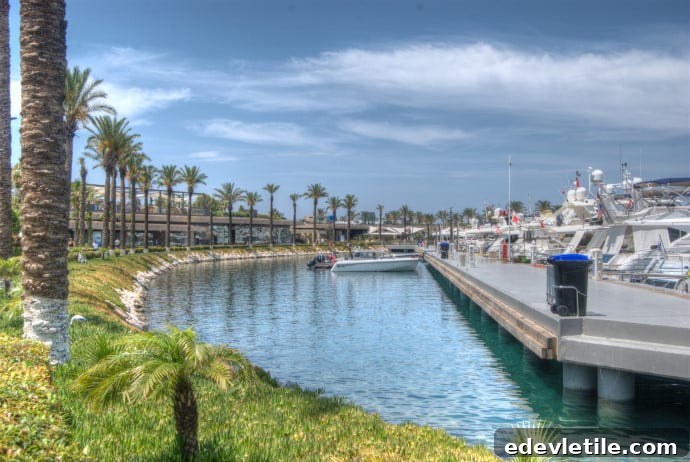
The southwest shoreline, known as the Turquoise Coast or Turkish Riviera, has long attracted sailors. Cruises range from day trips to multi-day gulet journeys that visit secluded bays, sandy beaches, archaeological sites and Lycian ruins, as well as lively harbors and rural villages.
A popular gulet route runs for several days between Fethiye and Olympos, offering highlights such as the Blue Lagoon at Ölüdeniz, paragliding from Baba Dağı, the sunken city of Kekova, shopping in the harbor town of Kaş and exploring the Lycian ruins around Olympos.

To Visit Istanbul
Straddling two continents and linked by the Bosphorus, Istanbul is a vibrant metropolis rich in history and culture. Many tours start here, offering an introduction to Turkey’s diverse heritage. In the historic Sultanahmet area you can see two of the country’s most famous monuments: the Blue Mosque with its domes and Iznik tilework, and Hagia Sophia, the grand former cathedral that reflects Byzantine and Ottoman layers of history.
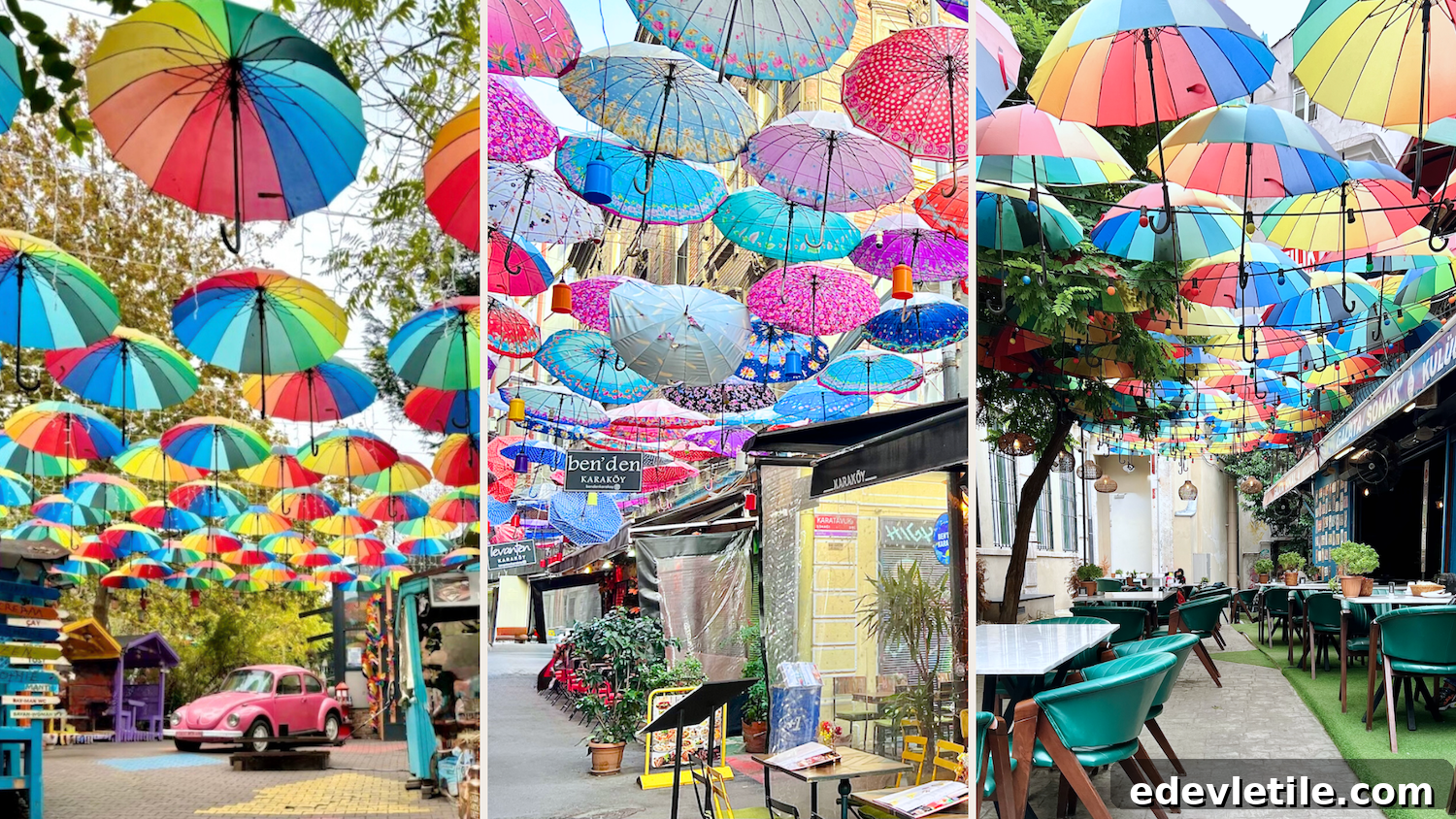
A ferry ride across the Bosphorus brings you to the Asian side or to the Princes’ Islands, while neighborhoods such as Kadıköy showcase a more bohemian, contemporary side of the city. The Grand Bazaar remains a must-see: a bustling maze of shops and stalls where you can buy everything from spices to textiles, sample Turkish delights and tea, or simply wander and soak up the atmosphere.