What Makes a Trip to Turkey Truly Luxurious?
In recent years Turkey has seen a rapid rise in 5-star, all-inclusive hotels sold at very low prices online and through travel agents. Popular with British, Bulgarian, Georgian and Russian visitors, these properties are spread along the Aegean and Mediterranean coasts.
These resorts do offer notable value: unlimited food and drink, often available throughout the day, and a range of entertainment options. During my time as a holiday representative I worked in several of these hotels and later stayed in a few as a guest, so I have first-hand experience of what they provide.
Despite often limited options in the buffet and straightforward décor in dining areas, many of these hotels impress with modern design and comfortable rooms. They provide daytime activities, evening shows and leisure facilities, so guests seeking rest and relaxation can spend an entire holiday on the property without needing to go elsewhere.
Does this proliferation of cheap 5-star, all-inclusive properties mean that luxury travel in Turkey has become commonplace?
Technically, no.
Luxury Travel in Turkey: Star Ratings and Prices

Industry professionals agree that star ratings and luxury standards vary by country. What is classified as a 3-star property in one place may be rated 5-star elsewhere, and there is no universal grading system for hotels. Each country sets its own criteria, and that influences perceptions of quality and price.
Globally, many travellers also no longer equate luxury solely with cost, especially after revelations about unethical production practices in the wider consumer market. Today’s definition of luxury increasingly focuses on values and experiences, not just price tags.
Luxury Is About the Personalised Experience
Frederic Jutant of Splendia, a company specialising in high-end hotels, notes that luxury in travel is largely about the experience and attention to detail. Guests do not want to pay premium rates only to feel insignificant or treated as part of an anonymous crowd.
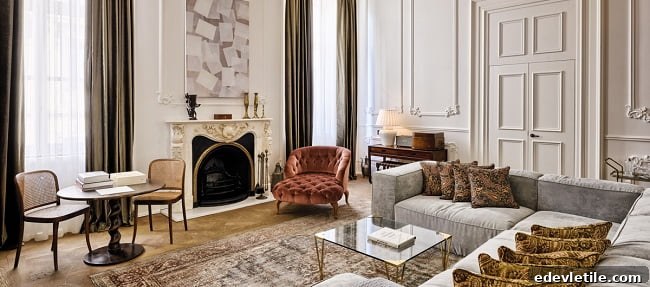
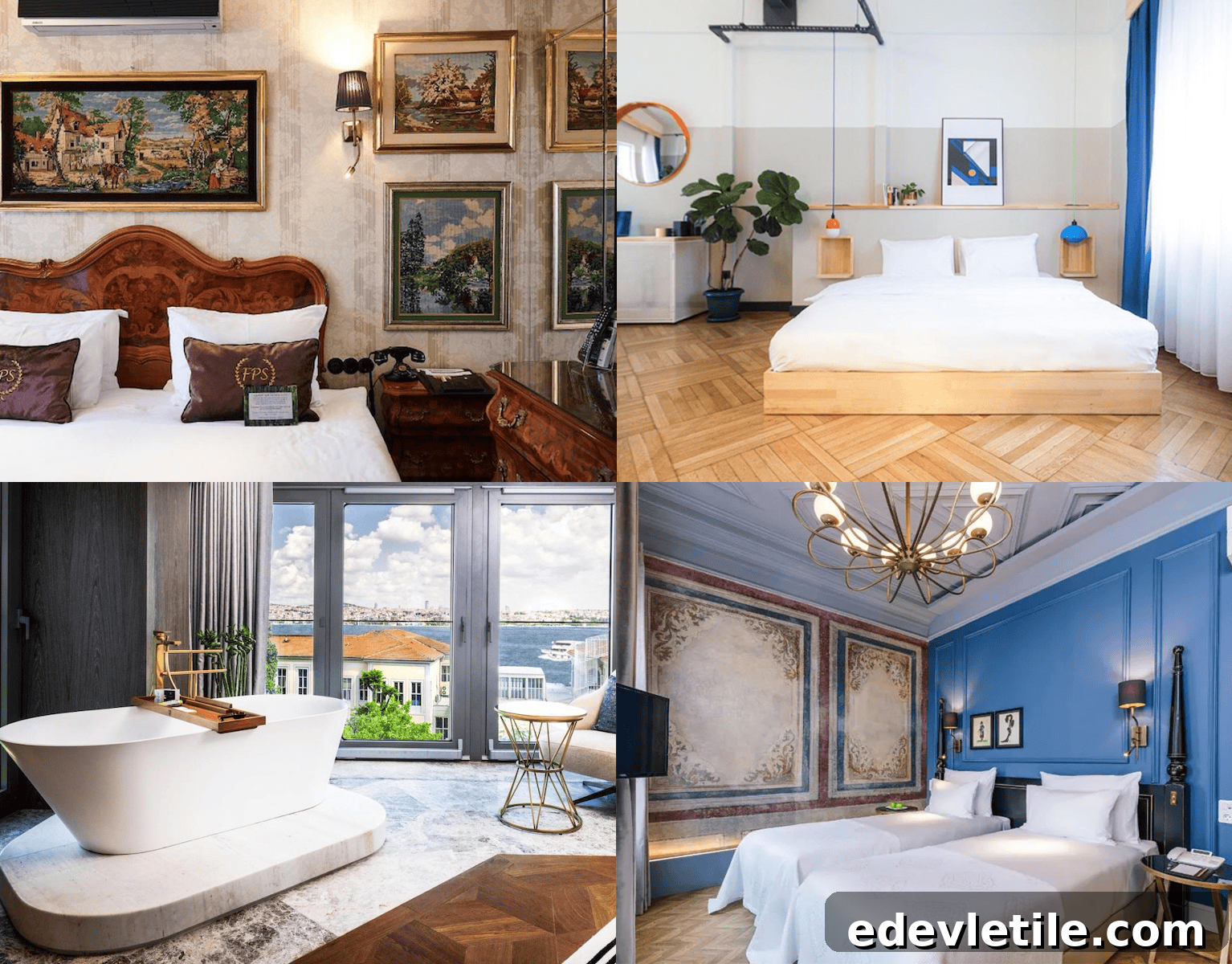
Leading luxury hotels in Turkey typically emphasise personalised service. While impressive interiors, gourmet dining and spa facilities contribute to the appeal, what distinguishes true luxury is the tailored experience each guest receives.
Examples of personalised offerings include private arrival massages to help guests unwind after a journey, individually decorated rooms that make each stay feel unique, and staff who design bespoke excursions based on a guest’s interests. Other properties provide private dining or small-scale, customized services that make guests feel their stay is thoughtfully curated.
Hospitality is a deep-rooted part of Turkish culture. For generations, Turks have welcomed visitors warmly and treated them like friends. When hotels revert to impersonal, corporate-style customer service, they lose the human touch that defines luxury hospitality.
The challenge with budget all-inclusive hotels is that cost savings need to be made somewhere. Often this leads to fewer staff per guest and less one-to-one attention. As a result, while these resorts can offer comfortable accommodation and good facilities at competitive prices, many travellers do not consider them truly luxurious because they lack personalised service.
As Frederic puts it, the term “luxury travel” is frequently overused. The industry and its guests are moving away from a culture of conspicuous spending toward a preference for meaningful, personalised experiences. In short, modern luxury often carries emotional value as much as material comfort.