Chasing the Ghost Rider: Exploring Zelve Valley’s Trails
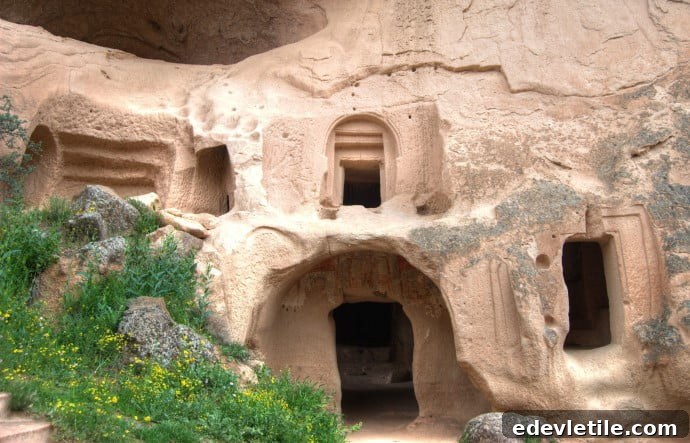
The open-air museum at Zelve tells a familiar Cappadocian story. Originally a monastic retreat from the 9th to the 13th centuries, the area later became a mixed community where Turks and Greeks lived side by side in homes carved from soft volcanic tuff.
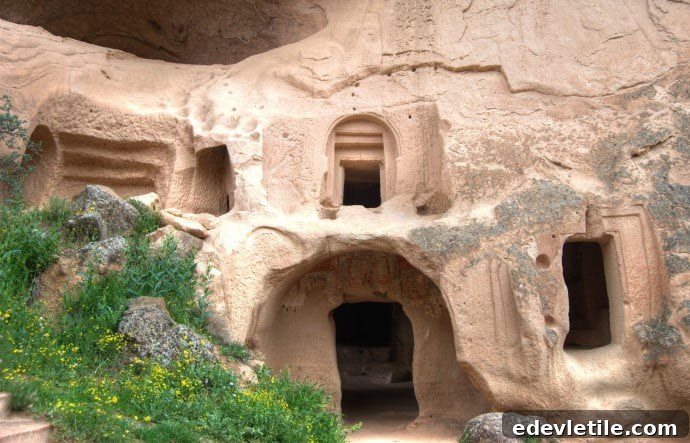
Zelve remained a functioning village until the aftermath of the Turkish War of Independence in 1923 and the population exchanges required by the Treaty of Lausanne, which sent Greek residents back to Greece and relocated many others. Decades later, in the 1950s, rockfalls made living in the old caves unsafe and the remaining villagers moved to modern housing nearby.
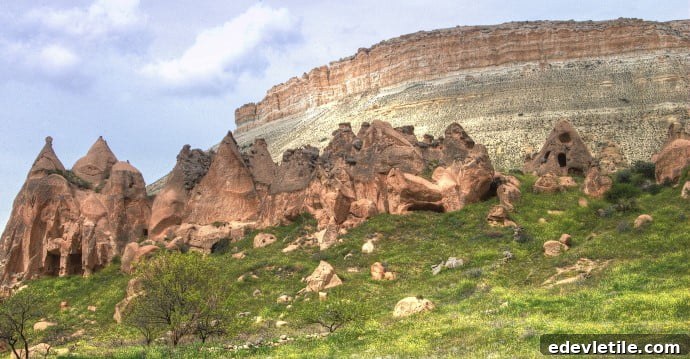
Today Zelve Valley is an open-air museum and part of Cappadocia’s tourism offerings. It sees fewer crowds than the better-known Göreme Open-Air Museum, which has UNESCO World Heritage status, so visitors can often explore the site without the long lines and throngs common at more famous spots.
Visiting Zelve Open Air Museum
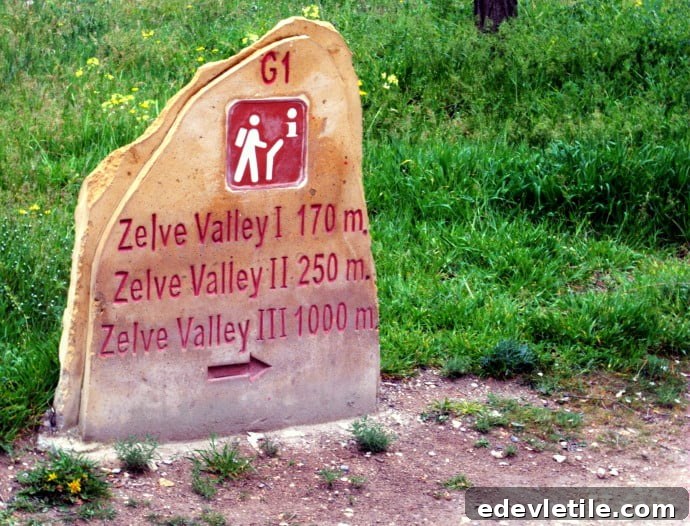
I arrived in the early afternoon and, after a quick gozleme snack at a stall by the entrance, set out expecting a gentle walk. My planning that day left much to be desired: I hadn’t brought water, I’d risen before dawn for a planned hot-air balloon trip I ultimately missed, and I had already toured several sites since the morning. By the time I reached the third valley, the heat and exertion were taking their toll.
Despite the fatigue, the landscape and the cave churches had a strong, almost cinematic quality. Standing inside one of the ancient rock-cut churches, with sunlight filtering through a funnel-shaped opening in the ceiling, it was easy to imagine scenes from films that draw on Cappadocia’s timeless atmosphere.
Nicholas Cage, Ghost Rider 2 and Zelve Valley
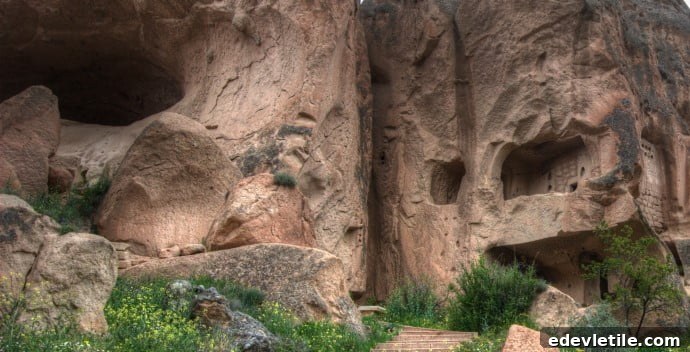
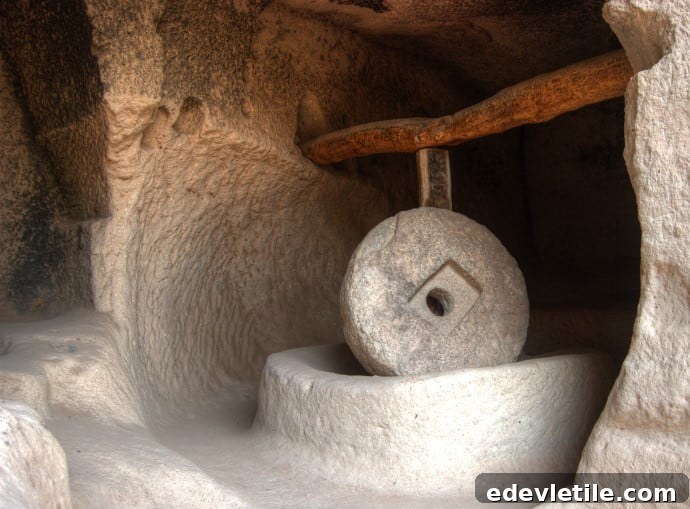
The three valleys of Zelve are connected by walking paths that lead past cave homes, churches, and old communal features such as a wheat-grinding mill that was used until the town was vacated. For repeat visitors to Cappadocia, the many carved interiors can start to feel similar after a while, but certain details — a millstone, a carved niche, a sunlit opening — still catch the eye and bring the place to life.
Zelve closed temporarily in 2011 while parts of the valley were used during the filming of Ghost Rider: Spirit of Vengeance. Fans of the movie may recognise cave settings and the mood suggested by the site. In the film, the protagonist leaves a boy in the care of an ancient, tattooed Christian sect who dwell in caves — imagery that resonates strongly with Cappadocia’s rock-cut architecture.
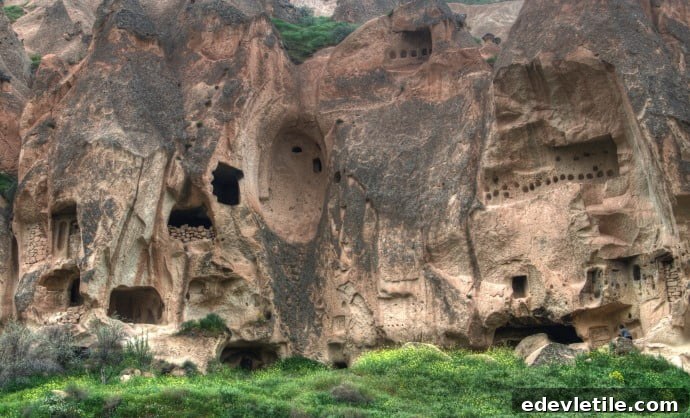
Standing alone in a quiet chapel as sunlight slotted through a carved opening, it was easy to imagine scenes from the film and to wonder whether actors had stood in the same spot. Those thoughts are a personal connection — a private moment that made the visit memorable. Guides may be indifferent to such enthusiasms, but for fans of filmmaking or simply of Cappadocia’s eerie beauty, the association adds an extra layer to the experience.
For visitors who appreciate both cinema and history, Zelve offers a chance to explore authentic rock-cut dwellings and religious spaces while feeling the echo of modern storytelling. The valley’s quieter atmosphere compared with nearby sites makes it ideal for reflective wandering and photography, especially in softer light when the textures and forms of the tuff are most striking.
If you visit, bring water, wear comfortable shoes, and allow time to move slowly through the carved passages. Whether you come for the history, the landscape, or the cinematic connections, Zelve Valley rewards a calm, unhurried visit.