Standoff at the Byzantine Chapel of Açik Saray: Inside the Siege
My plan was simple: visit the Açik Saray, the Open Palace in Cappadocia. Riding in the front passenger seat, I watched the young taxi driver speed along the highway, slicing through traffic with the confidence of someone behind the wheel every day. I clutched my map, imagining that the rain-slicked roads and the next set of red lights might send us skidding. For a moment the situation felt risky.
That anxiety came right after I had silently scolded myself for a familiar travel mistake: I hadn’t told anyone where I was going, who I was with or what time I’d be back. My mobile credit was nearly gone from using the Internet, calls and texts. If something happened, finding me would be difficult. Still, there is a liberating quality to making spontaneous choices while traveling, and I had a few hours to spare before an overnight bus, so I bargained with the driver and declared, “let’s go.”
I decided the young driver was not a danger and that I would likely be fine — provided he eased off the accelerator. We headed for Açik Saray, a spot I’d never read about but which appeared on my map. The name Açik Saray literally means Open Palace, and it sits off the usual Cappadocia tourist routes, so when we pulled up there was no bustle of tour buses or organized groups. The lack of crowds let me wander freely, delighted by the quiet and the sense of discovery.
Arriving at Açik Saray
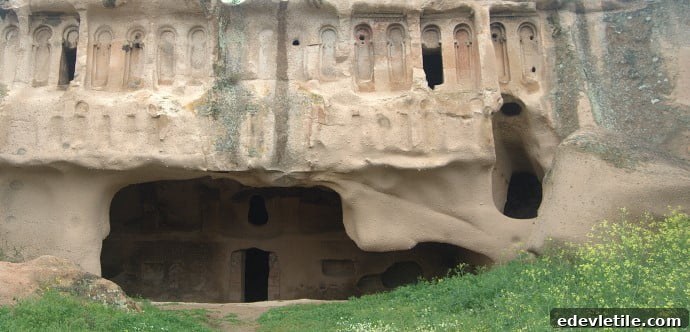
Açik Saray is essentially a Byzantine settlement carved into the soft rock, its dwellings and structures stretching across a wide area. Clear signs guide visitors to the main features, including a mushroom-shaped rock formation that has become a symbol of the nearby town of Gulsehir. The site’s layout and rock-cut architecture make for a fascinating exploration.
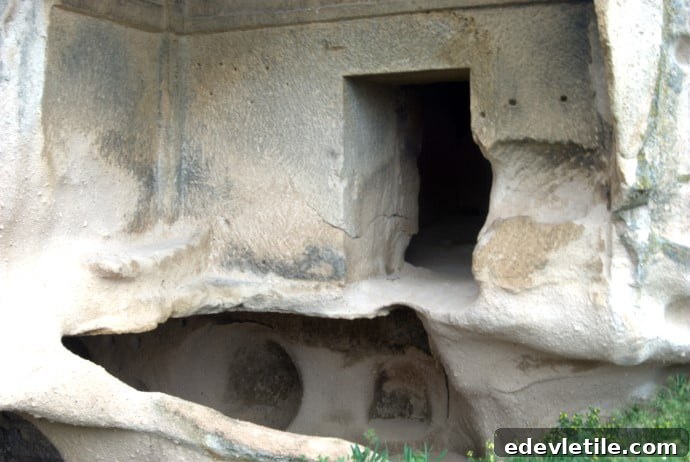
The settlement likely dates from the 10th or 11th century. Despite the “palace” label, there is no solid evidence that royalty ever lived here; historians have suggested other uses, such as a caravanserai where traveling merchants could rest, eat and sleep. At other times in its history the complex may have served as military quarters. Over time, different rooms have been adapted as churches, wineries, stables, kitchens and sleeping areas.
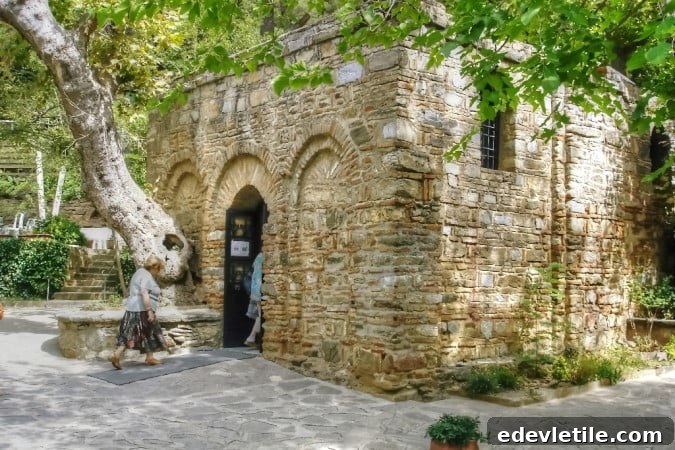
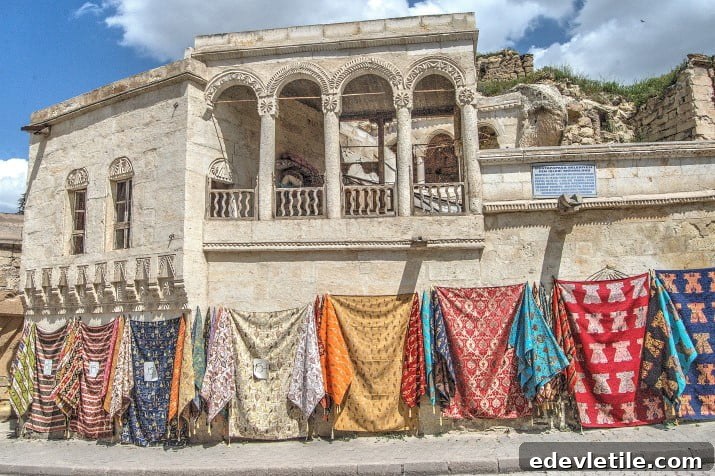
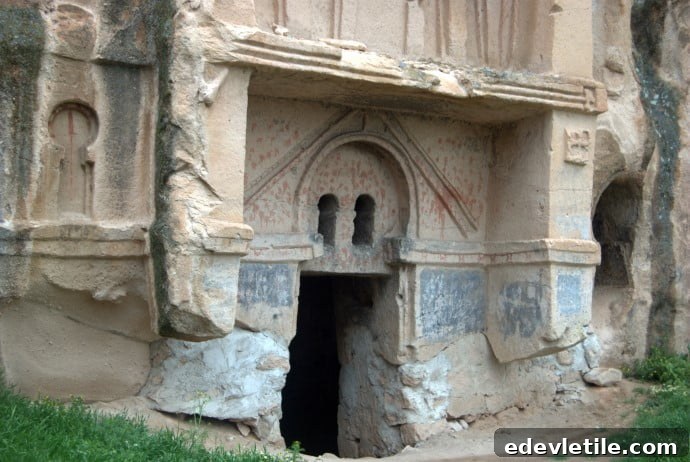
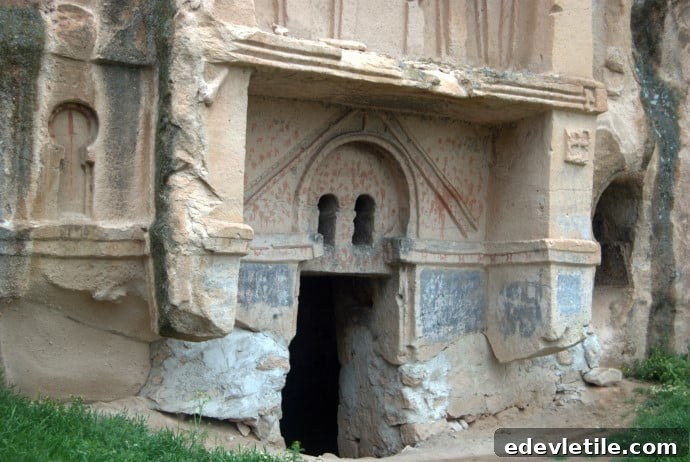
Rounding a corner, I stopped at the ornate entrance to a cave church. The carved façade was unusually dramatic — more elaborate than the simple cave openings I’d seen elsewhere in Cappadocia. Inside, the space revealed itself as a chapel; nearby rooms and hollows turned out to be the practical spaces that sustained daily life in the settlement.
The Stand Off in the Byzantine Chapel
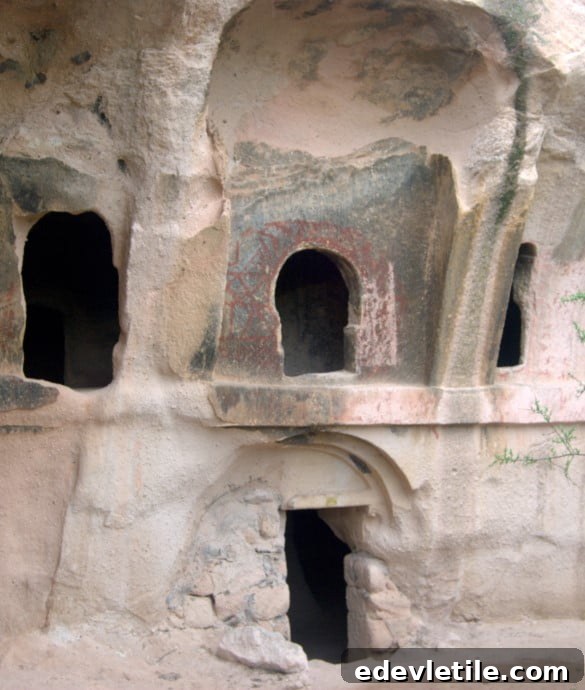
When I entered the chapel a shadow moved behind one of the supporting columns. A young boy stepped out and simply stared at me. The light filtering in from the entrance revealed a blank, almost stone-like expression. We stood in a silent standoff; neither of us moved.
For an instant I felt panic. My DSLR hung across my chest and my bag was slung over my shoulder — both visible and vulnerable. I berated myself for having put myself in a position that felt exposed and risky. Then, a voice from the entrance called the boy away. It was the taxi driver, who had followed me inside and shouted for him to leave. He suspected the boy might be under the influence rather than there to cause intentional harm. Whatever the reason, his intervention ended the tense moment.
After that incident the driver refused to leave my side. His protective presence made me uneasy about staying; the site’s atmosphere of solitude suddenly felt less inviting. If people were hiding in corners, it detracted from the historic wonder of the place. Before we left, another couple arrived and the driver asked me to warn them about the boy. He also looked for a gatekeeper or someone in charge but found no one; his concern was visible and sincere.
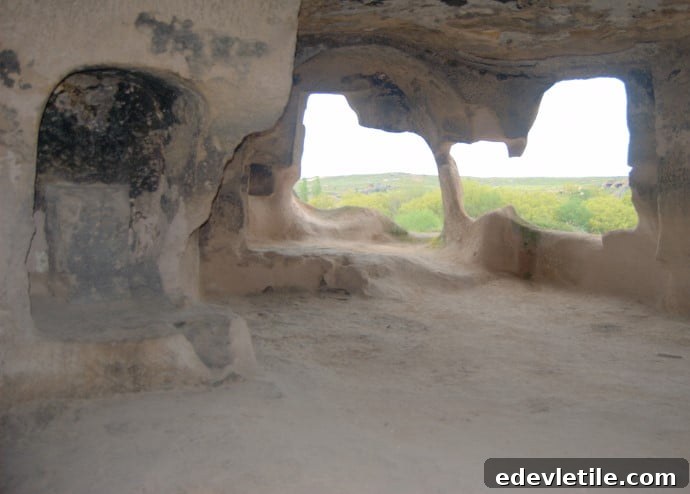
Despite that unsettling encounter, I left Açik Saray impressed by its scale, craftsmanship and the way the settlement integrates with the landscape. The carved facades and church portals remain memorable. Travel, especially solo travel, involves calculated risks; in thirteen years of traveling alone I’ve had only two close calls with strangers. Those moments stand out, but they are far outweighed by the many times strangers have offered help, directions or kindness along the way. Açik Saray was one of those solitary, offbeat stops that remind you why exploring beyond the usual tourist paths can be rewarding — even when it is occasionally a little unnerving.