Exploring Turkish Culture: In-Depth Book Review and Insights
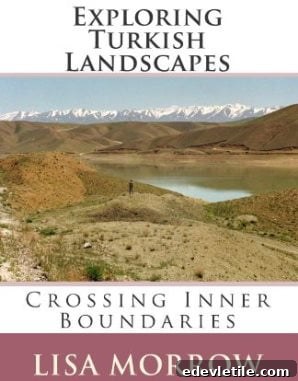
A few months ago, Lisa Morrow, an experienced travel writer based in Istanbul, contacted me. She had just published a book about Turkish culture and asked if she could send a copy for a review. I agreed and, a week later, a 162-page book arrived by cargo. As a quick reader, I expected to finish it in a few days. The book is not a travel guide but a collection of essays recounting Lisa’s experiences as a foreign woman living and travelling across Turkey. I found myself recognising many of the cultural moments she described.
The book about Turkish culture
 Lisa’s writing is the kind I admire: vivid, observant and personal. Her chapters transported me into each scene, whether she was describing everyday encounters with Turkish people or reflecting on how Turkish society approaches death.
She explores many topics: the social etiquette expected of women, wedding ceremonies, the public health system and the often frustrating experience of dealing with bureaucracy. Yet it was the opening lines of her introduction that unsettled me and struck a deep chord.
Living in such a different culture changes a person and not always in ways we may like. It is often confronting and unpleasant. The time comes when the foreigner has a decision to make. Do I immerse myself so completely in my new home that I become a stranger to myself?
Reading that felt almost like a personal revelation. To explain briefly, last January I was diagnosed with depression. Despite trying many strategies to recover, I still struggled with persistent gloom, and my long-held plan to visit every town, city and village in Turkey had stalled.
I had been devouring self-help and motivational books searching for answers, but Lisa’s paragraph offered clarity in three sentences. I realised I had submerged myself so deeply in Turkish culture that I had, in many ways, lost sight of my original identity. I had become a stranger to myself.
A cross-cultural marriage
Seven years of a cross-cultural marriage contributed to that loss of identity. I have always believed that any marriage between a Turk and someone from another culture should be a partnership of compromise, but over time I compromised too much. I converted to my husband’s religion, adopted a Turkish name and adjusted my wardrobe to fit local expectations, discarding clothing that emphasised my figure, including my bikini.
Raised in the UK as an independent woman with a business background, I altered how I interacted with men so as not to upset my husband or risk gossip from neighbours. I stopped eating pork and took part in religious ceremonies such as Kurban Bayram, an event Lisa devotes a chapter to. The idea of animal sacrifice was foreign to my British upbringing, but I participated to respect my adopted environment.
Many travel writers write about reverse culture shock, the difficulty of readjusting to home after long stays abroad. I didn’t experience reverse culture shock. Instead, I felt culturally out of place, unsure of who I was.
 Another, more personal tale
 Another, more personal tale
Lisa dedicates her book to her father, Geoffrey James Morrow, who lost his battle with cancer. She credits him with passing on a love of travel and curiosity. That dedication touched me deeply. Years ago, when I told my father I was moving to Turkey, his response was encouraging. While others warned me against the move, he simply said:
Go to Turkey, and do what makes you happy. If it goes wrong, come back and start again
He added, half-joking, not to marry a Turkish waiter — a prediction that became ironic when I did marry one four years later. Last year I wrote about my depression and revealed that a close family member had been diagnosed with terminal cancer. Few people knew it was my father; like Lisa’s father, he passed away three months ago.
Exploring Turkish landscapes
Lisa’s introduction and main chapters made me reconsider many aspects of life in Turkey, and the final chapter echoed a painful experience beyond my control. By the time I finished her book, my outlook had shifted. I moved from negativity to a more accepting, positive perspective. Months of regretting cultural choices gave way to the recognition that those choices taught me about my adopted country—precisely the goal of my travel ambitions.
I have travelled widely across Turkey and many readers and travel professionals have praised my knowledge of the country. Rather than regret the path I took, I should be grateful that my experiences made me a richer writer and offered readers insight and enjoyment.
My lifestyle is fulfilling, and those challenging moments pushed me to be creative, producing work that readers around the world have responded to. As for my father, though he is no longer here physically, his influence remains. Perhaps it was his spirit that prompted Lisa to send me her book.
The back cover of the book summarises it well:
“This collection of stories offers a personal insight into Turkish traditions and beliefs, and also takes us on an emotional journey as one woman rediscovers herself.”
Those closing words resonate with me now. It is time to rediscover who I am, to appreciate my life in Turkey and to stop dwelling on past regrets.
Who is this book for?
Lisa Morrow is a thoughtful writer with deep knowledge of Turkish life. She may not have the international fame of authors such as Orhan Pamuk or Elif Shafak, but her book spoke directly to me on many levels. I recommend it for its emotional honesty and cultural insight.
This collection will especially resonate with expats living in Turkey, women considering settling in the country, and anyone in a cross-cultural relationship with a Turk or Kurd. It is also valuable for travellers whose primary interest is cultural experience: Lisa’s observations will enrich a visit to Turkey by offering a clearer understanding of daily life.
Further reading
If you are curious to learn more about Lisa’s writing and her experiences in Istanbul, her essays provide a compassionate and enlightening glimpse into life in a country that blends deep traditions with vibrant modernity.