Complete Guide to Living in Turkey as an Expat
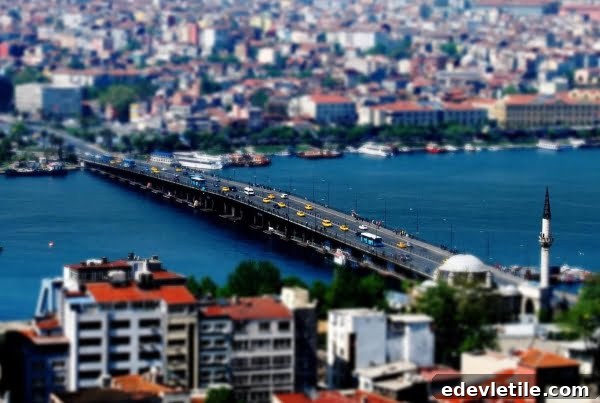
The subject of expats in Turkey often sparks lively debate. From the Aegean and Mediterranean coasts to Istanbul and Ankara, foreign residents have become a visible part of daily life. In some towns, such as Didim, the British expat community is well known for maintaining British traditions like Sunday roasts, cooked breakfasts, and watching football in English bars. In larger cities like Istanbul, the expat population is more diverse and many work as teachers, freelancers, or for international firms.
Expat Living in Turkey – The Ideal Lifestyle
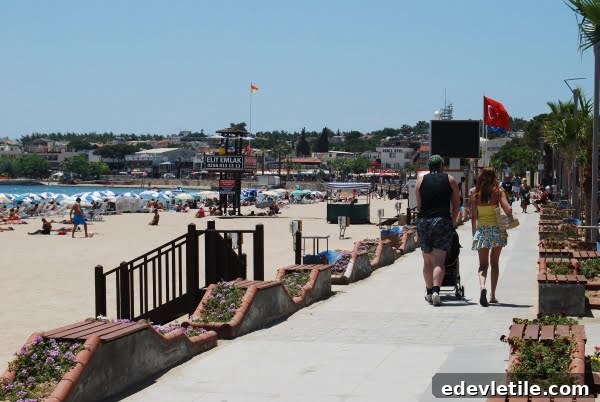
To many observers, expat life here appears idyllic. Many have purchased affordable homes near the coast, enjoy long hot summers, a fresh Mediterranean diet, and an active social scene. Although costs of living have risen recently, many find their money stretches further here than in places like the UK.
I don’t pay for a TV licence, my council tax is minimal, and water bills are typically only a few pounds a month.
When the holiday season arrives, visitors curious about expat life often ask a lot of questions. While I’m a strong advocate for this lifestyle, expat experiences in Turkey vary considerably and cannot be summed up easily. Some have chosen to relocate to nearby countries such as Northern Cyprus or Bulgaria in recent years.
Ultimately, life here reflects the choices you make.
What You Need to Know Before Moving to Turkey
Turkey is no longer the “easy come, easy go” destination it once was. Traffic and administrative penalties are enforced, indoor smoking is banned, and digital systems are increasingly used for official processes. Residency procedures and requirements for health insurance have been tightened, and driving licence rules have changed in recent years, creating confusion for many.
Regulations are becoming more aligned with European standards, which brings some clarity but also continued paperwork. Simple tasks, like connecting utilities to a property, can sometimes take longer than expected. Patience and a calm approach are helpful when navigating bureaucracy. Joining local expat groups or working with a knowledgeable assistant who can translate and guide you through processes can make a big difference.
Average Costs of Living, Financial Planning, and Supporting Yourself

The cost of living in Turkey varies widely by region. Major cities like Istanbul are more expensive, while many Aegean and Mediterranean coastal towns remain comparatively affordable. If you own your home, avoid driving, and live modestly, a monthly budget of 1000 to 1500 Turkish lira can cover basic living expenses in lower-cost areas.
Be sure to include one-off and recurring costs in your plan, such as residency permit fees, mandatory health insurance, and site maintenance charges if you buy property in a managed complex. Many pensioners benefit from favorable exchange rates, but it’s wise to prepare for future fluctuations and maintain a financial backup plan.

Interest rates on local savings accounts can be attractive, so comparing offers from different banks is recommended. Employment rules for foreigners have improved, but you should not rely on finding work without the proper work permit. Authorities can and do enforce penalties, and the national minimum wage remains modest compared with many Western countries.
What Are the Most Popular Regions for Expat Living?
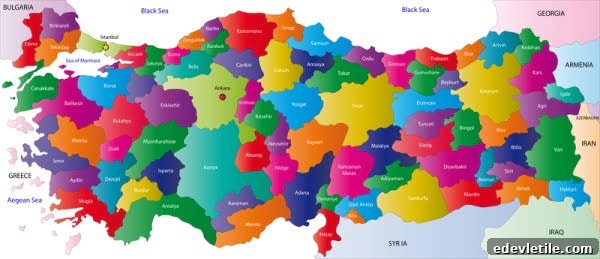
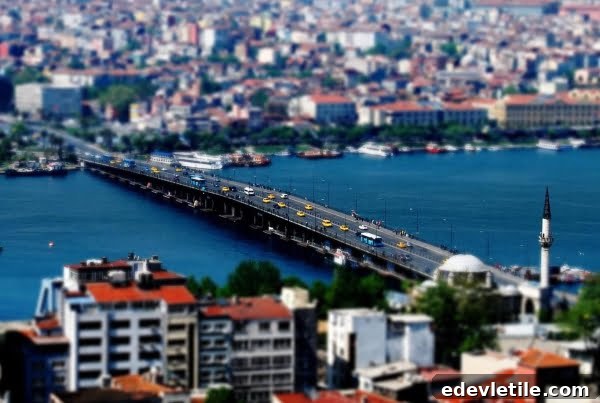
Popular regions for foreigners include Antalya and Istanbul. Antalya appeals for its resorts, climate, and busy international airport, while Istanbul attracts those seeking a vibrant, cosmopolitan environment. Upscale buyers often choose areas such as Kalkan or parts of the Bodrum peninsula, while more budget-minded buyers look to towns like Altinkum and Fethiye. Expats tend to settle where English is more widely spoken, including many coastal communities.
The Most Asked Question – What about the Language Barrier?

Learning Turkish is a valuable goal, but many adults find it challenging to reach full fluency. If you choose to learn, options include online courses or hiring a teacher in Turkey or your home country. That said, in many popular expat areas—Bodrum, Fethiye, Antalya, and Didim—English is commonly spoken because of the tourism industry. When language gaps occur, simple gestures, translation help from local friends, or basic phrasebooks often resolve most situations.
How to Be a Happy Expat in Turkey: Stay Motivated
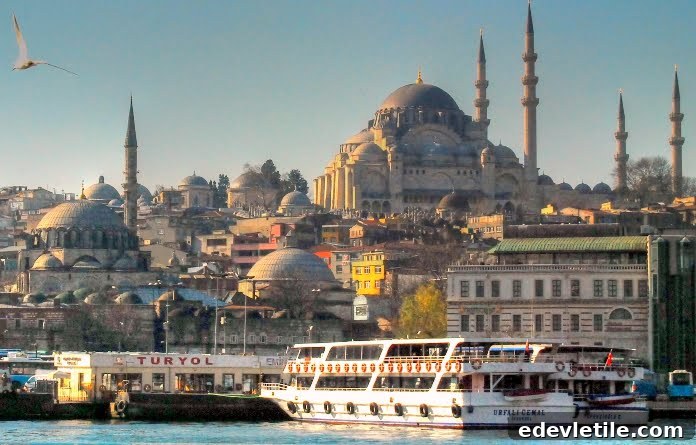
After the initial excitement of moving wears off, many expats look for ways to stay active and engaged. Popular options include taking up local sports like golf in Antalya, volunteering with community groups, or pursuing creative hobbies such as photography and painting. Remaining social and involved helps avoid the trap of excessive drinking or isolation that can strain relationships. Use the freedom of this chapter to explore Turkey’s diverse regions and rediscover what drew you here.
Note on Author Credits: This article was created in collaboration with Tolga Ertukel of Turkey Homes.