Mustafapaşa (Sinasos): A Guide to Cappadocia’s Greek Village
Like many small villages across Turkey, Mustafapaşa in central Cappadocia preserves a rich Greek Orthodox heritage from the Ottoman era through the early 20th century, a period when Turks and Greeks often lived side by side. The town’s architecture and historic sites still reflect that multicultural past.
Accounts of mixed communities across Turkey have been documented by authors who explore the lives of Turks, Greeks, Armenians and Jews in towns such as İzmir (formerly Smyrna). Likewise, the abandoned village of Kayaköy on the Mediterranean coast inspired literary portrayals of relationships that crossed ethnic lines, reflecting the complex human stories behind these settlements.
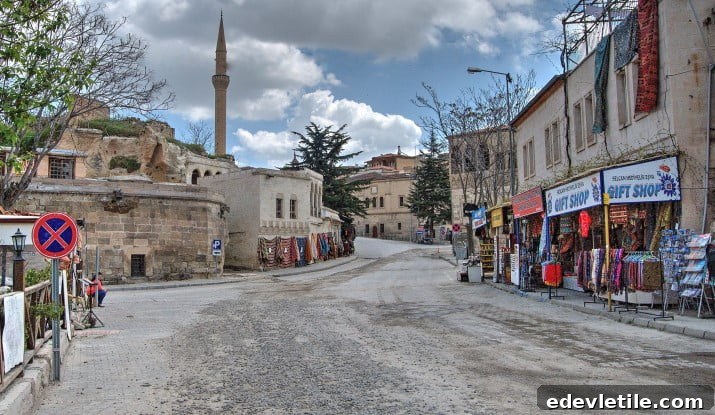
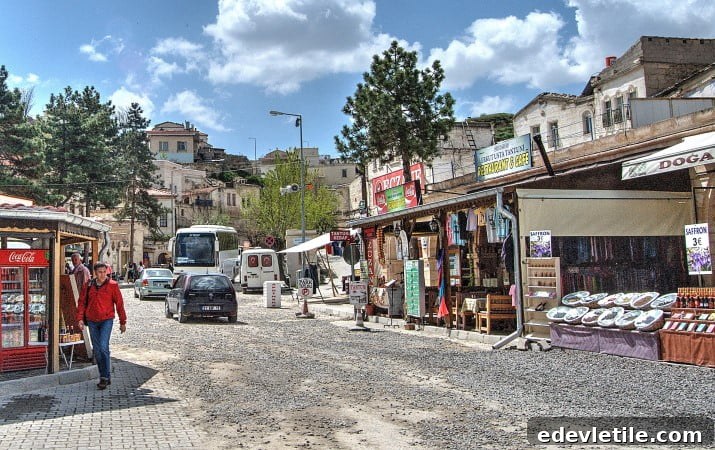
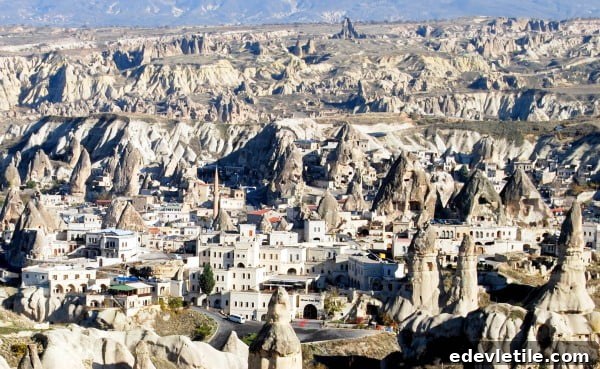
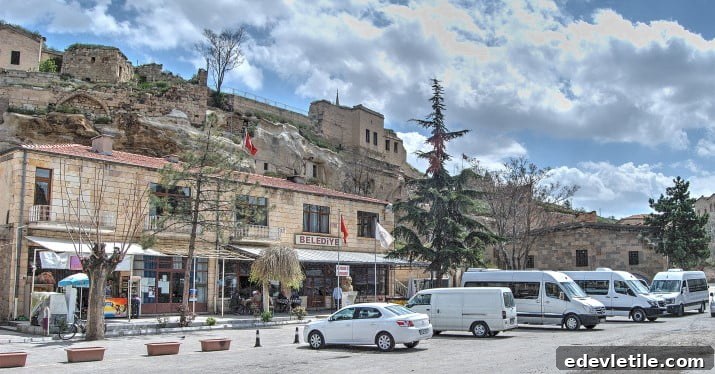
Wandering through Mustafapaşa, historically known as Sinasos (which roughly translates to “city of the sun”), the streets felt quiet and timeless. Apart from a few locals gathered in tea houses and the town square, visitors filled the lanes—either independent travelers or day-trippers from tour buses. Still, the Greek influence was easy to spot in the stone houses, façades and, most notably, in the Church of Saint Nicholas.
Saint Nicholas Church of Mustafapasa
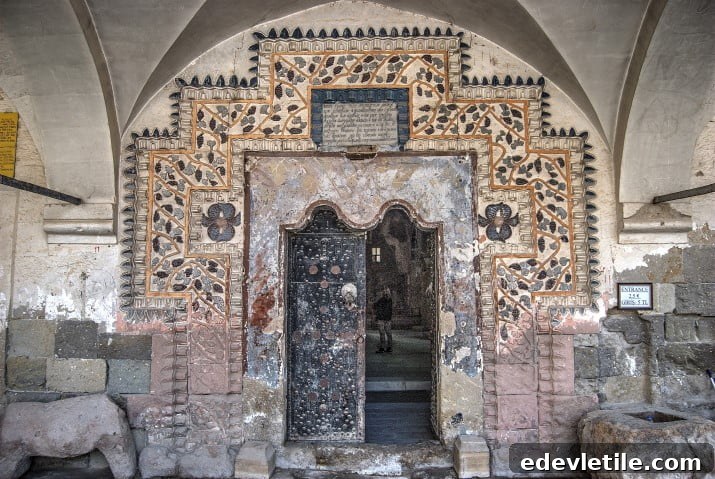
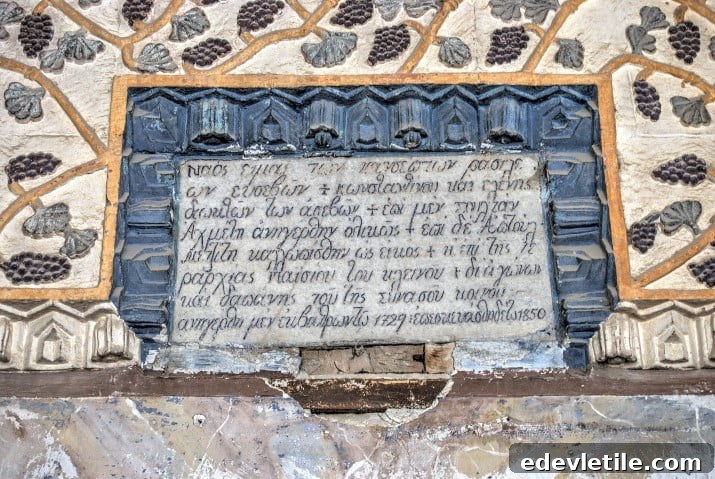
During a free period on a group tour I headed to the small church opposite the square. The entrance featured an iron door set beneath three arches, with three symmetrical windows above protected by iron bars. Above the doorway was an inscription in a script other than Turkish, likely Greek, which piqued my curiosity as I entered.
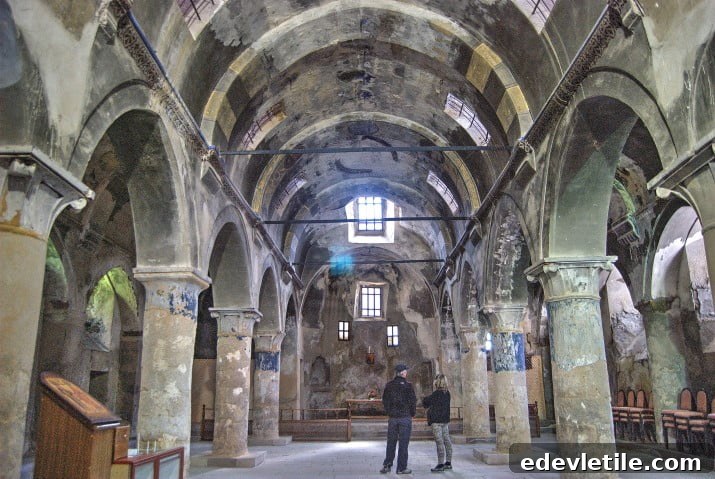
Inside, the church opens into a modest hall with a vaulted ceiling, a characteristic shared by many historic churches. The interior was small and could be admired in a short visit, but its quiet atmosphere and preserved features left a lasting impression before I returned to the streets to continue exploring.
Greek Houses of Mustafapasa
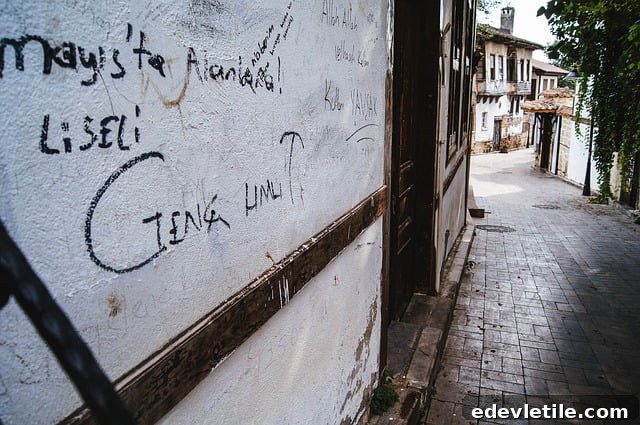
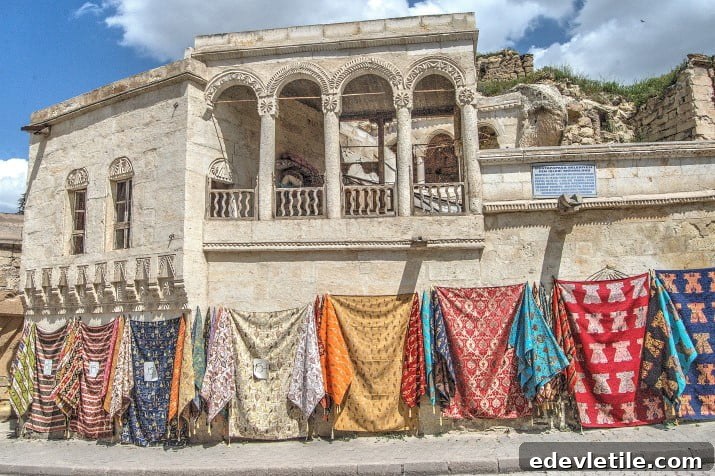
Beyond the church, the town’s residential architecture proved equally compelling. Passing a shop whose owner tried to attract customers, I found myself drawn to the quiet, narrow streets where many houses retain a Mediterranean character. The façades, shutters and stonework reflect a cohesive style that contrasts with more recent Turkish urban designs.
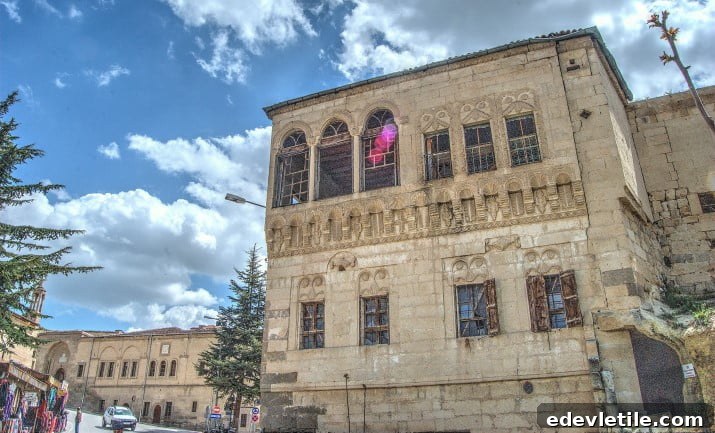
Many of these buildings date from the 19th and early 20th centuries and appear to have been carefully restored to preserve their original appearance. Their uniform lines and Mediterranean details hint at daily rhythms long past, and I found myself wishing I could see inside to learn more about the layout and the lives once lived there.
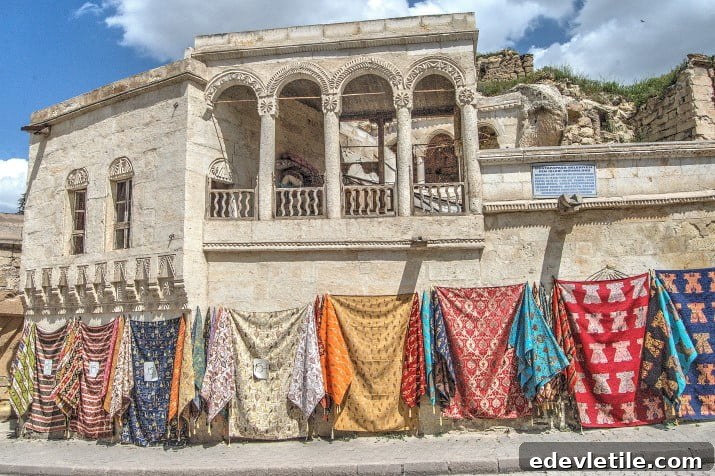
Mustafapaşa also has a renovated hotel that gained popularity after appearing in a Turkish television series, which has encouraged more visitors to stay overnight. A longer visit—three or four nights—would allow time to meet older residents and record their memories. Their stories would likely offer rich material for anyone interested in the village’s social history.