Is Turkey Safe to Visit Now? Practical Travel Safety Guide

Update – July 2016 – Dear readers: if you have come here seeking guidance after the failed military coup in Turkey on 15 July 2016, follow your government’s travel advice. Your travel insurance may be invalid if you act contrary to official guidance.
On 18 July the U.S. State Department updated its recommendation:
“In light of the July 15 coup attempt and its aftermath, we suggest U.S. citizens reconsider travel to Turkey at this time. This replaces the Travel Warning dated June 27, 2016.”
On 17 July the UK Foreign Office also updated its guidance, noting that while the situation appeared to be calming after the attempted coup, the security environment remained potentially volatile. They advised travellers to check with airlines or tour operators for any remaining disruption to flights.
———————————————————–
Update – January 2016 – After the bomb attack in Sultanahmet, Istanbul, I continue to hold the same view about travelling in Turkey. If you are concerned about ISIS or terrorism, please read my dedicated article on that topic for a focused discussion and context.
Update – 30 June 2015: If you came here worried about ISIS and regional incidents such as the attack in Tunisia, consult my article addressing those concerns directly.
Update: If you arrived following alarmist media coverage (for example the Daily Express piece of 13 June), please don’t be unduly worried. Even the UK ambassador described some reporting as alarmist and inaccurate. The British Embassy in Ankara published a statement reminding readers that travel advice had not been significantly changed: they advised against all but essential travel only to areas near the Syrian border and emphasised that the overall terrorist threat level in Turkey had been unchanged for years. Millions of Britons visit Turkey each year and the overwhelming majority of visits are trouble-free.
Is it safe in Turkey? — Update: 14 June 2015
Traffic to this article rose unexpectedly; many readers are asking whether Turkey is safe for holidays in light of regional tensions. My answer remains the same: I am still in Turkey and continue to travel here without incident.
Recently I visited Cappadocia and spent time in a cottage in Yalıkavak, Bodrum, where I took painting classes and enjoyed local life. If Turkey were genuinely unsafe for visitors, I would not be taking these courses or exploring as I do. I have not experienced disturbances or felt my safety was at risk.
Remember that many tourist areas are a long distance from conflict zones. For example, Istanbul is over 1,000 kilometres from the Syrian border. Life in most tourist regions remains normal.
If you have a specific question about a destination, please leave a comment below and I will respond when possible, as I cannot answer every email personally.
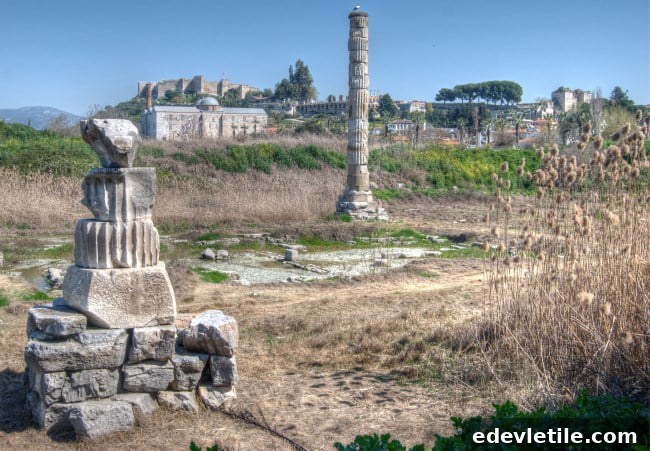
Updated information – October 2014: Increased traffic to this page likely relates to ISIS activity in neighbouring countries. I was on the Aegean coast at the time and life was normal: shopping, dining, sailing and visiting major sites such as Ephesus continued as usual. Many tourist destinations are far from the areas of unrest; Antalya, for example, is roughly 600 kilometres away from the Syrian border.
If you booked through a travel agent or tour operator they will inform you if an area becomes unsafe. The U.S. and UK governments advise against travel only to the southeast of Turkey; other regions are still considered safe for tourists. If broader restrictions become necessary, Western governments would be among the first to issue clear guidance.
March 2014: I remain in Turkey and am not advising people to cancel their trips. Demonstrations may occur in major cities, but these do not usually disrupt everyday life in other regions.
June 6, 2013: I published a post about demonstrations in Turkey and whether to cancel holidays; consult that post for more detail.
June 1, 2013: Recent riots in Taksim Square made that area unsafe; avoid it and check local advice. Demonstrations also occurred in Izmir and Ankara. If you plan to travel to a city with reported unrest, research your specific destination or leave a comment below for advice.
In Altınkum and many other tourist towns life continued normally. The British government advised avoiding public demonstrations because of the potential use of tear gas and water cannons.
May 2013: After the bombing in Reyhanlı, many asked if holiday plans should be cancelled. My response remained that most tourist areas are far from the Syrian border; on the Aegean coast I experienced normal daily life. If you have questions about a specific destination, post them in the comments.
April 2013: Ongoing questions about safety persist, but my viewpoint has not changed: Turkey is operating as normal for holidays in many regions.
6 October 2012: Tensions between Turkey and Syria caused concern about a possible wider conflict. I was on the Aegean coast with life continuing normally and no plans to leave Turkey. If you are worried about a particular destination, leave a comment and I will offer my thoughts when I can.
9 April 2012 — Turkey and Syria: Following unrest in the region, many asked whether Turkey remained safe for summer travel. Most popular tourist areas are at least a two-day drive from the Syrian border and were unaffected. Seek consular advice for any plans along the Syrian border; otherwise destinations such as Cappadocia, Istanbul, Altınkum, Fethiye and Alanya remain popular and safe for visitors.
Turkey is a large country—avoiding it entirely because of events near its border would be like avoiding the United States because of something happening in Canada. If you have destination-specific concerns related to Syria, please post them in the comments.
Many thanks,
Natalie
————————————————————————————————————————————
Original Post: Is it safe to travel to Turkey?
I was surprised by some media coverage that lumped Turkey in with regional instability. A common misconception is that Turkey is part of the Middle East; it is not, and when considering travel warnings it should not automatically be grouped with Middle Eastern countries.
Turkey has a long-standing democratic tradition. The country embraced democracy in the 1920s and Turkish people value their electoral system. Unlike countries where long-term autocratic rule contributed to uprisings, Turkey’s political context is different.
Turkey is safe for travel. My blog focuses on travel, people, food and daily experiences rather than politics. For 2011 and in subsequent years I have found Turkey to be welcoming and safe for visitors. Bring family and friends and enjoy the hospitality and culture.
Visit Marmaris or Fethiye for beaches and scenery, or spend time in Istanbul to explore culture and historic sites. Turkey offers memorable experiences and warm hospitality.
Further reading about Turkey
Learn about Turkish culture and traditions on the blog’s culture section.
Explore posts about the cosmopolitan city of Istanbul.
View photos from my travels around Turkey in the photos section.