Dara: Exploring the Ancient Mesopotamian Ruins Near the Syrian Border
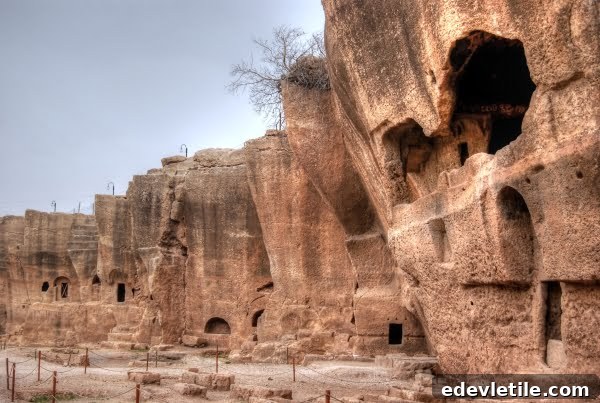
The Dara Mesopotamia ruins rarely feature in Turkey’s mainstream tourism guides, despite their significance in regional history. Once a fortified and densely populated city in ancient Mesopotamia, Dara served as an important Roman stronghold.
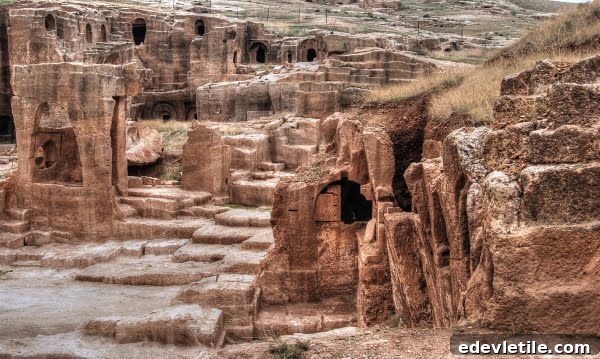
Part of the reason for limited recognition is the site’s proximity to the Syrian–Turkish border. While staying in Mardin, locals told us Dara was only a five-minute drive from the border, which initially made me hesitant to visit. Reports from soldiers in Urfa noted increased military presence in the southeast, with personnel redeployed from other regions in case tensions with Syria escalated. Still, we chose to visit; the worst outcome would be encountering road checkpoints and having to turn back.
The Village
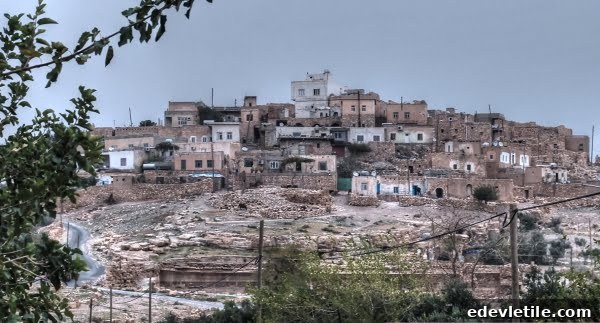
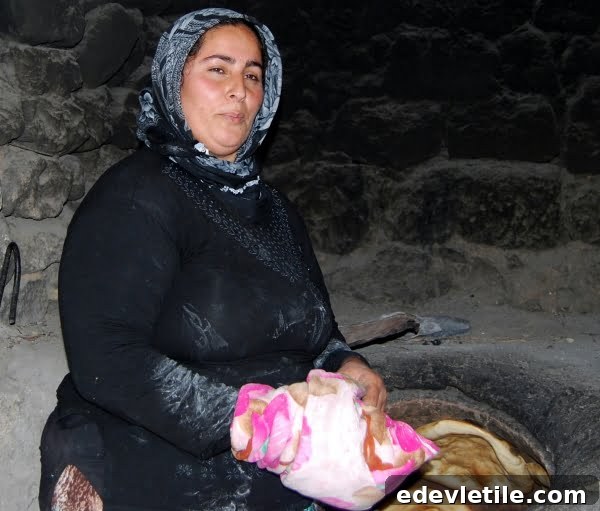
The ruins lie near the village of Oğuz, and my concerns about safety proved unfounded. There were no military checkpoints along the route and the village felt peaceful, with no visible signs of unrest despite its closeness to a tense border. Children ran through the streets, women baked loaves in stone ovens, and cows rested in small gardens. Although the village appeared somewhat neglected, it felt welcoming and calm.
The Dara Mesopotamia Ruins
Our primary reason for the trip was to explore the archaeological site. Information online is sparse, and compared to better-known Roman sites like Ephesus, Dara attracts very few international visitors. Locals said the ruins had been gaining attention before regional tensions discouraged many Turkish tourists as well; now only a small trickle of visitors arrives each week.
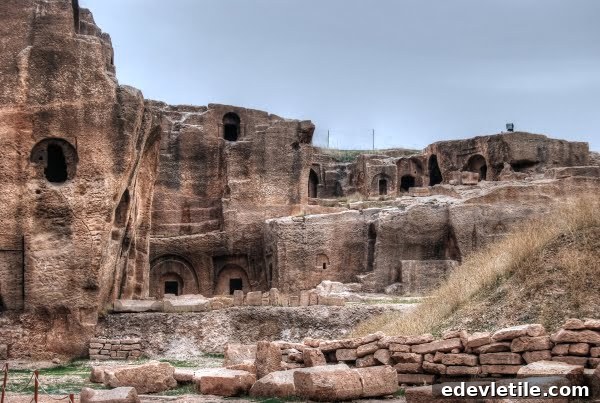
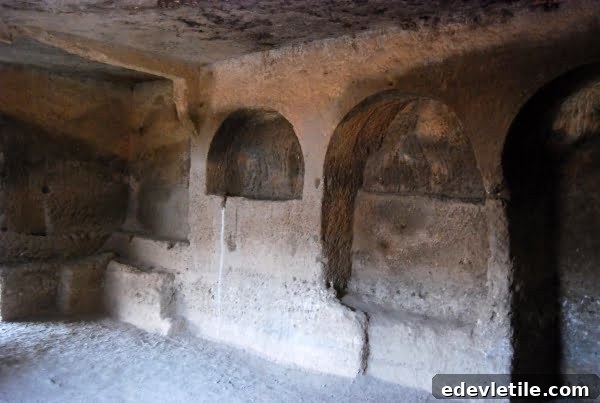
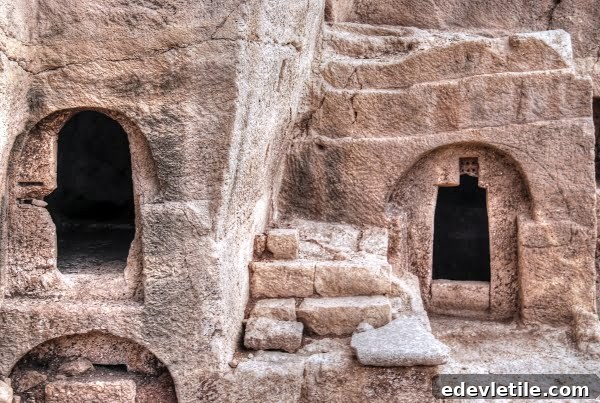
Sources disagree about the city’s origins. Some historians attribute the name to the Persian king Darius, while others credit the Byzantine emperor Anastasius with founding the settlement. Regardless of its exact beginnings, Dara’s historical prominence stems from its role as a fortified Roman city in the sixth century and as the site of the Battle of Dara.
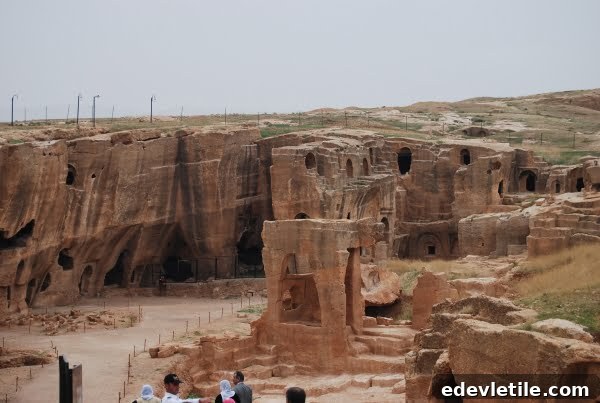
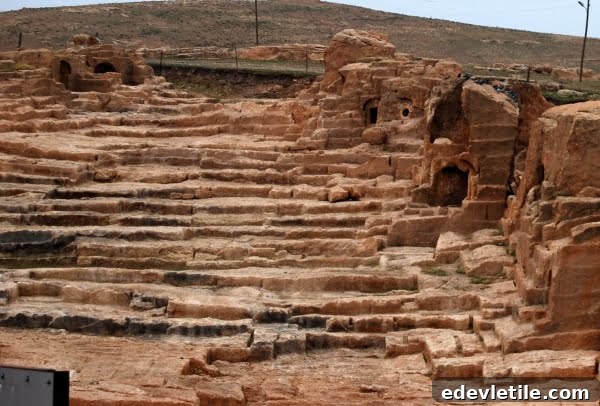
Excavations began in 1986, and according to locals, archaeologists worked in the area until very recently. On many stone walls you can see a horizontal discoloration marking the line between stones that remained above ground and those that were buried for millennia before excavation. That visible seam offers a striking reminder of how much of the city lay hidden until archaeologists uncovered it.
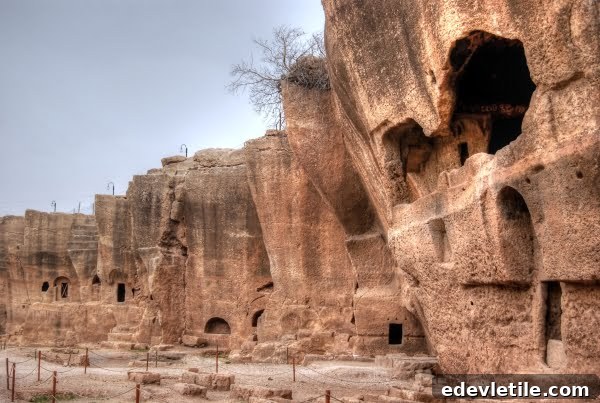
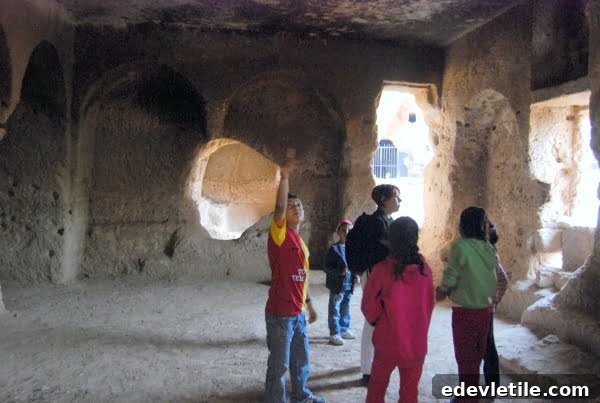
Local children proved invaluable as informal guides. Although some advise against giving money to children to avoid encouraging begging, this group offered information and direction in exchange for small pocket change. In a short time they pointed out the necropolis, churches, residential remains, the agora, and an impressive water cistern located outside the main site near the village. Their knowledge outpaced much of what I had found online, and their guidance helped us appreciate features that would otherwise have been easy to miss.
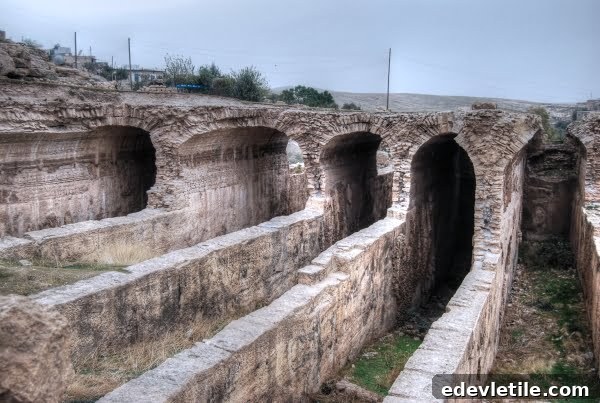
The cistern, in particular, is notable—an example of the engineering that supported urban life here centuries ago. While the site does not have the tourist infrastructure of larger ruins, its authenticity and quiet atmosphere make it a rewarding visit for those interested in history and archaeology.
Tips for visiting Dara
- Do not be deterred by Dara’s proximity to the Syrian border; the village and site often feel calm and safe.
- Local public transport is infrequent and not always convenient—hire a car or driver for easier access.
- Allow time to explore the nearby village as well as the ruins; half a day is usually sufficient to see the highlights.
- Consider hiring a guide or translator. Local guides and children who show visitors around often speak only Turkish, and a translator will enhance your understanding of the site.
Visiting Dara offers a quieter, more intimate archaeological experience than the better-known sites in Turkey. Its layers of history, visible in stone and in the layout of the ruins, reward the curious traveler willing to make the trip.