Top Attractions to Visit in Antalya: Must-See Sights and Beaches
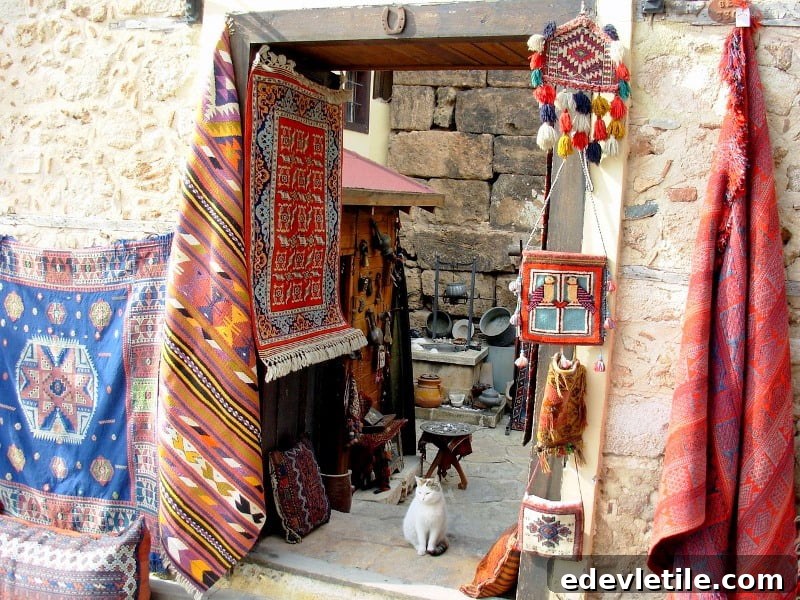
The stunning coastline of Antalya is a string of seaside resorts and the vibrant city centre that together form Turkey’s second most visited holiday region after Istanbul. Founded in 159 BC by the king of Pergamum and known in antiquity as Pamphylia, Antalya draws visitors from many countries. Expats also favour the area, using the modern, well-connected airport for frequent direct flights and often making Antalya their second home.
I visited Antalya twice—once in winter 2004 and again in 2012 before starting a month-long tour of the southwest coast. As the gateway to the Lycian Way and a major hub of the Turkish Riviera, Antalya remains a place I plan to return to, since there is still more to explore. For this guide, my friend Bayram, who works in local property, provided additional insight into the different resorts and neighbourhoods.
Antalya is ideal for road trips because the D400 coastal road links all the major towns and resorts. Traveling one or two nights in each place turns a simple holiday into an authentic coastal journey with a variety of experiences along the way.
Coastal Resorts and Places To Visit in Antalya
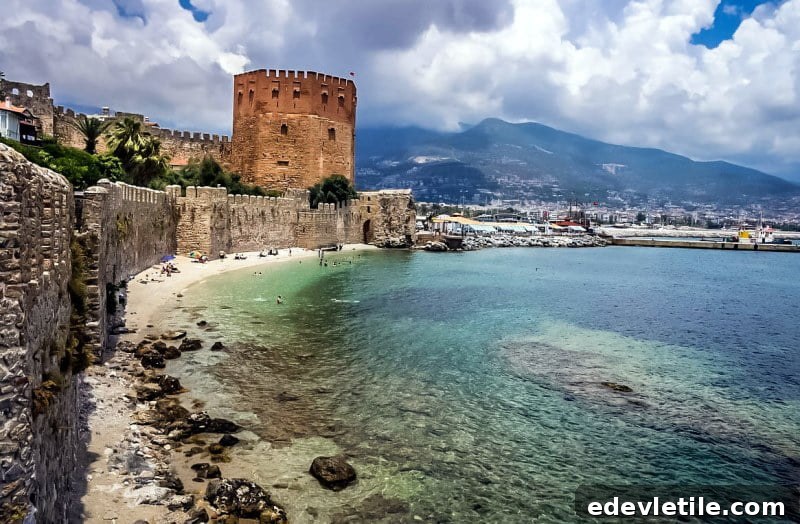
Alanya is the furthest major resort from Antalya airport, about a two-and-a-half-hour transfer. The 13th-century Red Tower, standing 115 metres high, dominates the waterfront and sandy beaches. Notable attractions include Damlatas Cave with its dramatic stalactites. Cleopatra Beach is a popular spot linked by legend to Cleopatra and Mark Antony.
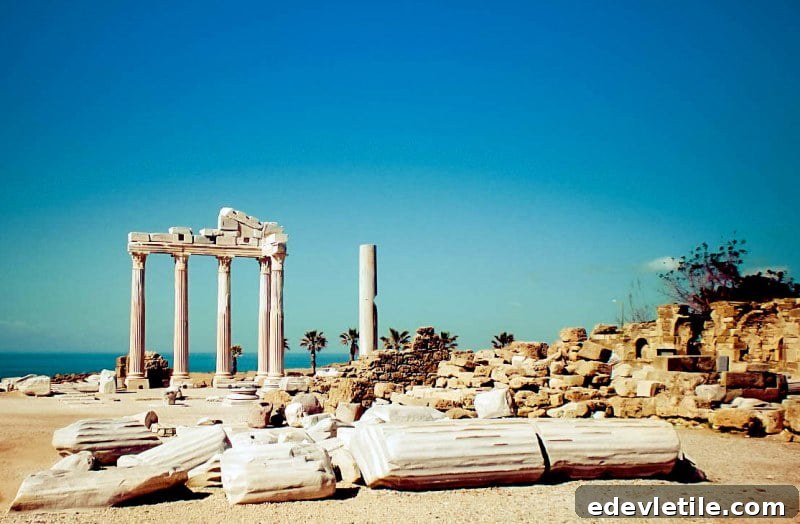
Side lies further west and retains a more traditional, small-town feel. Historically a pirate hangout, Side is best known for its partially restored Temple of Apollo. Uniquely, the ancient Hellenistic theatre and agora sit beside modern shops and cafes. Nearby Manavgat makes a popular day trip, especially to see its scenic waterfall.
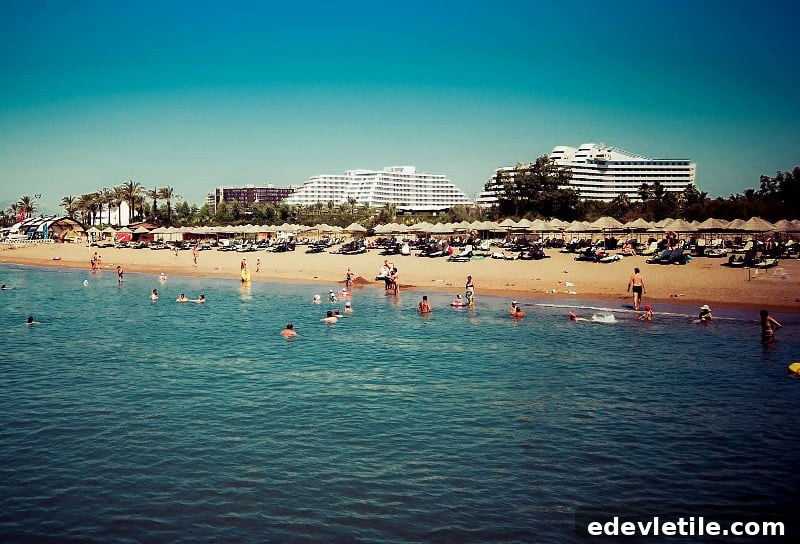
Belek is a cluster of luxury hotels, high-end villas and championship golf courses, earning its reputation as Turkey’s golfing capital. With world-class courses that have hosted top players, Belek caters primarily to golfers and guests seeking spa and beach relaxation rather than nightlife or sightseeing.
Antalya city centre is the crown jewel of the coast. The old town, Kaleiçi, is marked by the elegant three-arched Hadrian’s Gate and is popular for its historic harbour lined with restaurants and bars. From the city you can easily reach Konyaaltı Beach, the Archaeological Museum, MiniCity and the extensive Antalya Aquarium.
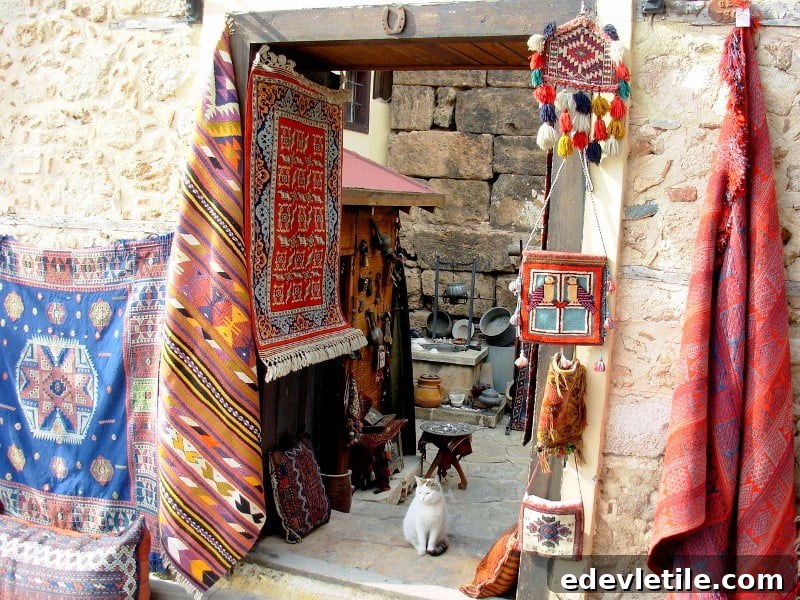
Around Olympos National Park lies Kemer, a purpose-built resort known for its all-inclusive hotels and long pebbly beach. Kemer is meticulously maintained and busy with holidaymakers, though it offers fewer cultural attractions than some neighbouring towns.
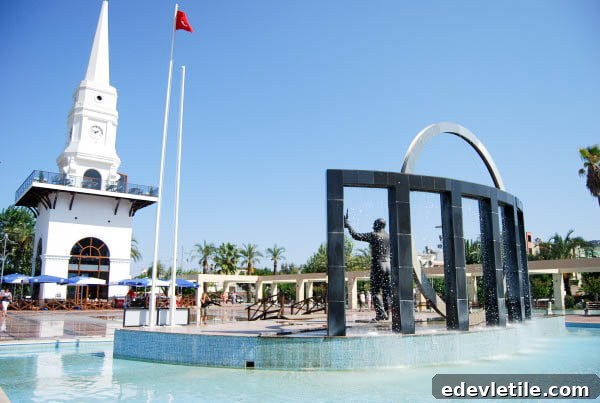
A short distance away is Cirali, a quieter, more rustic option that shares a beach with Olympos. Cirali is a great base for visiting the forest ruins of ancient Olympus and the eternal flames of Chimaera. Local hotels often arrange excursions to the ruins and the nearby beaches of Phaselis, making Cirali an appealing choice for travellers seeking peace and authentic scenery.
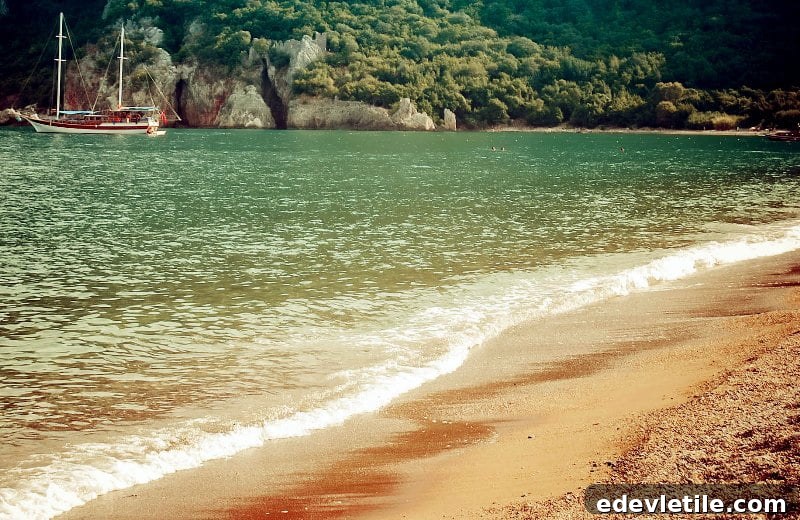
Demre is known for the ancient Lycian city of Myra and the church associated with Saint Nicholas (Santa Claus). Rather than overnighting in Demre, many visitors prefer nearby Kaş, a charming coastal town that combines traditional character with modern amenities and makes an excellent base for exploring the area.
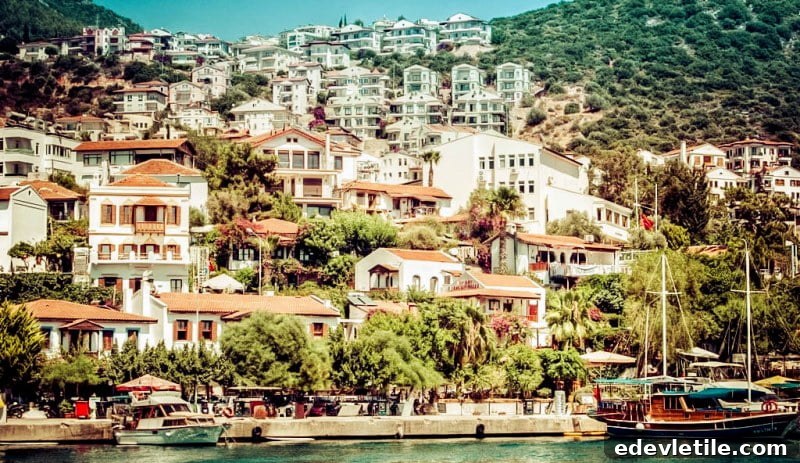
The neighbouring resort of Kalkan is an upscale, hilltop destination popular with a loyal international clientele. Its elevated position means many accommodations offer sweeping sea views from terraces and rooftops, giving Kalkan an elegant, relaxed atmosphere.
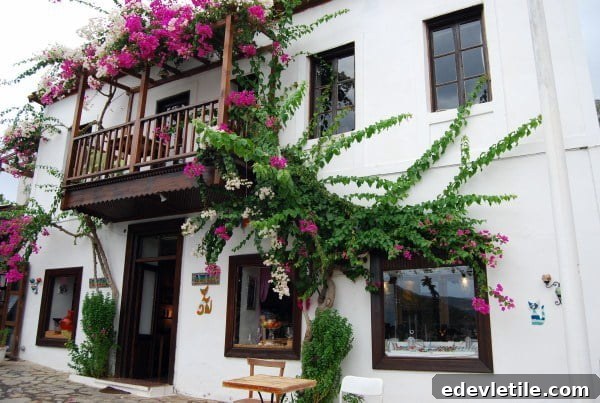
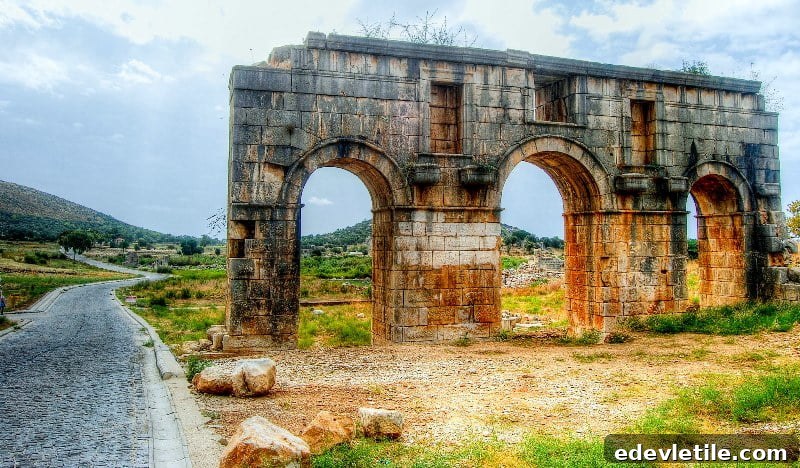
At the western edge of the peninsula, before the Fethiye region begins, lies Patara. Home to Turkey’s longest sandy beach, extensive archaeological ruins and a traditional village ambience, Patara is ideal for travellers seeking sun, history and a relaxed coastal vibe.