Meet the Warm Locals of Beypazarı: Insider Tips for Visitors
I believe the best way to learn about a destination, its culture, and its traditions is to meet the people who live there. Approaching strangers isn’t always simple or appropriate, so I wait for the right moment or for someone local to make introductions. On a recent visit to Beypazarı I was fortunate: the staff from the local Tourism Promotion Project arranged meetings with several residents, making it much easier to connect with real life in the region. Beypazarı is part of a government initiative to promote tourism and, alongside the main town, includes 33 villages. I had the chance to meet a range of locals from the town and some of those villages.
The Friendly Locals of Beypazarı
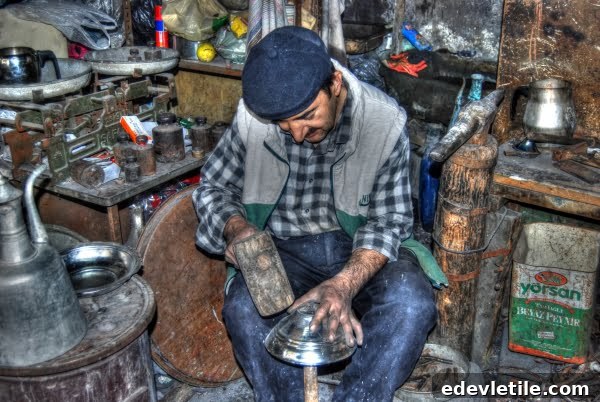
Ahmet the Coppersmith (Bakırcı / Kalaycı)
Ahmet is the town’s coppersmith. His workshop was busy, which speaks to the demand for his skills: families bring copper plates and pots for cleaning, repair, or engraving with intricate patterns. The craft has passed down through generations, though Ahmet’s son has decided not to continue the family trade. Ahmet accepts this—he doesn’t want nostalgia to dictate his son’s future.
Fatma Teyze – The Businesswoman
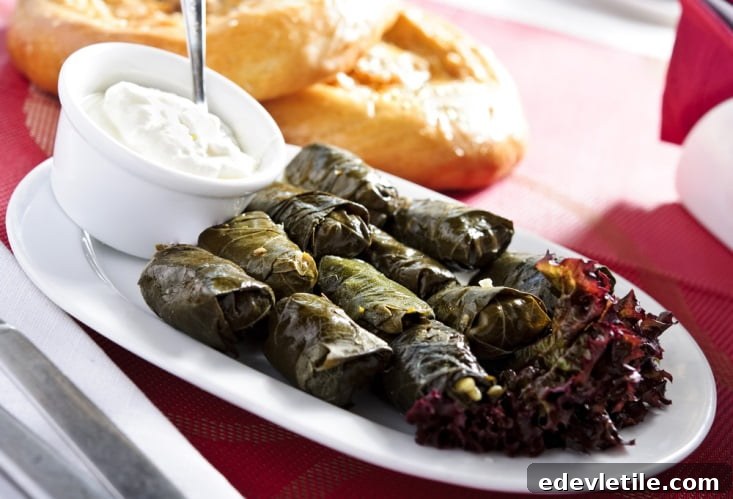
Fatma Teyze runs one of the busiest cafés in town and manages it with a sharp business sense. Having recently registered her brand, she serves visitors and locals traditional baklava, delicious gözleme and flavorful sarma. She’s pragmatic and decisive—on my visit she was instructing her husband on how to grate a large block of cheese. Her confidence and steady hand at the café make her a memorable local entrepreneur.
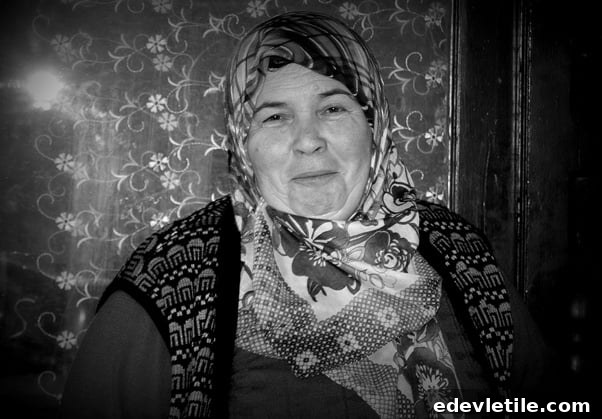
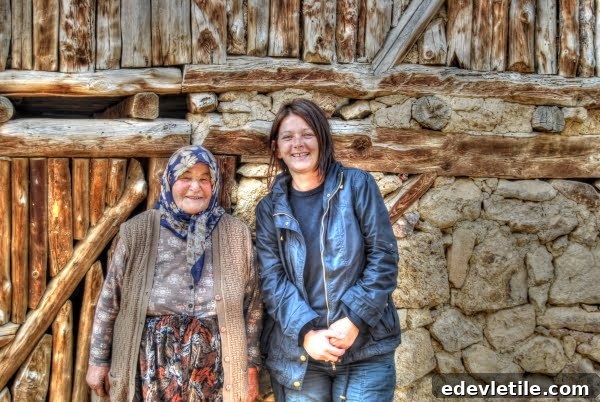
The Local Woman from Kurtkovan Village
When I arrived in Kurtkovan, the village population was down to three residents—soon after, they left for the city as colder weather set in. This woman was among them; she returns in summer when the village bursts back to life. Having lived in a small village her whole life, her daily reality and rhythm differ greatly from mine, which made our conversation especially revealing and humbling.
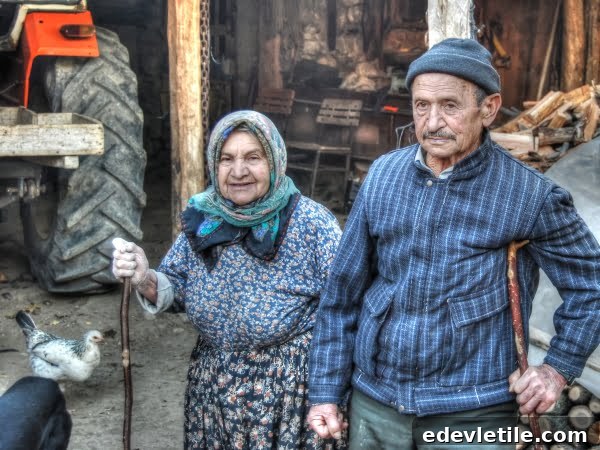
The Couple from Dudaş Village
I met a friendly farming couple in Dudaş who introduced me to a local dish called aguz. We had given the man a lift earlier and, when we passed his house again, he greeted us with three spoons and a serving of the dish. Simple, unexpected hospitality like that is one of the most memorable parts of travel.
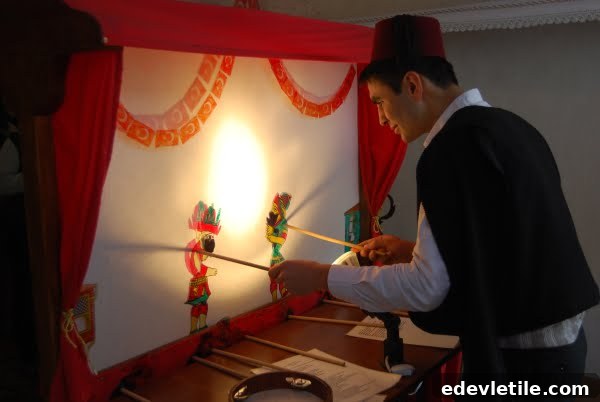
The Staff from the Yaşayan Museum
The Yaşayan Museum—literally the Living Museum—is housed in a historic Beypazarı home and offers a clear window into daily life during the Ottoman era. One of the staff persuaded me to take part in a puppet show. I felt awkward at first, but enjoyed playing a Karagöz puppet, a traditional form of shadow theatre that was a popular Ottoman entertainment.
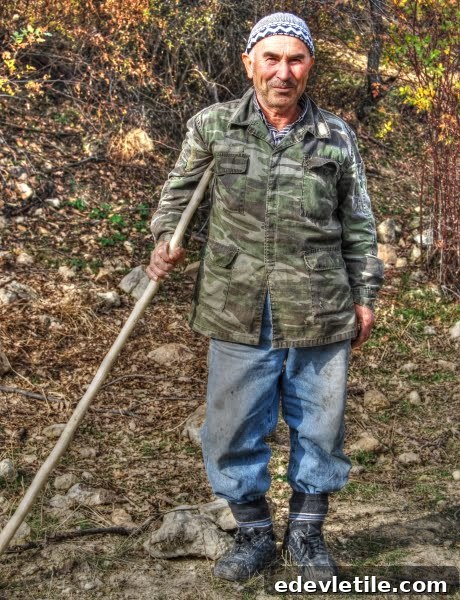
The Shepherd from Boyalı
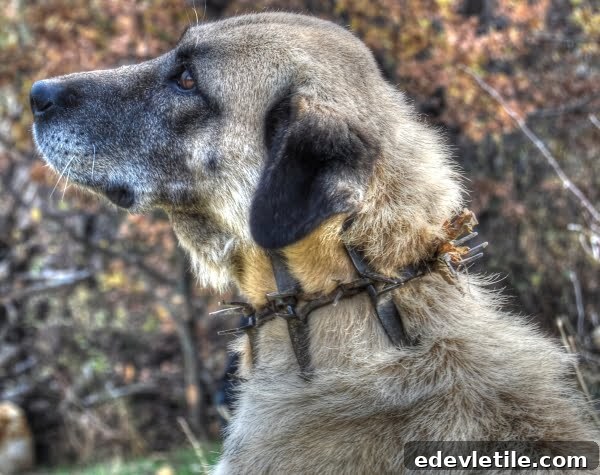
In Boyalı I met a shepherd who also served as the village muhtar, the local headman. His name was Muhammed. I noticed his sheepdog wore a collar fitted with spikes and, assuming it was for aggression, asked about it. Muhammed explained the collar’s true purpose: wolves in the area sometimes attack dogs at the throat, and the spikes help protect them. The dog was gentle and clearly valued for its role in guarding the flock.
The Blacksmith
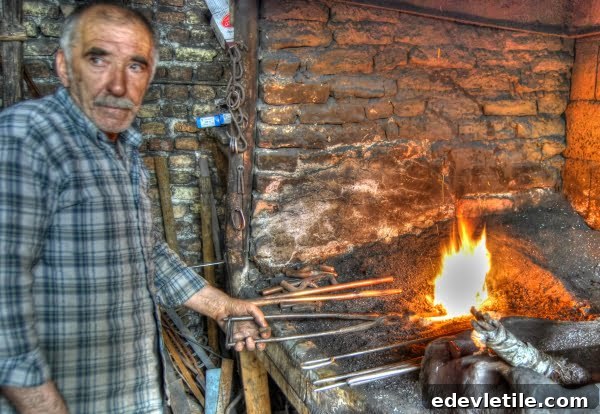
The town blacksmith was reserved and spoke little, which made our first interaction brief. He called me back inside and, though he wasn’t one for conversation, he seemed to enjoy being photographed. There’s a quiet pride in skilled craftspeople that doesn’t need many words to show itself.
Meeting these locals—artisans, shopkeepers, shepherds and museum staff—turned my visit into a series of personal stories rather than just a list of sights. Their openness, practical wisdom and kindness offered a clear and human perspective on life in Beypazarı, and underscored how meaningful it can be when travelers take the time to listen.