Turkish Tea Culture: How Tea Shapes Social Life in Turkey
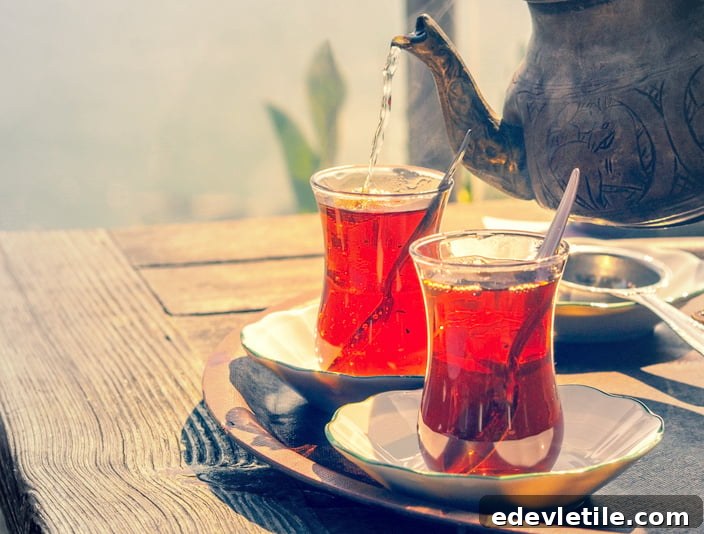
Turkish tea, not coffee, is the national drink of Turkey. Visitors are often offered tea when they go to a Turkish home, and meetings in tea gardens—family-friendly social spaces—are a common part of daily life. Traditional teahouses in villages and town centres tend to be male-dominated, with women visiting less frequently, but tea itself remains a central social ritual across the country.
Tea drinking in Turkey emphasizes face-to-face interaction and hospitality. Sharing tea can be a warm introduction between strangers and a foundation for lasting friendships. A Turkish proverb reflects this sentiment: “Sevmek çay gibidir; sevilmek şeker. Biz garibanlar çayı şekersiz içeriz.” In English: “To love is like tea; to be loved is like sugar. The poor among us drink their tea without sugar.”
The Best of Turkish Tea
Is Turkish Tea Good for You?
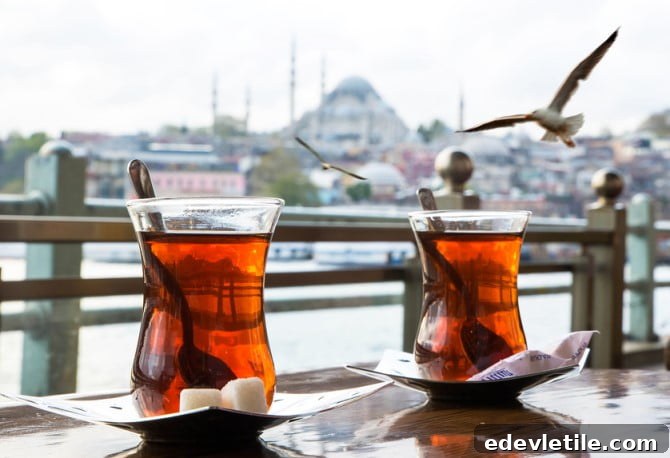
Known as çay in Turkish, black Turkish tea offers both a cultural experience and several health benefits. Research, including studies from the Netherlands, suggests that regular black tea consumption can support healthy blood vessels and lower the risk of stroke and heart attack. The flavonoids in black tea may help manage cholesterol, support metabolic health, and reduce the risk of type 2 diabetes. Turkish tea has also been associated with aiding stress reduction and weight management. Turkey ranks among the world’s top tea-consuming countries and is a major exporter, so these benefits are widely accessible.
How to Make and Drink Turkish Tea
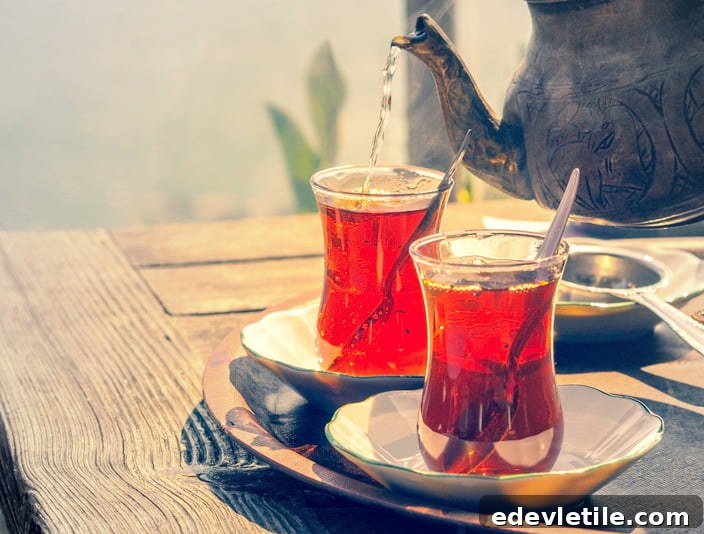
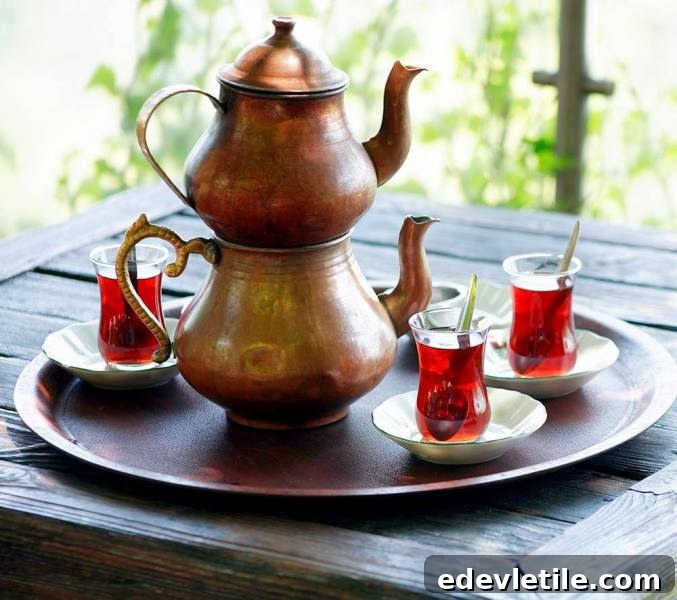
Traditional Turkish tea is brewed in a two-piece steel teapot called a çaydanlık. Water is boiled in the lower pot. Two tablespoons of loose tea leaves go into the smaller top pot, which is then filled with boiling water from the lower pot and left to steep for about 10 minutes while resting on top of the lower pot. Tea is served in small tulip-shaped glasses on saucers. Pour the concentrated tea from the top pot to fill the glass one-quarter or one-third, then dilute with hot water from the lower pot to taste. Adjust proportions for strong (demli) or weak (açık) tea. Turks typically do not add milk but often add sugar if they prefer a sweeter brew.
What Kind of Tea is Popular in Turkey?
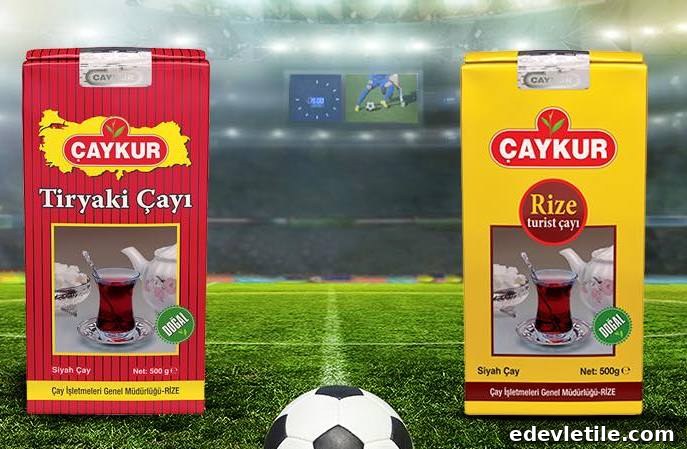
The leading brand in Turkey is Çaykur, sourced from the Rize region on the northeastern Black Sea coast. Rize’s mild, humid climate and steep, green slopes make it Turkey’s tea-growing heartland. Tea production is a major local industry, and Çaykur offers many varieties, with Rize Turist among the most exported and widely consumed blends. Visiting Çaykur tea gardens in Rize provides not only a fresh cup of tea but also panoramic views of the city, sea, and plantations.
Other Types of Turkish Tea
Oralet is a fruit-flavoured instant tea available in flavours like orange, apple, lemon, and cherry. Its bright colours and sweet, fruity taste mean it’s generally enjoyed without added sugar; it’s more popular with tourists than locals. Herbal teas are also sold in Turkey, with apple tea being a familiar offering in tourist settings and shops—though many Turks prefer traditional black tea as the everyday choice.
Also About Turkey
Regional Food Dishes: Turkey’s cuisine is far more diverse than the common kebab stereotype. Each region has its own traditional dishes and prized ingredients. A culinary tour across Turkey, sampling regional specialties alongside tea or coffee, is highly rewarding for food lovers.
Gaziantep Coffee Houses: In southeastern Gaziantep you’ll find an array of traditional coffee houses and distinctive coffee preparations. While tea dominates many parts of Turkey, Gaziantep’s coffee culture offers an appealing contrast.