Breathtaking Panorama from Şanlıurfa Castle: What to See and Photograph
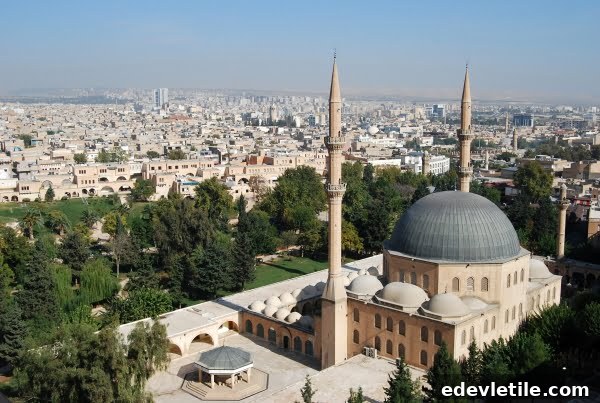
I had been looking forward to visiting Şanlıurfa Castle, which is believed to date back to around 814 AD. From my hotel room the fortress stood proudly on the hilltop, a clear landmark above the city. After enjoying the exhibitions at Gaziantep Castle a week earlier, I expected a similar experience in Urfa. Unfortunately, my visit turned out to be a disappointment in some ways.
About Şanlıurfa Castle
The climb up to the castle is steep. In the heat, and as someone who needed frequent breaks, the ascent required patience. I persisted, paid the entrance fee, and explored the site, but what greeted me inside did not match the imposing exterior walls I had seen from the old town. Rather than an intact defensive stronghold, the interior consisted mostly of a few standing walls and scattered, crumbling stone remains.
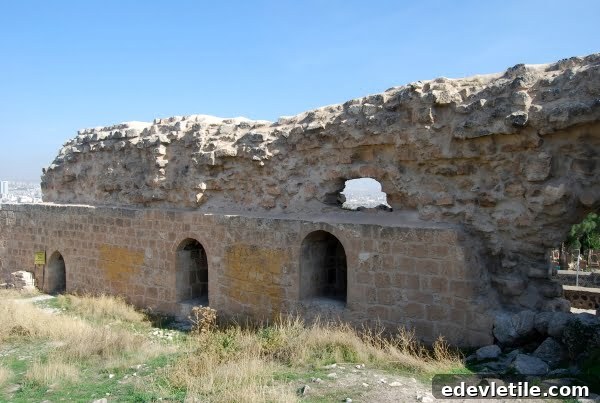
From a distance the tall stone ramparts suggest a well-preserved fortress, but the reality is different. The interior feels more like an archaeological mound with exposed sections and steep drops than a restored castle. Two large standing columns are among the most noticeable features, though the site itself offers little interpretation. Online resources indicate these columns date to Roman times when the city was known as Edessa.
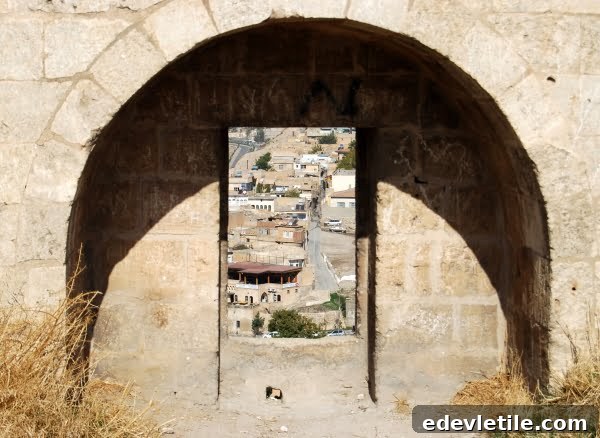
There were plans and reports of further excavations in recent years, but on my visit the interior still appeared unfinished, with exposed earth and uneven terrain. The archaeological work may be ongoing or incomplete; the site conveys more of a work-in-progress than a fully interpreted attraction.
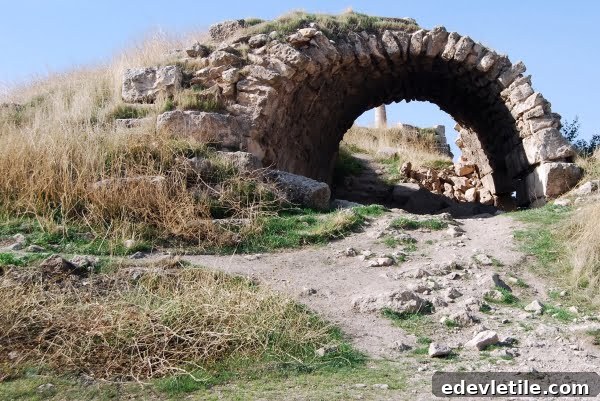
So should you skip the castle? Not necessarily. While the structural remains are limited and interpretation sparse, the castle offers one undeniable plus: spectacular panoramic views. From this vantage point you get a sweeping perspective of the city and surrounding landscape that you won’t find elsewhere in Şanlıurfa.
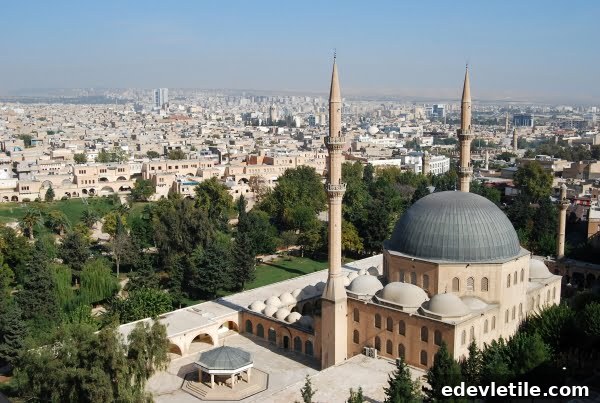
How to get to Şanlıurfa Castle
The castle sits in the old part of Şanlıurfa. Head toward the park where Balıklıgöl (the Pool of Abraham) is located; from there the route to the castle is well signposted. Because the climb up the hill can be taxing, especially in the heat, plan your visit for early morning or late afternoon to avoid the hottest hours.
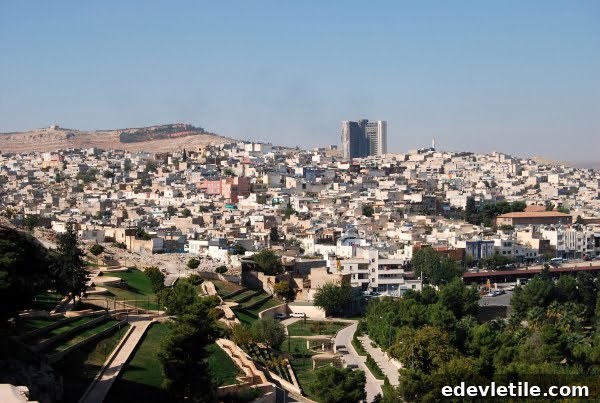
If you are interested in archaeology or history, Šanlıurfa Castle still has value as a site to explore and as a vantage point for photography and city views. Expect limited facilities and interpretive panels, but bring comfortable shoes and water, and allow time to enjoy the landscape and atmosphere from the hilltop.