Sumela Monastery: Discover the Black Madonna and History
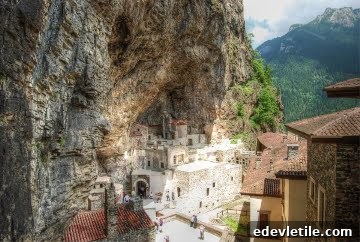
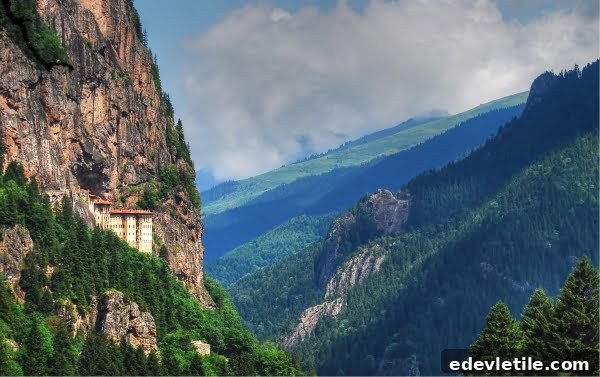
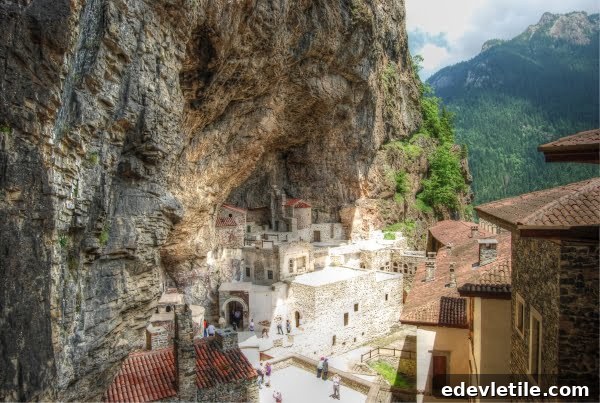
Clinging to the side of a mountain in the lush green district of Maçka is the Sumela Monastery, originally founded in the fourth century. I visited as part of a tour from nearby Trabzon to see this iconic site in person.
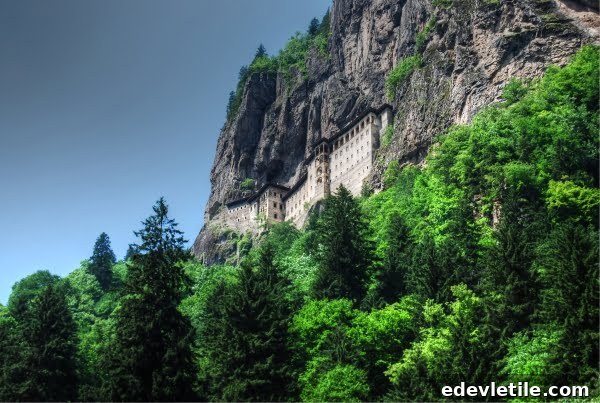
We drove up as far as the road allowed and then walked the final two hundred metres uphill. The path is uneven in places and large tree roots push through the ground, so take care on the climb.
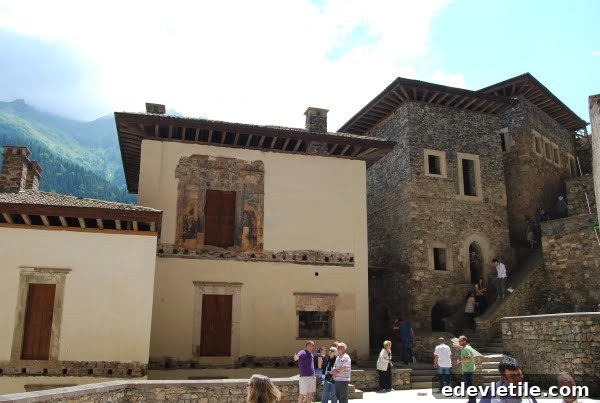
Reaching the entrance left me breathless, but the view of the inner courtyard confirmed the journey was worthwhile. A long flight of steps leads down to the main courtyard, with former living quarters lining the route.
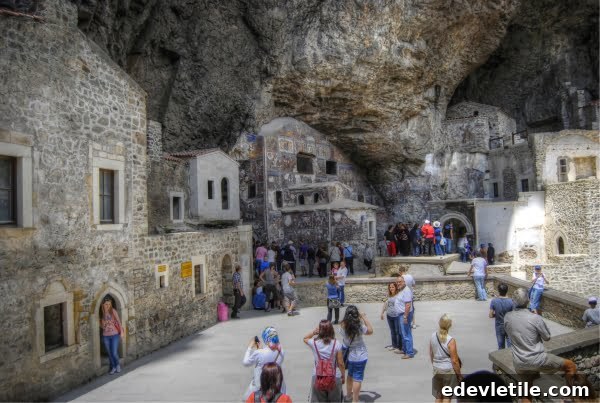
Beyond the courtyard, the kitchens and the church are the final areas to explore, each revealing aspects of daily monastic life and the site’s remarkable placement.
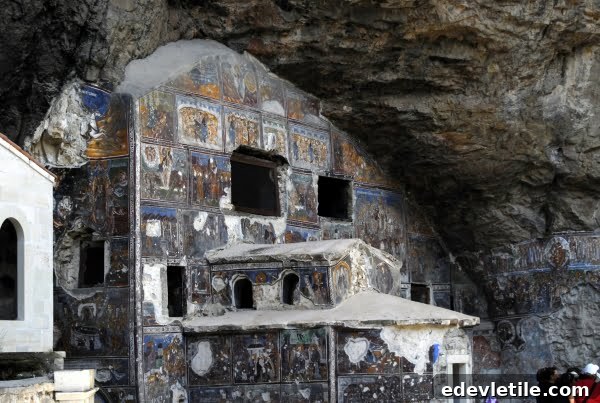
The monastery was emptied in 1923, so furniture and personal items are no longer on display. Signage is limited and without a guide it can be hard to place some spaces in context; the main draw remains the spectacular location and the sweeping views.
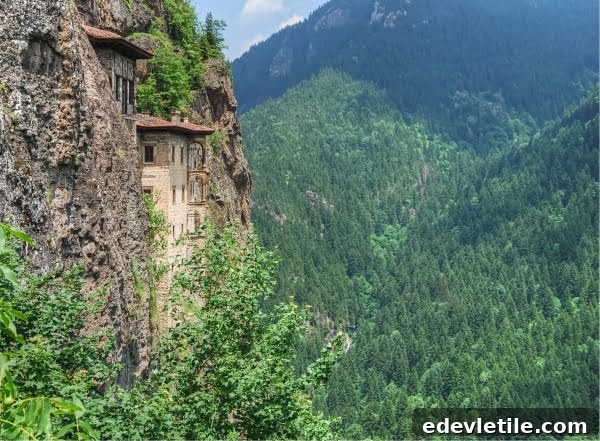
Why was Sumela Monastery built in this peculiar place?
Monasteries were often constructed on high ground so they could overlook surrounding communities. The builders of Sumela pushed that idea further by selecting an especially dramatic cliff-face location.
Explanations for this choice vary by storyteller, but the most enduring account involves a belief in a miraculous image found on the mountain.
It begins with two priests and a statue.
The Black Madonna
According to legend, two priests discovered a statue of the Virgin Mary in a cave here. Its dark coloration led them to identify it as a Black Madonna, an image often linked to miracles.
They believed the statue had been made by Saint Luke and miraculously brought to the mountain by angels, a sign that they should establish a monastery at that spot.
Some suggest the tale may have been embellished—or even invented—to attract donations, but regardless of its origins, Sumela flourished for centuries. Sultan Mehmet II granted the monastery protections and privileges under Ottoman rule, and donations continued because of the statue’s reputation.
The Turkish War of Independence changed life at Sumela. In 1923 the monastery was abandoned and many items were moved—reportedly to a monastery in Greece—including, some believe, the Black Madonna.
Frescoes and Ancient Graffiti
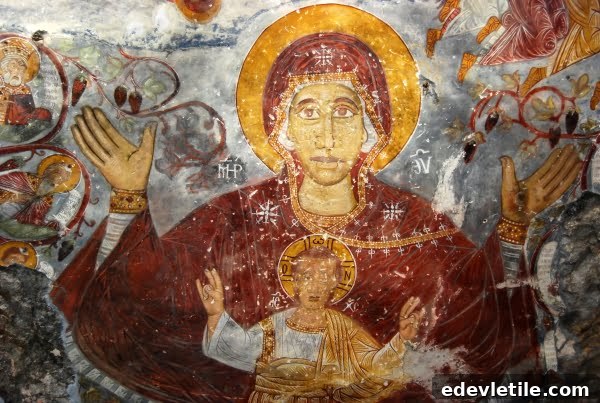
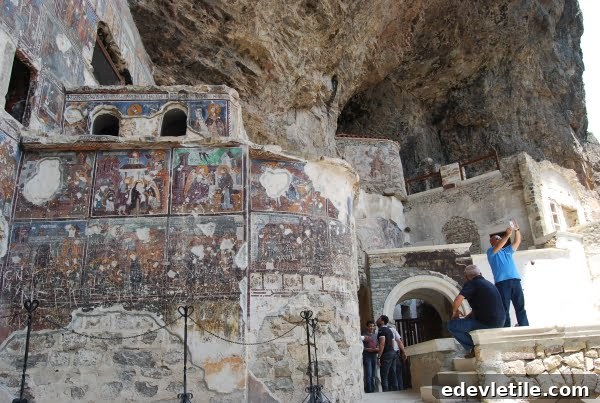
After years of limited use, the monastery suffered wear and damage. The frescoes show signs of aging and, according to some accounts, soldiers in the early 20th century removed fragments as souvenirs.
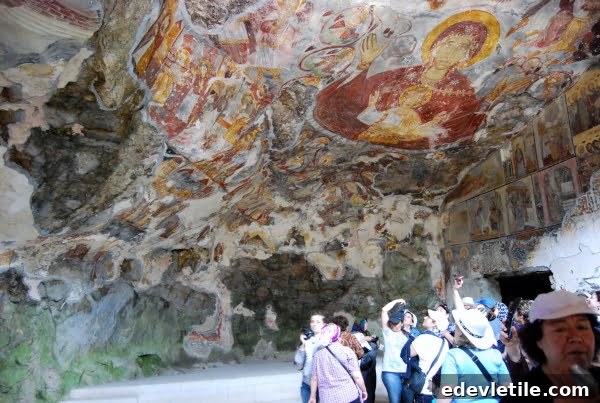
The most impressive paintings are found on the ceiling and walls inside the church, depicting biblical scenes and figures central to Christian tradition.
Photography is allowed if you do not use flash; guards are strict about this to help protect the artwork.
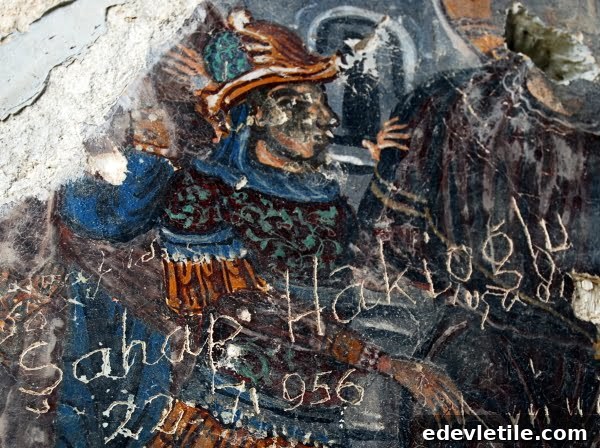
Although graffiti on ancient art is generally regrettable, some engraved names and dates inside the monastery are oddly compelling. For example, who was Şahap Hakioglu, who left his name and the year 1956—when the site was not formally open to tourists?
Three Drops of Magical Water
Beside the church, one spot on the rock face is perpetually damp from constant dripping. When the monastery first gained renown, people believed that receiving three drops of that water on the head granted health and good fortune.
Pilgrims with illnesses once queued here hoping for healing, though that custom has faded over time.
Handy tips to know about Sumela Monastery
Sumela is unlike any other historic site I have encountered in Turkey. Ongoing restoration makes it hard to imagine the site exactly as it stood in the fourth century, but with a guide, background reading and a little imagination you can appreciate its history and setting.
Many tour agencies in Trabzon run affordable daily trips to Sumela. A single morning is typically enough to explore the monastery. Bring water for the walk up as there are no cafeterias at the top.
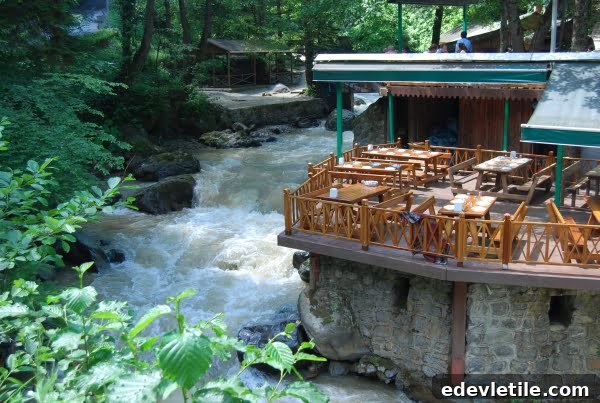
There is a restaurant at the base of the hill that serves food and drinks, which is convenient if you want to spend more time in the area.
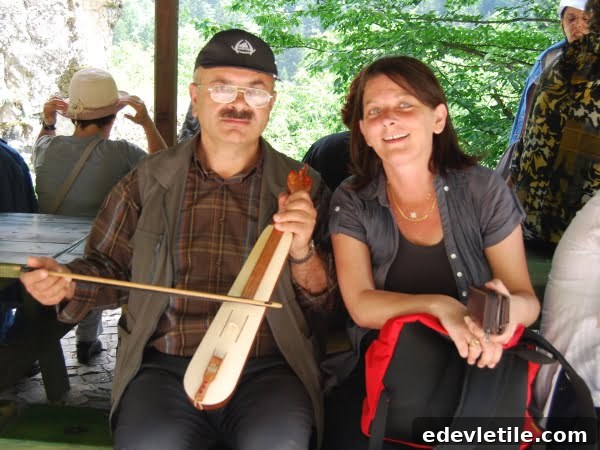
On the descent you may encounter a taciturn older musician who plays traditional Black Sea music in exchange for a few coins.
Each year on August 15 the monastery closes to general tourism and only a limited number of people attend a special religious service.
Readers Question : Have you been to Sumela? If not, would you put it on your list of places to visit?