Paragliding in Turkey: Safety Tips, Risks, and Top Spots
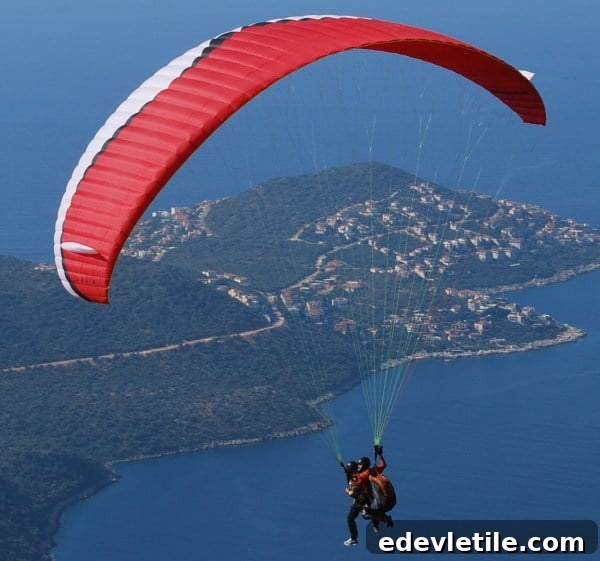
Veske is a confident and experienced paragliding pilot based in Turkey. Paragliding isn’t a weekend hobby for him; it is his profession. He launches from mountainsides throughout the working week and has built a long career around the sport.
Veske first jumped from an airplane with a parachute at 16 and later served as a paragliding instructor for the Turkish military. Decades on, his enthusiasm and adventurous spirit remain unchanged.
You may assume that he is an adrenaline junkie with a death wish
In reality, Veske’s record underscores professionalism: he has completed more than 6,000 flights and 1,350 skydiving jumps. Those figures reflect discipline, training and a serious approach to safety.
So why introduce Veske at the start of this piece?
Every year newspapers report paragliding accidents in Turkey—some minor, some catastrophic—so I wanted to speak with a professional pilot who maintains a strong safety record. I hoped to learn whether holidaymakers can safely enjoy tandem paragliding and to see what life is like behind the scenes. The pilot I found was Veske, who agreed to explain his methods and show how his team operates.
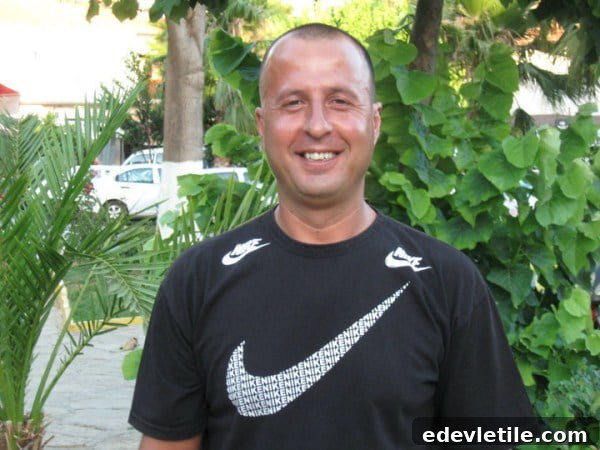
While many people associate paragliding in Turkey with Ölüdeniz, I traveled to the coastal town of Kas for this interview. Veske works there daily for Bougainville Travel, a company active in adventure sports and paragliding in the region.
Despite launching from mountain ridges every day, Veske was calm and level-headed when we met for coffee. His composure comes from experience and a strict safety mindset.
Paragliding in Turkey — Interview Highlights
Me: Hi Veske. Thanks for agreeing to the interview. Paragliding is often viewed as dangerous. How can first-time flyers protect themselves?
Veske: Paragliding is actually among the safer adventure sports when proper procedures are followed. The main risk is human error. Before any tandem flight, my team checks weather and wind forecasts, inspects equipment thoroughly and briefs customers on safety procedures. We also know the terrain intimately, which helps with decision-making in variable conditions.
Between the three professional pilots at Bougainville Travel we have more than 43 years of combined experience. That expertise reassures customers and allows us to stick to simple but vital rules: check gear, confirm conditions, brief passengers and proceed only when everything is correct.
Me: Given recent high-profile accidents in Turkey, are tour operators at fault?
Veske: I can’t comment on specific cases I haven’t investigated. Overall, the ratio of accidents to successful flights is very small. Inexperience, complacency or inadequate adherence to safety checks are common causes worldwide. Licensing alone isn’t enough—pilots must follow procedures strictly. Holidaymakers should ask a pilot how many flight hours they have and whether they know the local takeoff and landing areas well.
Me: Do you ever refuse passengers?
Veske: Absolutely. I assess a person’s state of mind before flying. Nervousness can often be managed and tends to settle once airborne, but if someone appears likely to panic midflight I will not take them up. We also refuse intoxicated passengers, people missing a limb when it would compromise safety, or those who show signs of serious mental health issues. The pilot bears responsibility for passengers’ safety, and that responsibility guides these decisions.
Me: Is there anything about the job you dislike?
Veske: One issue is visiting solo pilots who are unfamiliar with Kas. Our team knows the only reliable landing area—the harbor—and we train for it, but outsiders sometimes misjudge approaches and land in risky places. I believe a designated landing zone for visiting pilots would reduce accidents and make operations safer for everyone.
The interview with Veske taught me a lot about paragliding in Turkey; the best part, though, was watching him work.
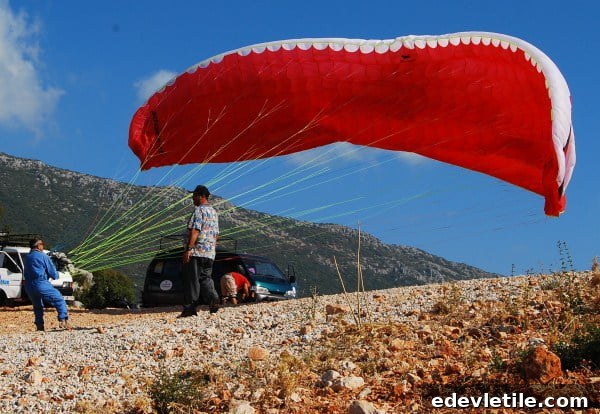
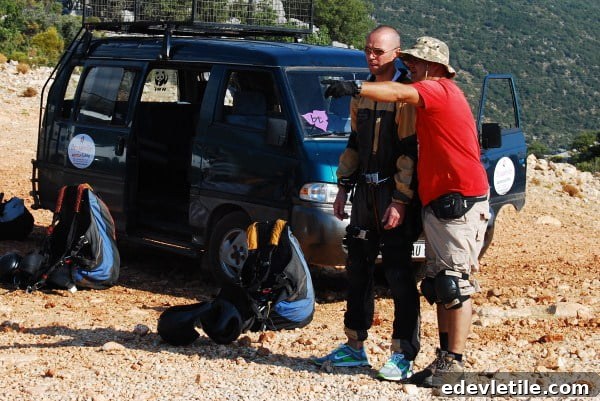
Veske offered a tandem flight, but I declined because of my fear of heights. Instead I rode with customers up winding mountain roads to the takeoff point. I filmed the preparations: harness fitting, safety briefings, and the calm confidence Veske displayed as he checked equipment and weather conditions.
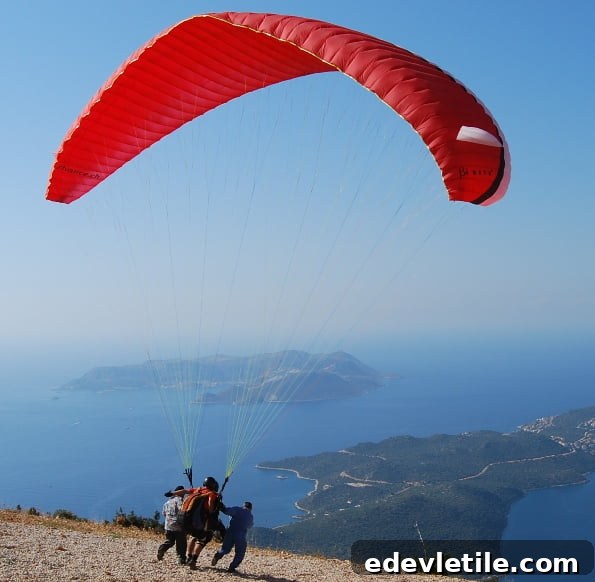
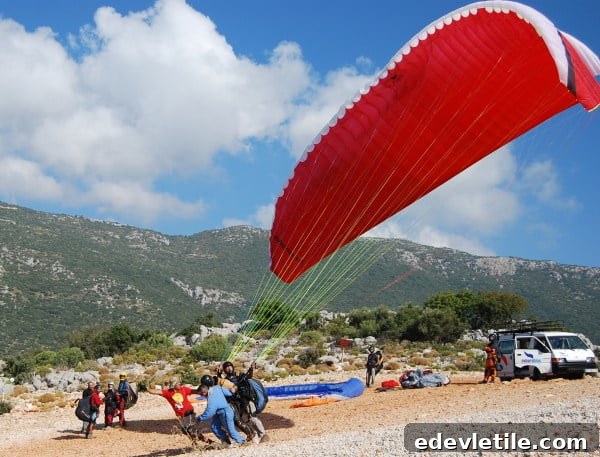
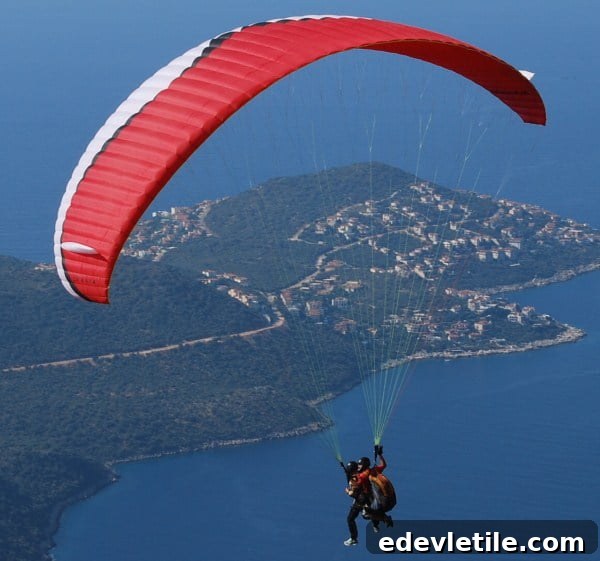
On cue, Veske waited for the right wind and gave the signal. The tandem pilots and customers ran toward the ridge while a helper assisted the wing to inflate. One by one they lifted off, soaring over the valley and out of sight behind the mountain.
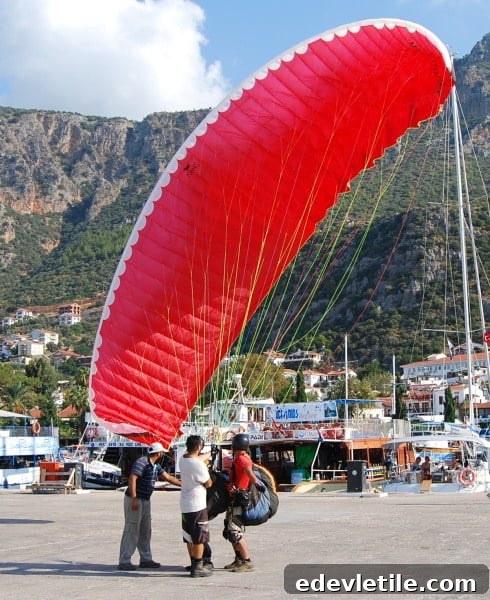
I rushed down to the harbor to watch the landings and speak with participants. The last person felt nauseous on landing, but the others were exhilarated and proud of what they had done. When I asked if they would do it again, their answer was an enthusiastic yes.
About this interview — Thanks to Bougainville Travel for the behind-the-scenes access. If you want to try paragliding in Turkey, speak to an experienced local pilot who knows the area and follows strict safety checks. As Veske says:
“If you do anything once in life, it should always be to fly.”
Have you been paragliding? If so, did you have any safety concerns?