Abraham’s Cave & Mevlid-i Halil Mosque in Şanlıurfa: Visitor Guide
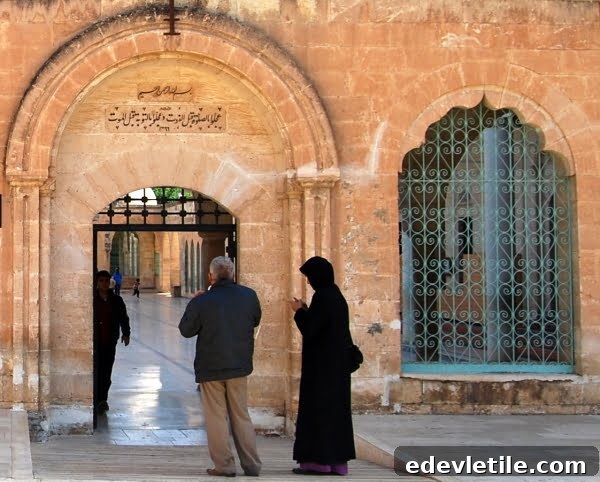
Growing up Christian but living in a predominantly Muslim country has given me a close view of the many shared figures and stories across both faiths. One striking example is the prophet Ibrahim, known in the Bible as Abraham. Tradition places his birth in the Mesopotamian region variously called Ur or Edessa, today known as Sanliurfa. Although Ibrahim is an important figure in Islamic scripture, relatively few travel guides highlight his reputed birthplace: the cave in Sanliurfa that is open to visitors. I discovered it by chance while walking away from Balıklıgöl.
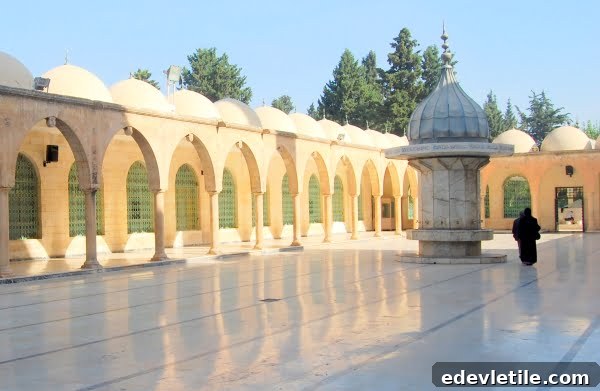
The site is known as Mevlid-i Halil Mağarası, and the entrance sits inside the courtyard of an impressive mosque that shares the same name. Aside from a few locals, the area was quiet and felt almost hushed.
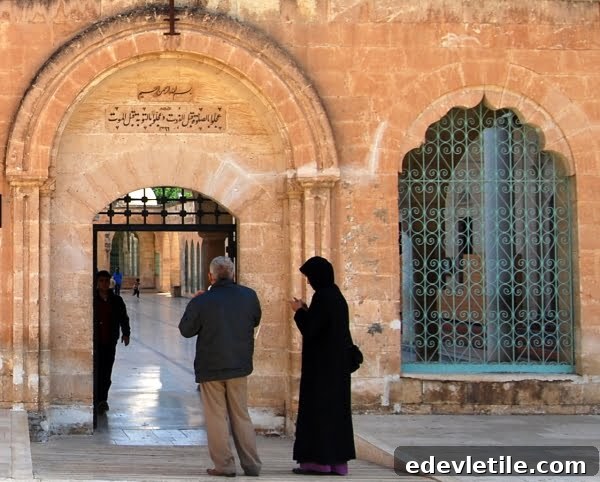
As I paused at the mosque’s doorway I could glimpse its high, ornate ceiling and the soft carpet that covered the floor. I wanted to go in, but I made an embarrassing mistake for someone familiar with religious customs: I had no headscarf with me. Even so, the mosque’s exterior architecture held my attention and I lingered a while before making my way toward the cave.
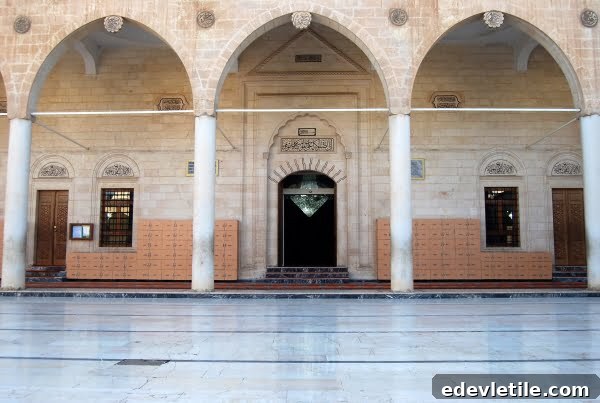
Abraham’s Cave in Sanliurfa
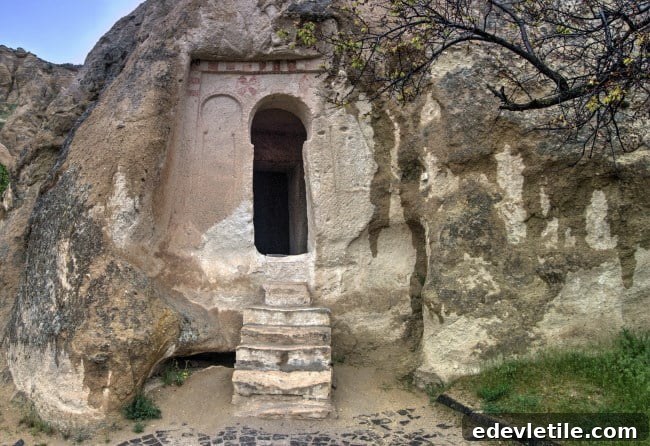
The cave’s modest entrance, tucked into the side of the courtyard, belies the significance of Ibrahim in Islamic tradition. Stories tell how his mother hid him in a cave for seven years to protect him from the tyrant Nimrod, and how Ibrahim later proved his faith by preparing to sacrifice his son. These narratives give the place deep spiritual resonance for many visitors.
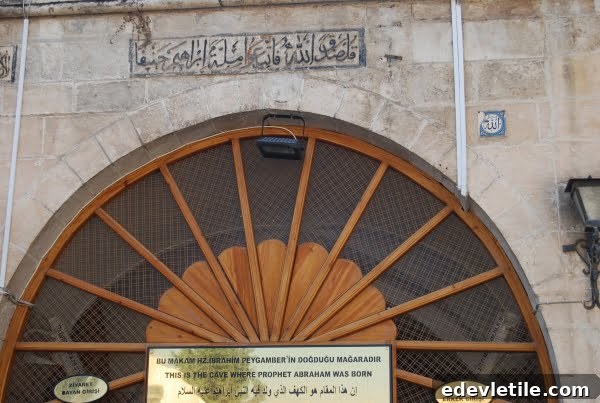
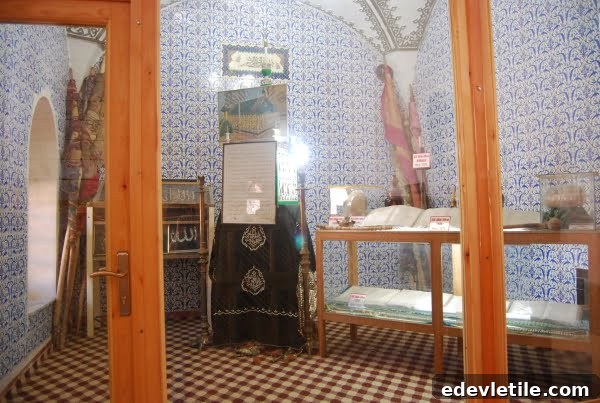
At the entrance, headscarves were available to borrow for a small donation. I accepted one and expected a more dramatic interior. I first passed a room divided by glass that displayed various objects and old books; whether they are authenticated relics was not clear to me, but they suggested the site’s long history.
The next opening was so low I had to stoop to enter, and beyond it lay the heart of the cave.
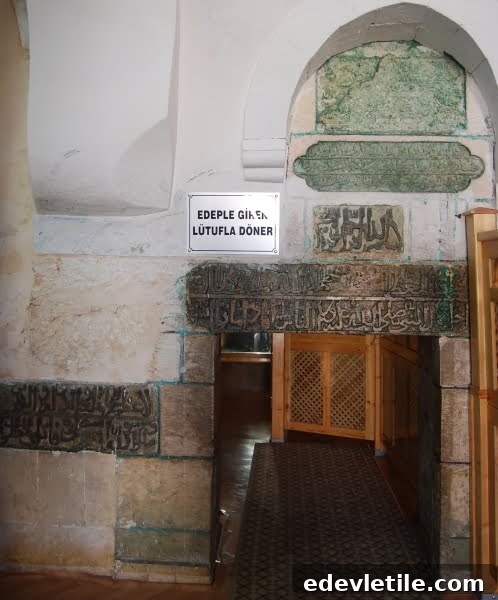
Inside, two women knelt in prayer near another glass partition. They glanced over at me, and one of them pulled a brief, disapproving expression before resuming prayer. The moment felt awkward, and I left soon after, puzzled about what had caused the reaction.
I considered whether my borrowed headscarf had slipped and revealed some hair, but I had tried to show respect: my clothing was conservative, I had removed my shoes, stowed my camera away to avoid causing offense, and I had used the entrance designated for women. Despite that, the mood felt cold.
I still do not know precisely what I did that day to upset the atmosphere. Some Muslims offer a quiet blessing or perform a small sign of respect upon entering a mosque; other visitors may not be accustomed to strangers in such a personal moment of devotion. It is possible the women felt interrupted, or simply were unaccustomed to tourists in that sacred space.
Whatever the reason, the visit was not the highlight I had hoped for. As someone who is not religious, I could not fully feel the spiritual weight that the cave holds for believers. Instead, it was one of those visits where timing and circumstance left me feeling out of place.
[wp_geo_map]
Save