Ani Cathedral (Fethiye Mosque): History, Photos & Visitor Guide
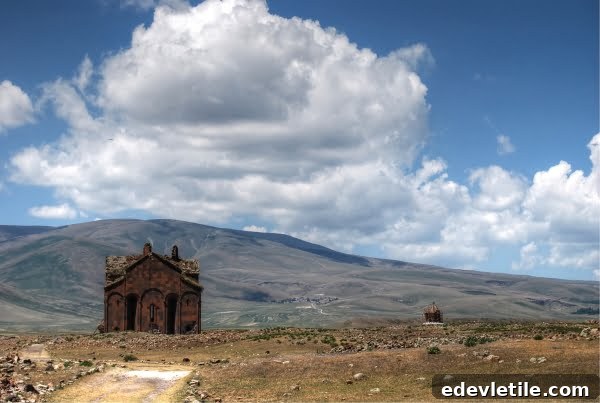
Many historians regard the Holy Virgin Cathedral of Ani as the largest and most striking historic building in the region. Constructed in 1001 AD and converted into a mosque in 1071, the structure has been at the center of debate in recent years, even as it remains largely inactive.
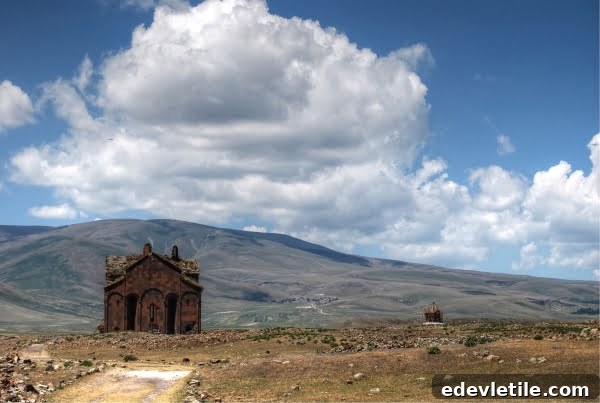 One controversy began when the fashion magazine Elle chose the cathedral as the location for a photoshoot. Reactions were mixed: some readers praised the artistic choice, while others viewed it as insensitive to Armenian heritage.
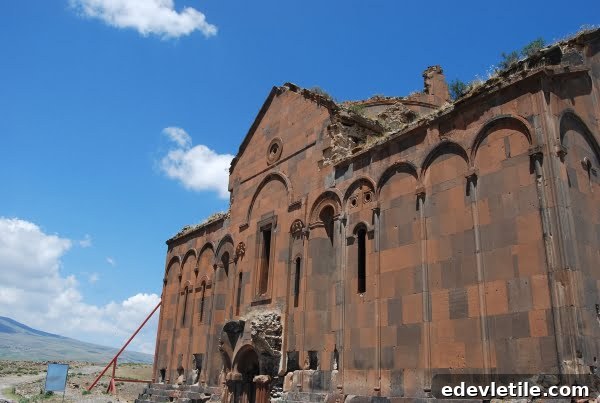
Another episode drew attention when a Turkish political party organized Friday prayers at the site. Religious and community leaders in Armenia criticized the event as a political gesture, noting the building’s origins as a church despite its later conversion to a mosque. Whatever the debates, the cathedral’s scale and presence are impossible to ignore.
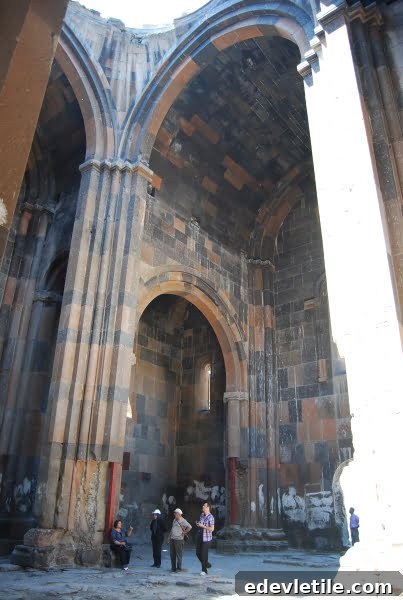
From the outside the building appears restrained, but the interior reveals a powerful Gothic influence that commands attention.
 Inside the Cathedral of Ani, also known as the Fethiye Mosque
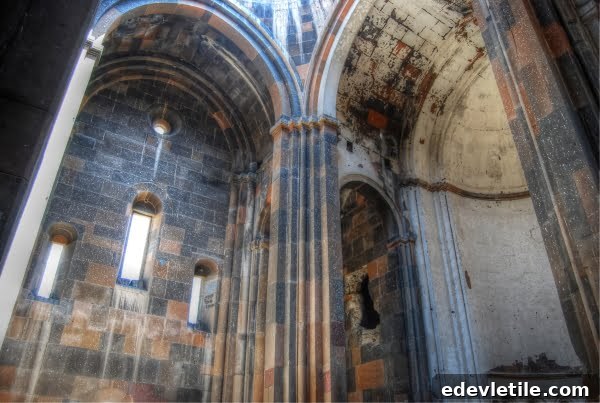 Inside the Cathedral of Ani, also known as the Fethiye Mosque
The interior decoration is often credited to the architect Trdat, who is also known for remodeling the Hagia Sophia in 1064. Massive columns once supported a dome, which collapsed after an earthquake in 1319. The remaining vaulting and structural elements still convey the original monumentality.
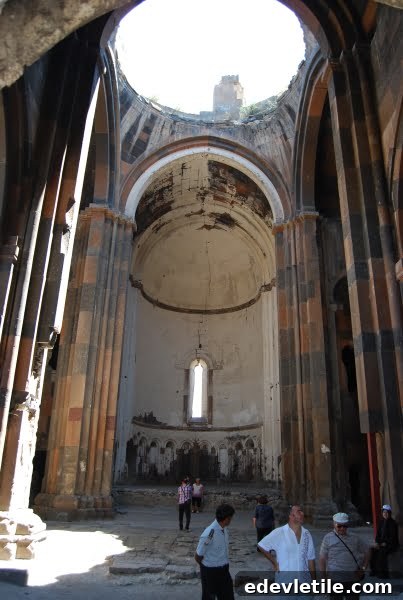 The building was constructed from a variety of stones, and scholars continue to debate whether certain decorative interventions took place during the late 13th or 14th century.
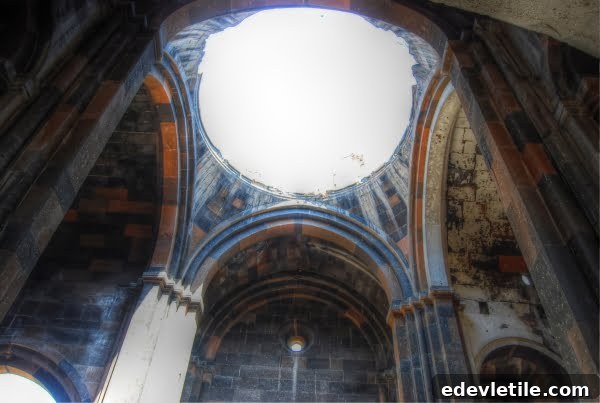
While experts differ on the specifics of later renovations, they agree that the Cathedral of Ani—known in Turkish as Fethiye Cami—remains one of the masterpieces of medieval Armenian architecture. Its scale, refined stonework, and surviving ornamental details highlight the skill of artisans who worked on the site over centuries.
For those interested in visualizing the building in three dimensions, a 3D model of the cathedral is available for further study.
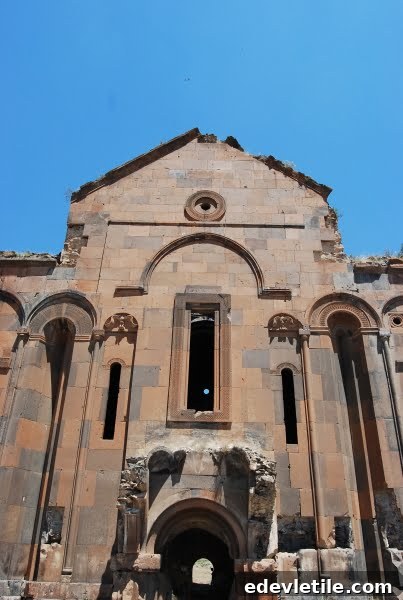
This article is part of a series on the ruins of Ani. It is the third installment in the series; other pieces examine the wider site and specific churches within the ancient city.
Other articles in this series include an overall look at Ani, a study of the Tigran Honents Church, and an account of the Church of the Redeemer.