Aphrodisias Turkey: Explore the Ancient City of Sculptures and Ruins
Along with my guide, I arrived at Aphrodisias in Turkey — a city of sculpture, creativity and ancient ruins, with a story about how those ruins captured one man’s life nearly 500 years after the city faded into obscurity. Located near present-day Aydın in the Aegean region, Aphrodisias was centered on the worship of Aphrodite, the goddess of love. Excavations, however, uncovered small statues suggesting the site’s original veneration went back to a mother fertility goddess from the Neolithic period, likely Cybele.
About Aphrodisias in Turkey
1: When was Aphrodisias City Built?
Aphrodisias was established in the 2nd century BC within the Roman province of Caria. For roughly five centuries its sculpture school was famed across the Roman world. Aspiring artists travelled long distances to train there. The school flourished from the 1st century BC until about the 6th century AD, declining as Christianity spread through the region. Some sculptors from Aphrodisias also worked in Rome, and the site produced notable artists whose styles could be recognised across the empire.
2: Museum and Sculpture School
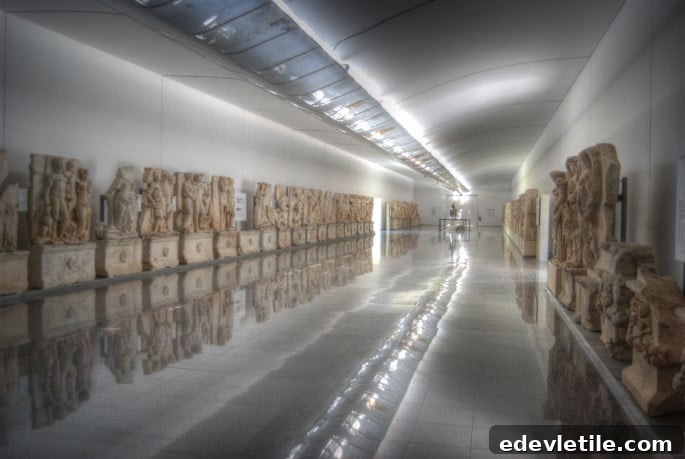
Entering the museum’s long, windowless hall was a striking experience. Four white walls, a single door and a highly reflective tiled floor set the stage for the Sebasteion Hall, where lifelike sculptures stand in remarkable detail. Walking through this UNESCO World Heritage site’s collection makes it clear the reputation of Aphrodisias’ artists is well deserved.
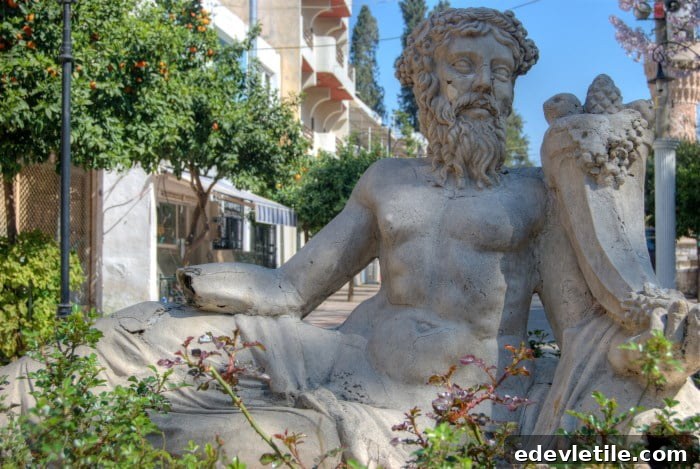
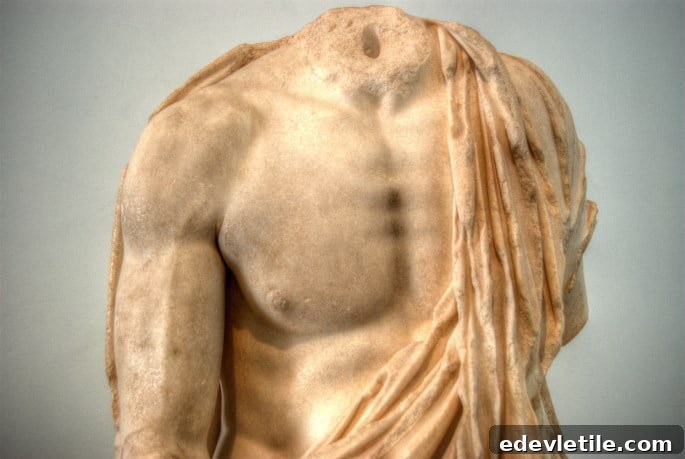
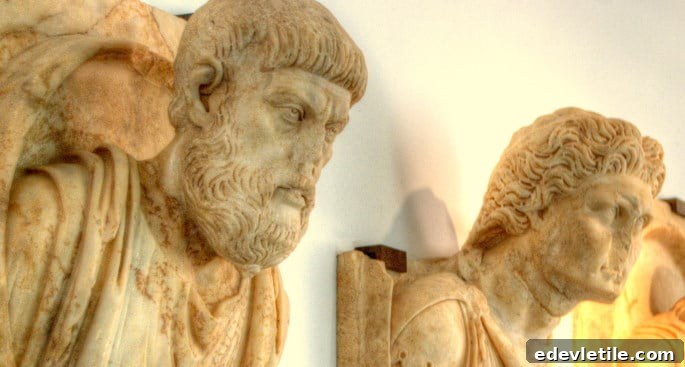
The museum’s marble statues show an extraordinary level of craftsmanship. Men, women, children, animals and gods are carved with intricate attention to eyes, facial expression and muscle definition. Portraits of prominent citizens—politicians and elite women—capture even the fall of draped cloth with precise realism.
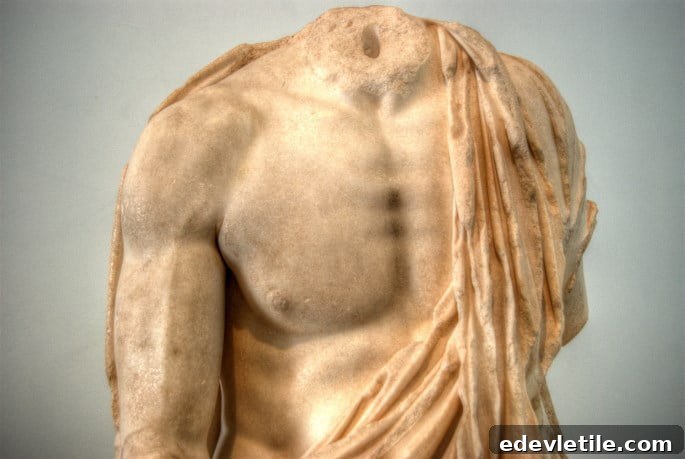
3: Excavation of the Aphrodisias UNESCO World Heritage Site
Like many ancient cities, Aphrodisias passed through cycles of prosperity and decline under different rulers. Earthquakes, invasions and changing fortunes left much of it in ruin. Over time, nature reclaimed buildings, temples, homes and public spaces until the site was largely forgotten.
The modern rediscovery began in the 1950s when a photographer, en route to Aydın, lost his way and reached the village of Geyre. He noticed houses built from oddly cut stones and began photographing the area. Locals were unaware of the significance, but the photographer sent images to colleagues and, eventually, they reached Professor Kenan T. Erim. Recognising the remains as the lost city of Aphrodisias, Professor Erim devoted his career to excavating the site.
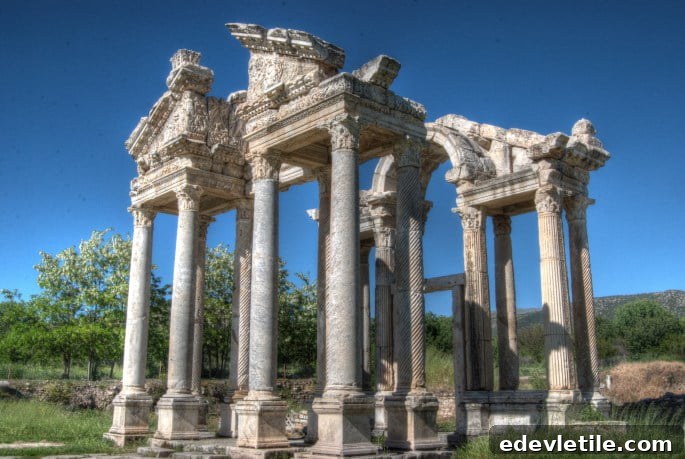
Professor Erim continued excavations until his death in 1990; in recognition of his work, he was buried at the site near the Tetrastoon, the monumental gateway used by pilgrims. The discovery prompted the relocation of the village: 55 houses and one mosque were moved two kilometres east so archaeologists could uncover theatres, marketplaces and other public structures.
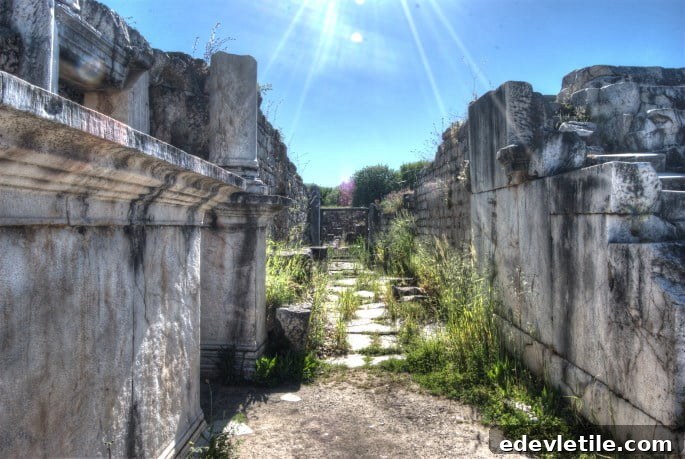
4: Visiting Aphrodisias Ancient City in Turkey
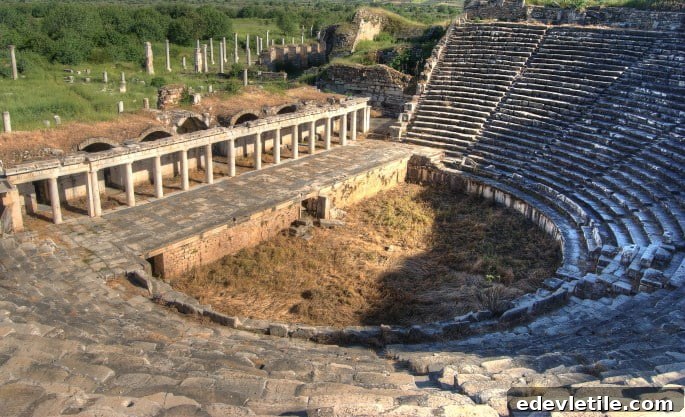
While the museum impressed me most, the open-air ruins also reveal the city’s former civic life. My guide’s vivid storytelling brought sites such as the Bouleuterion to life — the council building where magistrates and governors discussed civic affairs.
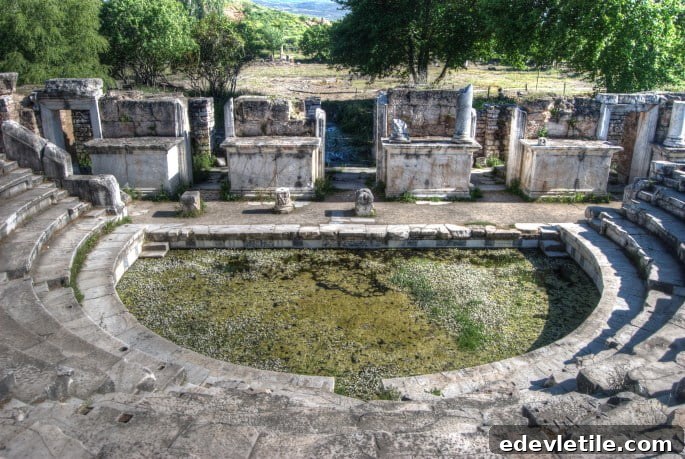
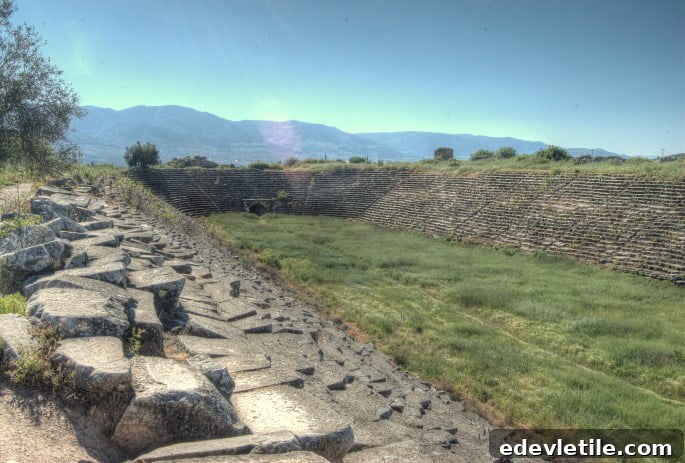
We walked past Hadrian’s baths to a 270-metre stadium, once the focus of social gatherings and athletic contests. Seating reflected social hierarchy: women often sat toward the back while the wealthy and powerful occupied the front rows. The stadium hosted events ranging from athletic competitions to animal sacrifices and public spectacles.
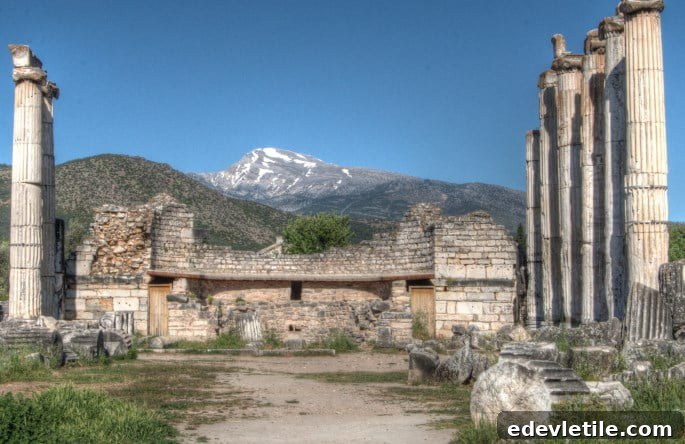
We then reached the temple of Aphrodite, with views toward the towering Baba Dağ. Later converted into a church, the structure displays layers of architectural styles and shifting religious practices. The blend of ruins along the final walk toward the exit leaves a powerful impression of the city’s long and layered history.
4: Ruins of the Sebasteion of Aphrodisias
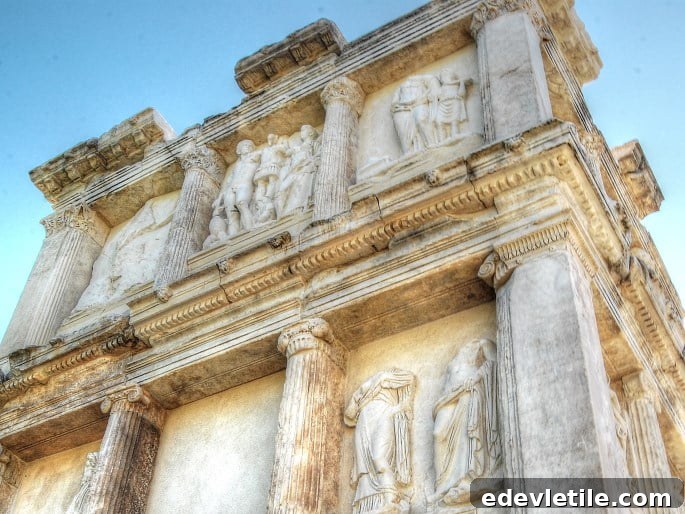
Many sculptures in the museum originated from the Sebasteion excavations completed in 1983. The Sebasteion was a temple complex set within a courtyard and constructed on three levels. Traditionally, imperial figures were depicted lower than gods, but at Aphrodisias emperors and deities were often shown on the same level, a bold artistic choice that reflects the city’s unique cultural voice.
5: So, is Aphrodisias Worth Visiting?
Absolutely. Aphrodisias is a must-see for anyone interested in ancient art, archaeology and the Roman world. Its museum and archaeological park complement each other, offering both finely preserved sculptures and the architectural context where they once stood. If you have time, combine a visit with nearby Laodicea — one of the Seven Churches mentioned in the New Testament — to broaden your exploration of the region’s ancient heritage.