Church of the Redeemer, Ani: Guide to the Historic Armenian Ruins
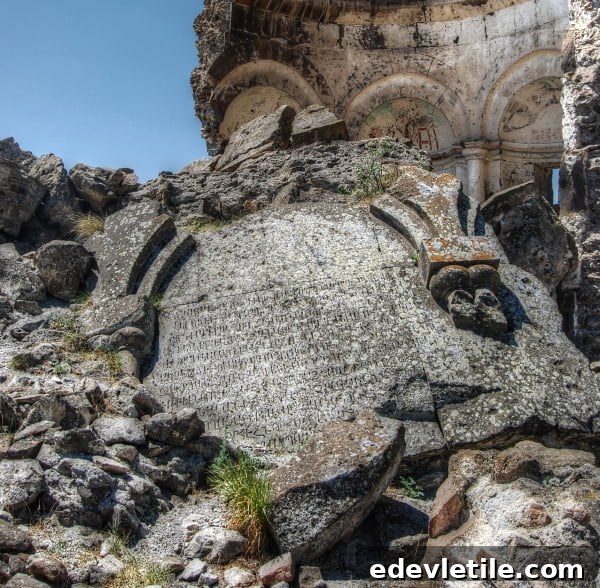
The Church of the Redeemer (Kurtarıcı Kilisesi) is one of the first churches I noticed while walking through Ani, the once-great Armenian city now listed as a UNESCO World Heritage site. The church stands in a fragile state beside the foundations of an old house. Its most striking feature is the damage: a storm in 1957 and an earthquake in 1988 severely damaged the structure, and today it risks collapsing entirely.
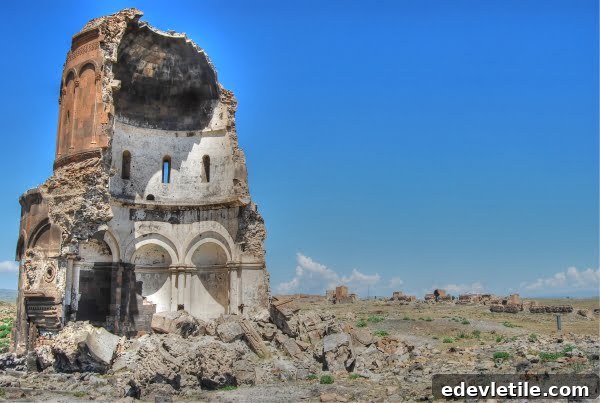
The future of the Church of the Redeemer
Architects and historians have warned about the church’s vulnerability since the late 19th century. Small restoration efforts took place in 1912 and again in 1999, but those interventions were insufficient. If the remaining fabric is not stabilized and conserved, the church may well be reduced to a pile of rubble within a few decades. Sadly, this prognosis applies to many of the ruined churches across Ani.
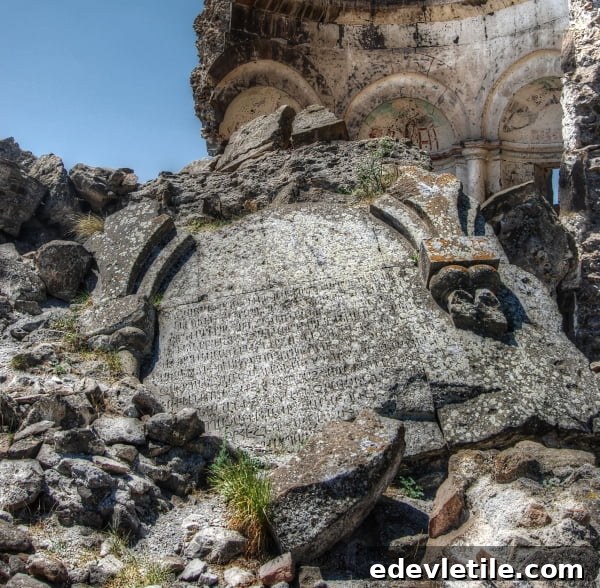
Why should this matter? The Church of the Redeemer dates to 1035, making it nearly a thousand years old. Its loss would be more than the disappearance of stone; it would be the loss of a rare example of medieval architecture and craftsmanship. The building’s distinctive 19-sided dome was once a striking feature that reflected the creativity of its builders. If the structure vanishes, future generations will only be able to see photographs instead of experiencing the space and details in person.
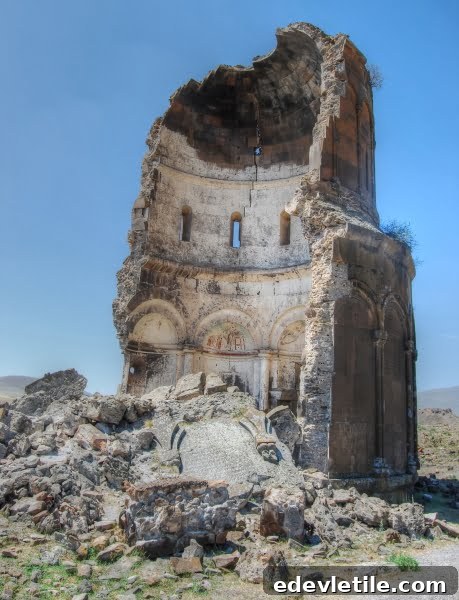
The True Cross
Historical accounts say the church was commissioned by a prince to house fragments of the True Cross, the relic believed by some to be from the cross on which Jesus Christ was crucified. Over the centuries, relics moved, were redistributed, or were lost, and modern scholars often treat such claims with skepticism. Whatever the fate of the relic that may once have rested here, for me the pressing issue is the building’s survival.
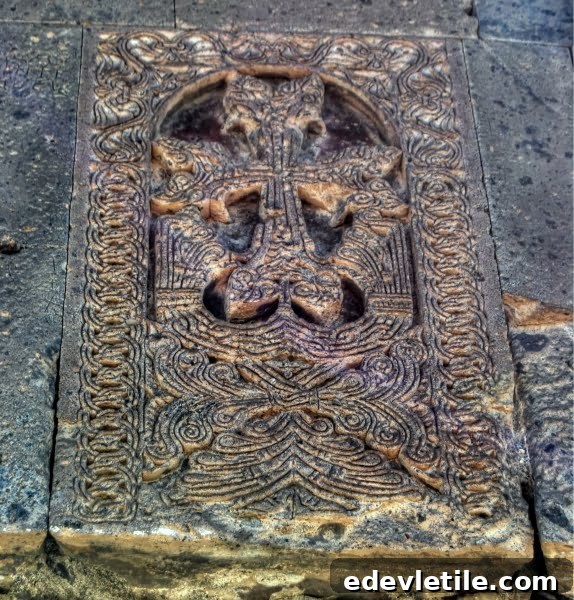
Debates over relics aside, my concern is that without meaningful conservation the Church of the Redeemer may not have a future. The ruins at Ani tell a complex story of cultural exchange, architectural innovation, and historical upheaval. Preserving these places preserves that story for visitors, scholars, and local communities.
That is, if it has one.
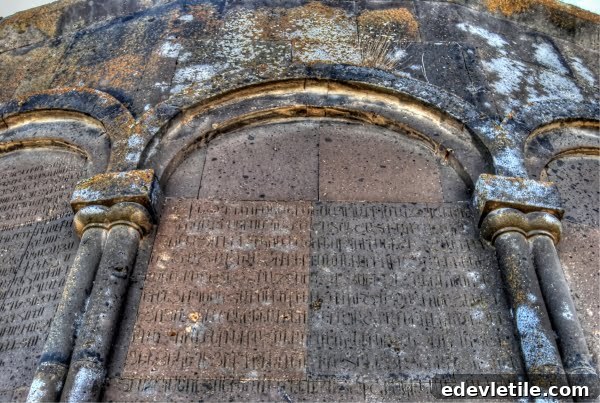
This article concludes a short series on the churches and ruins of Ani. Each site in the city contributes to an important cultural landscape, and the future of many monuments depends on continued attention, research, and conservation effort.
Related articles in this series:
The Ruins of Ani
The Tigran Honents Church
The Cathedral (aka the Fethiye Mosque)