Dilek National Park Adventure: Two Wild Boars and a Mysterious Cave
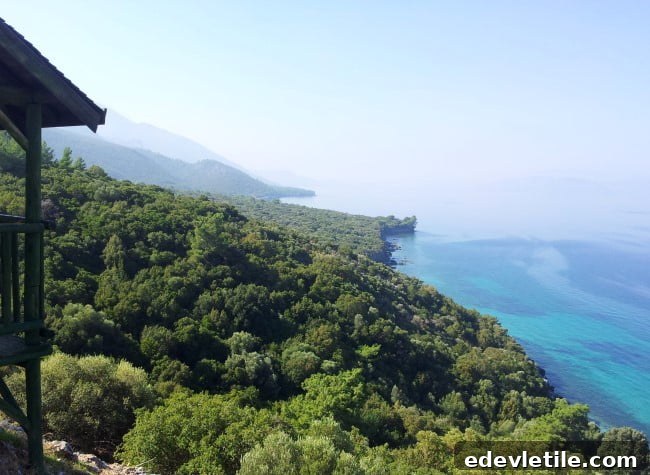
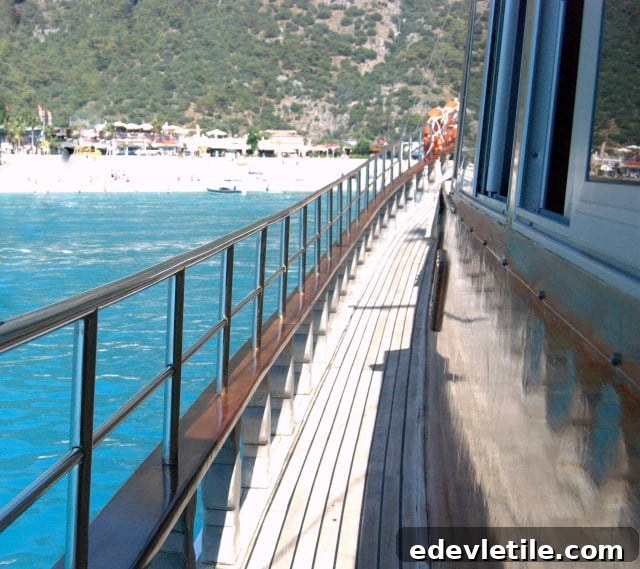
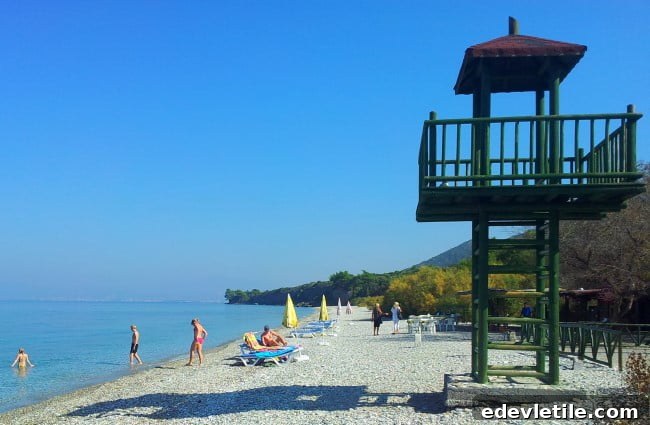
Sitting on Turkey’s Aegean coast, Dilek National Park is a protected green refuge that offers something for every kind of visitor. Turquoise beaches draw swimmers and sunbathers, dramatic vistas appeal to landscape photographers, and a network of hiking trails brings nature lovers close to diverse wildlife. I keep returning to this stretch of forested peninsula because there is always a new trail to explore, a quiet cove to discover, or wildlife to observe.
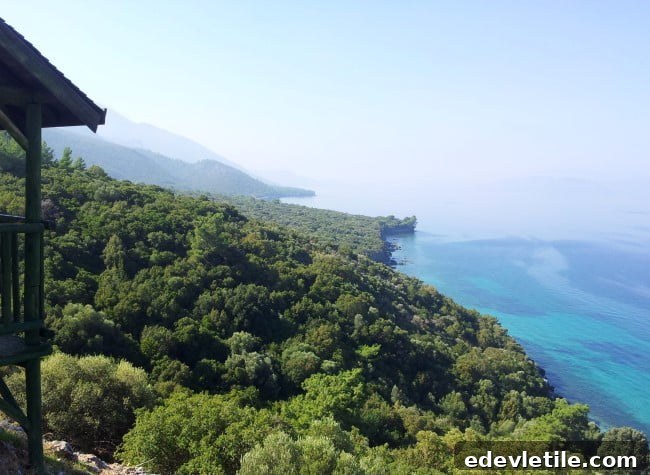
Also known as Büyük Menderes Delta National Park, the park covers roughly 68,000 acres and sits close to the resort town of Kuşadası and, to a lesser extent, Didim. Many hotels in the region work with tour operators and provide convenient day-trip transport, making the park an easy outing for holidaymakers looking for nature and relaxation.
On-site information is often available through hotel representatives, and the small coastal village of Güzelçamlı lies right on the park’s edge. Many Turks own holiday homes there, which gives the area a lively, local feel in summer and helps the park attract both Turkish and international visitors.
Spot the Boars at Dilek National Park
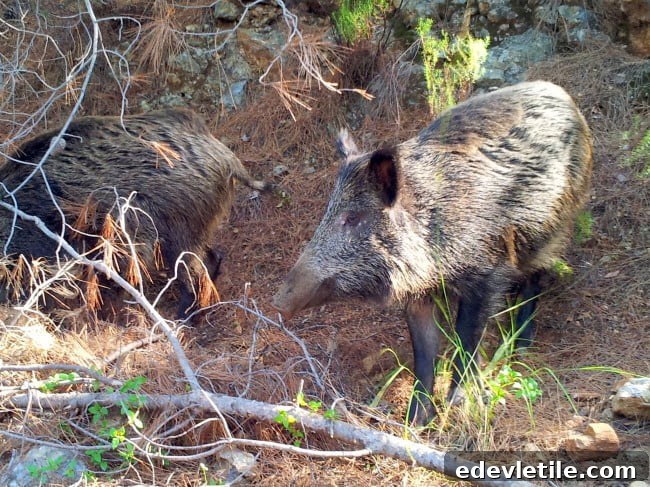
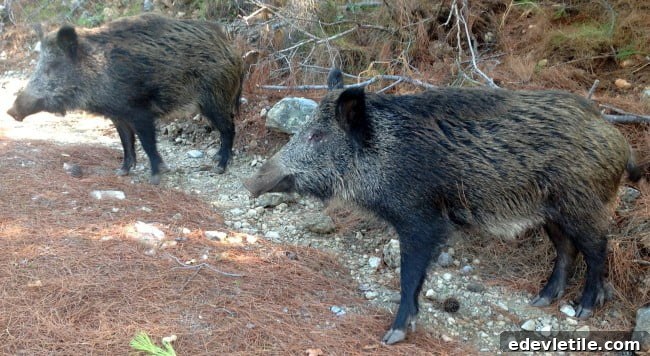
One of my goals on a previous visit was to spot wild boar. Wild boar are a curious topic in Turkey: attitudes vary by region, and conversations about hunting and consumption can spark lively debate. Regardless of those differing views, seeing these animals in the wild is memorable.
When I finally encountered two boars, they were clearly uncomfortable with human presence. Rather than posing for photos, they backed into the brush and made agitated noises, prompting me to retreat to the safety of the car. That moment was a useful reminder that the park is their home first and ours second. Conservation of habitats matters: when wild spaces shrink, animals sometimes wander into urban areas. Areas like Dilek National Park, which receive legal protection, help reduce that pressure on wildlife.
Swimming in the Cave of Zeus
Another reason to visit is the Cave of Zeus. The cave’s name evokes myth and grandeur, and while the site is atmospheric, it is more modest than the legends suggest. According to local tales, Zeus once hid there during a quarrel with his brother Poseidon. Whether true or a later embellishment, the cave’s sheltered waters and rocky approach make it a pleasant stop on a longer outing.
The cave is set below the main road and reached by a winding path and a slippery slope. The entrance opens onto clear blue water that fades into a darker recess further inside. It is compact rather than cavernous, so while it is worth seeing, it is not necessarily a destination to visit by itself. Many jeep safaris include a stop here for a swim; if you’re not prepared for a dip or expect warm water, bear in mind the shaded location keeps temperatures cool.
Other Things to Do near Dilek National Park
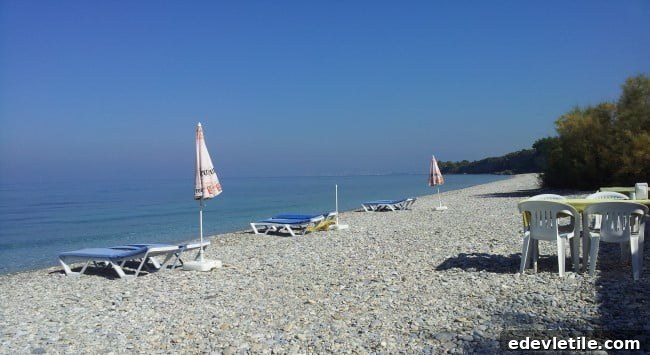
In summer, Sevgi Plajı (Love Beach) becomes a popular spot for city dwellers and weekend visitors from nearby towns. Families and groups gather on the grassy slopes behind the beach for picnics and barbecues. The area is lush and relatively damp, which locals say reduces the risk of accidental fires, and it provides a pleasant place to relax after a walk or swim.
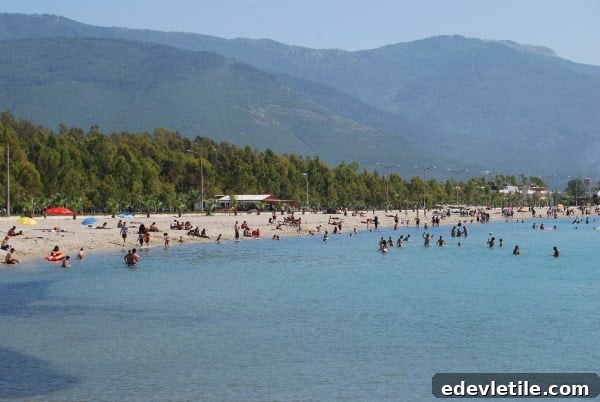
A short drive away, the hillside village of Doğanbey is known for its traditional houses and small local museum, which displays animals native to the national park. The nearby seafood restaurants are famous for fresh calamari and other local dishes, making Doğanbey a popular stop for visitors combining nature and gastronomy.
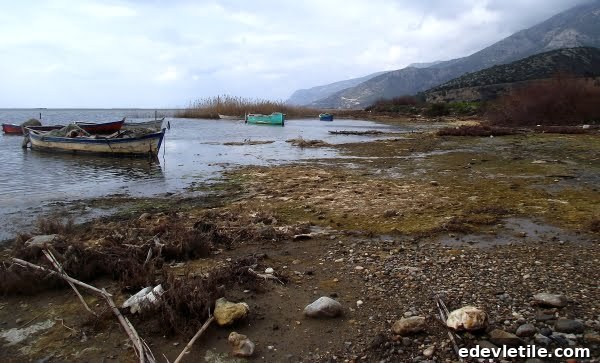
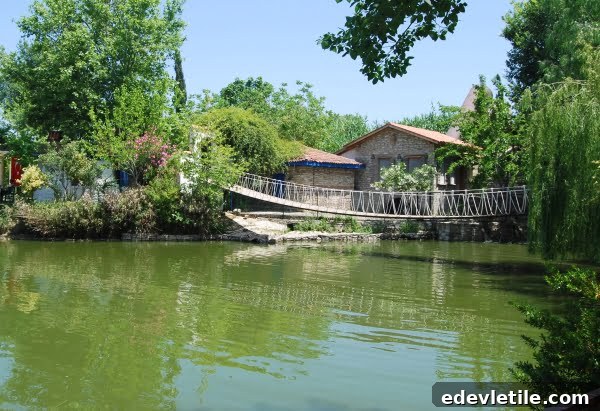
In the opposite direction, Değirmen Restaurant is a family favorite thanks to its small farm, lakeside setting, and horse-riding facilities. An Olive Oil Museum at the entrance highlights another signature of the Aegean coast: extensive olive groves that stretch across the landscape and contribute to the region’s culinary and agricultural identity.