Discover Hattusa and Yazılıkaya: Ancient Hittite Ruins Guide
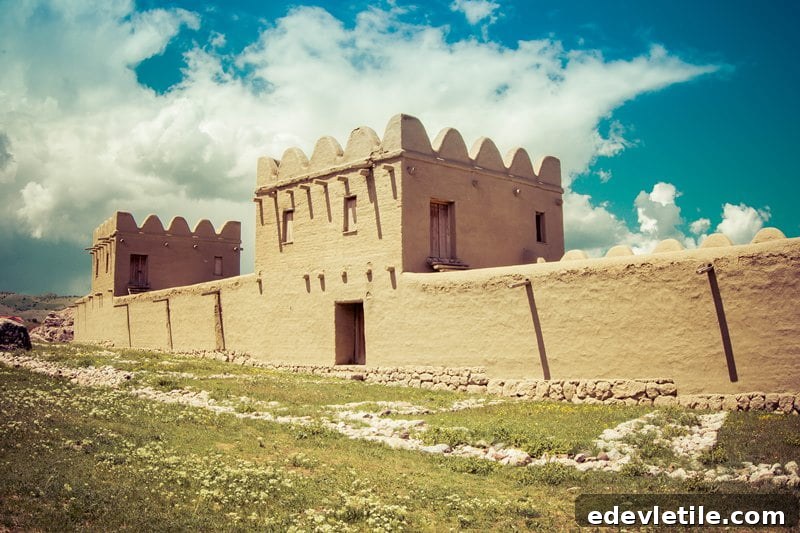
Hattusa, located near the boundary of central Anatolia and the Black Sea region in Turkey, is one of the country’s lesser-known archaeological treasures. Added to the UNESCO World Heritage list in 1986, Hattusa played a central role in ancient Anatolian history as the capital of the Hittite Kingdom. While many travelers focus on Istanbul, Ephesus, or Cappadocia, Hattusa offers an equally important window into the region’s past and deserves more attention.
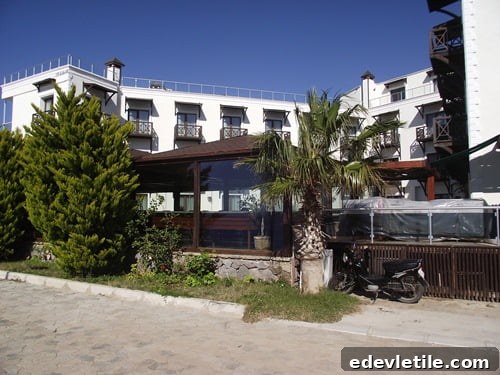
During a trip to Cappadocia, only about a three-hour drive away, I extended my itinerary with a stay in Boğazkale, the modern village closest to the ruins. With tourism down that year, accommodations were affordable; I stayed two nights at a local bed and breakfast and arranged a guide with a driver for the site tour. Before visiting, I reviewed the basics of Hittite history to make the most of the experience.
Who were the Hittites?
The origins and final fate of the Hittites remain partly mysterious. Their presence in Anatolia is documented from around the 18th century BC until about 1190 BC, after which they disappear from the historical record. Scholars continue to study their language, inscriptions and material culture; the prevailing view is that Hittite communities gradually integrated with neighboring peoples. The Hittites practiced polytheism and notable for their society was the prominent role of women, who could hold power and rule alongside kings.
European interest in the site began in the 19th century. In 1834 explorer Charles Texier reported ruins in the region; early investigators misidentified the ruins as another ancient city. It was only in the early 20th century, after the discovery of clay tablets with inscriptions, that the site was correctly identified as Hattusa, the capital of the Hittite state.
Visiting Hattusa and the Main Sites
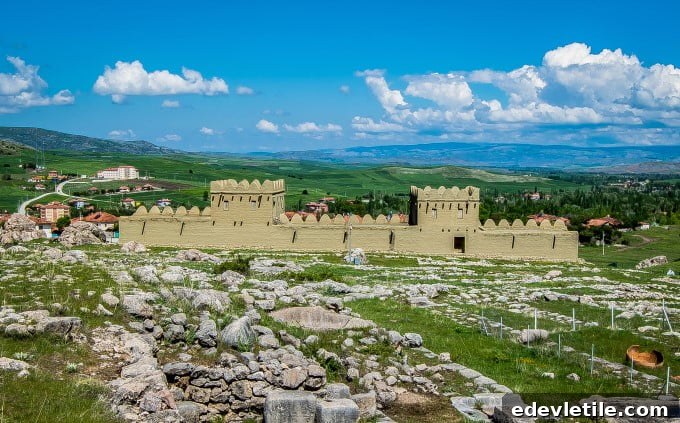
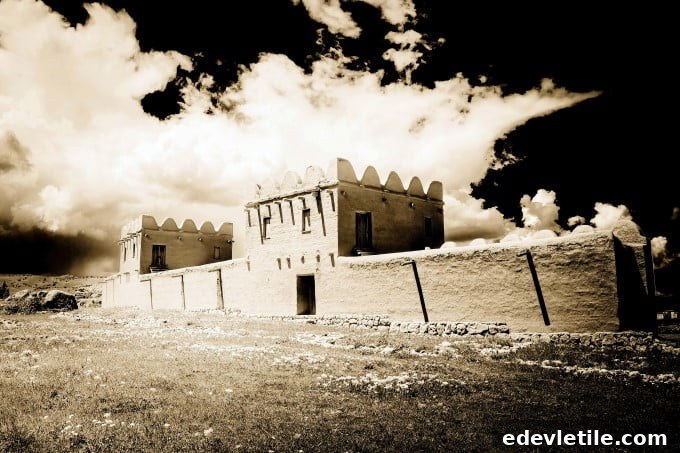
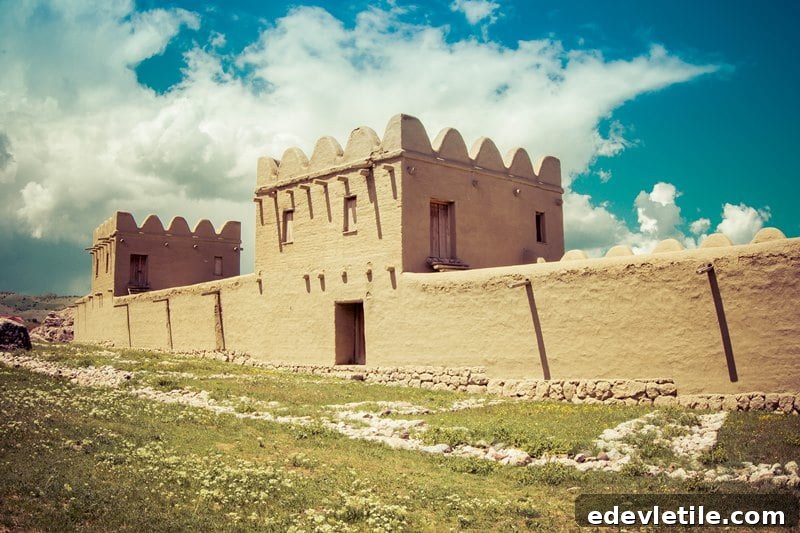
Hattusa’s ruins are spread across a wide area, so hiring a guide and driver is highly recommended. The reconstructed section of the city walls near the main entrance offers the first impression: massive fortifications built for defense against frequent attacks. These walls once reached heights of about 15 meters and encircled the city for roughly six kilometers, making Hattusa an imposing sight in its time.
From the restored walls the tour continues into the lower city. Excavations are still ongoing, and only parts of many structures have been uncovered. With the help of a guide it is easier to identify foundations, temples, and residential areas. The principal temple complex, one of the largest structures on the site, also served for sacrificial rituals, reflecting the Hittites’ strong religious traditions. Nearby remains show original stone doorways and storeroom entrances, while the gateway into the compound is still evident.
Green Stone of Hattusa
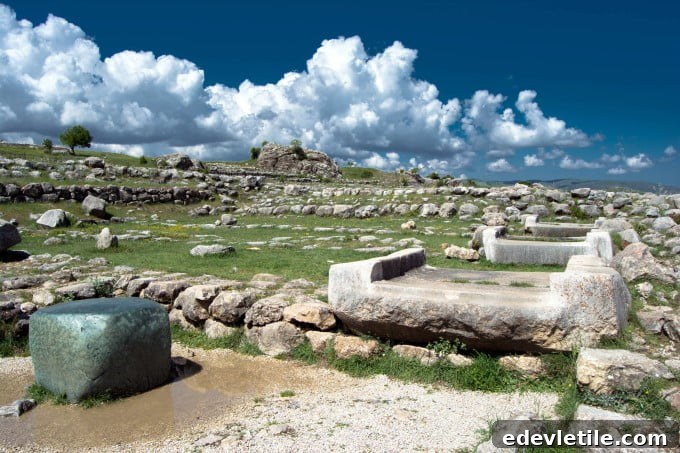
One curious find is the so-called green stone: a nearly cubical block of green rock, smoothly worked and clearly shaped by human hands. Standing about at mid-calf height, its colour and finish stand out among the surrounding ruins. Its exact significance is unknown; it does not appear to be a talisman with mystical properties, but it remains an intriguing artifact and a popular feature for visitors.
The Lion’s Gate
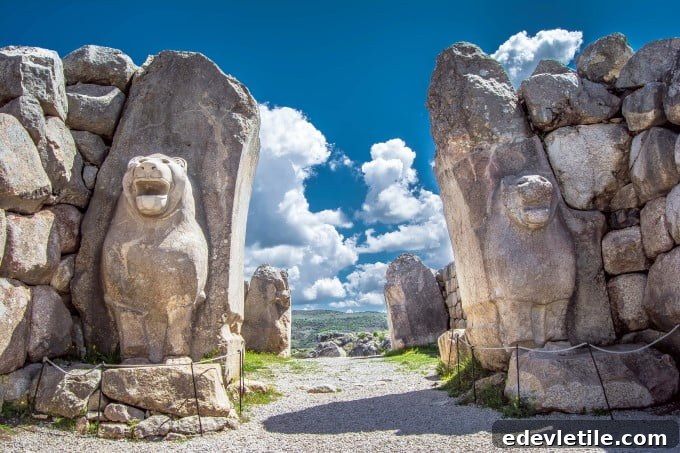
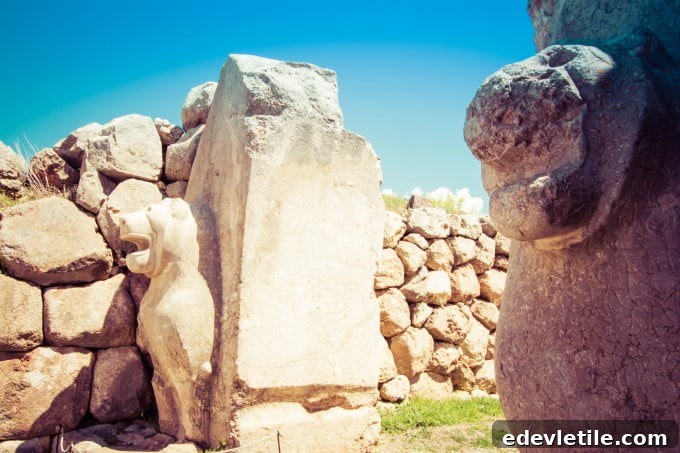
The Lion’s Gate marks the entrance to the upper city and dates to the early 14th century BC. It served as a public entrance and would be sealed at night. The gate’s stonework demonstrates advanced Hittite masonry: tightly fitted stones often joined by metal clamps and finished so precisely that virtually no gap remains between blocks. Some restoration efforts elsewhere in Turkey have been controversial, and visitors should judge reconstructions critically, but the gate still offers a strong impression of Hittite architectural skill.
The Sphinx Gate of Hattusa
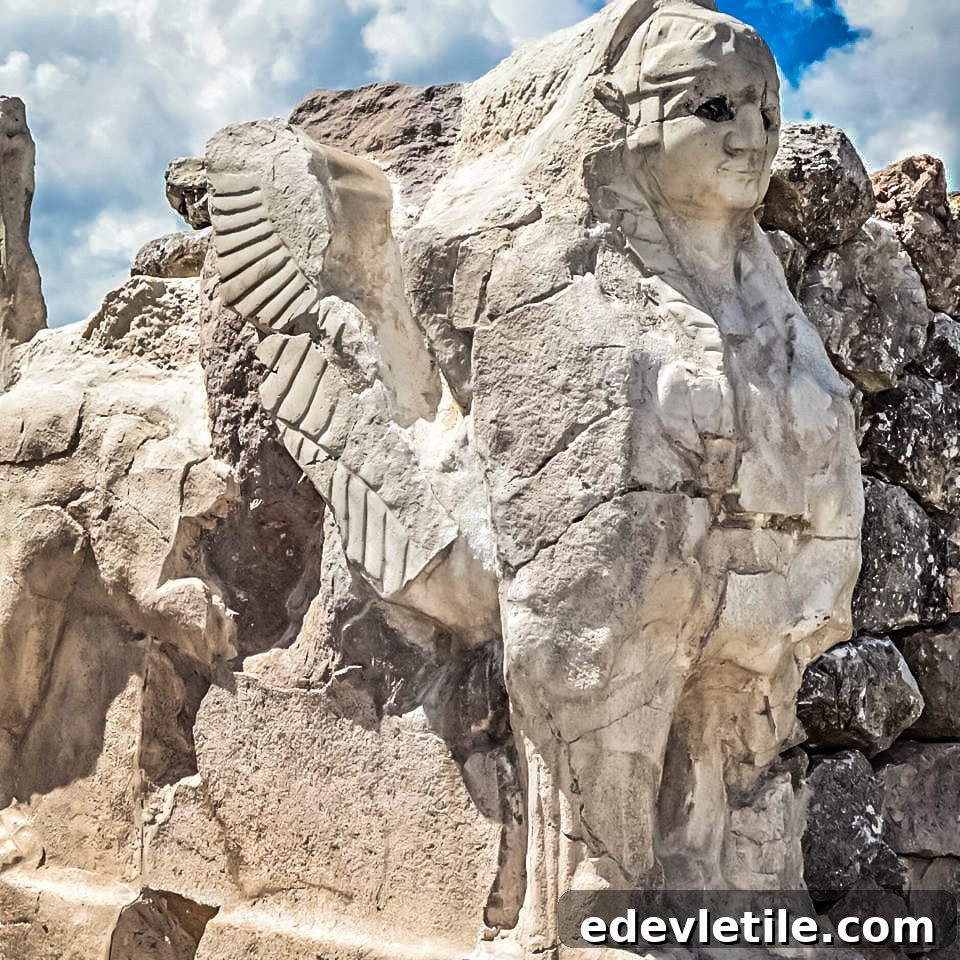
The Sphinx Gate led to the royal or priestly quarters and originally displayed sculpted sphinxes. The originals were removed during early excavations and kept abroad for many years; later diplomatic pressure and negotiations resulted in their return. Copies now stand at the gate while the originals are preserved in the local museum. The episode highlights ongoing debates about artifact ownership and cultural heritage.
The Rampart of Yerkapi
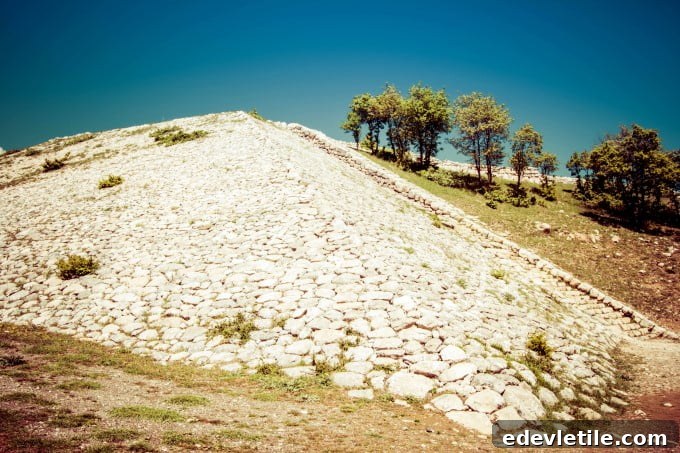
From the upper city you can access the rampart of Yerkapi. The rampart leans into the hillside and contains a narrow stone passage roughly a metre square. Walking through the passage leads to a panoramic view of the surrounding countryside, illustrating the strategic siting of Hattusa and the impressive scale of its defensive works.
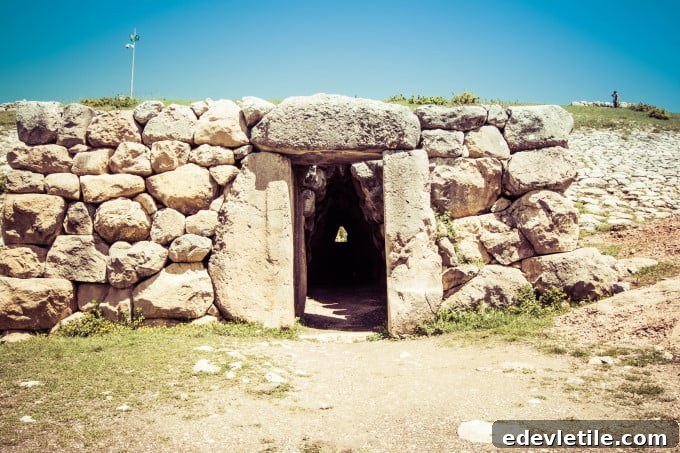
The Unknown Warrior and the King’s Gate
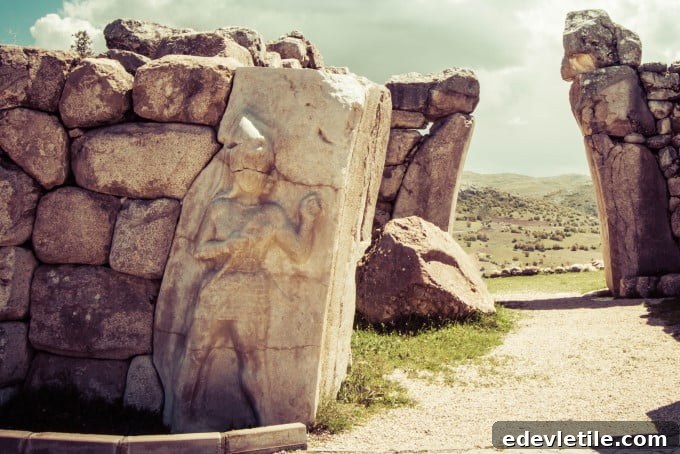
At the King’s Gate (so named by early archaeologists) an enigmatic profile carved on a stone—often called the Unknown Warrior—has puzzled scholars. Various theories have been proposed, including depictions of a king, a divine being, or another figure from Hittite tradition. The exact identity remains uncertain, and the relief continues to be a subject of scholarly discussion.
The Hieroglyph Chamber
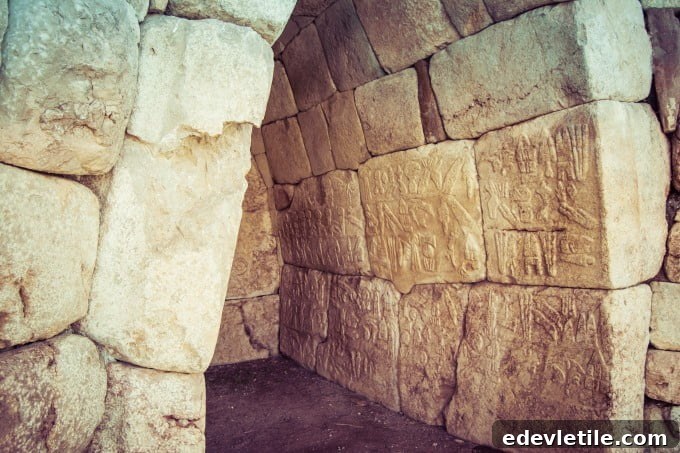
The hieroglyph chamber is protected to preserve the carved inscriptions and reliefs. While access is restricted, guides explain that the chamber likely served a symbolic or ritual purpose rather than functioning as a tomb. The carvings contribute valuable information about Hittite religious beliefs and iconography.
The Nisantepe
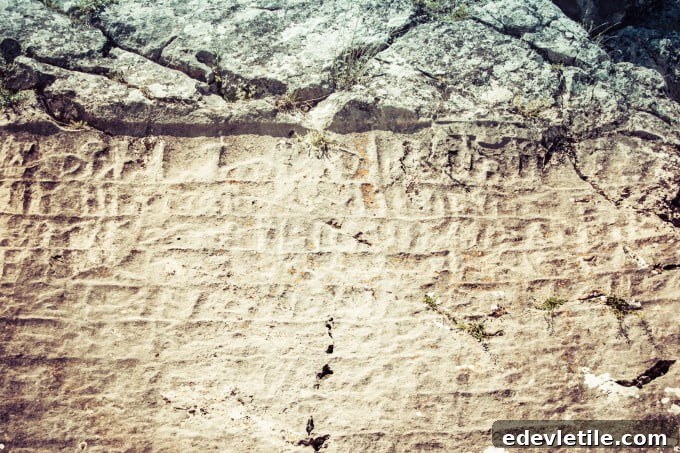
Nisantepe is a large rock bearing Luwian hieroglyphic inscriptions. Weathering has eroded parts of the text over time, making interpretation difficult in places. The inscriptions mention prominent rulers and events, and conserving such surfaces is a continuing concern for archaeologists who aim to protect these fragile records for future study.
Yazılıkaya and the 12 Gods of the Underworld
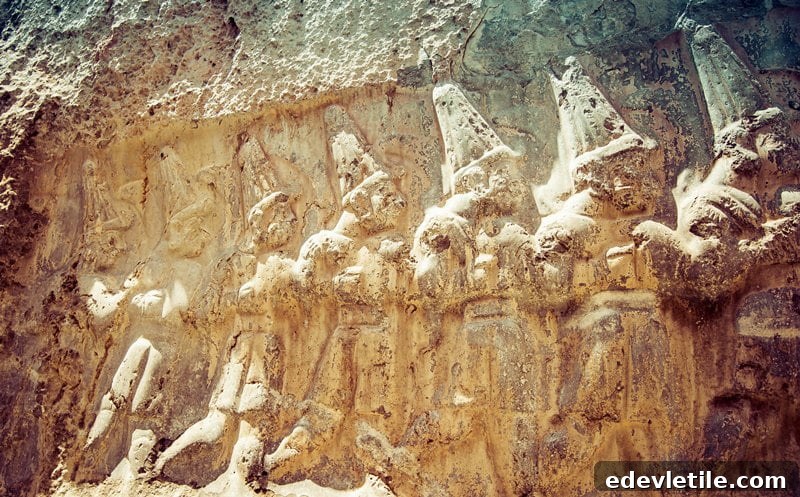
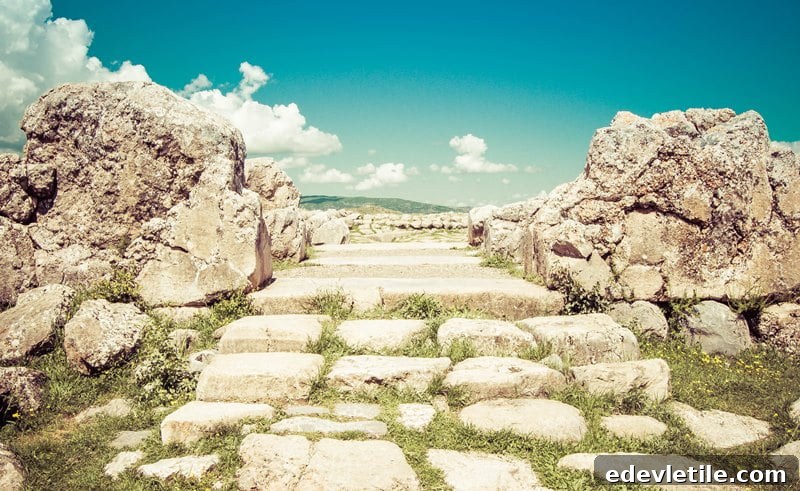
A short drive from Hattusa leads to Yazılıkaya, an open-air rock sanctuary carved into the hillside. Stone steps lead between two large rock faces into a narrow gorge where numerous deities are depicted in relief. Among the most striking scenes are a procession of gods, including a group commonly called the 12 gods of the underworld. These figures wear characteristic garments and pointed hats, reflecting their divine status in Hittite belief.
Where is Hattusa located and how to get there
Hattusa lies near the small village of Boğazkale in central Anatolia. From Cappadocia a direct bus or private transfer takes roughly three hours to the nearby district center; from there local taxis or minibuses travel to Boğazkale. If approaching from other directions, aim for Sungurlu or Yozgat as regional hubs with onward local transport options.
Touring Hattusa and Yazılıkaya
Because the sites are spread out and involve walking on uneven terrain, hiring a car and driver or joining a guided tour makes visiting easier. Local drivers and guides can provide historical context and show the highlights efficiently. The Boğazkale museum houses many original finds from the site and is a recommended stop to complement a visit to the ruins.