Dolmabahçe Palace Istanbul: Inside the Ottoman Empire’s Final Years
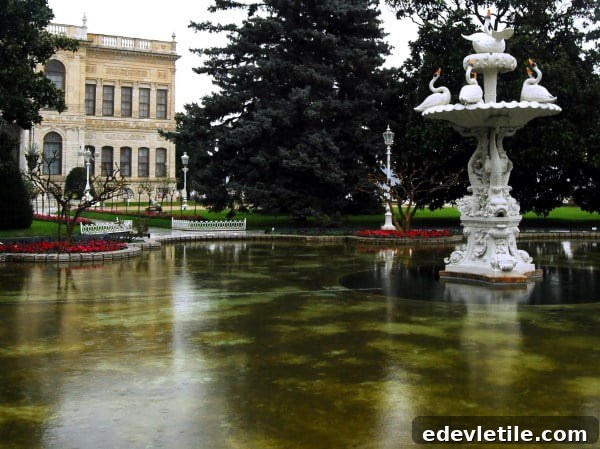
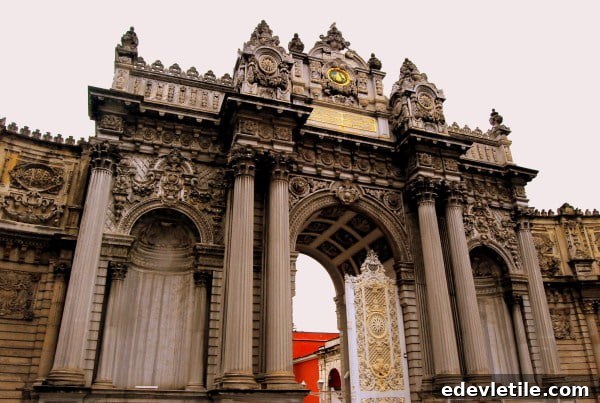
Dolmabahce Palace in Istanbul, occupying a prominent position on the European shore of the Bosphorus, is one of the city’s most impressive and thought-provoking landmarks. Built as the residence for the last six sultans of the Ottoman Empire in the 19th and early 20th centuries, the palace now functions as a museum that illustrates both the skill of Ottoman-era artisans and the extremes of imperial luxury. While its architecture and collections are undeniably beautiful, the palace also raises questions about wealth, power, and the social conditions of ordinary people at the time.
About the Dolmabahce Palace in Istanbul
Construction of Dolmabahce Palace took place between 1843 and 1856, a period when life for many residents of Istanbul was difficult. The completed palace contains 285 rooms, 44 halls, 68 toilets and six Turkish baths. These numbers alone highlight the vast difference between the rulers’ living standards and those of ordinary citizens.
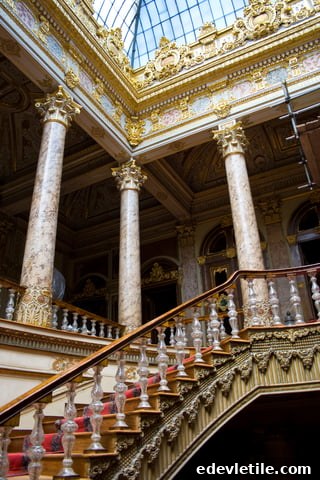
The palace interiors are lavish: ceilings layered with gold leaf, crystal fixtures, and elaborate carpets. Reportedly, 14 tons of gold were used to decorate ceilings, and a sweeping crystal staircase dominates the main hall. Nearby Hereke produced hundreds of handmade silk carpets destined for the palace floors. Many elements reflect a deliberate departure from traditional Ottoman styles toward a more European-inflected grandeur.
Among the extravagant gifts the palace received was a large crystal chandelier sent by Queen Victoria of England. Often described as one of the palace’s highlights, this chandelier contains hundreds of bulbs and weighs several tons. Other foreign dignitaries and monarchs contributed lavish items, from ornamental furs sent by the Russian court to carefully crafted decorative pieces, reinforcing Dolmabahce’s global impression of splendor.
Walking through the palace today, it is difficult not to question the priorities of its last residents. The Ottoman Empire, which had endured for centuries, was dissolved in 1923, and the final sultan was exiled soon after—events that many visitors reflect on as they contrast the palace’s excesses with the empire’s broader decline.
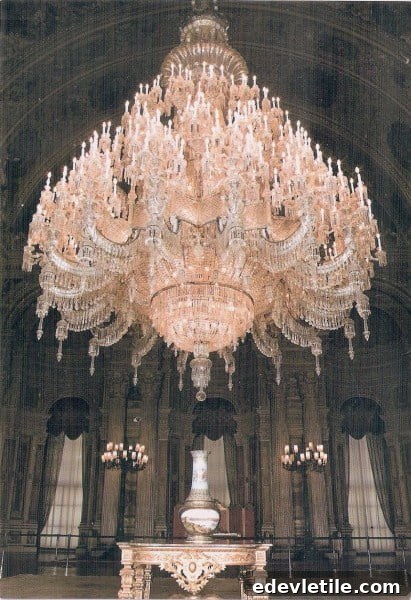
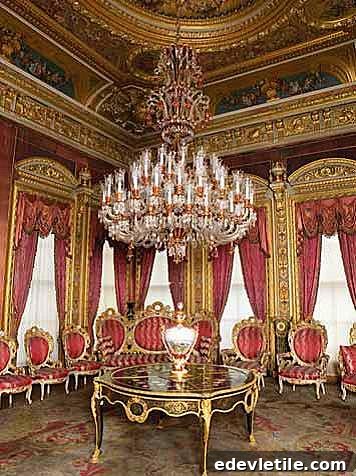
Dolmabahce Palace Harem
The harem, situated toward the back of Dolmabahce Palace, housed mothers, wives, and concubines. Official palace tours often present the harem as a refined, orderly household, but historical accounts suggest a more complex reality, including strict hierarchies, limited freedom, and interpersonal tensions. The harem was both a private world and a political institution shaped by palace protocols. Note that entry to the harem typically requires a separate ticket.
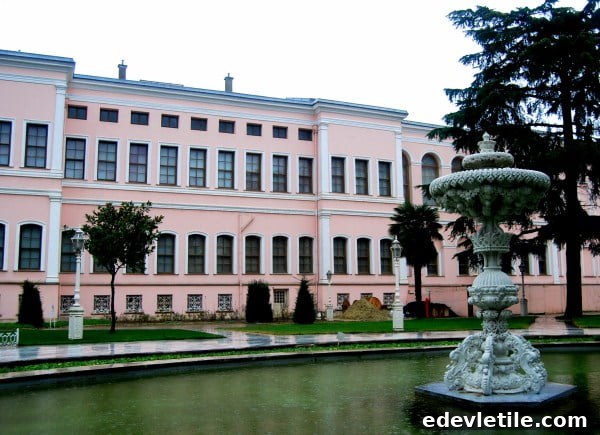
The Palace Selamlik for the Men
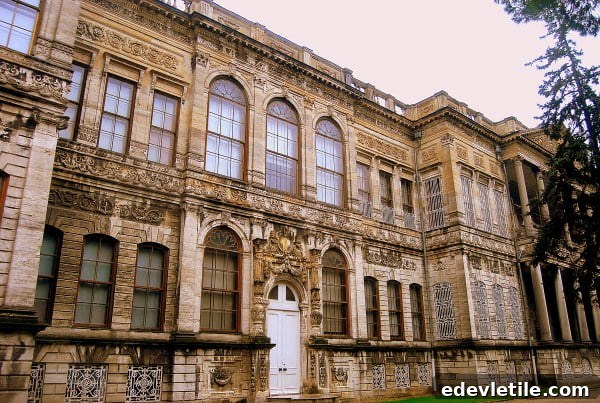
The selamlik, at the palace’s front, served as the men’s quarters and the space for formal receptions and official business. This area showcases the palace’s most ostentatious displays of wealth: grand painting collections, intricately carved furniture, and luxurious decoration throughout the halls. The selamlik was deliberately designed to impress foreign envoys and visiting dignitaries, demonstrating the political and social role of visual splendor in elite Ottoman life.
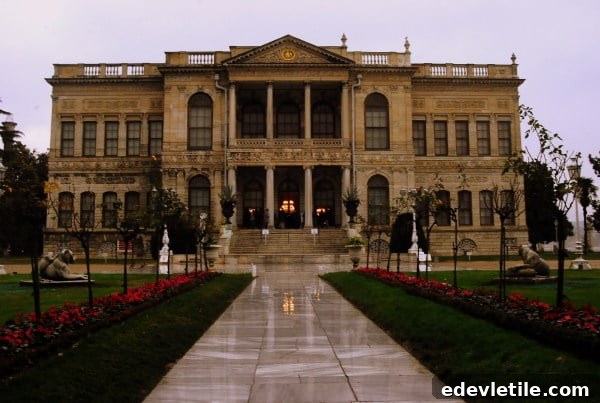
Ataturk’s Deathbed
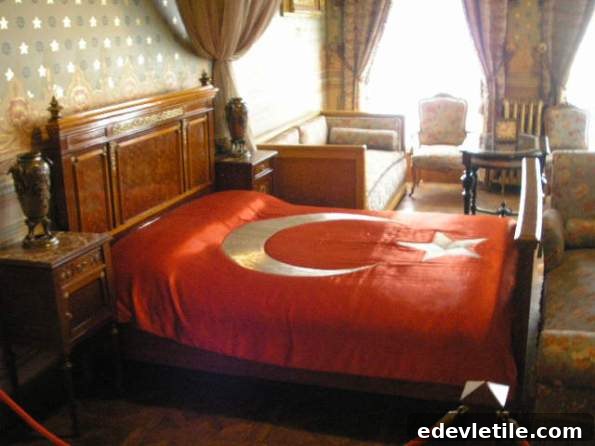
After the end of the empire, the Turkish Republic used Dolmabahce Palace for official purposes. Mustafa Kemal Ataturk, the founder of modern Turkey, spent his final days in the palace and died there in 1938. A clock in the room is famously stopped at the time of his death. Compared with the palace’s opulence, Ataturk’s choice of a modest bedroom stands out; the simplicity of the room contrasts sharply with the grandeur surrounding it and underscores his personal principles and priorities.
Photography and Resources
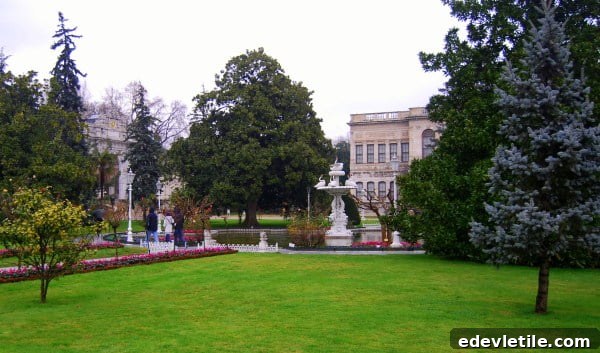
Photography inside many areas of Dolmabahce Palace is prohibited, which can be disappointing for visitors because some of the most remarkable interiors cannot be photographed. For that reason, public images and virtual tours available through official channels or authorized sources are often used to explore sections of the palace remotely. When visiting in person, follow the palace rules and respect restricted areas.
Dolmabahce Touring Tips and Opening Hours
Visitors cannot explore the palace freely; entry is via scheduled guided tours for both the selamlik and the harem. Guides provide the official narrative and access to rooms that are otherwise closed to independent visitors. To get more from your visit, read a concise history of the palace and the final years of the Ottoman Empire beforehand. Although tickets can be relatively expensive, most visitors consider them worthwhile. Current opening hours for Dolmabahce Palace are generally from 8:00 to 16:00, with certain days closed for maintenance or official events—confirm times before you go.
Other Attractions in Istanbul
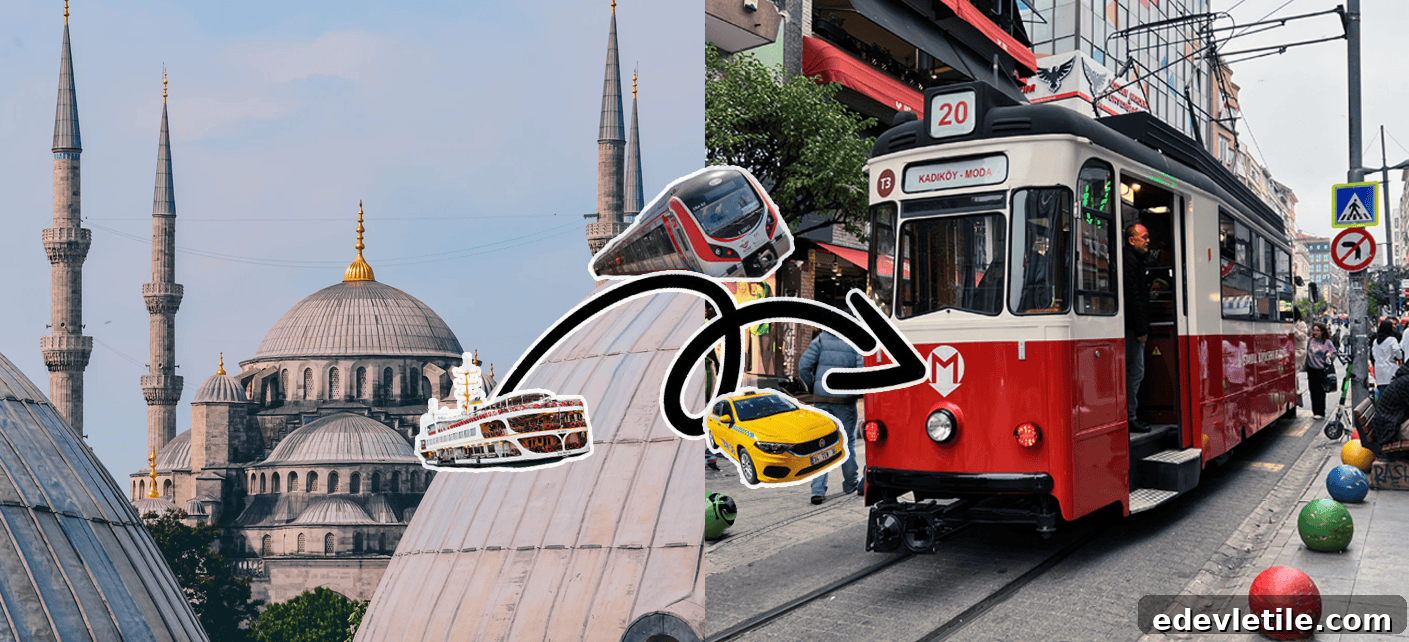
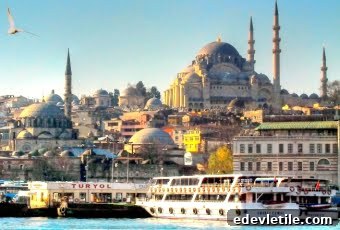
Istanbul offers a wealth of landmarks and neighborhoods worth exploring beyond Dolmabahce. From the Bosphorus waterfront to historic districts, museums, mosques, and parks, the city rewards time and curiosity. Nearby highlights include the Galata Tower and the bustling Istiklal Avenue in Beyoglu, while the Sultanahmet district features icons such as the Blue Mosque, Hagia Sophia, and Topkapi Palace. Together these sites present a layered picture of Istanbul’s complex history and cultural richness.