Explore Miletus Ancient Ruins & Museum: Top Things to See in Turkey
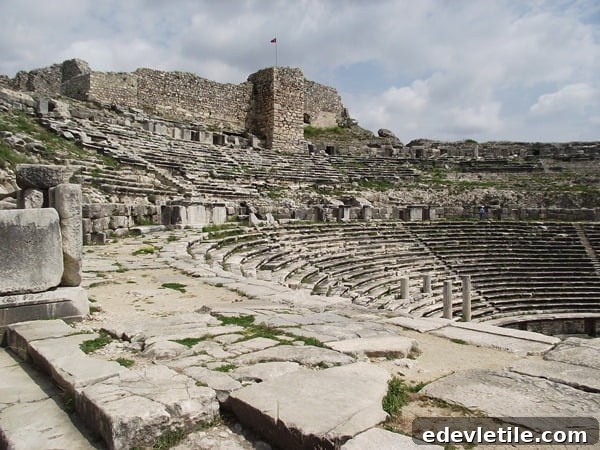
Miletus is one of several ancient ruin sites I visited recently along Turkey’s Aegean coast. While the grandeur of Ephesus sets a very high bar, Miletus left a strong impression. The open-air remains create an atmosphere that invites reflection about the city’s long history. Many local tour operators include Miletus on their itineraries, and it’s well worth a visit, often combined with the nearby ruins of Priene.
About the Miletus Ruins in Turkey
Founded as a thriving Greek city and maritime trading port, Miletus played a prominent role in the ancient world until the Persian invasions of the 6th century BC and subsequent centuries of change. Over time the sea receded, the coastline shifted, and the settlement lost its importance. Today, archaeological efforts have uncovered and conserved Hellenistic and Roman layers of the site, making it an accessible and engaging archaeological park. The scale and preservation differ from Ephesus, but Miletus offers its own distinct character and historical richness.
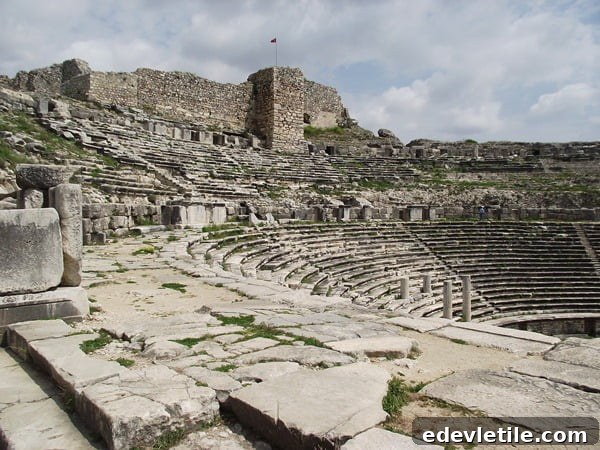
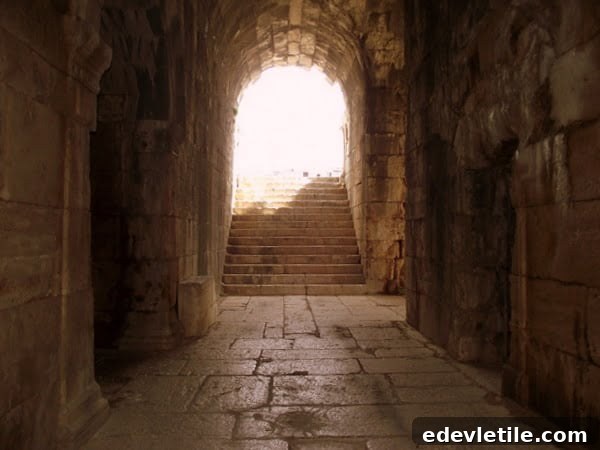
The most striking feature is the large theatre, rebuilt and used during Roman times. Walking through the underground corridors beneath the seating gives a visceral sense of the site’s function and scale. Stone steps rise to the semicircular auditorium, and standing there it’s easy to imagine the shouted announcements, applause, or jeers that once filled the space. The passageways include small chambers and holding cells that prompt reflection on the harsher realities of ancient entertainment and civic life.
Entrance fees are modest, and a morning is generally enough to see the main highlights. Many visitors combine Miletus with nearby sites—such as the Temple of Apollo and the city of Priene—for a full day of exploration. Adjacent to the theatre area you will find traditional restaurants and an official site shop selling souvenirs. If your travel plans take you along this stretch of the Aegean, Miletus is a rewarding stop.
(Note: Earlier I published a photo under the name “Miletos.” Both spellings appear in use; “Miletus” is more common in English-language references, so I use that form here.)
Also read
Priene ruins: Located a short drive from Miletus, the ruins of Priene are notable for their well-preserved Hellenistic layout and architecture. The site includes residential quarters and a theatre, and it is linked to stories of Alexander the Great having visited the area.
Apollo Temple: Frequently combined with visits to Miletus and Priene, the Temple of Apollo at Didyma (near Altinkum) was once an important pilgrimage site. Though some parts remained unfinished in antiquity, the temple’s scale and historical significance make it an interesting complement to nearby archaeological sites.