Flower Passage Istanbul: Vintage Portraits and Historic Passages
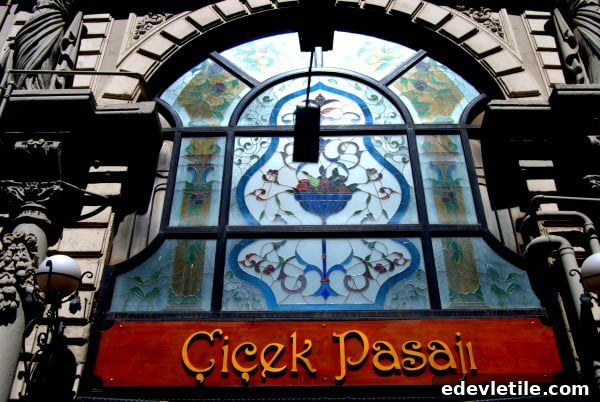
My visit to the Flower Passage in Istanbul, Turkey, was unplanned but quickly became one of my favorite discoveries. Two friends—familiar with my love of photography and history—suggested it as a lunch spot. Nestled on Istiklal Avenue and known locally as Çiçek Pasajı, the arcade is a lively spot to eat, drink, and enjoy the atmosphere.
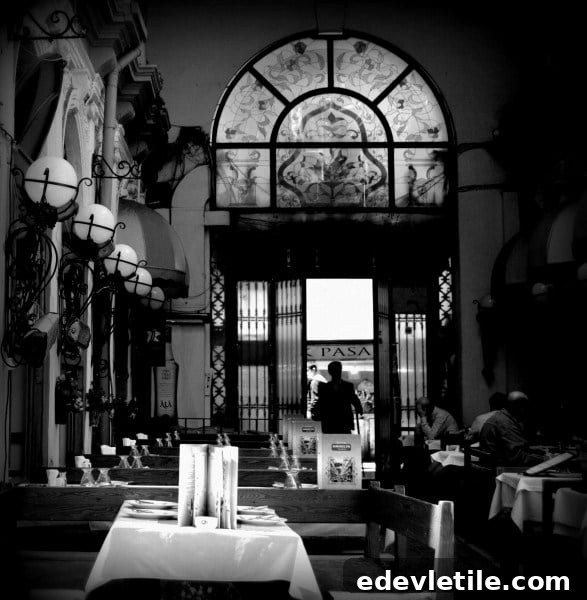
That said, I cannot wholeheartedly recommend every restaurant inside. We chose poorly: our meal arrived cold and the service was disappointing. Still, the passage itself is worth seeing for its character and history.
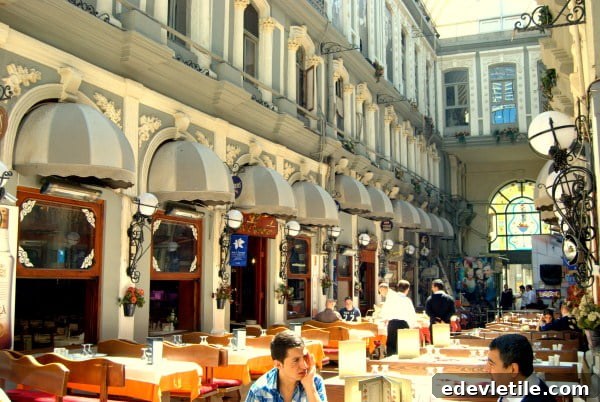
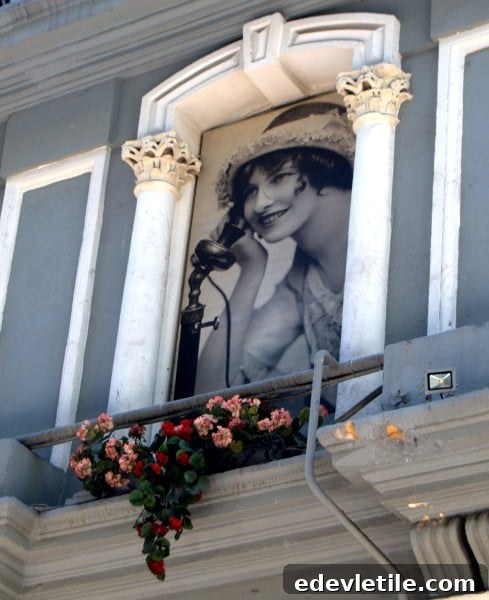
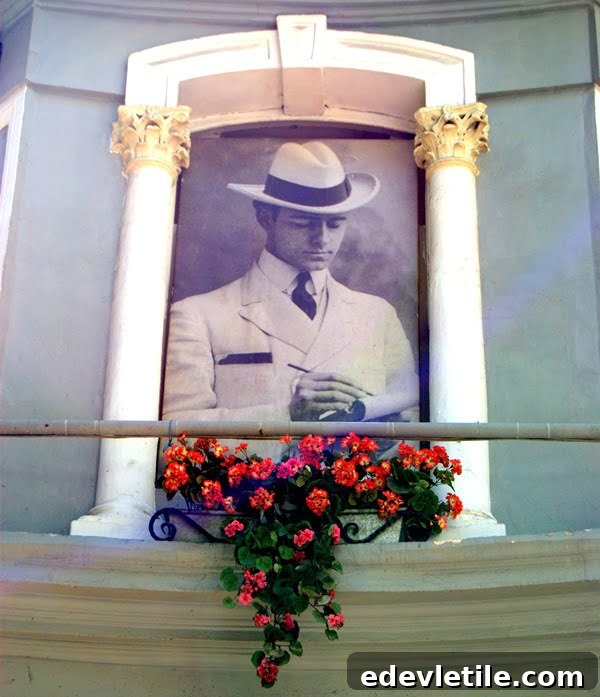
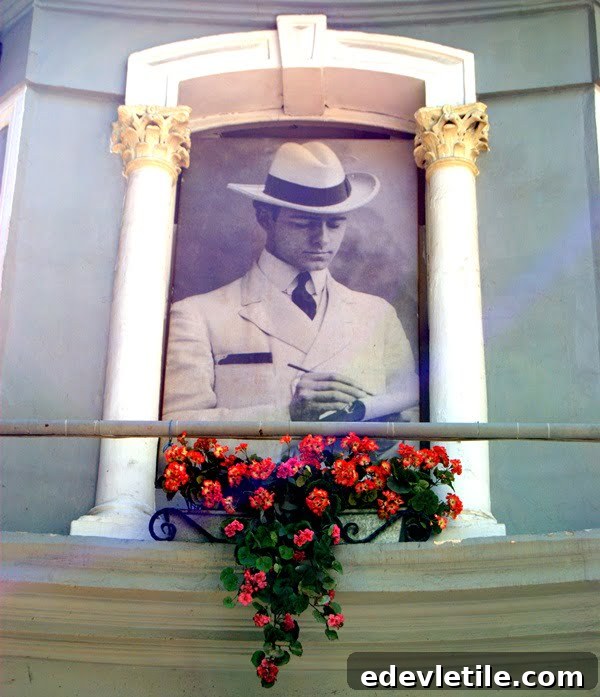
What truly captured my attention was the building’s architecture. It differs from most other structures in Istanbul, and along the first level a row of framed portraits of distinctive faces lines the gallery. Those portraits gave the passage a nostalgic, almost theatrical air.
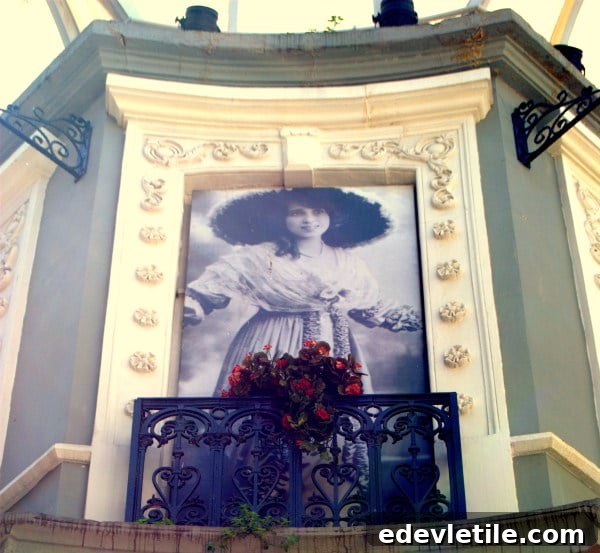
Curious, I searched online to learn more about the passage and its décor. I uncovered some of its past, but one question remains unanswered—who are the people in those portraits? I’m still looking for a clear answer and hope readers might know more.
Flower Passage in Istanbul – From a Theatre to Restaurants
The Flower Passage began life as a theatre in the 1800s. After a fire, the space was rebuilt and converted into rows of elegant shops. Following the Russian Revolution of 1917, many refugees arrived in Istanbul and took over several of these new shops to sell flowers, which is how the arcade earned its name: Çiçek Pasajı, literally “Flower Passage.”
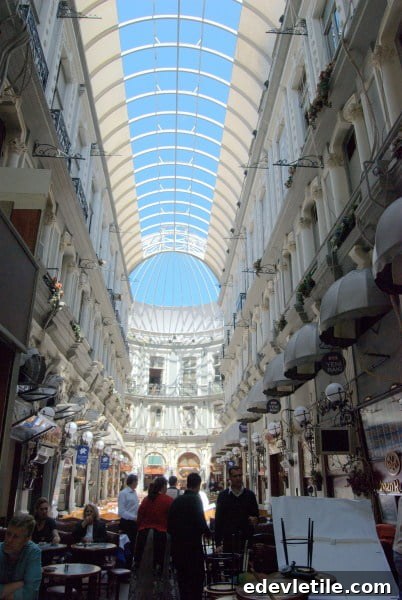
By the 1960s, the shops had largely become meyhanes—traditional Turkish taverns—popular with locals looking to relax and socialize. Over time the building’s charm faded until a renovation in the 1990s restored much of its appeal, turning it into a fashionable destination on Istiklal Avenue.
Who are the people in the portraits of Flower Passage?
Despite hours of research and asking several locals, I’ve found no definitive information about the identities of the people pictured in those portraits. It seems few visitors or guides mention them, which makes their presence feel even more enigmatic to me.
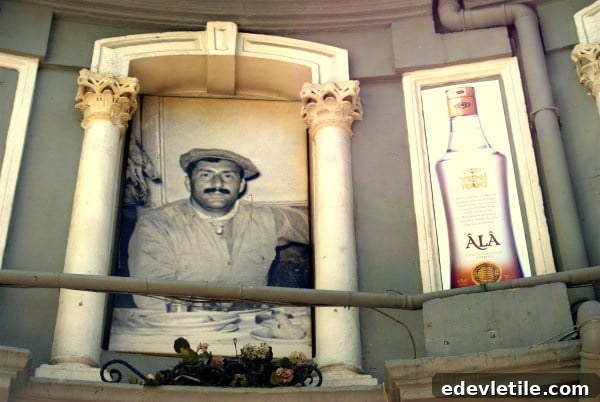
It’s possible the portraits are vintage advertising images or staged photographs rather than portraits of notable local figures. They could simply be models from a bygone era chosen for their evocative expressions and style.
If that proves to be the case, I’ll be a little disappointed—their faces and smiles had captured my imagination and helped make Çiçek Pasajı one of the most memorable spots I visited on Istiklal Avenue. For now, the mystery remains part of its charm, and I plan to keep searching for an explanation.