Follow Gertrude Bell’s Trail Through Turkey: Historic Sites & Routes
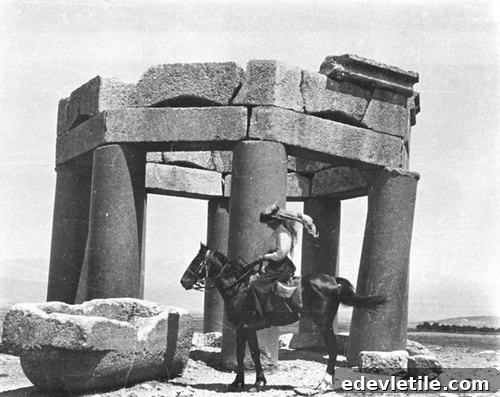
These days, society often sends mixed messages about women who travel alone. Some see them as reckless, others as confrontational, and many admire them as confident role models. A striking historic example of a pioneering solo female traveller is Gertrude Bell, who explored large parts of the Middle East — including regions of present-day Turkey — more than a century ago.
Who Was Gertrude Bell?
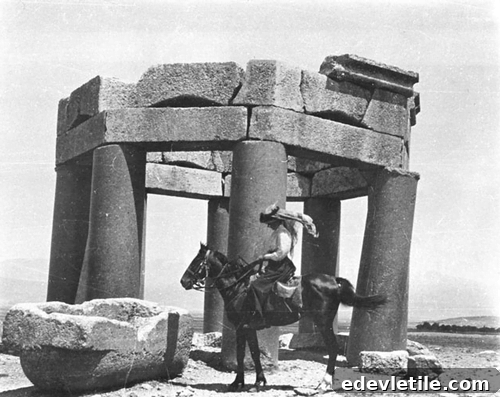
Gertrude Bell (1868–1926) was a British archaeologist, diplomat, writer and explorer. She travelled extensively across regions that are now Turkey, Syria, Iraq and Saudi Arabia, documenting sites, cultures and histories. Bell also played a significant role in the political reorganization of the modern Middle East in the aftermath of World War I, and she worked closely with local leaders and British officials in the area.
Beyond archaeology and scholarship, Bell served as an intelligence officer and adviser for the British government. Her knowledge of languages, customs and tribal politics made her an influential figure behind the scenes. Contemporaries sometimes compared her sway and access to that of well-known male counterparts, and she developed close relationships with notable figures of her era.
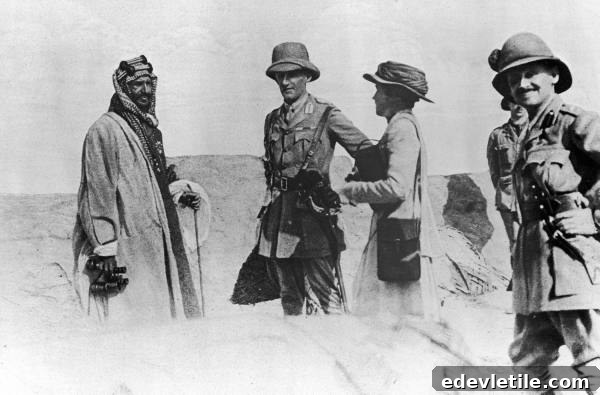
Her life and work inspired later portrayals in film and literature. While modern adaptations have met with mixed success, Bell’s achievements and the records she left behind remain valuable resources for historians, archaeologists and travellers interested in the region.
Gertrude Bell in Turkey
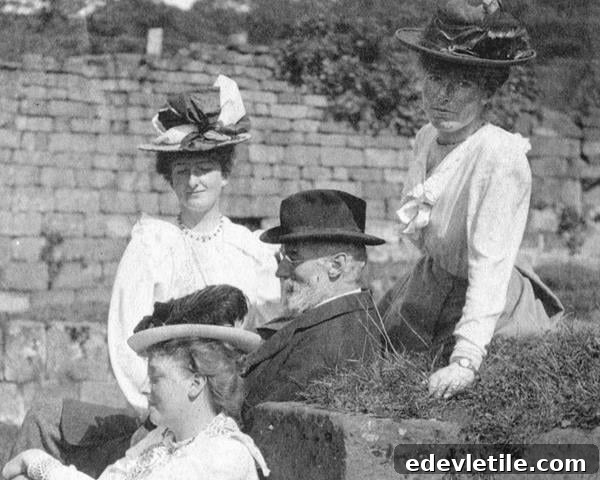
Between the 1890s and the First World War, Bell made numerous journeys across Anatolia. She published detailed accounts of Byzantine churches and monastic sites, notably the churches at Binbirkilise near Karaman and sites in the Tur Abdin region around Midyat. Her writings offer careful observations on architecture, local customs and historical context, and she included Turkish sites in several of her books and reports.
Her travels were not brief visits: she spent years moving across the country from west to east, often recording remote sites that were little known to Western scholars at the time. Some of the places she documented, such as Hasankeyf and Deyrulzafaran Monastery, later became important reference points for researchers and travellers following in her footsteps.
Retracing Her Steps in Turkey
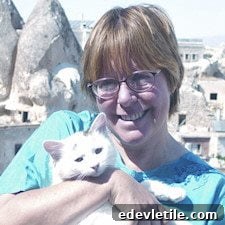 Contemporary travellers and writers continue to explore the routes Bell took. Pat Yale, a noted author on Turkish travel, planned an extended journey to retrace Bell’s route across Turkey to research a new book inspired by Bell’s travels.
Her itinerary was designed to begin on the Aegean coast and move inland through Karaman, down to Silifke on the Mediterranean, then along the southeastern border toward Cizre. From there the route returned westward via Diyarbakir, Elazig, Malatya, Kayseri, Cappadocia and Eskisehir, finishing in Istanbul. Like Bell, the journey includes both well-known sites and more remote locations, with an interest in the local people, historical communities and archaeological contexts encountered along the way.
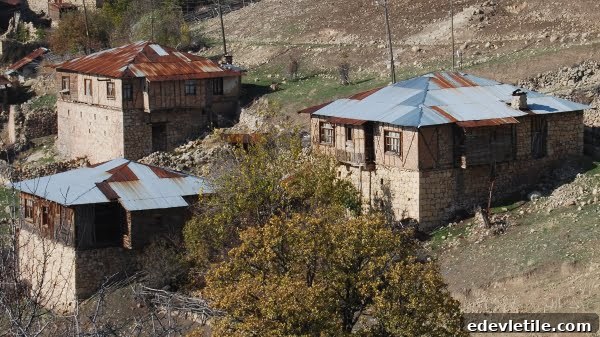
Part of the project involved comparing the landscape and social conditions of Bell’s era with the present day: where hydroelectric dams and modern development have transformed valleys, where ancient churches and ruins remain largely as she described them, and how towns and expat communities that once played central roles in archaeology have evolved.
Bell herself climbed Mt. Hasan near Aksaray, and modern travellers interested in following her example sometimes attempt the same peak as part of their exploration of central Anatolia.
Follow the Project and Learn More
Writers and researchers documenting journeys that echo Bell’s travels often publish updates, essays and photos on blogs and social media. These contemporary accounts can help modern visitors plan routes, identify sites Bell recorded, and understand how the region’s landscape and heritage have changed over the past century.
For readers and travellers inspired by Bell, her published diaries, archaeological notes and correspondence remain the most reliable sources for her own observations. Modern travel writing that carefully compares past and present can enrich an itinerary and provide historical context for sites across Turkey and the broader Middle East.
Image credits: archival photographs of Gertrude Bell and related historical images.