Gaziantep Castle Memorial: Honoring Veterans and History
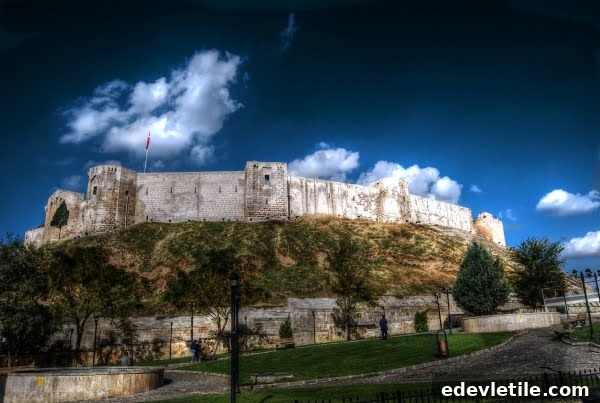
I have always loved castles, not because of fairy-tale princesses, but because they remind me of childhood. Growing up in Nottingham, UK, I spent many weekends at the castle acting out Robin Hood stories and imagining the wicked sheriff. So when I arrived in Gaziantep, the first place I wanted to visit was its castle.
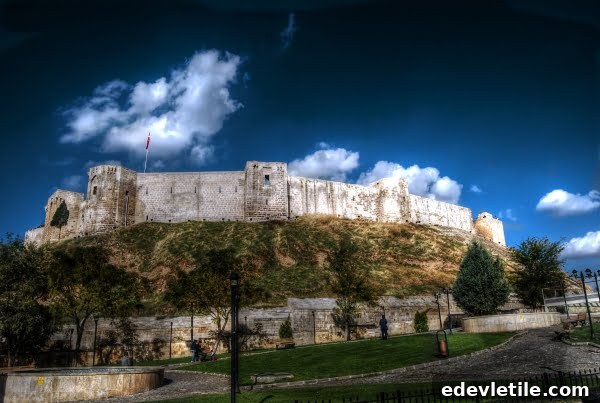
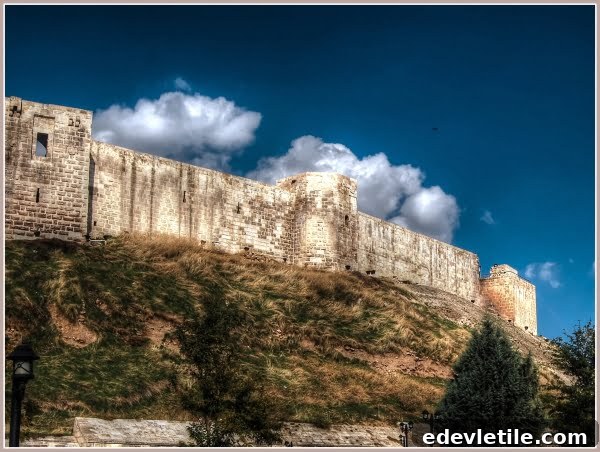
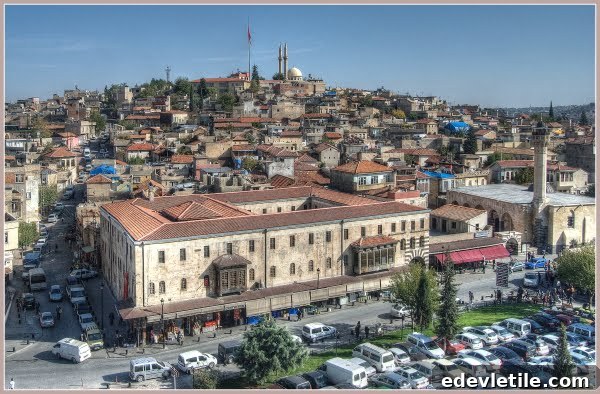
Perched in the Seferpaşa district, Gaziantep Castle is easy to find. It is well signposted and stands out as one of the city’s main landmarks. I did not arrive with overly high expectations; in my experience many Turkish castles serve mainly as viewpoints and lack comprehensive conservation. However, Gaziantep Castle pleasantly surprised me.
Gaziantep Castle: Remembering the Turkish War of Independence
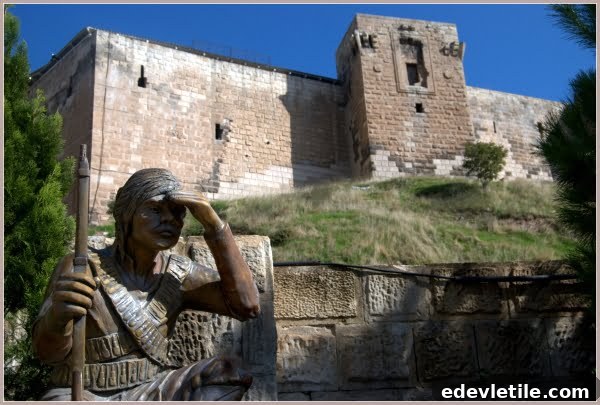
Although not comparable to the extensively preserved castles of some European countries, Gaziantep Castle is one of the best-restored examples I have seen in Turkey. The stonework has been reinforced, pathways are maintained, and the approach is lined with statues. Crossing what feels like a drawbridge, visitors enter a series of winding corridors that trace the castle’s perimeter.
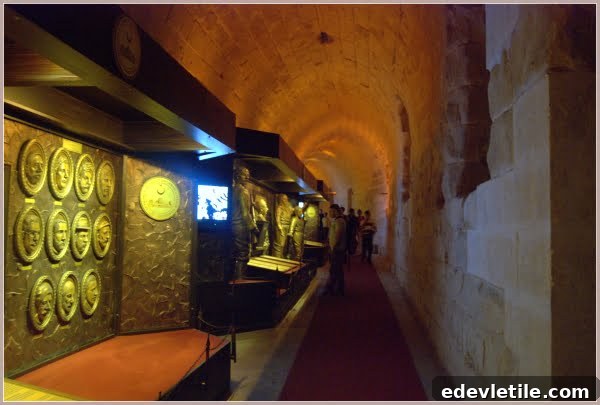
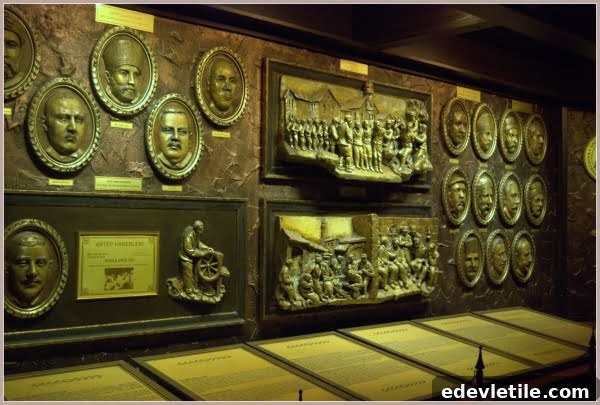
Along the passages, informative displays present the castle’s long history. Although the fortress dates back to Roman times, the exhibitions focus primarily on Gaziantep’s role during the Turkish War of Independence. These displays provide historical context, photographs, and stories about the city’s resistance during a pivotal period.
From Antep to Gaziantep in 1921
The city was originally known as Antep. After World War I, former Ottoman territories were contested by Allied forces and the French advanced on Antep. Mustafa Kemal Atatürk, who later founded the Republic of Turkey, organized resistance and sent messages urging the city’s leaders to defend themselves. The people of Antep responded decisively.
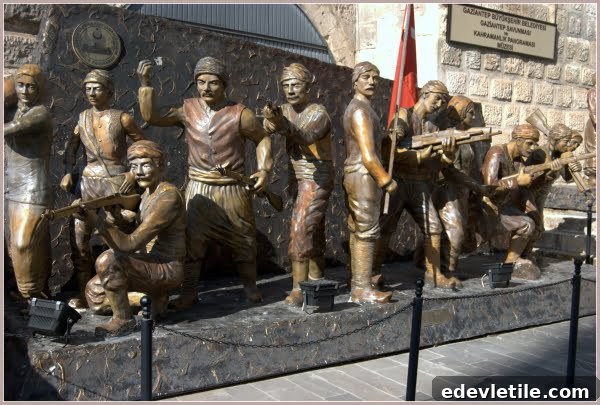
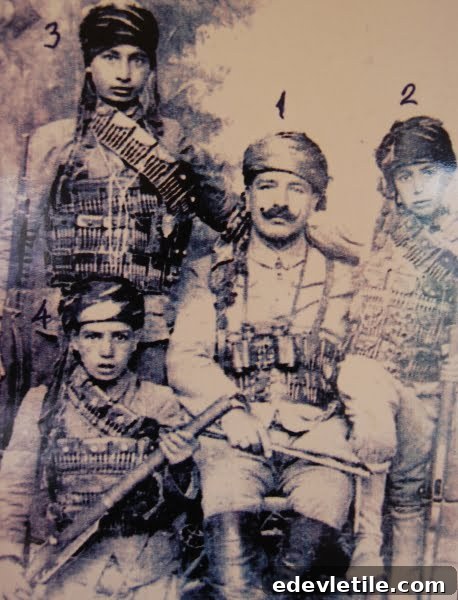
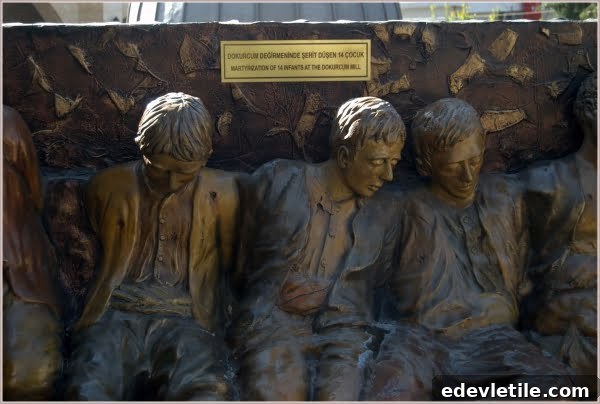
Women and children joined men in the fight. Even when food supplies were cut off and the city suffered shortages, the defenders refused to surrender. Local men with military experience organized raids and defensive actions despite being outnumbered. Over time, the French withdrew, and in 1921 the city was honored with the title “Gazi,” meaning veteran. From then on it has been known as Gaziantep.
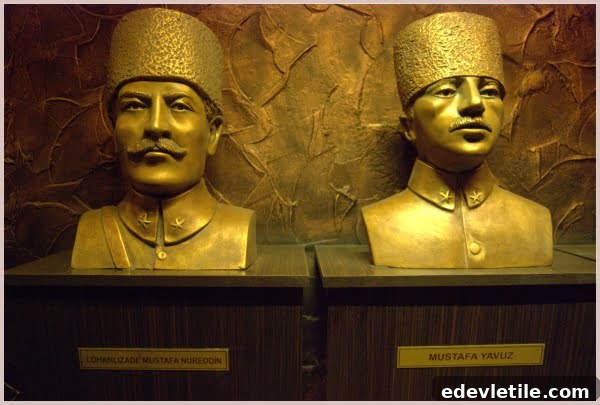
The castle’s exhibitions highlight prominent figures from that period, including Şahin Bey, who led local defence efforts. Throughout the corridors, statues and plaques commemorate those who played important roles during the siege and the wider independence movement. If you want to learn more about the contribution of women and children in the struggle, the Gaziantep War Museum offers deeper coverage on that topic.
Even for visitors who are not primarily interested in military or civic history, Gaziantep Castle is worth a visit. For a very modest entrance fee you can explore restored sections of the fortress and enjoy panoramic views across the city, appreciating both its scale and the history embedded in its walls.
Readers’ question: Castles — do you love them or not?