Gaziantep Cobbler: Handmade Leather Shoes & Traditional Craftsmanship

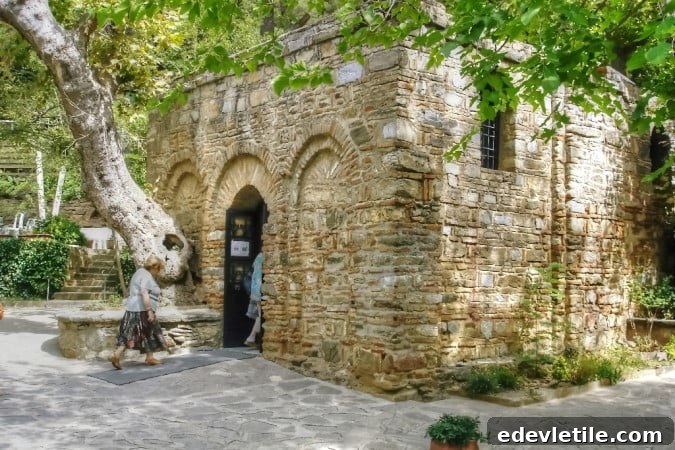
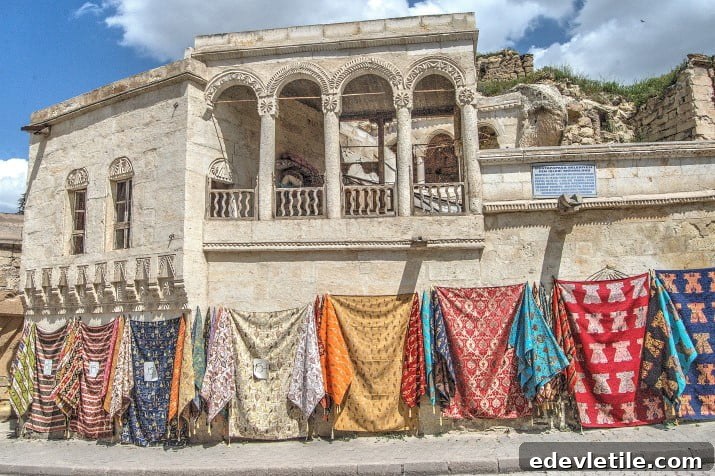
Tucked inside a quiet stone courtyard was a small, dusty workshop. I peered through the age-darkened windows, unsure whether the shop was open. The door creaked, and an elderly man greeted me with a warm smile. His lined face and stooped posture showed his years, yet he moved with a steady, practiced grace. When I expressed surprise that he was still working, he laughed and said it was not work to him but a passion. He was a master maker of Gaziantep shoes.

As he led me around his bench, tools, and stacks of leather, he began to tell his story. He had learned the craft from his father and had been making shoes for 65 years. Pride lit his face when he mentioned one of the family’s most notable commissions: supplying 600 pairs of leather shoes for the film Troy starring Brad Pitt. Small workshops like his can find unexpected moments of fame.

The style he specializes in is called Yemeni. Crafting these shoes requires great patience and skill. Traditionally made of soft leather, Yemeni shoes are praised for keeping feet cool in summer and warm in winter. Although everyday demand has declined in modern times, the shoemaker remains untroubled. He continues to receive orders from folk dance troupes across the country who perform traditional village dances, and his shoes have become sought-after souvenirs for visitors looking for authentic, handcrafted pieces.
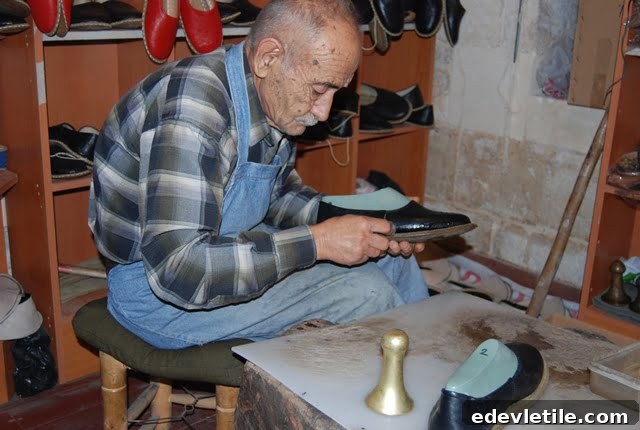
More than the craft itself, I was struck by the shoemaker’s character. He had lived through many changes and led a life shaped by hard work, yet he greeted me with calm optimism and no trace of regret or bitterness. His steady cheer and contentment made a strong impression; to reach such an age while still viewing the world with hope is a rare and admirable thing.
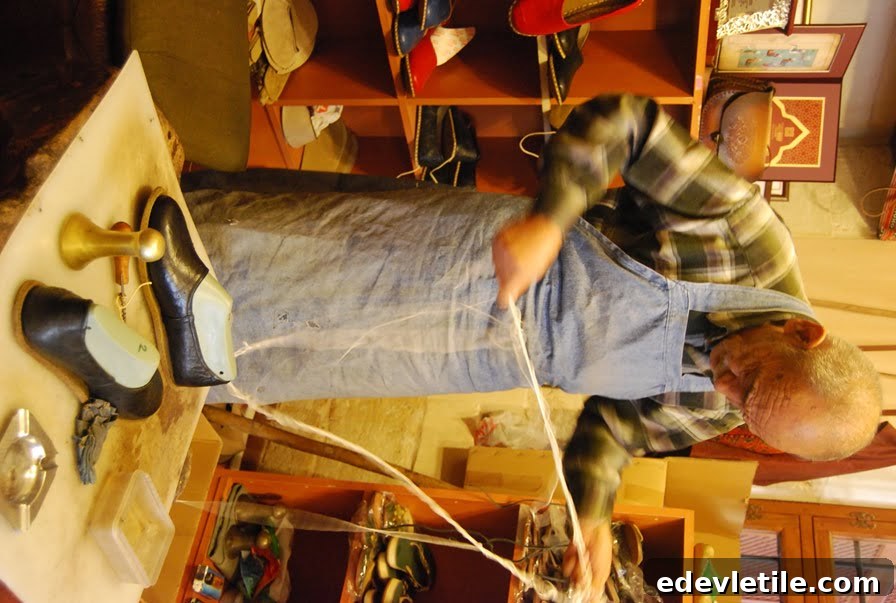
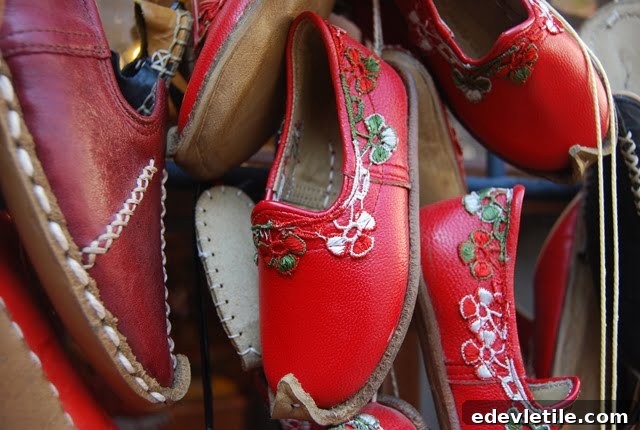
Visiting his workshop felt like stepping into a living museum of traditional shoemaking. Each pair of Yemeni shoes carried the mark of careful handwork—cut leather, precise stitching, and the subtle curves formed by decades of experience. Even if fewer people wear them daily now, these shoes preserve a cultural craft and continue to delight those who appreciate handmade quality.
Leaving the courtyard, I took with me not only the memory of beautiful, time-honored footwear, but also the image of an artisan who loves his work and greets life with a smile. In an era of mass production, workshops like his remind us of the value of patience, skill, and continuity across generations.